Full Article
about Torre en Cameros
One of the highest and least populated villages; pure mountain essence and solitude.
Hide article Read full article
A village at altitude
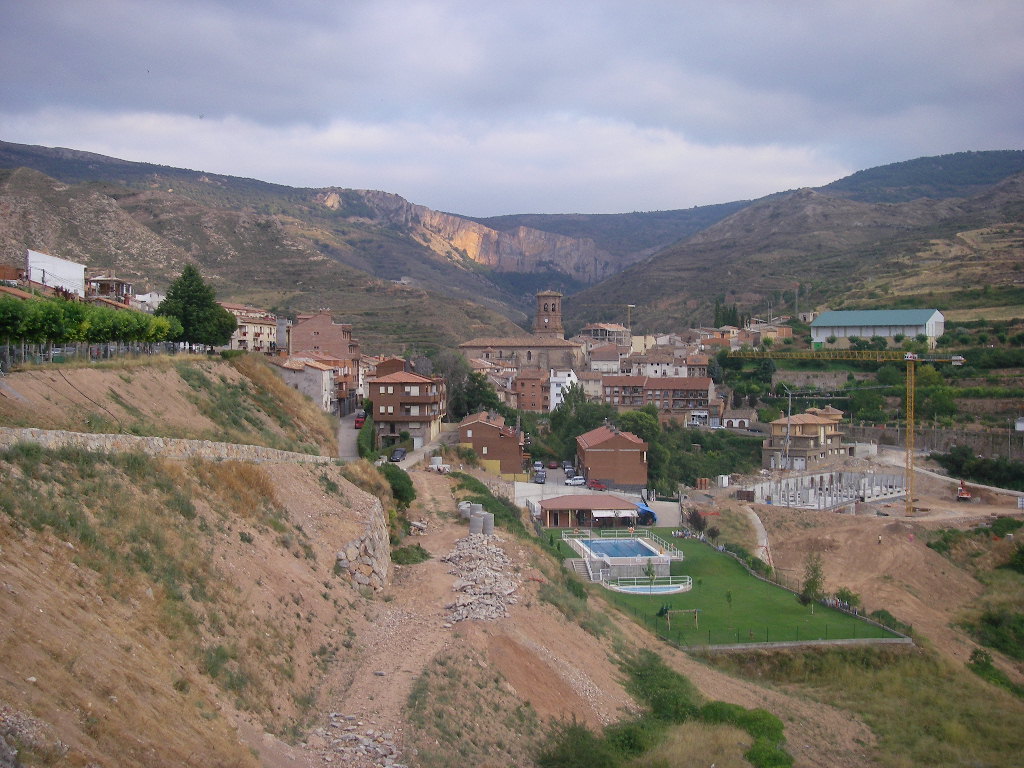
Torre en Cameros sits on the western side of the Sierra de Cameros in La Rioja, at around 1,155 metres above sea level. It belongs to a network of small mountain settlements that developed around livestock grazing, making use of the high pastures that shape this part of northern Spain.
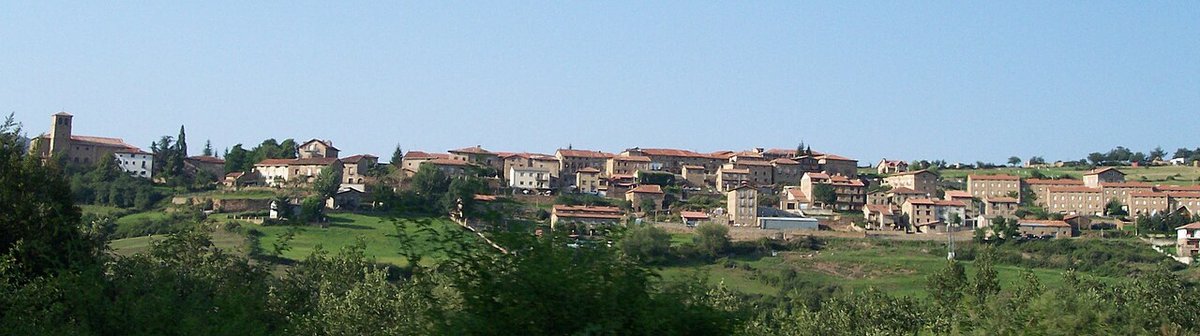
Today, only eight residents are officially registered here. The houses cluster tightly around the church, a pattern seen in many mountain villages where space was limited and long winters encouraged compact building. Everything is close together, shaped by both terrain and climate.
Silence is a defining feature. On weekdays it is entirely possible not to see another person. What carries across the village tends to be the wind moving down the hillside or the faint sound of cowbells from nearby meadows.
Stone, shelter and daily life
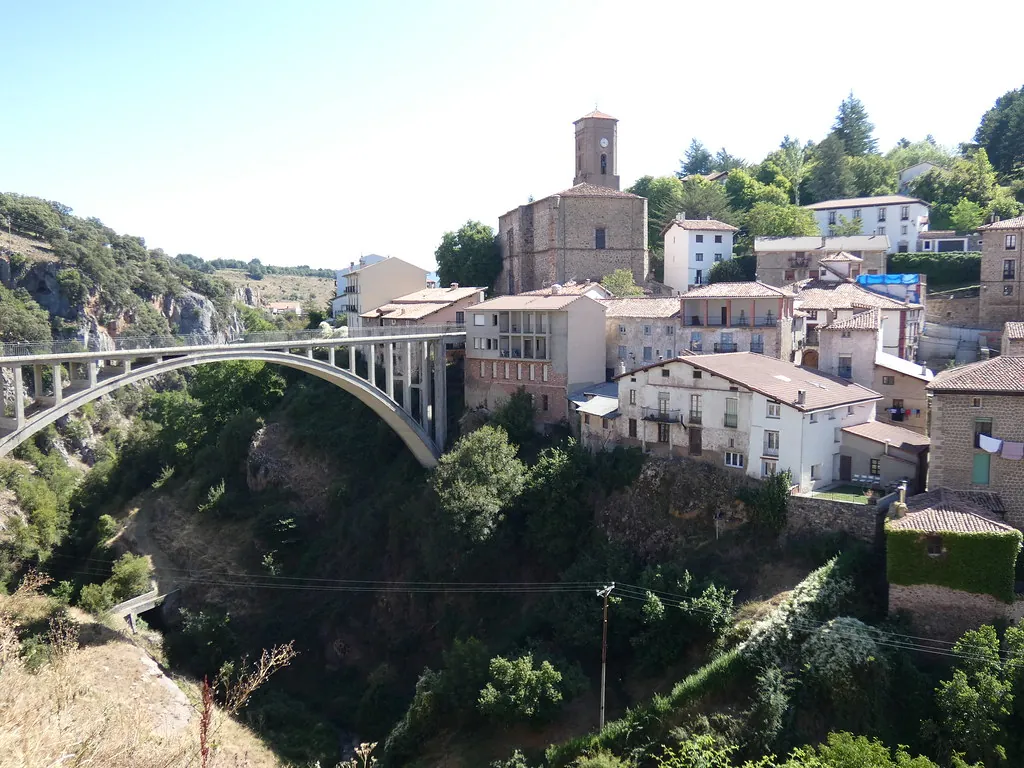
The parish church of San Andrés, originally built in the 16th century and later altered, forms the centre of the settlement. Its stone tower is the first element visible when approaching by road and acts as a clear reference point in what is otherwise a very small cluster of buildings.
The houses reflect practical mountain architecture. Thick masonry walls help retain heat, openings to the north are kept to a minimum, and balconies or galleries face towards the sun. These choices were not decorative. At this altitude, cold conditions influence construction as much as the availability of local stone and timber.
Walking through the village reveals traces of a way of life closely tied to livestock and seasonal rhythms. Large doorways suggest space for animals or storage, haylofts are often integrated into the same structures as living quarters, and small adjoining pens appear beside some houses.
Just beyond the last buildings, the wider landscape of Cameros opens up. Rounded hills, patches of woodland and open meadows stretch outwards, changing noticeably with the seasons.
Paths into the sierra
Several forest tracks and traditional paths begin around Torre en Cameros. Some once linked the village with others in Cameros or led up to higher grazing areas. Not all of these routes are signposted, so using a map or GPS becomes important if heading further than the immediate surroundings.
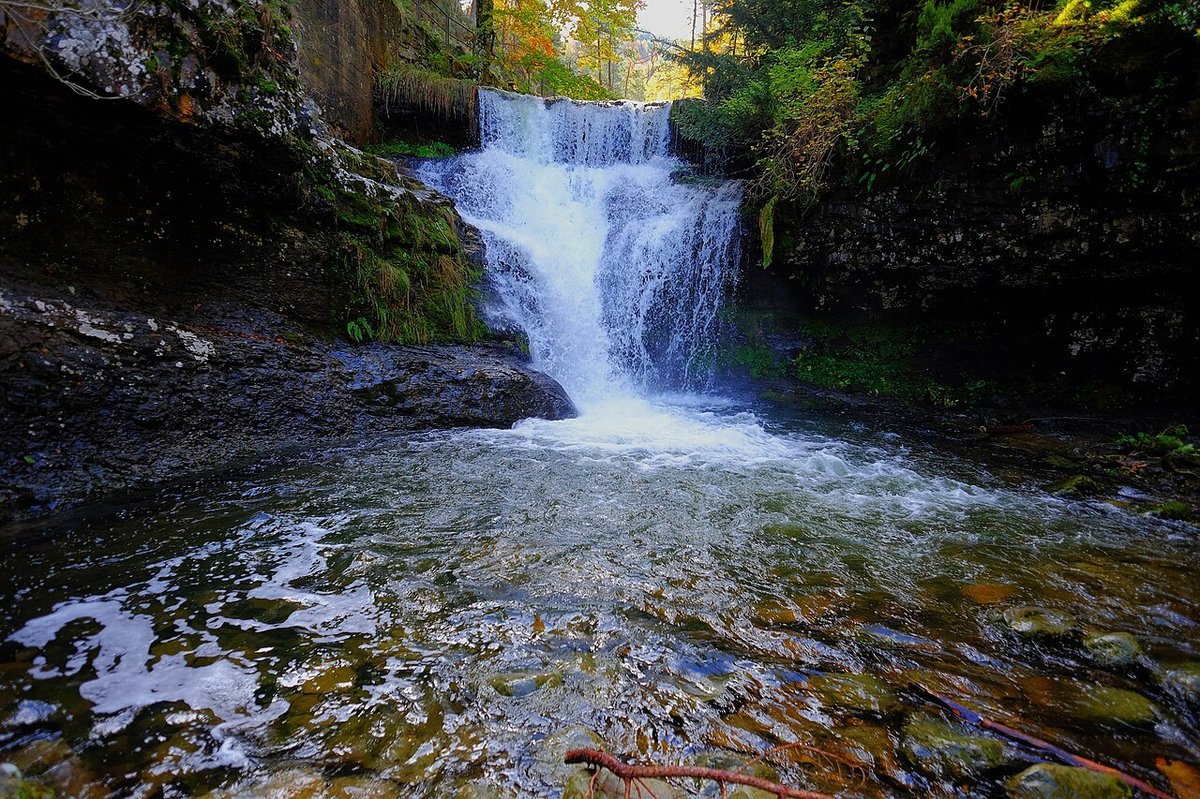
The nearby slopes alternate between oak woods and beech forests, both common in this part of the sierra. In autumn, it is not unusual to see people searching for mushrooms in these woods, always with care to follow local regulations and respect the environment.
Mobile phone coverage can be unreliable in certain spots. Fog is also a regular feature when the weather shifts, something typical of mountainous areas like this and worth bearing in mind when walking.
A place for a short stop
Torre en Cameros can be explored quickly. The built area is small, and its streets amount to little more than a few short stretches around the church.
A walk along the tracks leading out of the village allows for a bit of elevation and a clearer sense of how the settlement sits within the valley. From there, it becomes easier to understand why villages like this were placed where they are: close to water, sheltered from wind, and with enough surrounding land for pasture.
The layout and setting still reflect those practical decisions, even as daily life here has largely faded.
When to come and what to expect
From spring through to autumn, access is usually simpler and the paths are in better condition. Autumn, in particular, alters the appearance of the landscape as the forests change colour.
Winter can bring snow at this altitude, which may complicate both the road and the walking routes. Checking weather conditions and access beforehand is advisable during colder months.
There are no bars, shops or permanently open services in Torre en Cameros. For anyone planning to spend several hours in the area, bringing water and food is the most practical option, or stopping beforehand in a larger village within the region.
Rather than a destination for several days, Torre en Cameros works best as part of a wider route through Cameros. It is a place where village life has reduced to a minimum, yet the landscape and the structure of the settlement still offer a clear sense of how this mountain region functioned not so long ago.