Full Article
about Villoslada de Cameros
Heart of the Sierra de Cebollera Natural Park; stone village with a strong transhumant tradition.
Hide article Read full article
A village shaped by water and altitude
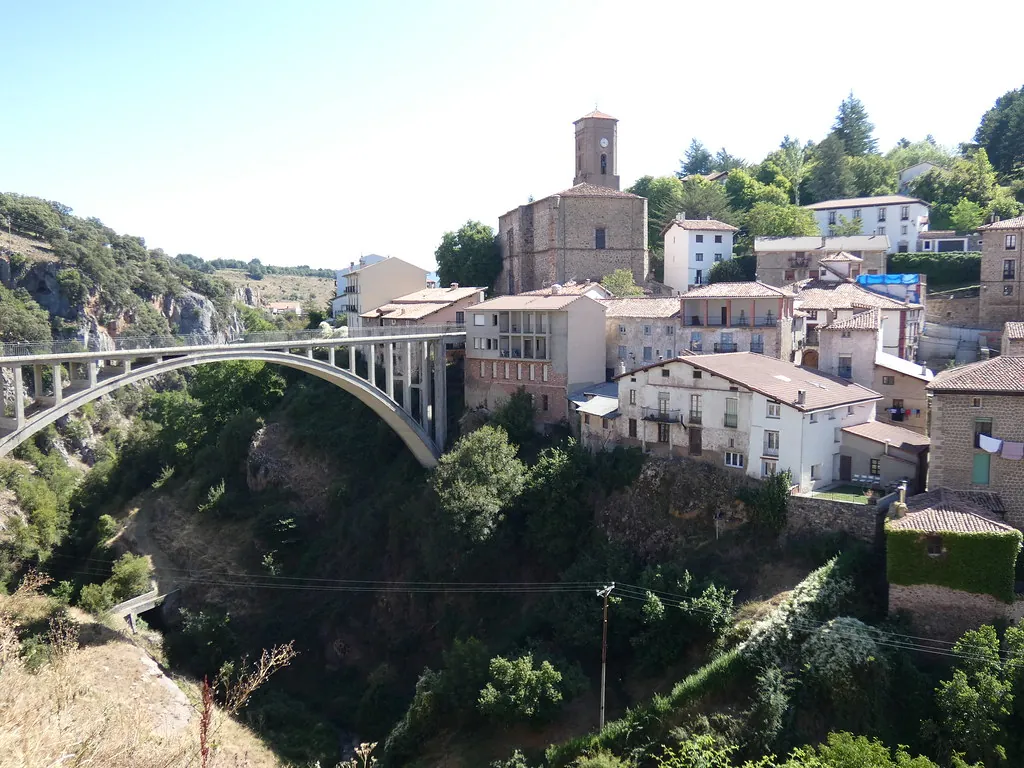
Early in the morning, before the sun reaches the bottom of the valley, Villoslada de Cameros sounds mostly of water. The river Iregua runs close to the first houses, and its steady murmur follows anyone walking along the main street. The air is often cool, even in summer. The village sits at over a thousand metres above sea level, in the heart of the Sierra de Cebollera, and the forest begins almost at the edge of the last buildings.
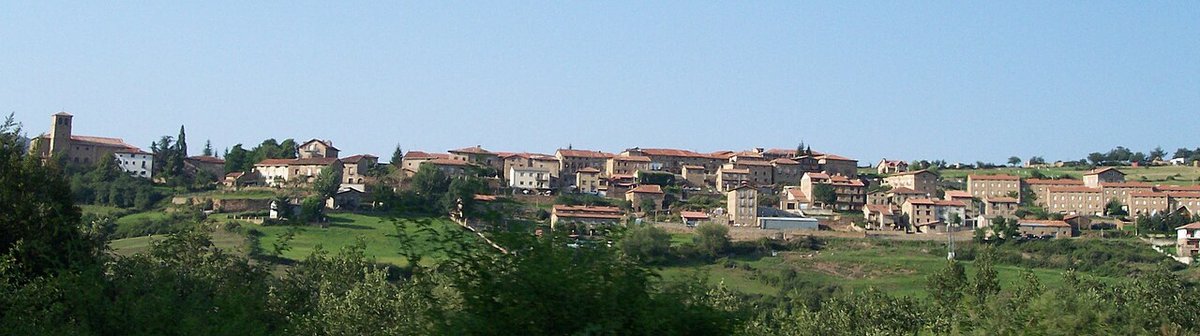
Villoslada de Cameros is small, home to just over three hundred people. Life moves at the slower pace typical of places where winter is long and the distance to larger cities is felt. Many of the houses are built in dark stone with wooden beams, gathered along narrow streets that rise and dip gently towards the river.
The church of San Pedro stands out among the rooftops with a solid, almost austere presence. Inside, it keeps the simple feel common to mountain churches: bare stone, light filtering through small windows, and a quiet that feels especially welcome when the wind is blowing through the valley outside.
Understanding the landscape
At the entrance to the village there is a centre dedicated to explaining the Parque Natural Sierra de Cebollera. It is worth stopping here first to understand the kind of forest that surrounds Villoslada. There are beech woods that turn yellow in autumn, more open oak groves, and higher areas where the landscape changes completely as the altitude increases.
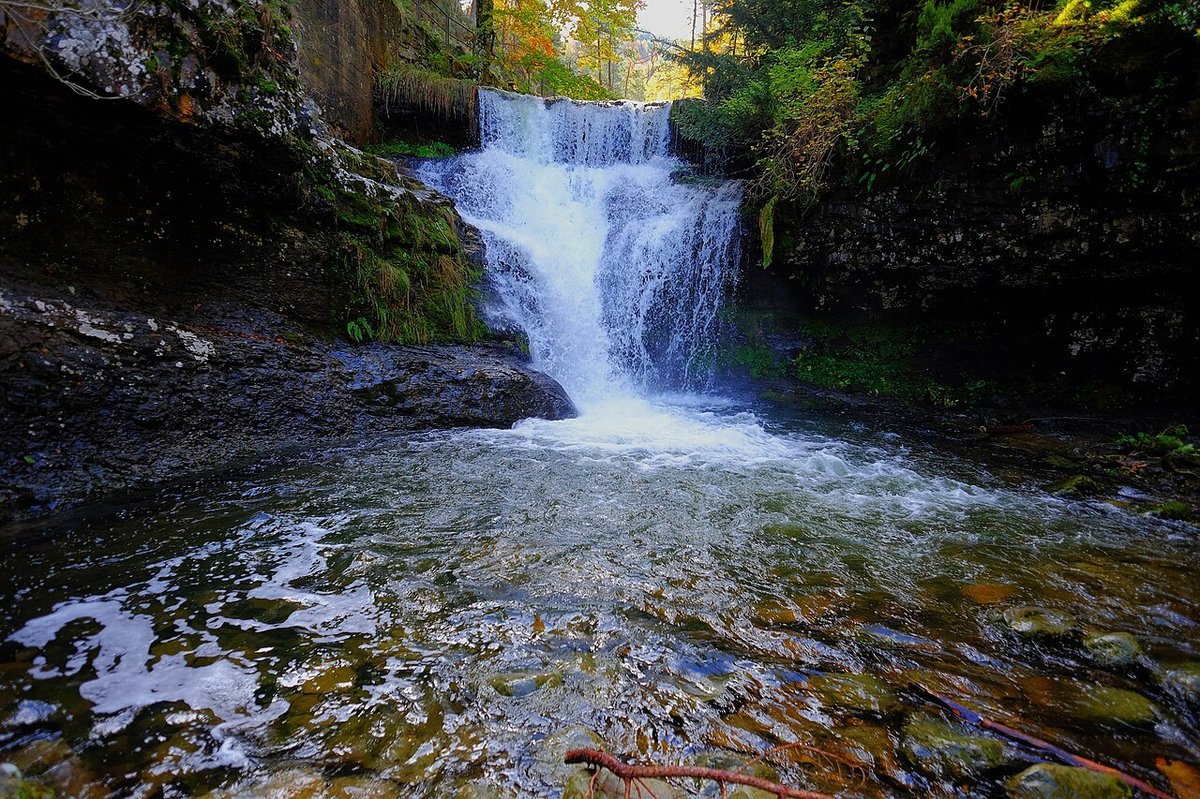
A few minutes on foot from the centre, the banks of the Iregua offer a short and easy walk. The path runs between damp grass and alders, and depending on the season the river can be calm or much livelier. After heavy rain, the water strikes the stones with a deep sound that can be heard even from the centre of the village.
This combination of river, forest and height defines Villoslada. It is a place where the natural setting is not a backdrop but the main reason to come.
Paths into the Sierra de Cebollera
Many people travel to Villoslada de Cameros because of the mountains that surround it. From here, several routes head into the natural park and its forests. Some are gentle walks along the valley floor, while others climb towards much higher ground.
The ascent to Pico Cebollera, which rises above two thousand metres, is a different undertaking altogether. It is not a short stroll. Careful planning is essential: calculate the hours of daylight, take suitable equipment and check the weather before setting out. In this range the climate can change quickly, and mist sometimes appears without warning.
When the cold arrives, the higher areas accumulate snow. Some mountaineers return to these same paths with snowshoes or touring skis. In autumn, by contrast, it is common to see people searching for mushrooms in the surrounding pine and beech woods, always with the caution that the mountains demand.
The appeal of these routes lies in their variety. One day might mean a quiet walk beneath beech trees, another a steady climb towards open ground with wide views. The village acts as a natural starting point, with the valley opening out in one direction and the sierra rising in the other.
If you only have a short time
For those passing through Villoslada de Cameros with limited time, it is enough to wander unhurriedly through the centre and make your way down to the river. In around an hour, the main streets can be explored and it becomes clear how the village is organised between the road, the valley and the climb towards the mountains.
With a little more time, the interpretation centre at the entrance helps make sense of the scenery all around. It explains why there is so much beech forest here, how the woods change with altitude, and which paths leave from the valley. Even a brief visit provides useful context for what might otherwise seem like simply a stretch of trees and hills.
Villoslada does not rely on grand monuments or busy squares. Its interest lies in how everything fits together: the houses clustered near the Iregua, the church of San Pedro watching over the rooftops, and the forest pressing close to the edge of the settlement.
When the Sierra shows its colours
Autumn is usually the most striking season in Villoslada de Cameros. For a few weeks, the beech woods of the Sierra de Cebollera change colour and the valley fills with yellow and copper tones. It is a popular time for walking in the park, so visiting during the week or setting out early in the day can make the experience quieter.
Summer brings long, pleasant days for walking, though the temperature drops noticeably at night. Even in August, a jacket is useful once the sun has gone down. The altitude makes itself felt after dark.
Winter often brings snow. At times the road remains clear, but it is sensible to check conditions before heading up into the sierra. The landscape takes on a different character then, with the higher ground covered in white and the routes demanding more preparation.
Each season shifts the balance of the place. Autumn draws attention to the colour of the beech trees. Summer encourages longer walks along the valley and into the park. Winter emphasises the mountain setting and the need to respect it.
Before setting off
Villoslada de Cameros can be seen quickly if the visit is limited to the village itself. The real interest lies in the surrounding territory: valleys, beech forests and paths that lead deeper into the Parque Natural Sierra de Cebollera.
Exploring the area at a relaxed pace generally requires a car. Many routes begin some distance from the centre and call for a degree of prior planning. Arriving without hurry, and with proper walking boots, makes all the difference. It soon becomes clear why this valley remains one of the quieter gateways to the Sierra de Cebollera.
In Villoslada, the experience is shaped less by a checklist of sights and more by the rhythm of the river, the cool air at dusk and the steady presence of the forest.