Full Article
about Grávalos
Known for its mineral-medicinal spa; set in the Yerga mountains.
Hide article Read full article
A Village That Changes Your Pace
Some places quietly ask you to slow down, and Grávalos is one of them. Tourism here does not revolve around ticking off sights. You arrive, park, take a couple of steps and might wonder if that is all there is. In a way, it is. And yet it is not.
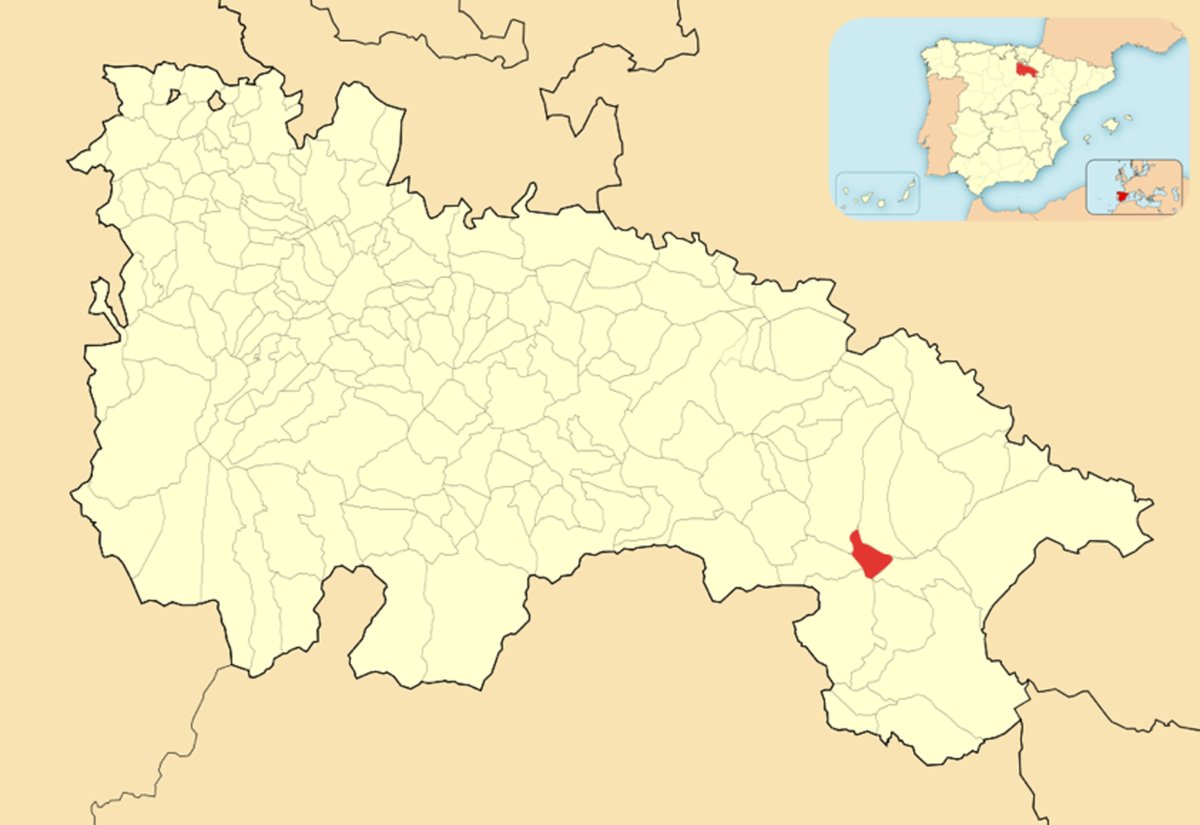
Set in the Cervera del Río Alhama area, this small village works differently from places you come to “see”. It feels more like a short walk you did not expect much from but that leaves you better than it found you.
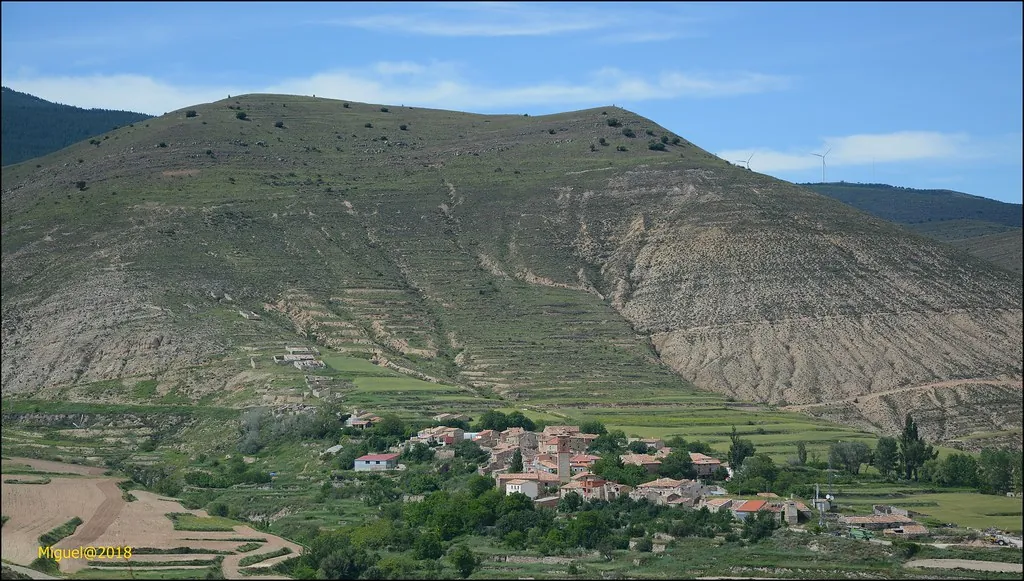
At around 770 metres above sea level and with fewer than 200 residents, Grávalos remains closely tied to the land. The fields begin almost at the edge of the houses, shaping the whole atmosphere. Rural life here is not a backdrop. It has sustained the village for generations, and that presence is still obvious.
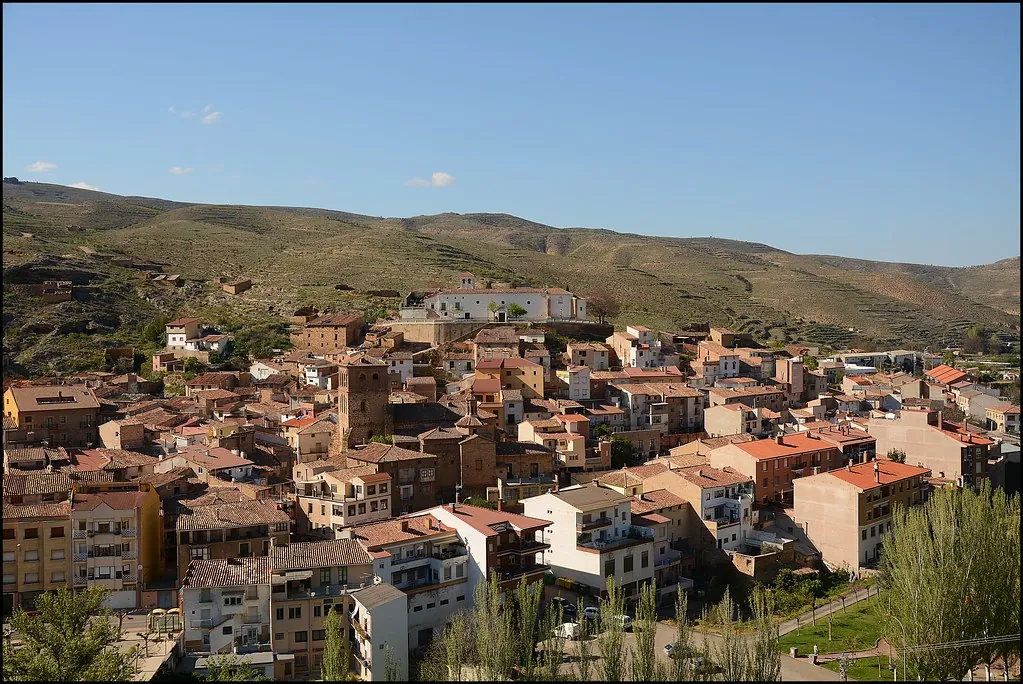
The streets do not ask for a map. You wander through narrow lanes lined with stone and adobe houses, heavy doors that seem to have stood for decades or more, and wooden balconies, some carefully restored over time. There is no strict layout. The village grew according to the terrain and the needs of those who built it, which becomes part of its appeal when you take your time.
Everywhere there are small contrasts that hint at more recent history: a renovated façade beside one that keeps its original look, old barns adapted to new uses, courtyards opening unexpectedly between houses. Nothing feels staged.
The Church and the Open Landscape
The parish church of San Pedro is the building that stands out most as you move through the centre. It is not monumental, but it has the solid presence typical of inland churches. Thick walls, simple lines and a bell tower that can be spotted from several points in the village give it a quiet prominence.
Around the church, the connection between Grávalos and its surroundings becomes clear. A few steps are enough for the village to open directly onto the fields. There is no sharp boundary between streets and rural tracks. One simply blends into the other.
If you feel like walking a little further, several paths lead out across the crops and the gently rolling land nearby. It does not need to be a long route. Half an hour on foot already gives a good sense of the setting: cereal fields stretching out in neat plots, the occasional olive tree, and a kind of silence that is only interrupted when a bird of prey passes overhead or a partridge darts through the scrub.
It is a landscape that does not try to impress. Its interest lies in how naturally the village sits within it.
A Short Walk That Makes Sense
Grávalos does not require a carefully planned itinerary. In fact, it works better without one.
A simple approach is to walk in through the main streets, paying attention to the materials and the small details that are easy to miss when in a hurry. From there, circle around the area of the church and look for one of the paths that lead out towards the surrounding countryside.
From a nearby rise, and there is no need to climb far, you can take in the overall layout. The compact cluster of houses sits clearly defined, with the straight lines of cultivated land extending out towards the hills.
It does not take long to see the village, but in that short time you begin to understand how it fits into this part of La Rioja. The relationship between built space and farmland is immediate and easy to read.
Common Mistakes to Avoid
One of the most frequent missteps is arriving in the height of summer around mid-afternoon. The sun can be intense, and the streets offer little shade, which takes away much of the enjoyment of walking around.
Another common oversight is staying only within the village centre. Grávalos makes more sense when you step outside it, even if just for five or ten minutes. Those short walks into the surrounding paths reveal how closely tied it is to the land.
There is also a practical detail worth keeping in mind. The streets are narrow, and driving right into the centre can mean more manoeuvring than expected. It is usually easier to leave the car in a more open area on arrival and continue on foot.
What Grávalos Really Is
Grávalos is not a destination for grand monuments or a long list of activities. If that is what you are looking for, it will likely feel limited.
Where it fits naturally is as a quiet stop while travelling through the Cervera del Río Alhama area or the inland parts of La Rioja. A short walk, some time spent looking out over the fields from the edge of the village, and little else.
It does not try to impress, and that is precisely why it feels genuine. The appeal comes from its simplicity and from the way everyday rural life still shapes the place.
Practical Notes
The road leading to Grávalos from Cervera del Río Alhama is a secondary one with a few gentle bends, typical of this part of La Rioja, and it is straightforward to follow.
It is not a destination designed for a multi-day stay, so it tends to work best as part of a wider route through the area. In warmer months, carrying water is a good idea if you plan to walk beyond the village. Shade is scarce outside the built-up area, and fountains are not common along the paths. When the sun is strong, you notice it quickly.