Full Article
about Igea
Noted for its paleontological heritage; home to the Centro de Interpretación de Icnitas and a Renaissance palace.
Hide article Read full article
A Small Village with Prehistoric Footprints
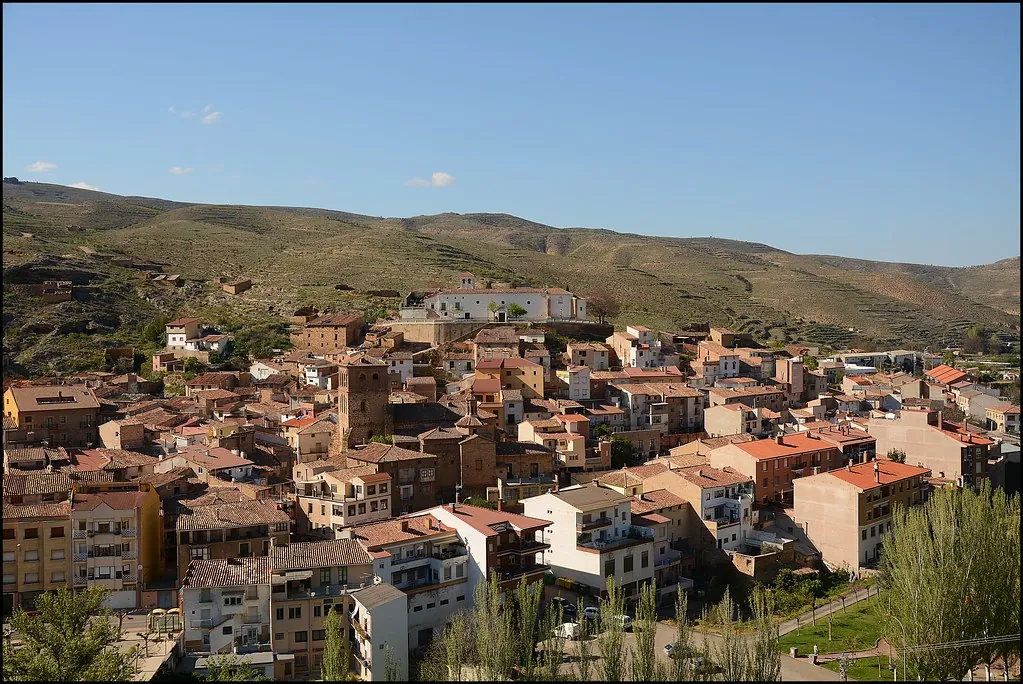
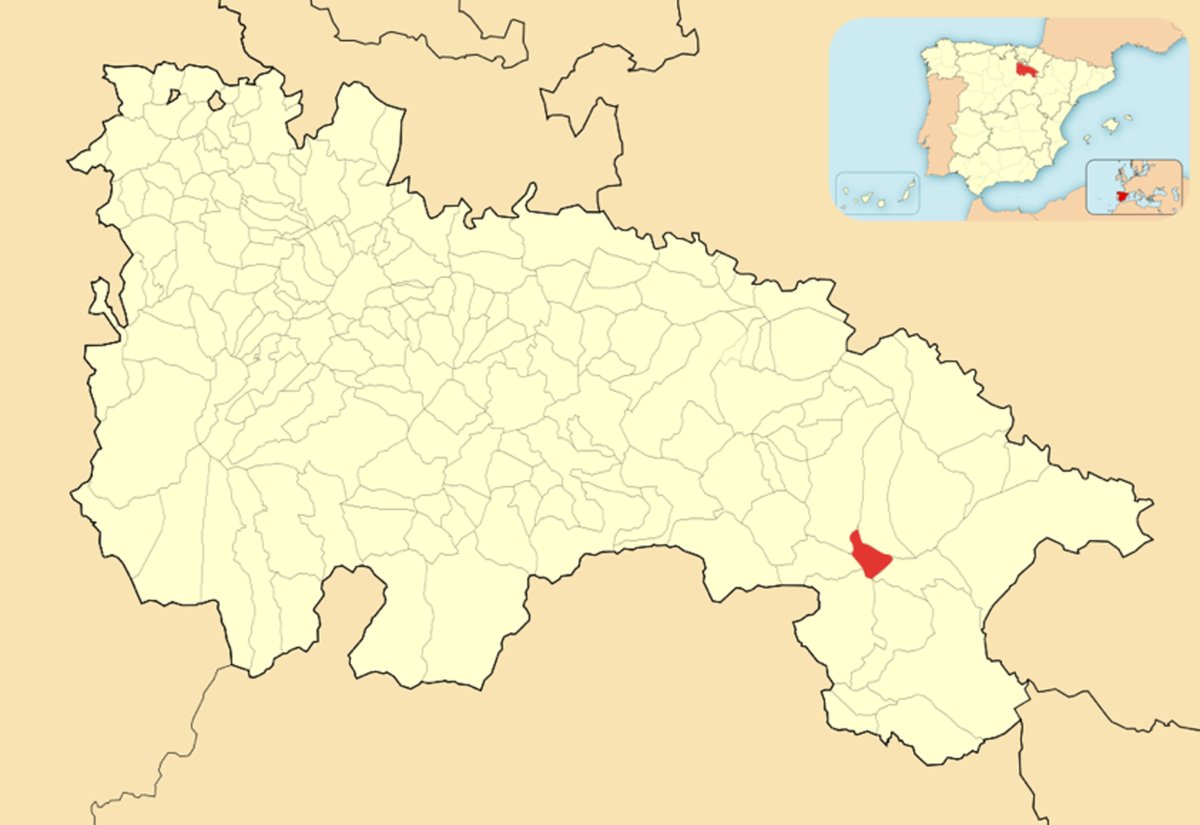
Igea is the kind of place you can see quickly if you are coming mainly for the dinosaur footprints. The village itself is small and quiet, set in the comarca of Cervera in the south-east of La Rioja. Many visitors arrive, look at two or three sites with icnitas, fossilised dinosaur tracks, and leave again within a few hours.
If the subject interests you, it is worth slowing down and spending more time on the surrounding paths. The landscape and the different sites begin to make more sense when seen together rather than as isolated stops.
For practical purposes, it is easiest to park in the upper streets of the village and then move around on foot or by car between the various sites. In summer the sun is strong and there is very little shade, so water and a hat are essential. The heat reflects off the rock and can make the visit feel longer than expected.
Igea lies just over an hour by car from Logroño, at the eastern end of La Rioja. The road passes through Cervera del Río Alhama before reaching the village. Public transport options are limited, so most people arrive by car. It is also the most convenient way to move between the different fossil sites scattered around the area.
How to Approach the Visit
The best starting point is the Centro de Interpretación Paleontológica. This small interpretation centre explains how the footprints were formed and what types of tracks appear in the area. With that context, the marks in the rock stop being just shapes and start to tell a clearer story.
Without this introduction, it is easy to look at the stone surfaces and see little more than shallow impressions. For families with children the centre is particularly helpful, but it is equally useful for anyone without a background in geology.
From there, many visitors begin the Ruta de las Icnitas, a signposted route linking several sites close to the village. There is no need to complete the entire route to understand what makes Igea distinctive. Choosing two or three nearby locations is enough to get a solid overview.
Distances between the sites are not huge, but they add up. Some sections follow dirt tracks or footpaths, and the ground can be slippery after rain. Decent footwear makes a difference, especially outside the driest months. In warmer seasons, carrying water is important, as there are long exposed stretches with little protection from the sun.
The Key Sites in and Around Igea
The most well-known spot is La Virgen del Campo, very close to the village centre. Several footprints are clearly visible on the rock surface, and there are walkways that allow visitors to move around the area without stepping on the fossils themselves. It does not take long to see, which makes it a common first or last stop.
The Ruta de las Icnitas connects this and other nearby outcrops. The appeal lies in observing how the tracks appear in different rock layers and settings rather than in any single spectacular site. Patience helps. At first glance, some prints are easy to miss.
In the centre of the village stands the iglesia de San Martín de Tours. From the outside, it looks much like other parish churches in this part of La Rioja. The interior is often closed, so it is best not to rely on being able to go inside. Even so, it provides a reference point within the compact urban layout of Igea.
On the hillside above the village there are also bodegas excavated in earth and rock. Many are closed or no longer in use, but their entrances are still visible from the outside. These underground cellars form part of the traditional landscape and hint at the area’s long connection with rural life and storage practices.
Walks and Views over the Alhama Valley
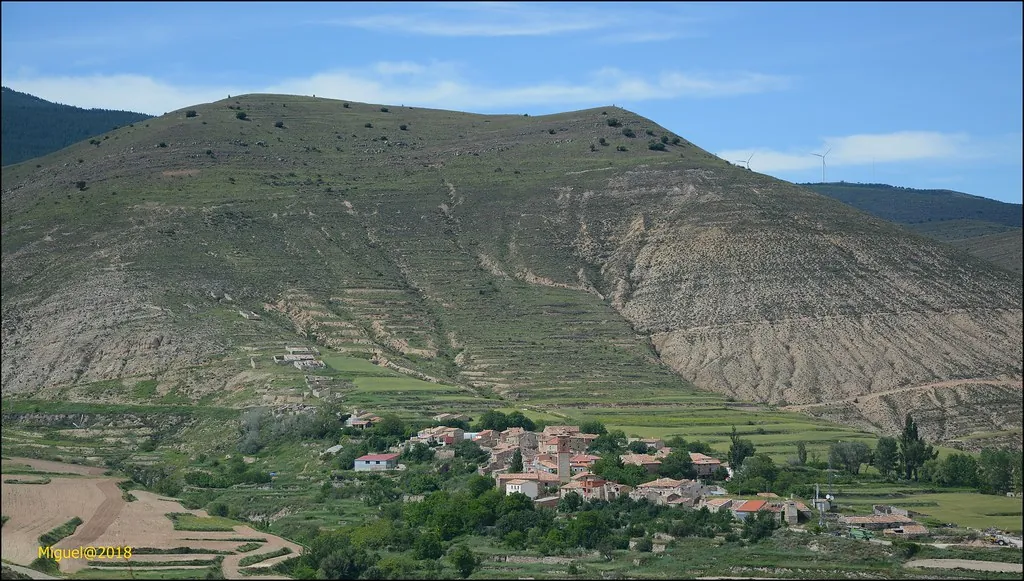
Beyond the fossil sites, there are simple walking routes climbing towards the nearby hills. From higher ground, there are open views across the valley of the Alhama: cultivated fields, low scrubland and small villages scattered across the landscape.
This is not high mountain terrain. The walks are straightforward, but they are exposed and often lack shade. On clear days, the broad views compensate for the effort of the ascent. The sense of space is one of the defining features of the area.
Part of the surrounding countryside can also be explored by bicycle if equipped with suitable mountain tyres. The tracks are not always in the best condition, so a basic level of preparation is advisable. As with walking, the sun and wind can influence how long you stay out.
When to Go and Common Mistakes
Spring and autumn are generally the most comfortable seasons for visiting. Temperatures are milder and walking between sites feels less demanding.
In summer, it is best to come early in the morning or later in the afternoon. Around midday the heat intensifies and the pale ground reflects the sunlight. In winter, conditions depend heavily on the wind. A strong wind can shorten the visit quickly, even if the sky is clear.
There are a few common mistakes. One is assuming that everything is within the village itself. The footprints are spread across the surrounding area, so some movement is required. Another is arriving without water or with very smooth-soled trainers. Wet rock can be slippery.
A final error is trying to see everything in a rush. Even a minimal interest in the subject rewards a slower approach. Reading the information panels and studying the rock surfaces carefully makes a difference. Many tracks are not immediately obvious and only stand out after a closer look.
A simple plan works well: begin at the Centro de Interpretación Paleontológica, choose two or three nearby icnita sites, and explore them without hurrying. That is enough to understand what sets Igea apart within La Rioja and why this quiet village attracts visitors from far beyond its size.