Full Article
about Valdemadera
Remote village in the Sierra de Alcarama; perfect for lovers of untamed nature.
Hide article Read full article
Valdemadera, o cuando el GPS dice que has llegado
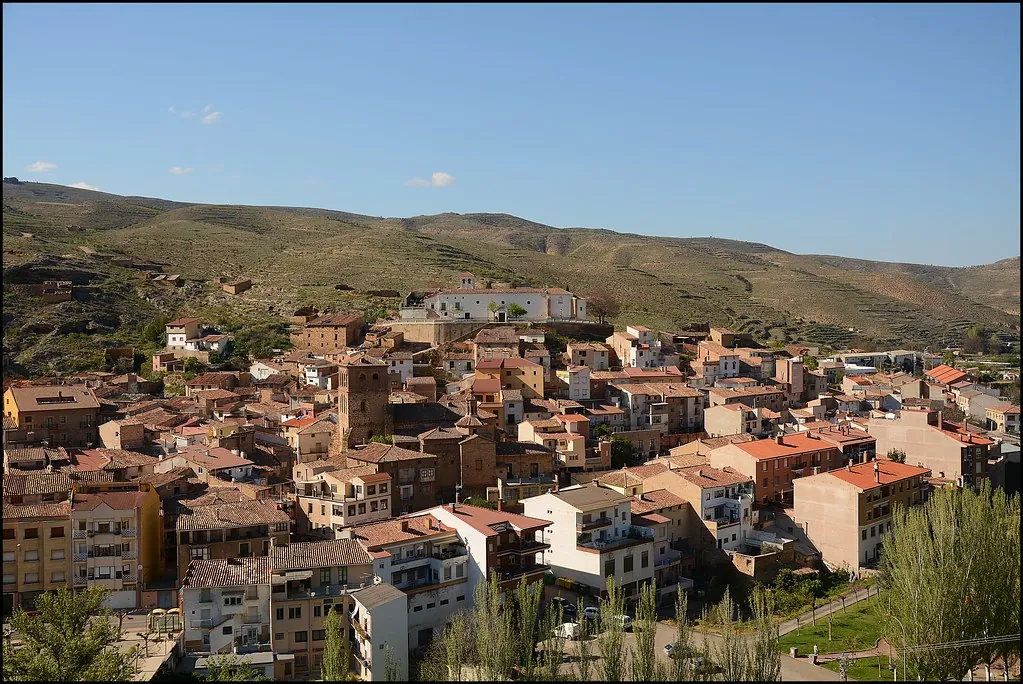
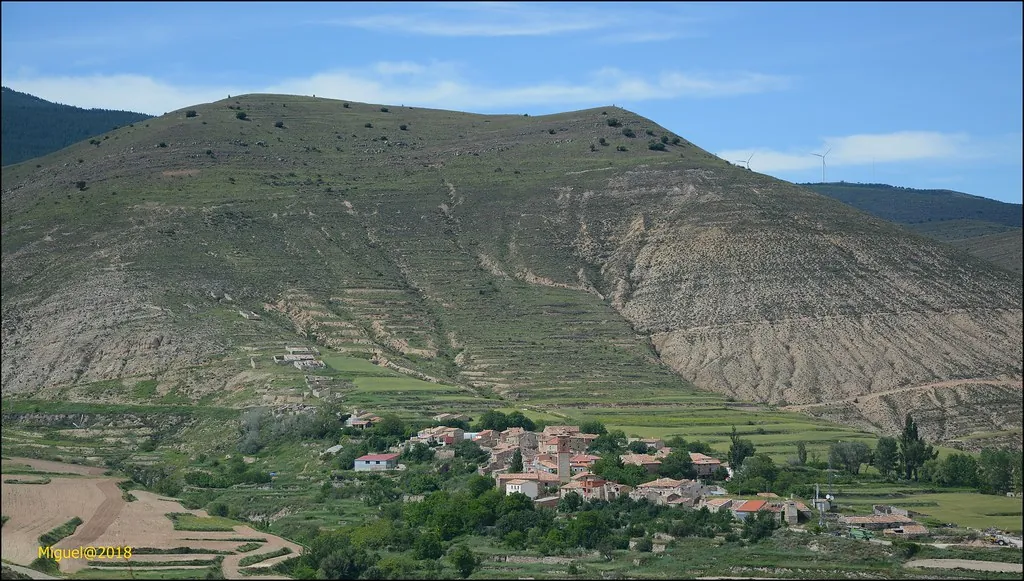
Llegas a Valdemadera y lo primero que piensas es: "¿Y esto es todo?". No es una crítica, es la reacción honesta. Con quince vecinos y una carretera que parece terminar aquí, el pueblo se presenta sin rodeos. No hay arco de entrada, ni cartel fotogénico. Solo un puñado de casas de piedra oscura apretadas contra la cuesta, como si el bosque de la Sierra de la Demanda las estuviera reclamando de vuelta. Es ese tipo de sitio donde apagas el motor y el silencio suena a hueco.
No vengas buscando un plan. Ven porque vas de paso por la sierra riojana y te apetece una parada donde no te cruces con nadie.
Un paseo que se hace en un suspiro
El núcleo antiguo es minúsculo. Literalmente. Puedes recorrer sus dos calles principales en menos de cinco minutos. Las casas son las típicas de montaña: piedra gruesa, vigas de madera ya negra por el tiempo y tejados a dos aguas pensados para que la nieve resbale. No hay restauración vintage ni fachadas pintadas para la foto. Hay algunas viviendas arregladas con cariño y otras con las ventanas cerradas desde hace años. La normalidad de un pueblo que vive a otro ritmo.
La iglesia parroquial es igual de directa. Una nave, piedra vista, una espadaña. Nada más. Es como si los edificios aquí entendieran que no son el protagonista, sino el bosque.
Lo bueno está alrededor (y se nota)
La verdadera razón para estirar las piernas está a los cinco minutos andando desde cualquier punto. Valdemadera está rodeado por bosques de roble y haya. En otoño, es una locura de colores; en primavera, el verde lo llena todo. No son paisajes espectaculares al uso, sino ese tipo de bosque familiar donde caminas escuchando el crujido de las hojas secas bajo tus botas.
Si te fijas en el suelo, verás huellas de corzo o jabalí. Arriba, buitres leonados dibujan círculos en el cielo. Es naturaleza cotidiana, no un safari.
Andar sin complicaciones
Aquí no hay que buscar el inicio de la ruta. Sales del coche y ya estás en ella. Unos senderos salen entre las últimas casas y se pierden entre los árboles o suben hacia los pastos altos. En media hora tienes la sensación genuina de estar en medio de la nada.
El terreno no es difícil, pero tiene sus repechos. La gracia no está en conquistar una cima con vistas épicas, sino en eso: andar un rato, sentarte en una piedra y que lo único que interrumpa el silencio sea el graznido de una urraca.
Un aviso práctico: esto no es un pueblo con servicios para visitantes. No hay bar, ni tienda, ni fuente pública segura. Si piensas caminar, trae tu agua y tu bocata en la mochila. La autonomía es parte del trato.
El tiempo aquí manda
La experiencia cambia mucho con la estación. En primavera u otoño es cuando más brilla; los colores del bosque son intensos y el tiempo suele ser estable. Los veranos son suaves durante el día, pero refresca mucho al anochecer por la altitud. El invierno le da otro carácter: a veces hay nieve, otras la niebla se queda pegada a las laderas todo el día. Es el mismo lugar, pero con distinta luz.
Para no llevarte un chasco
El error clásico es llegar, dar una vuelta relámpago con el móvil en alto e irse. Valdemadera lo permite por su tamaño. Pero así solo ves la cáscara. Dale algo más: camina aunque sea veinte minutos por cualquiera de los caminos. Deja que se asiente esa sensación rara de estar en un sitio donde casi no pasa nada. Esa es justo la clave.
No esperes ambiente turístico porque no lo hay. Es un pueblo serrano pequeño y quieto. Puede que te resulte insufrible o puede que sea justo lo que necesitabas encontrar sin saberlo mientras cruzabas la sierra. A mí me pasa lo segundo