Full Article
about Ábalos
Municipality in the Riojan Sonsierra, known for its wines and wineries; noted for its stone architecture and heraldic houses.
Ocultar artículo Leer artículo completo
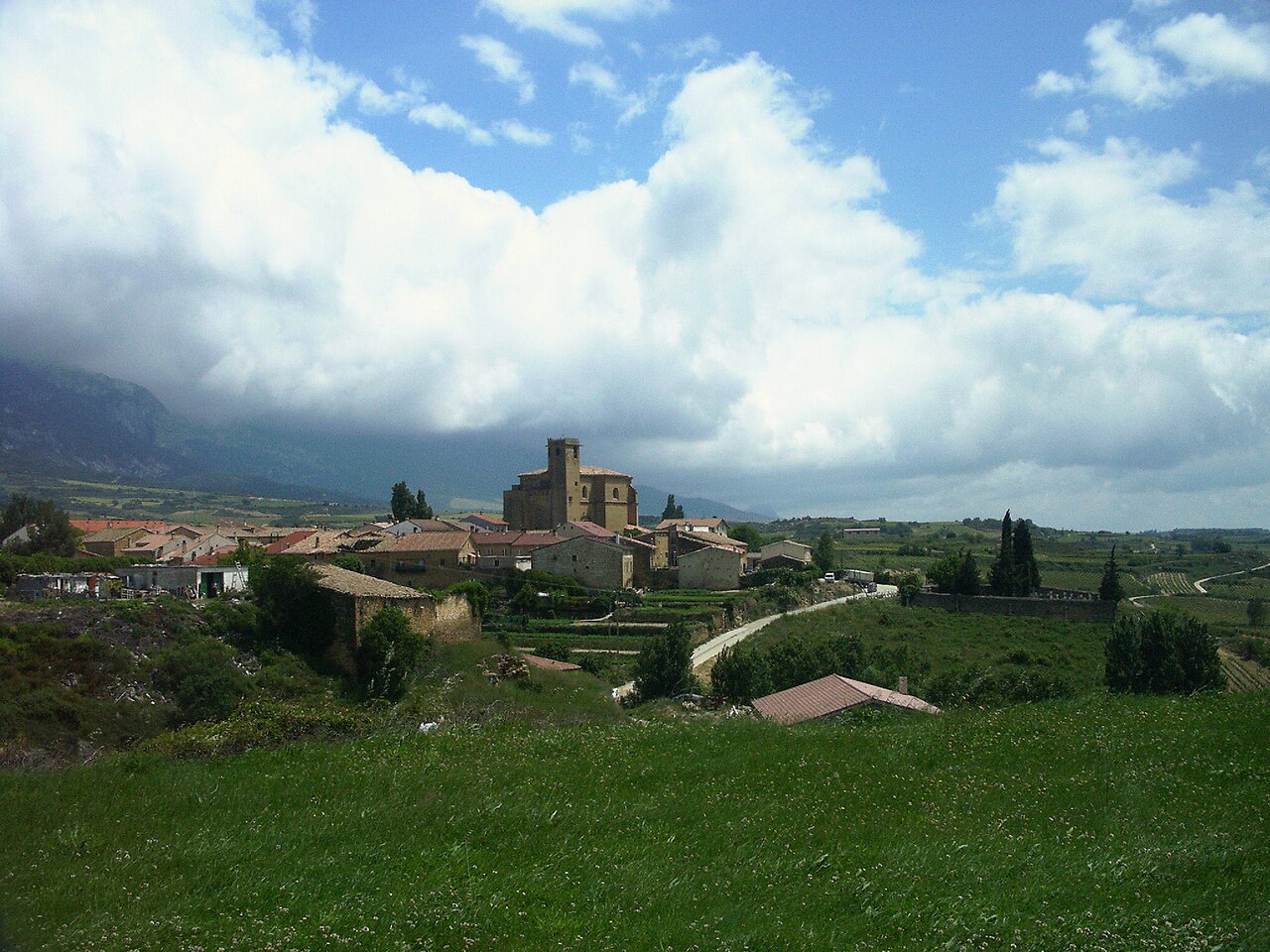
The church bell strikes noon and the only reply is a blackbird somewhere inside the walled cemetery of San Vicente Mártir. At 570 metres above the Ebro valley, sound travels differently; even the tractor two terraces below seems muffled, as though the air itself has thinned. This is the first thing visitors notice in Abalos—not a grand plaza or a honey-coloured arcade, but the quiet that arrives the moment the car engine stops.
Stone, Air and Wine
Abalos sits on the last ripple of the Cantabrian range before the land drops to the river plain. The difference is measurable: summer evenings are four degrees cooler than in Haro, ten minutes down the LR-137, and winter fog can trap the village for days while the vineyards below bask in weak sunshine. Locals time their vineyard walks accordingly; start too late in July and the return climb from the nearest bodega-cueva feels like marching up a chimney.
Those caves—hand-hewn galleries running into the hillside—are still the village’s lungs. Built in the nineteenth century to keep wine at a constant 12 °C, they now store oak barrels, garden tools and, in one case, a vintage Mini Moke. There is no brass plaque, no tasting fee; doors are wooden, some painted the institutional green last seen in British primary schools. Knock if you wish, but accept that the owner may be pruning five kilometres away and silence is the only answer you’ll get.
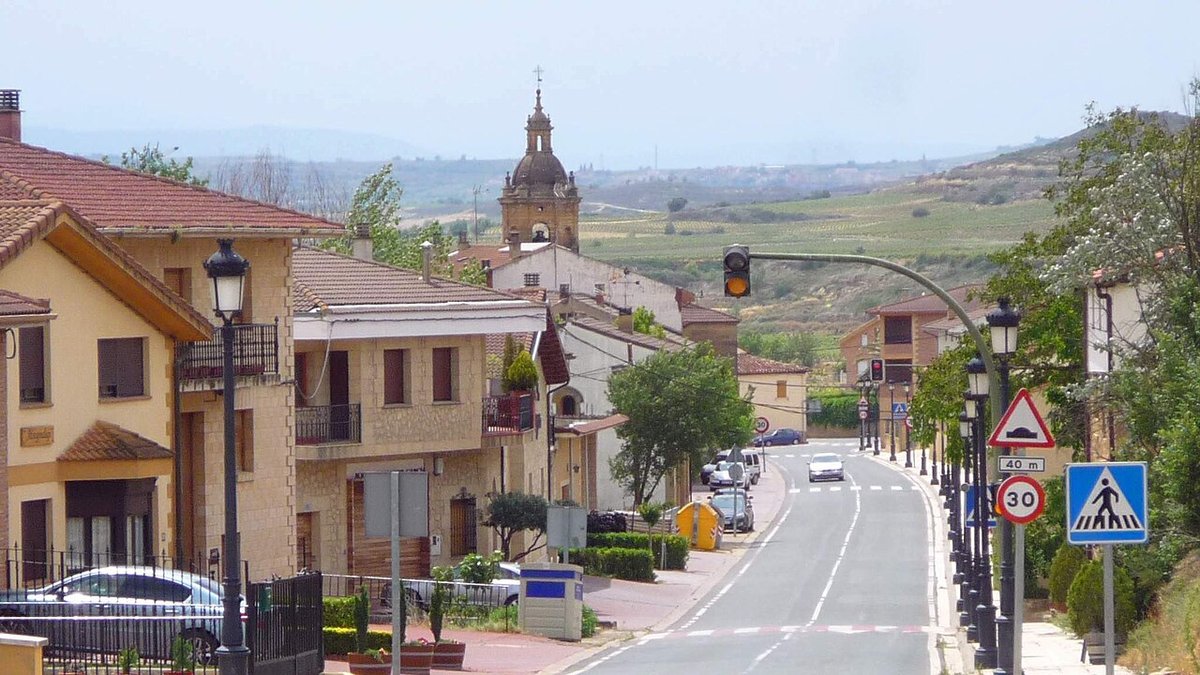
The houses above are squatter than their Rioja Alavesa cousins, roofs of red clay tile weighted with stones against the north wind. Iron balconies are narrow—no room for geraniums—yet every portal seems to contain an elderly Labrador and a pair of worn esparto sandals. Traffic is so light that children still use the street as a slide, polishing the cobbles to a glassy finish that can catch the unwary walker after rain.
A Parish, a Plaza and the Rest is Sky
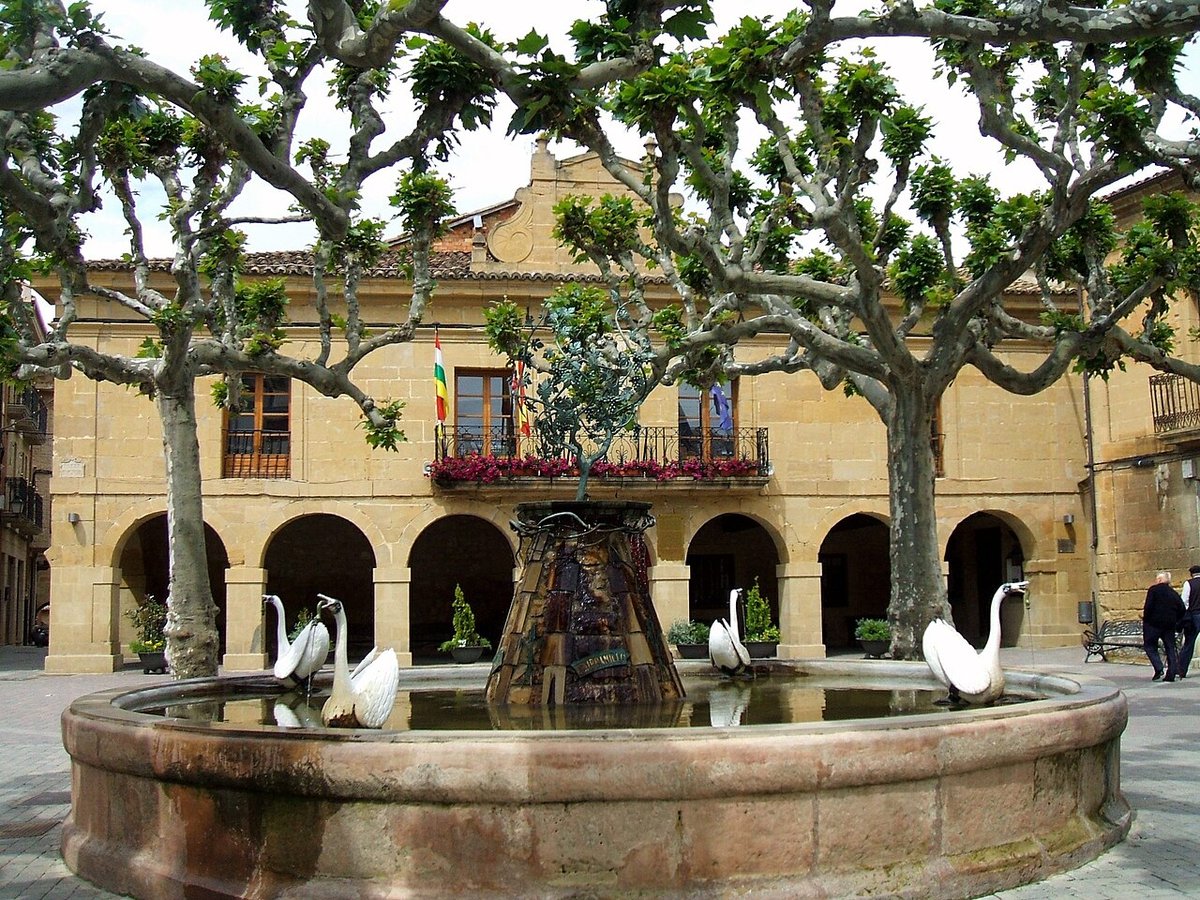
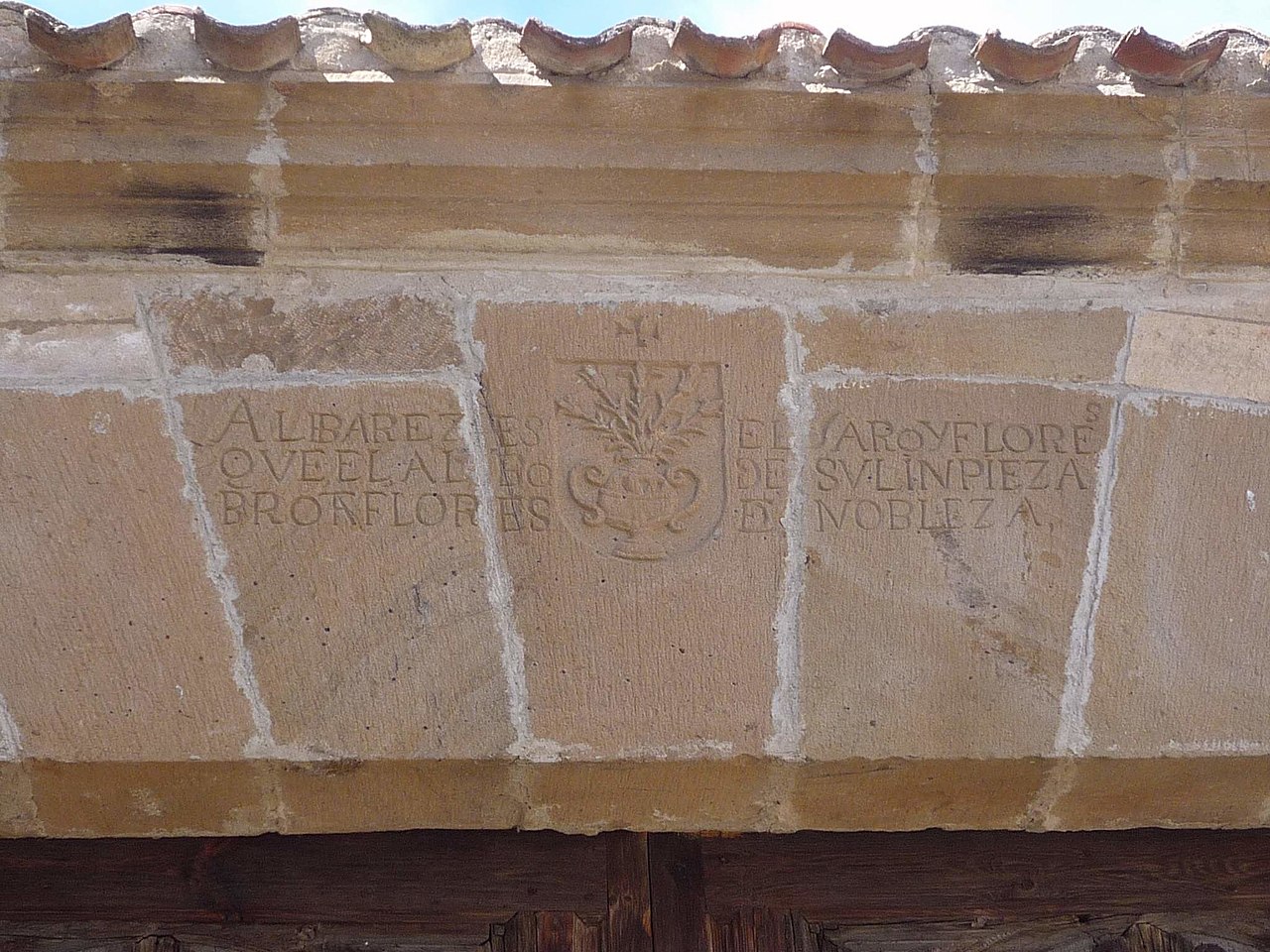
You can circumnavigate the historic core in twelve minutes, but the exercise is misleading. Pause to read the 1769 stone plaque above the bakery (now a private garage) and someone will emerge within seconds, curious whether you are lost or merely foreign. The plaza is barely two benches wide; the town hall occupies a former prison whose cells hold archive boxes instead of malcontents. On Saturdays the ambulante van sells churros from 10:30 till the batter runs out—usually twenty minutes.
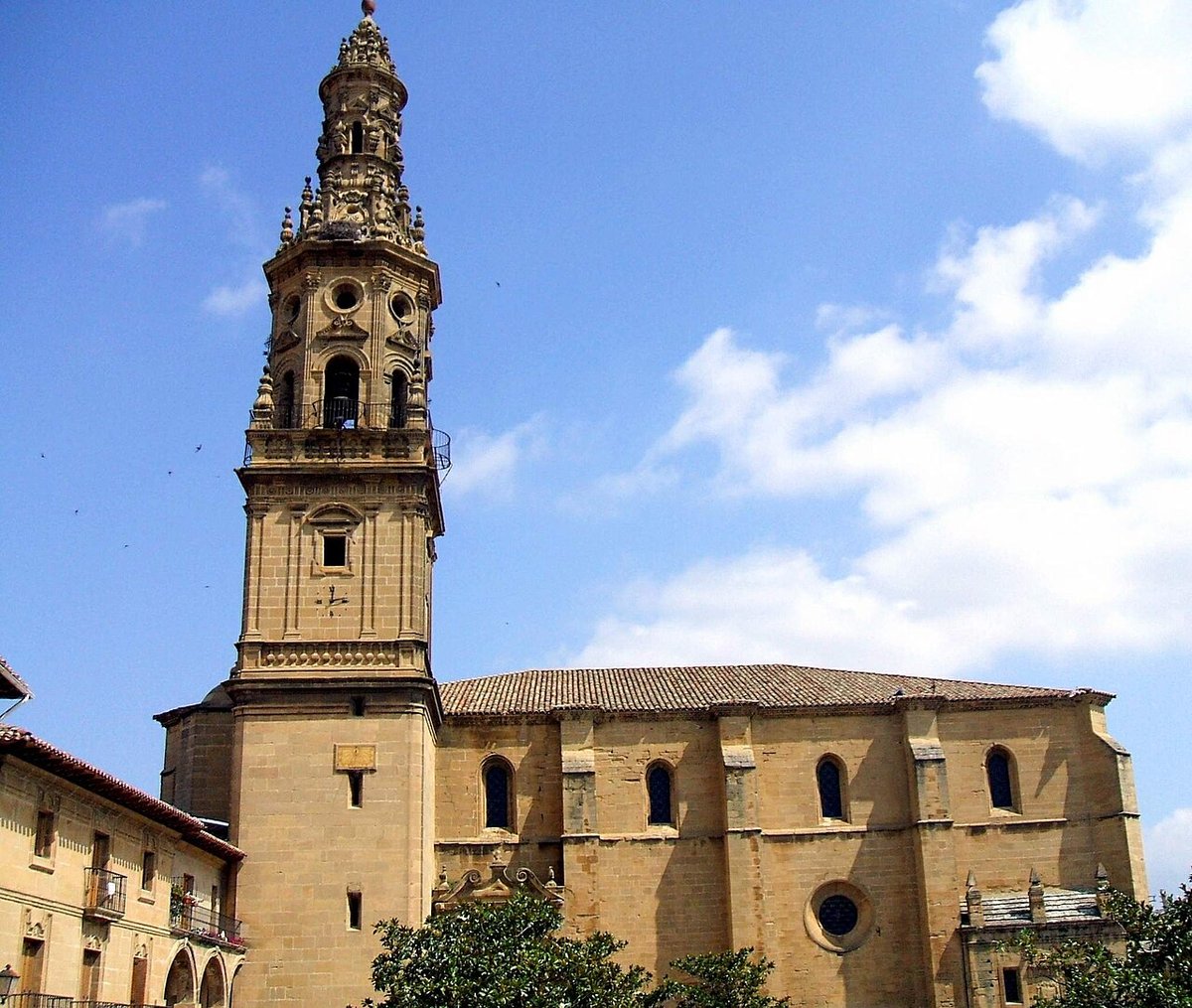
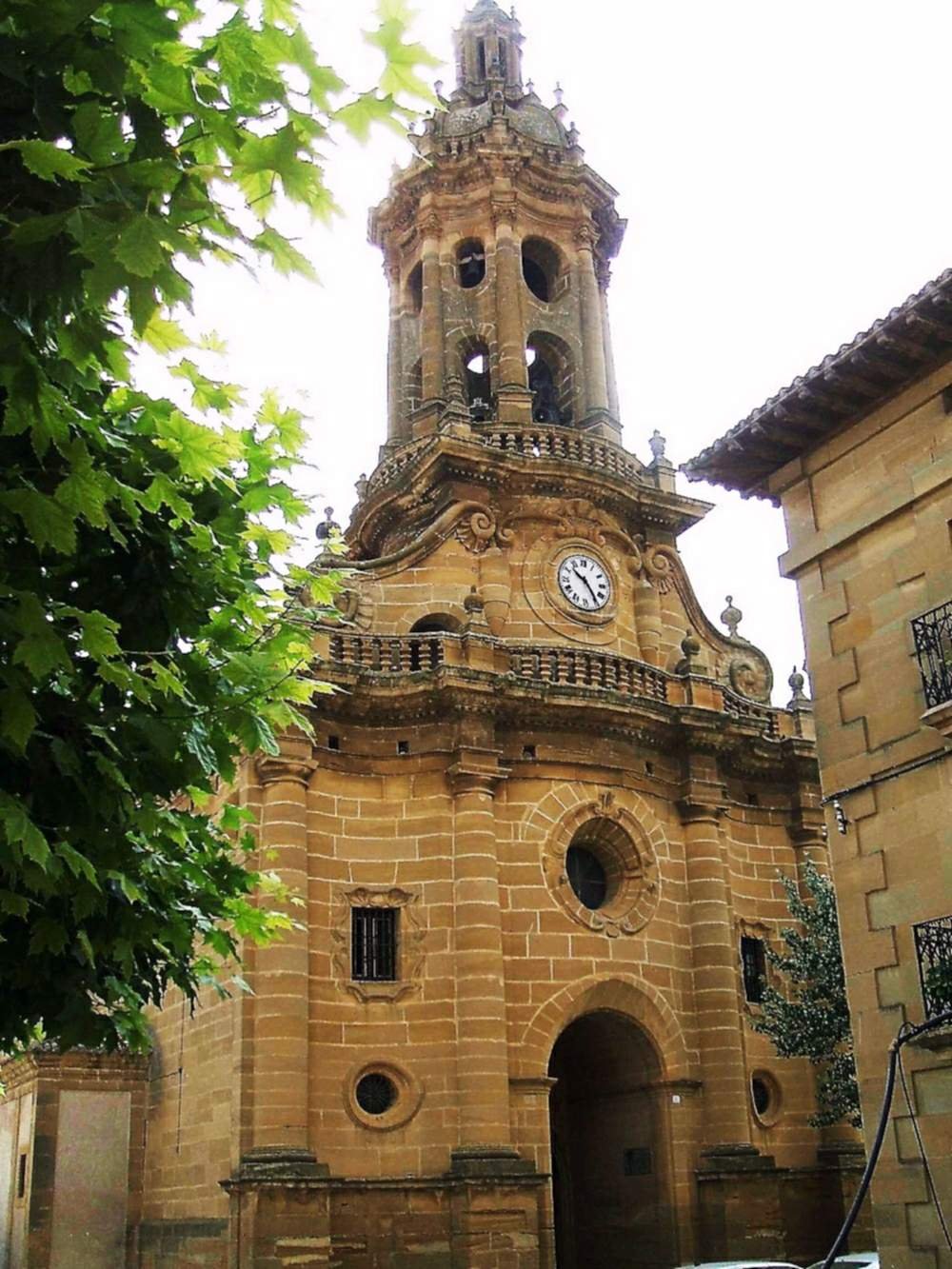
The church itself is open only for mass at 11:00 on Sundays. The rest of the week you peer through wrought-iron grilles at a single baroque altar whose gilt has oxidised to the colour of burnt sugar. Step outside, though, and the building’s true function becomes clear: its shadow tells the time for half the square, allowing vineyard foremen to check their progress without a watch. When the sun slips behind the Sierra de Cantabria the temperature drops sharply; jackets appear as if conjured.
Eating (or Not) in the Clouds
There are three places to eat in Abalos, only one of which cooks at night. Hotel Villa de Ábalos will serve dinner only if you reserve before breakfast; the chef heads home to Logroño once the last chuletón leaves the grill. British visitors have been known to arrive at nine, expectant, and leave with a packet of crisps from the honesty bar. The menu changes with whatever the owner’s wife finds at the Haro market—perhaps pochas beans with clams, perhaps a carbonara requested earlier by a seven-year-old from Surrey. The house wine, Empatía, is bottled across the road and tastes of black cherry with none of the vanilla overload that puts novices off Rioja. A bottle costs €14 to take away, €24 on the table.
Lunch options are equally finite. Bar El Pozo opens at 13:00, closes at 15:30, and serves a fixed menú del día (€14, cash only) that might be roast lamb or might be lentils—ask, don’t assume. There is no vegetarian emblem on the door; explain your requirements and the kitchen will cobble together scrambled eggs with pimientos, but don’t expect tofu. If both venues feel full, the nearest supermarket is a 12-minute drive to San Vicente de la Sonsierra, handy for picnic bread and cheese though woefully short on oat milk.
Trails, Mud and the Sound of Your Own Heartbeat
Three waymarked paths leave the upper streets; the shortest climbs 120 metres to an abandoned shepherd’s hut in twenty-five minutes, the longest follows stone muletas (dry-stone walls) for 8 km along the ridge. Spring brings purple limodorum orchids among the pines; after October the same route can be glazed with hielo negro, transparent ice that renders every step a lottery. Proper boots are non-negotiable; the village pharmacist does a brisk trade in elastic bandages every time a British hen party attempts the circuit in white trainers.
Even the gentlest vineyard loop offers altitude shock. Starting at the fuente de Carrera (elevation 580 m) you descend among tempranillo vines to 450 m, then climb back past a ruined casilla where harvest workers once sheltered. The round trip is 4 km, but the 130-metre re-ascent at midday can feel alpine. Take water; there are no fountains beyond the first terrace, and the barking dog behind the stone wall is all bark, no bite—usually.
When to Come, When to Stay Away
April and May deliver daylight until 21:00 and vines so luminous they seem back-lit. The village holds its fiesta on the last weekend of April: one brass band, one paella pan three metres wide, and a paquete of fireworks that rattles round the valley like defective artillery. Accommodation doubles in price; book six weeks ahead or sleep in Haro and drive up for breakfast.
August is reliable sun, but the southerly solana wind can push temperatures past 38 °C. Rooms in Hotel Villa de Ábalos stay at 22 °C without air-conditioning thanks to metre-thick stone, yet the Wi-Fi overheats and vanishes. Rain is rare but torrential; gullies turn to chocolate mousse within minutes and the LR-137 is occasionally closed by fallen rock. Check the MeteoRioja app before setting out; “yellow alert” means carry a coat, “red alert” means stay in Bilbao.
November brings vendimia aftermath—smell of crushed grapes, trailers stacked with crates, and the odd chance to help a neighbour pisar the harvest for a day. Payment is lunch and two bottles of last year’s wine; accept only if your back survives squelching knee-deep in juice while local grannies laugh at your technique.
Practicalities Without the Brochure Talk
Getting here: Fly to Bilbao, pick up a hire car, swing south-west on the AP-68 for 75 minutes, then climb the LR-137 for 12 km. The final stretch is single-track in places; pull in at the passing bays and flash your lights—the lorry always has right of way. There is no petrol station in Abalos; the nearest pumps are in San Vicente (9 km) or Haro (13 km). Fill up before 20:00 or you’ll discover Spanish garages close earlier than British ones.
Money: No ATMs. The hotel takes cards, Bar El Pozo does not. Bring cash in Laguardia or risk washing dishes.
Parking: Guests at Hotel Villa de Ábalos use a gated courtyard; everyone else parks along the upper ring road. Avoid blocking cellar entrances—tractors need a 3-metre turning circle and owners have been known to deflate rude tyres.
Families: Cots are available, but request when booking; the owners have only two. A children’s menu exists only in the sense that the kitchen will grill a plain chicken breast; ask at breakfast or forever hold your peace.
The Last Glass
Abalos will never feature on a “Top Ten Rioja Towns” list, and the villagers prefer it that way. Come for the silence between rows of vines, the smell of fermenting grapes drifting from a half-open cave, the realisation that the sierra you photographed at noon has turned mauve by the time you finish your coffee. Leave before you need museums, taxis or soya lattes—none are forthcoming. The reward is an evening walk along a lane where the only light is the moon glinting off 500-year-old slate and the only soundtrack your boots crunching limestone. Turn back when the temperature hits single figures; stone keeps cool, but it also keeps cold, and the car heater will take five minutes to remember what you both came here for.