Full Article
about Anguciana
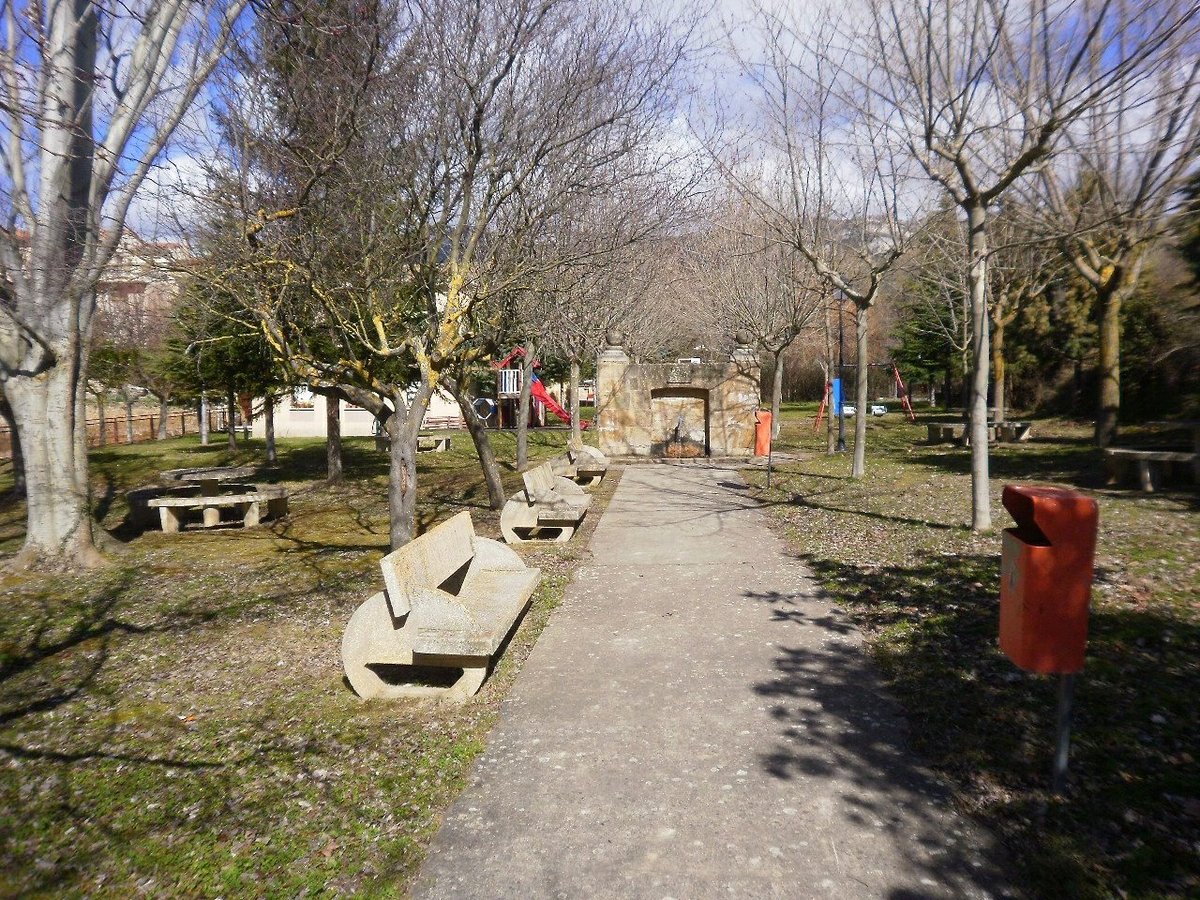
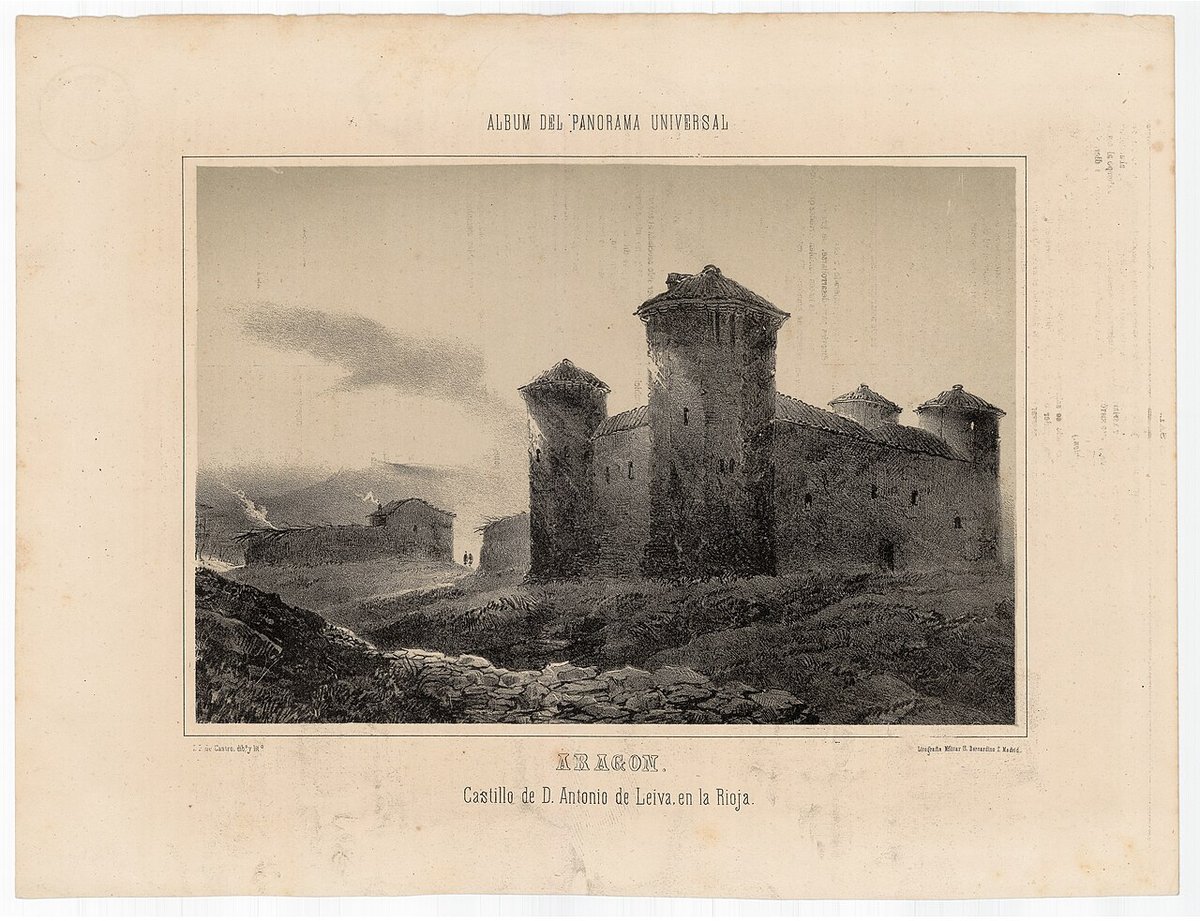
Town on the Tirón river, noted for its medieval keep and riverside picnic spots.
Hide article Read full article
At ten in the morning, the streets of Anguciana hold on to an unusual quiet. A blackbird sings from a rooftop and, when a car passes, its tyres make a dry crunch against the old paving. People come here to walk without hurry, to look around, and quickly realise that daily life is shaped more by the vineyard than by visitors.
Its proximity to Haro means many travellers arrive almost by chance, moving between wineries and regional roads. Even so, Anguciana keeps its own rhythm: short streets, low buildings, and a faint winery scent that drifts in when the breeze comes from the fields.
Un pueblo entre viñas
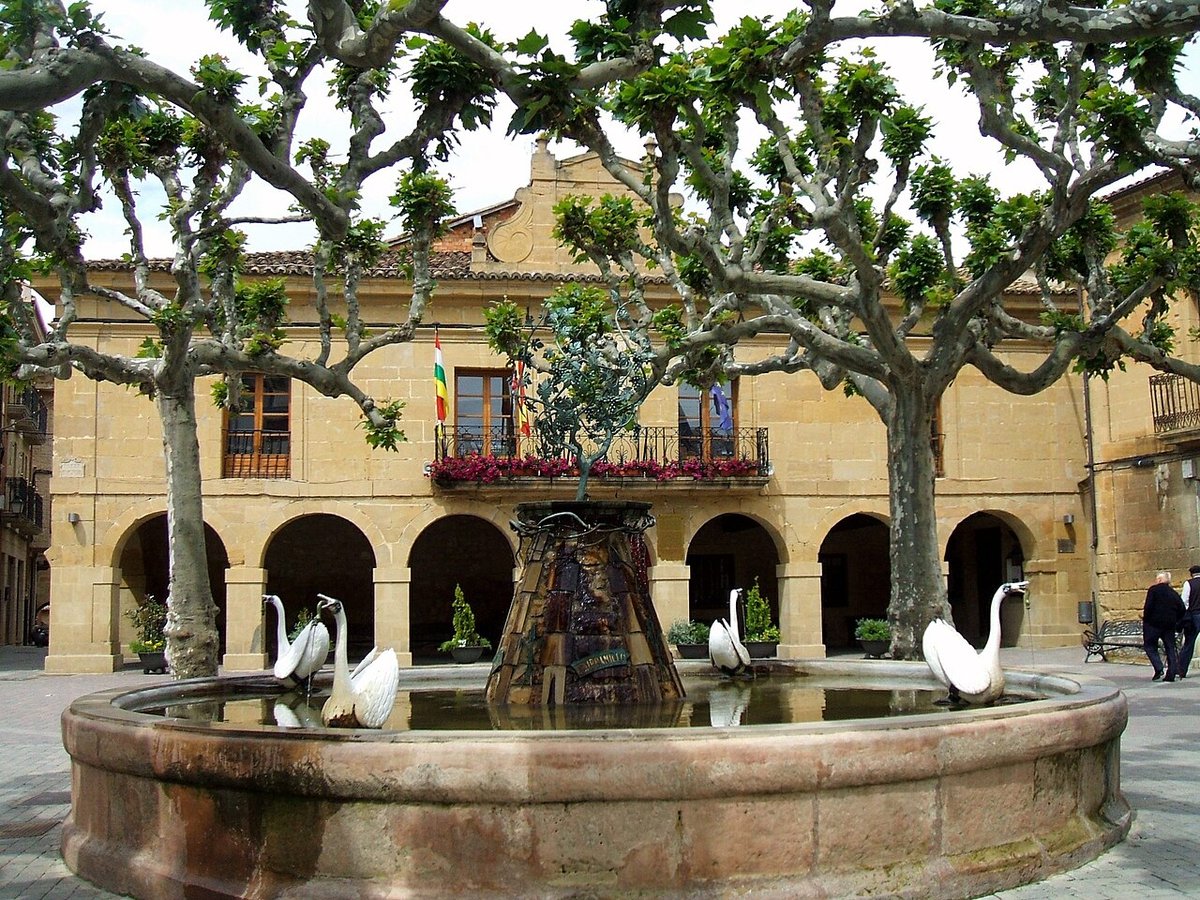
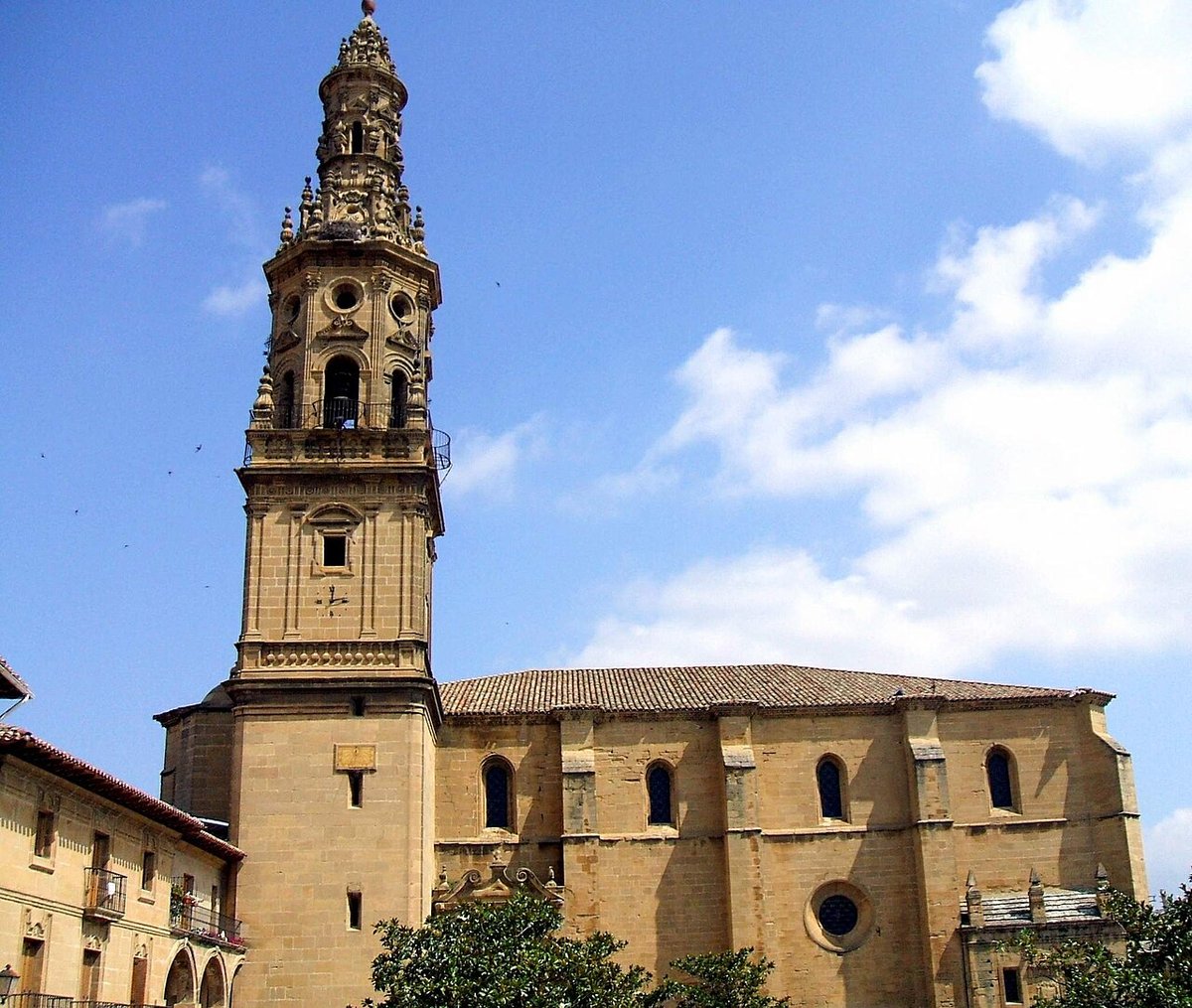
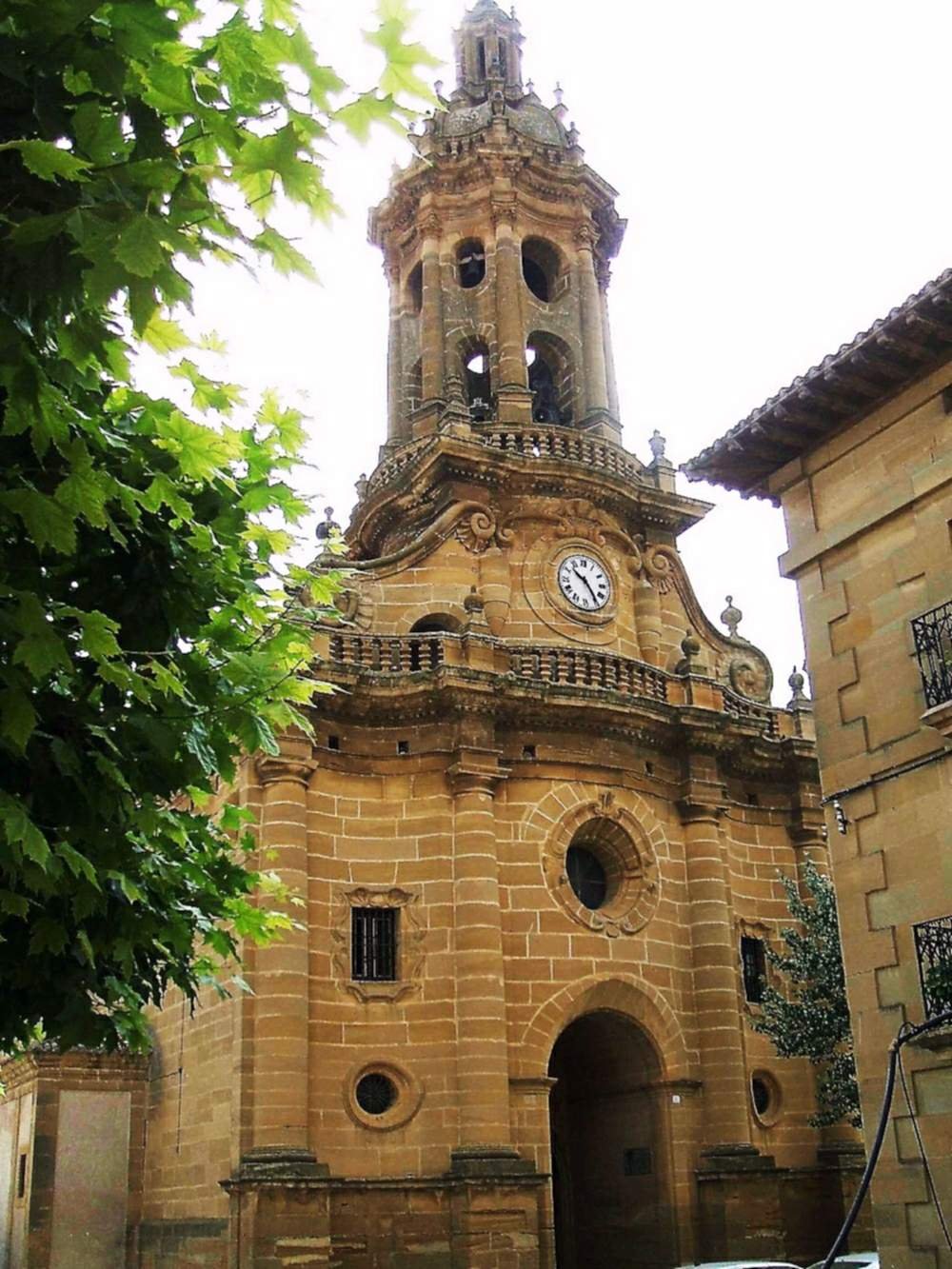
El pueblo se ordena en torno a la Plaza Mayor. Ahí está la iglesia de San Martín de Tours, una construcción de piedra levantada hace siglos. Su torre sobresale por encima de los tejados y sirve de referencia; desde casi cualquier callejuela se ve, así que orientarse es sencillo incluso sin plano.
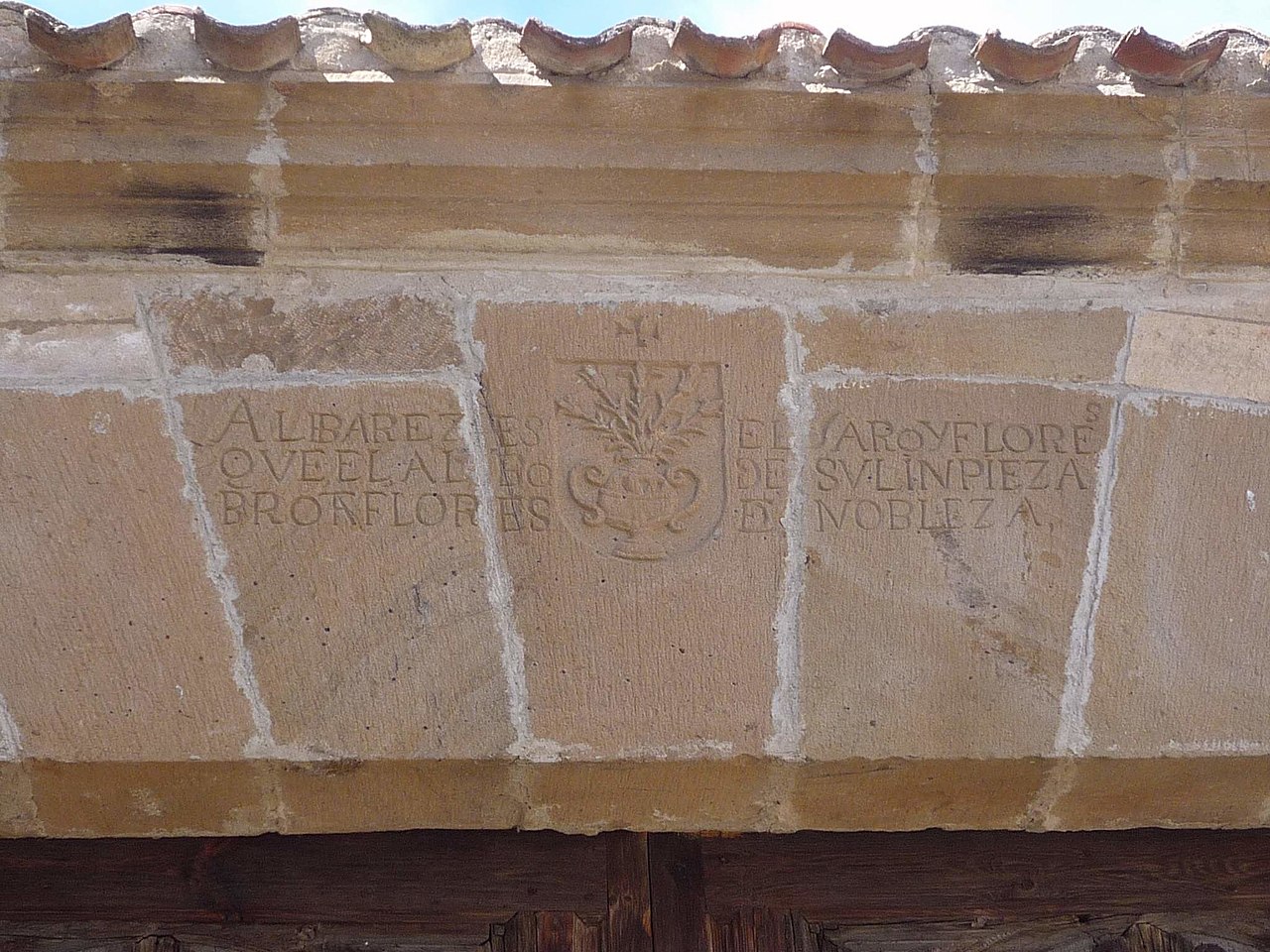
Las casas combinan piedra, ladrillo y un enfoscado pálido que el sol ha ido matizando con los años. Algunos balcones conservan la forja antigua, otros tienen macetas regadas a primera hora. Los aleros de madera proyectan sombras cortas a media mañana, y de cerca se aprecia la veta oscura de la madera vieja.
No es un casco histórico preparado para la visita. Algunas viviendas están restauradas con cuidado, otras esperan todavía su turno. El contraste se nota en cuanto te metes por cualquier calle lateral.
En las afueras hay pequeñas bodegas subterráneas. Muchas son de uso particular o familiar. La mayoría no están abiertas al público, porque forman parte del trabajo diario, no de un circuito turístico. Conviene saberlo antes de llegar.
Si sales más allá de las últimas casas, el paisaje cambia rápido. Los bancales de viña empiezan casi de inmediato, alineados con una precisión cuidadosa, como si la tierra hubiera sido peinada en hileras rectas. En primavera las hojas tienen un verde intenso. En otoño, los amarillos y rojos se extienden por los campos hasta donde alcanza la vista.
Caminar por los caminos agrícolas
El plan más sencillo es también el más común: salir a pie por los caminos agrícolas que rodean Anguciana. Son pistas anchas, de tierra clara, que cortan entre parcelas de vid y pequeños terrenos bordeados por muretes bajos.
A primera hora de la mañana o al final de la tarde, el campo se siente distinto. La luz llega lateral, las sombras de las cepas se alargan sobre la tierra y el aire suele traer olor a polvo seco y vegetación. Los días tranquilos, el único sonido puede ser un tractor a lo lejos.
No hace falta buscar rutas señalizadas. Basta con dejar atrás el casco urbano y seguir una de esas pistas rectas que desaparecen entre viñedos. Desde algunos cruces se ve el pueblo entero: la torre de la iglesia, un puñado de calles y alrededor una alfombra continua de viña.
Para quien tenga interés en el vino, en los alrededores funcionan bodegas familiares pequeñas. Algunas hacen visitas ocasionales, aunque conviene confirmarlo antes. Muchas se dedican solo a la producción y no tienen horario para recibir.
Un paseo corto y práctico
Una hora suele bastar para recorrer el centro sin prisa. Desde la plaza puedes bordear el pueblo y en pocos minutos alcanzar los caminos que discurren entre las viñas.
Un paseo sencillo de media hora entre cepas permite ver el pueblo desde fuera y entender mejor el paisaje que lo determina. Si hace calor, es sensato llevar agua y calzado cómodo. En verano, los caminos de tierra se vuelven muy polvorientos, y tras la lluvia pueden quedar ligeramente embarrados.
Cuándo ir
Primavera y otoño son generalmente las estaciones más agradables para caminar por los alrededores. En primavera las cepas brotan y los campos tienen un aspecto especialmente vivo. El otoño trae tonos cálidos y el movimiento de la vendimia.
El verano, sobre todo al mediodía, puede ser exigente. La sombra escasea en los caminos y el sol cae directo sobre los bancales. Si se visita en esa época, es mejor salir temprano o esperar a última hora de la tarde.
En invierno el paisaje cambia por completo. Las viñas quedan desnudas y el campo adopta un tono más austero.