Full Article
about Briñas
Ebro-side village with medieval charm, ringed by vineyards near Haro.
Ocultar artículo Leer artículo completo
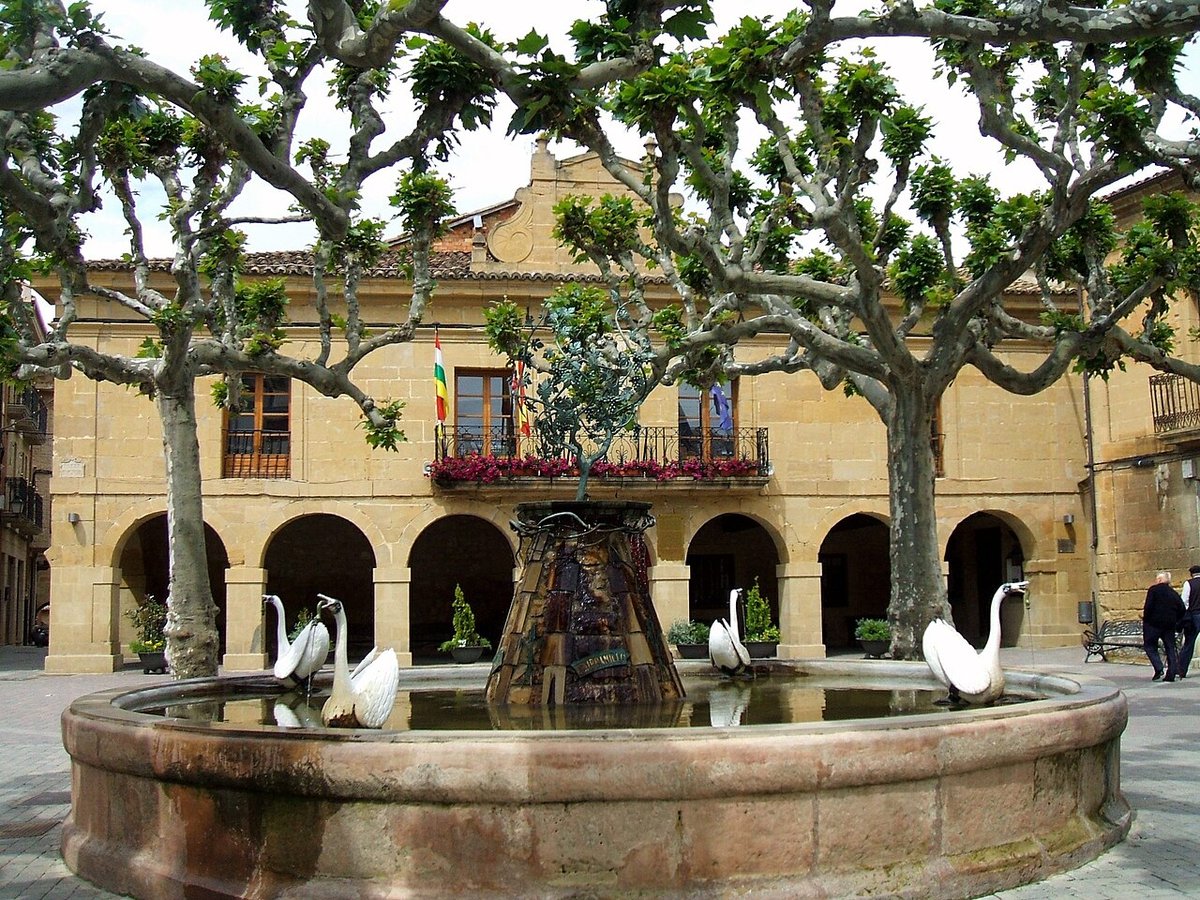
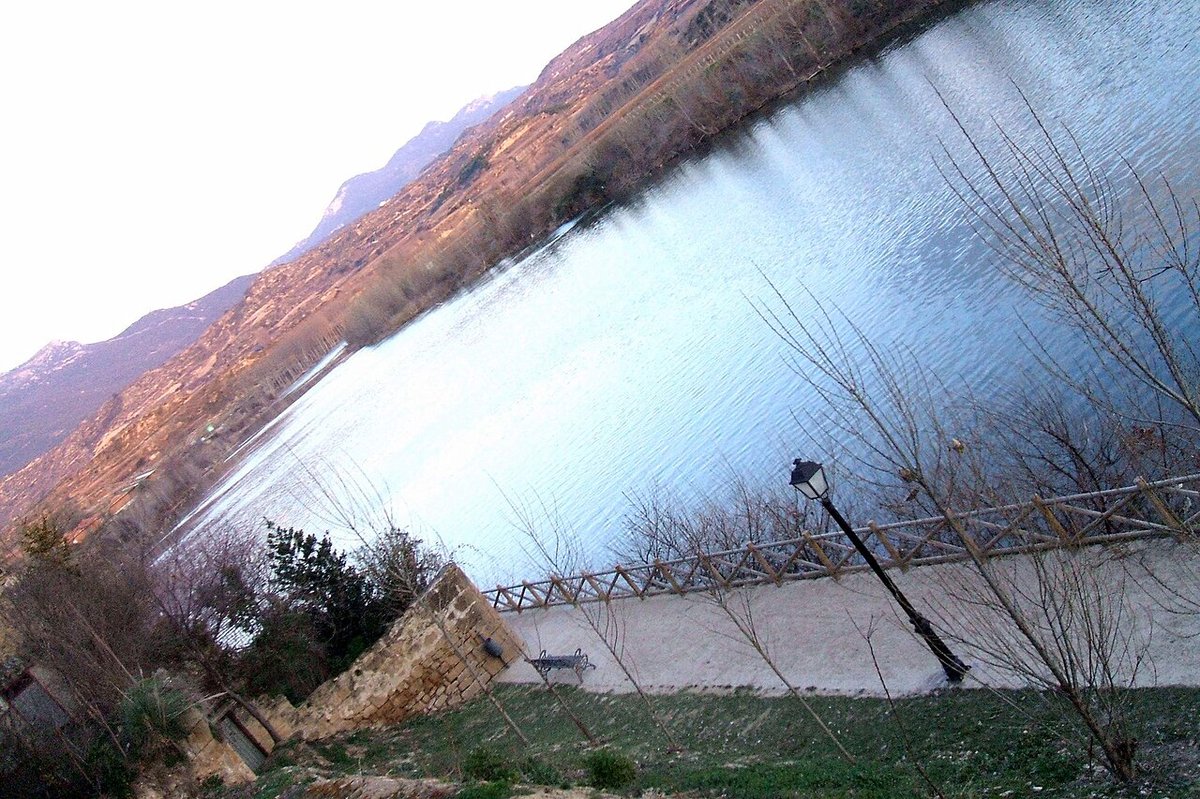
The church bell in Briñas strikes eleven and the only other sound is a blackbird working through the ivy on the palace wall. From the tiny plaza you can see the Ebro glinting between poplars, though the river itself stays stubbornly out of reach—more a presence than a view. At 480 m above sea level the air is already warm by late April, but a breeze slips down from the Sierra de Cantabria and keeps the tempranillo buds from opening too early. This is Rioja Alta at its most discreet: a single-lane village where tractors have right of way and the wine in your glass was probably pressed by someone whose surname appears on half the letterboxes.
Stone, Vine and River
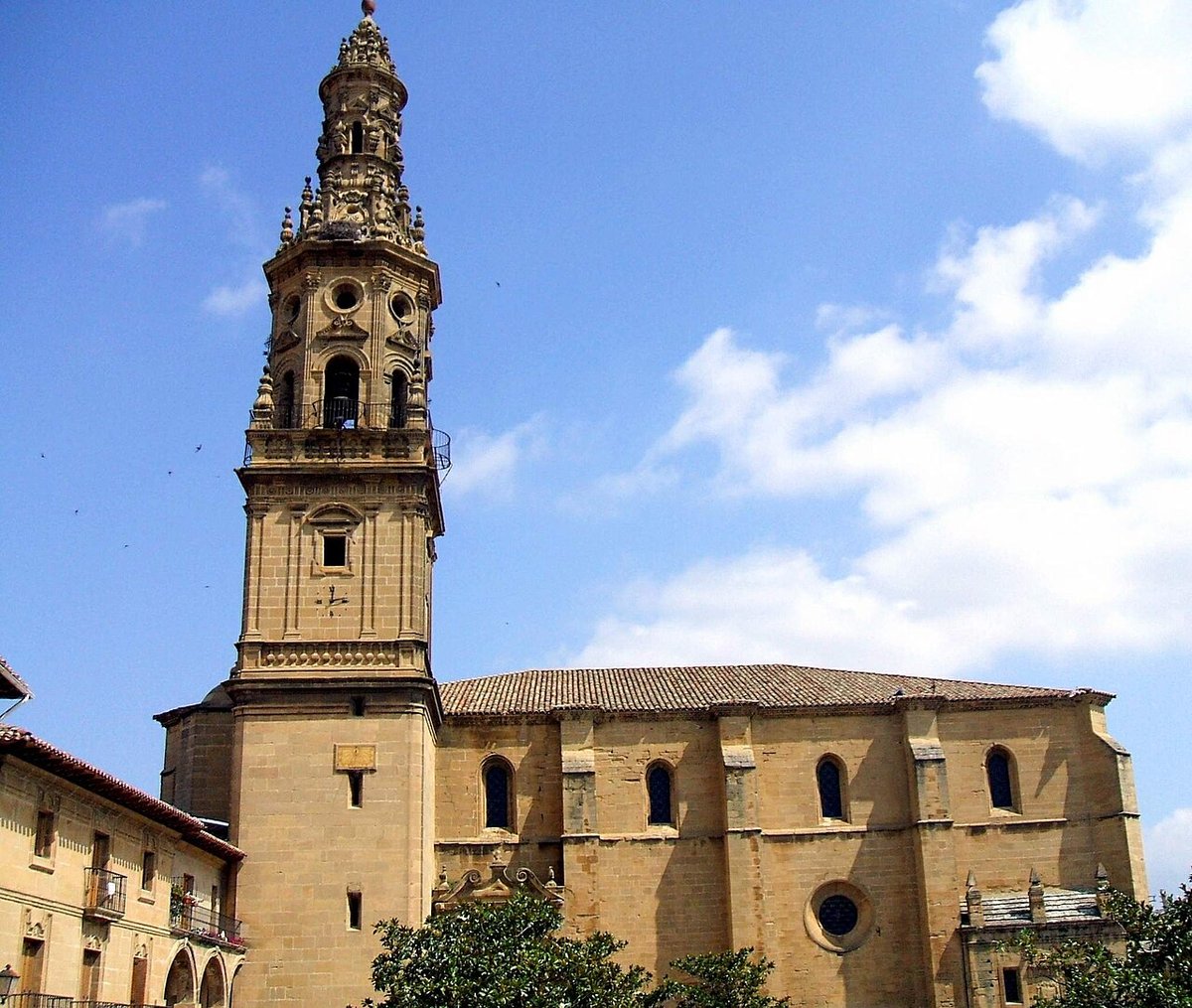
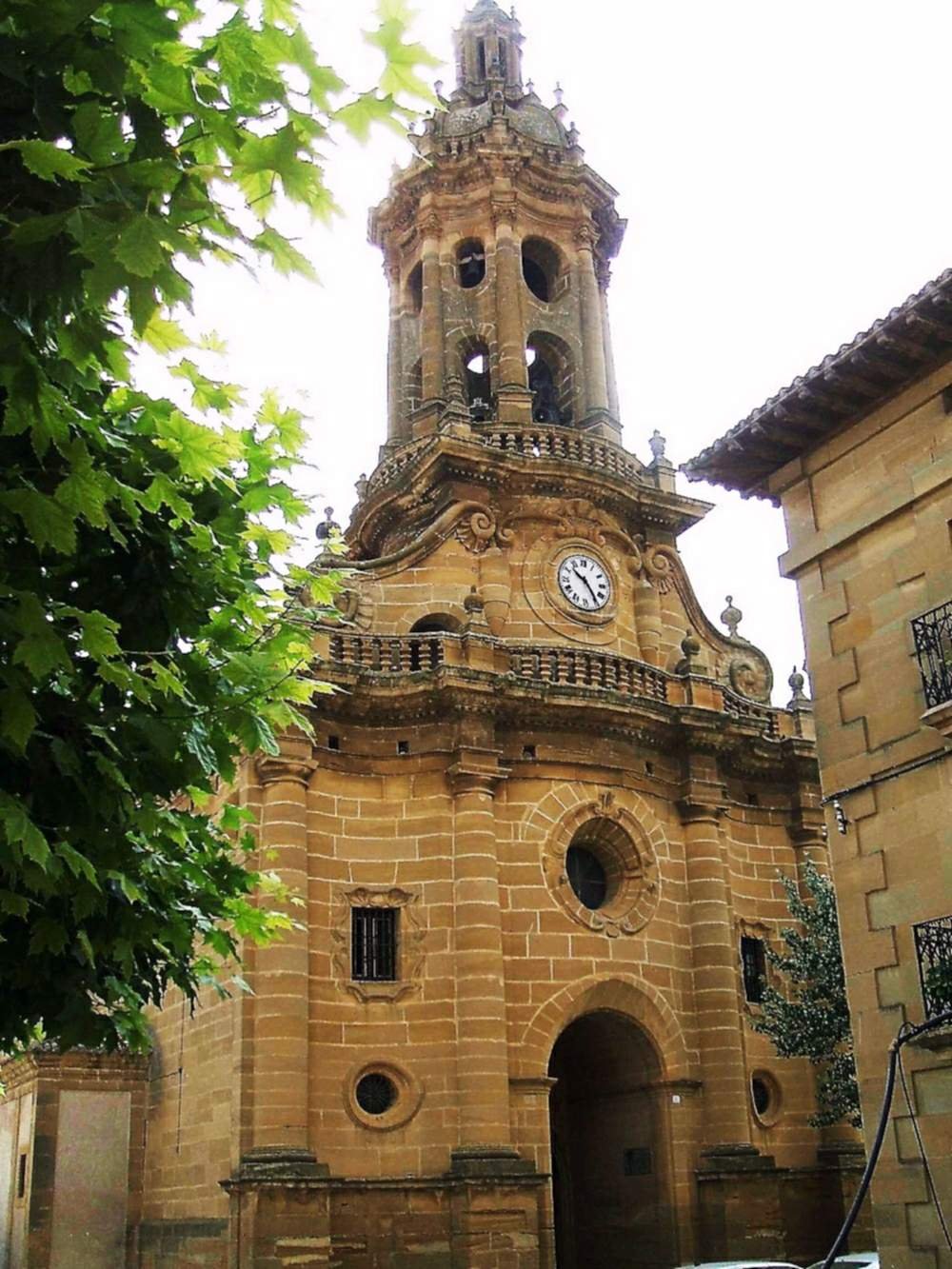
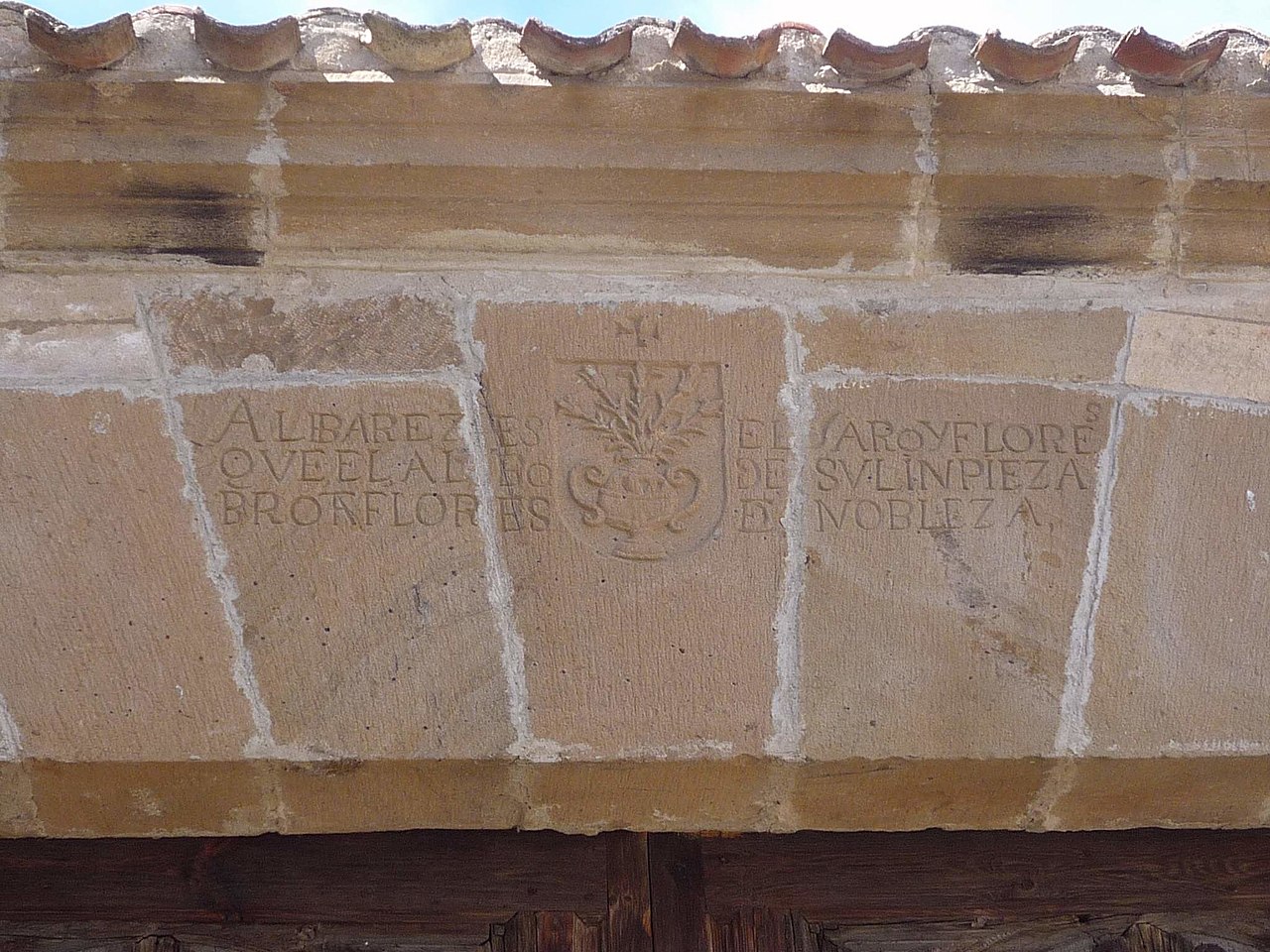
Briñas never aimed to be more than a working hamlet. The houses are built from the same ochre limestone that the railway engineers blasted through in 1863, and the façades still carry the family escudos carved while Britain was arguing over the Second Reform Bill. Walk Calle de la Iglesia at dawn and the only traffic is a chap in overalls hosing last night’s grape must off the cobbles. The medieval portico of Nuestra Señora de la Asunción is worth the thirty-second climb—Romanesque arch, Baroque retablo, and a bell-tower that leans 15 cm after five centuries of winter gales. If the door is locked (likely outside Sunday mass) circle round anyway: the apse catches the early sun and the stone warms to the colour of burnt cream.
Below most houses run the calados—hand-hewn cellars whose constant 12 °C saved Riojan growers from phylloxera-era bankruptcy. A couple open for pre-booked groups (ask at Palacio Tondón reception), but many remain strictly domestic. Peer through the iron grille opposite the old school and you’ll see a neat stack of 2016 barrels still wearing last autumn’s spider webs. There is no glossy tasting bar, no piped Bob Dylan. The tour, if granted, lasts ten minutes and ends with a pour in a chipped glass that cost less than the postage on a London congestion-charge letter.
A Walk that Finishes with Wine
The lanes east of the village give the best return on effort. Follow the yellow-arrow way-marks of the Camino de Santiago past vegetable plots, then bear right onto the farm track signed ‘Haro 4 km’. Within five minutes the houses shrink behind you and the path threads between bush-vine tempranillo on boulder terraces. Swallows skim the treetops; across the valley the bluffs of Haro’s Barrio de la Estación glow biscuit-brown in the sun. There is no shade—bring water and a hat—yet the gradient is gentle enough for anyone who can manage Hampstead Heath’s Parliament Hill. After 40 minutes a stone bench looks back towards Briñas: river on the left, cypress windbreaks on the right, the Cantabrian ridge still patched with snow. Turn round here unless you fancy finishing the hike with a taxi from Haro.
Back in the village, the single bar (no name, just a green door opposite the chemist) opens at 13:00 sharp. A caña of lager is €1.50; the house red, served in a glass rinsed with tap water, is €2 and tastes of liquorice and dried thyme. They do not serve food, but you can buy a packet of olives and the landlord will fetch a plate without comment.
Where to Sleep and Eat (and Why You’ll Probably Stay Put)
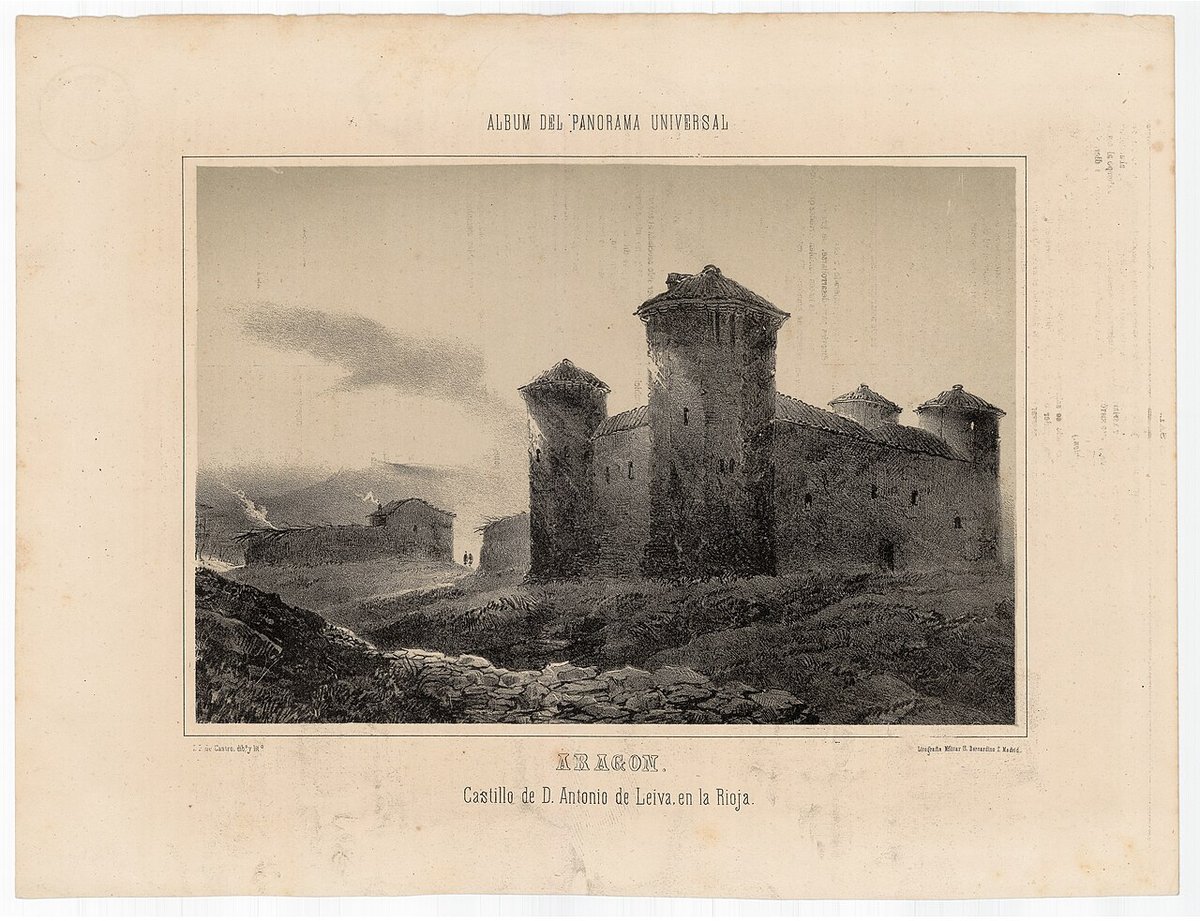
Palacio Tondón occupies a sixteenth-century manor house on the outskirts, its tower rebuilt after the 1817 earthquake that rattled crockery as far as Logroño. British visitors tend to arrive, sigh with relief at the absence of coach parties, and then refuse to leave. Bedrooms in the old palace have beams you can’t reach with a broomstick and windows looking north across the river gorge; newer rooms in the stone annex trade atmosphere for larger bathrooms. Rates start at €190 for two, breakfast included, and drop below €140 mid-week between November and March. Dinner is a set four-course menu for €45—chuletón shared at the table, piquillo peppers stuffed with salt cod, and a white Viura that avoids the oak overload many Brits associate with Rioja. Book the restaurant when you check in: at weekends half of Haro books tables to escape their own tourist crush.
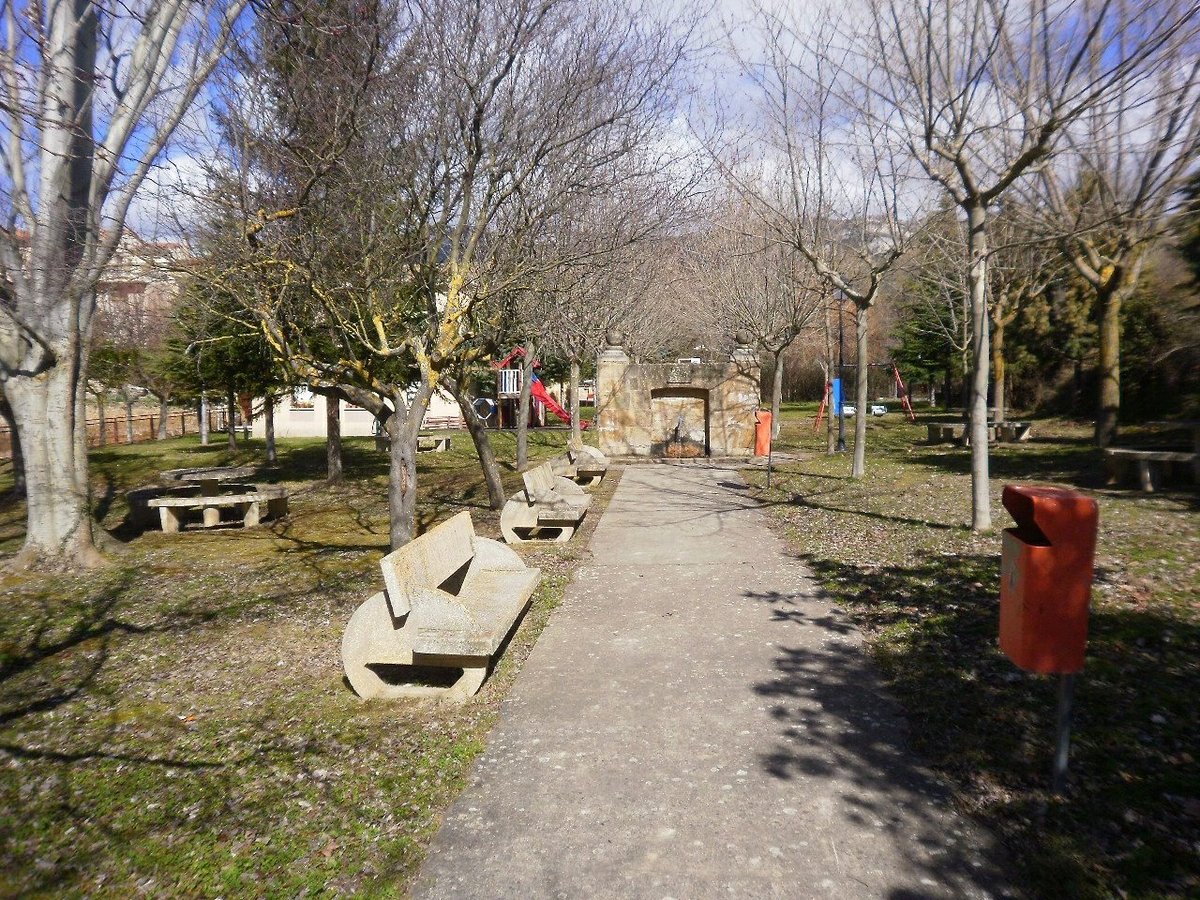
The hotel is the only place to eat within village limits. If you want a casual lunch you must drive ten minutes to Haro’s Calle Laurel—or pack sandwiches like the Spanish families who colonise the riverside picnic area on Sunday mornings.
When to Come, When to Stay Away
April–May and late September–October give crisp dawns and 22 °C afternoons; the vines glow an almost violent green in spring, then turn traffic-light red after the equinox. Harvest tractors start at seven and coat the lanes with a purple mist of crushed fruit; photographers love it, white trainers do not. Mid-summer brings 35 °C heat and a sun that refuses to drop behind the ridge until half-nine; walking is possible only before 10 a.m. and the Ebro valley traps humidity like a saucepan lid. Winter is quiet, occasionally snowy, always beautiful—daytime 8 °C, nights just above freezing—but the palace pool is shut and the restaurant closes on Monday and Tuesday.
Avoid 28–30 June unless you fancy Haro’s Batalla de Vino, when 15,000 people spray red liquid like demented firemen. Briñas itself stays calm, but the access road becomes a single-track queue and hotel prices triple.
Getting There, Getting Out
Logroño’s tiny airport receives the Saturday Ryanair shuttle from Stansted (2 hrs 15) between April and October; from there Briñas is 45 minutes on the A-68. Bilbao offers year-round flights and a prettier 75-minute drive south through the Cantabrian foothills. A hire car is non-negotiable: the village has no petrol station, and the twice-daily bus to Haro is timed for pensioners, not tasting schedules. Bring a sat-nav with Spanish postcodes—the approach lane is unsigned and you will miss the turning at least once.
Leave room in the boot. Every British guest seems to depart with a six-bottle flight from Palacio Tondón’s own Finca los Almendros, a tempranillo-blend that costs €14 at reception and three times that in a London wine bar. Customs allow it, the mountain air has already done the hard ageing work, and you’ll drink it remembering the moment the church bell struck eleven and nothing else happened at all.