Full Article
about Briones
Walled medieval town, counted among the prettiest villages; home to a major wine museum.
Ocultar artículo Leer artículo completo
The church bell strikes noon as a tractor crawls through Briones' narrow main street, its tyres almost brushing the stone walls. The driver nods to an elderly woman watering geraniums on her balcony, then disappears towards the vineyards that spill down the hillside. This is La Rioja at its most concentrated: a medieval village where every stone seems steeped in wine.
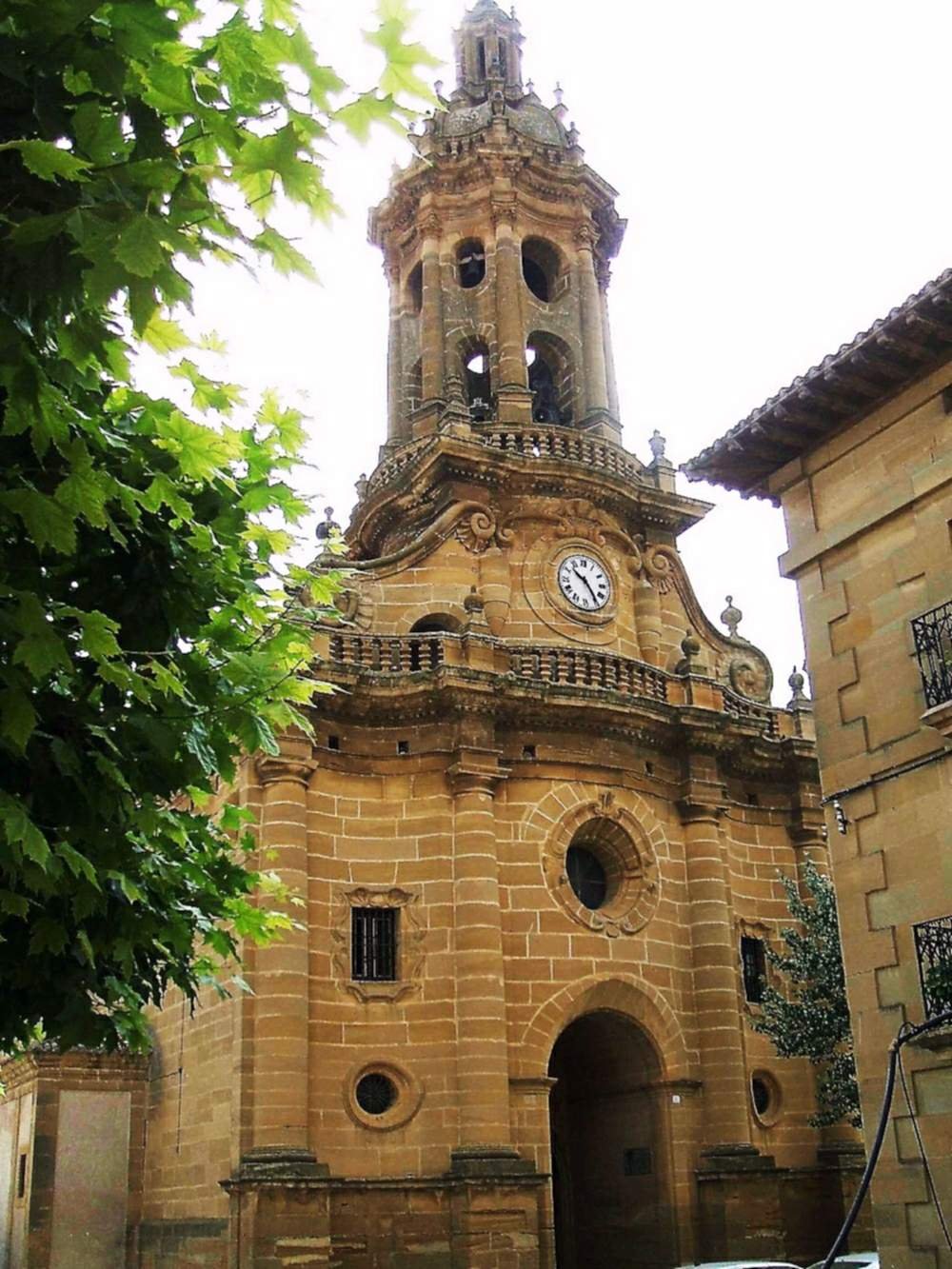
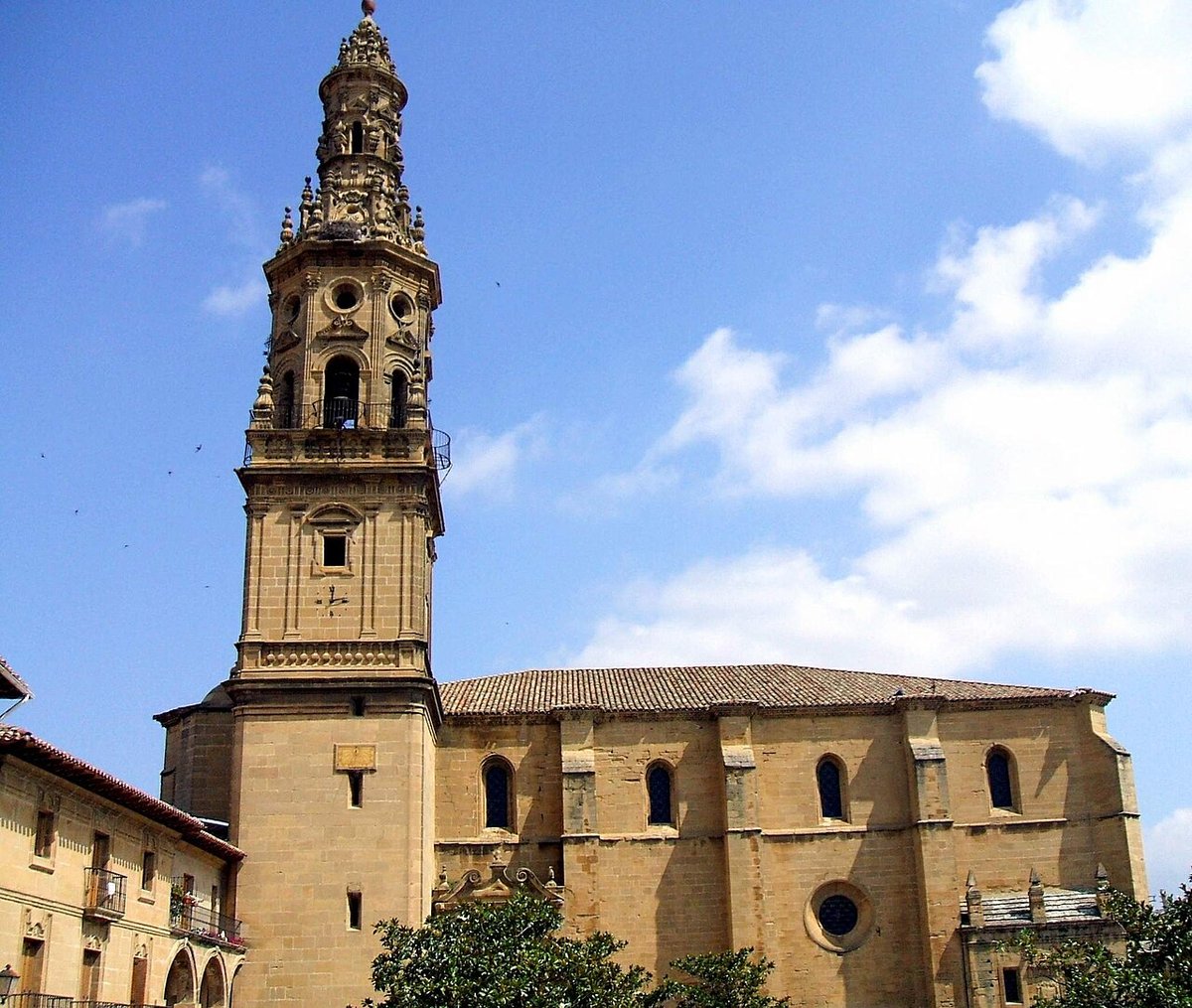
Briones perches 450 metres above the Ebro Valley, its honey-coloured buildings arranged like amphitheatre seating facing the river. From the approach road, the 16th-century tower of Nuestra Señora de la Asunción dominates the skyline, a Renaissance landmark that guided merchants long before satnav. The village houses barely 800 souls, yet its compact historic centre contains some of Spain's most satisfying medieval streetscapes.
Walking Through Five Centuries
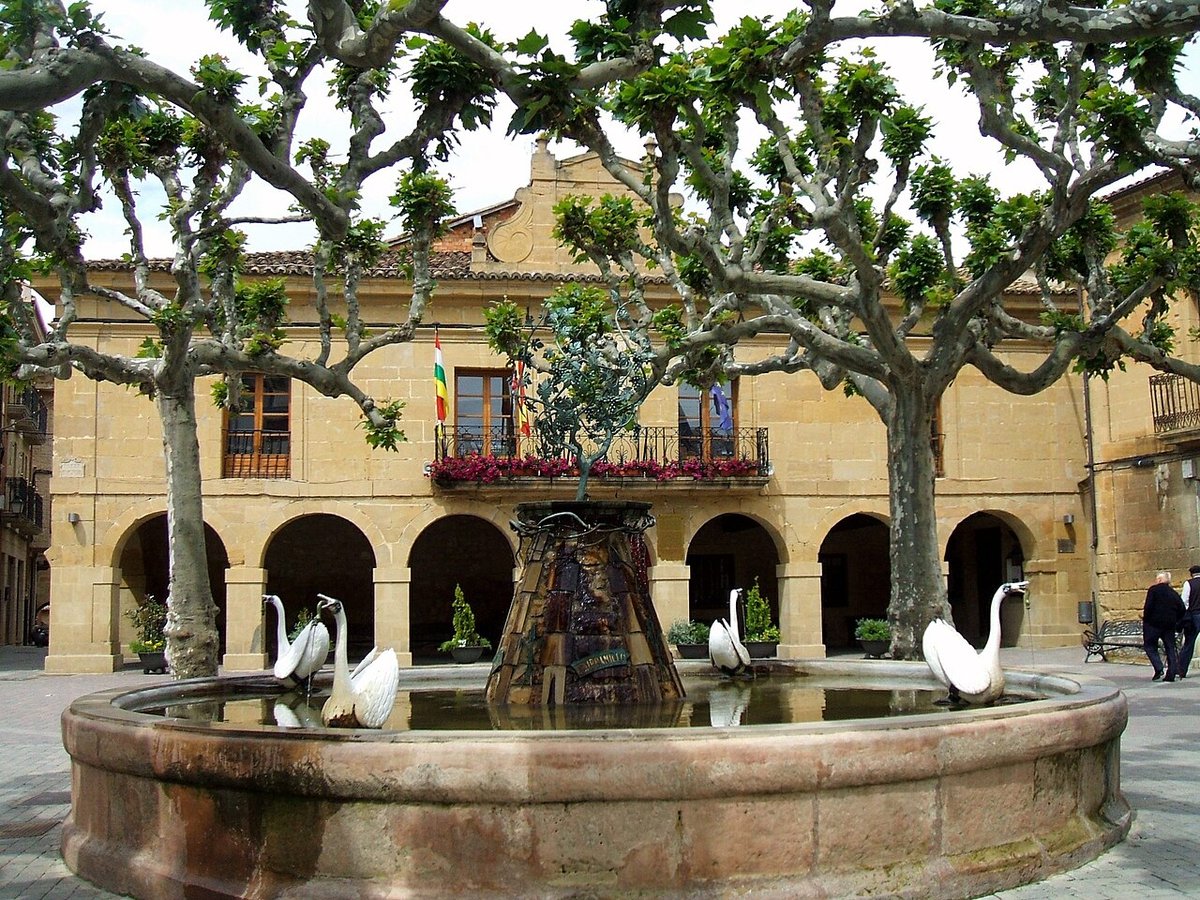
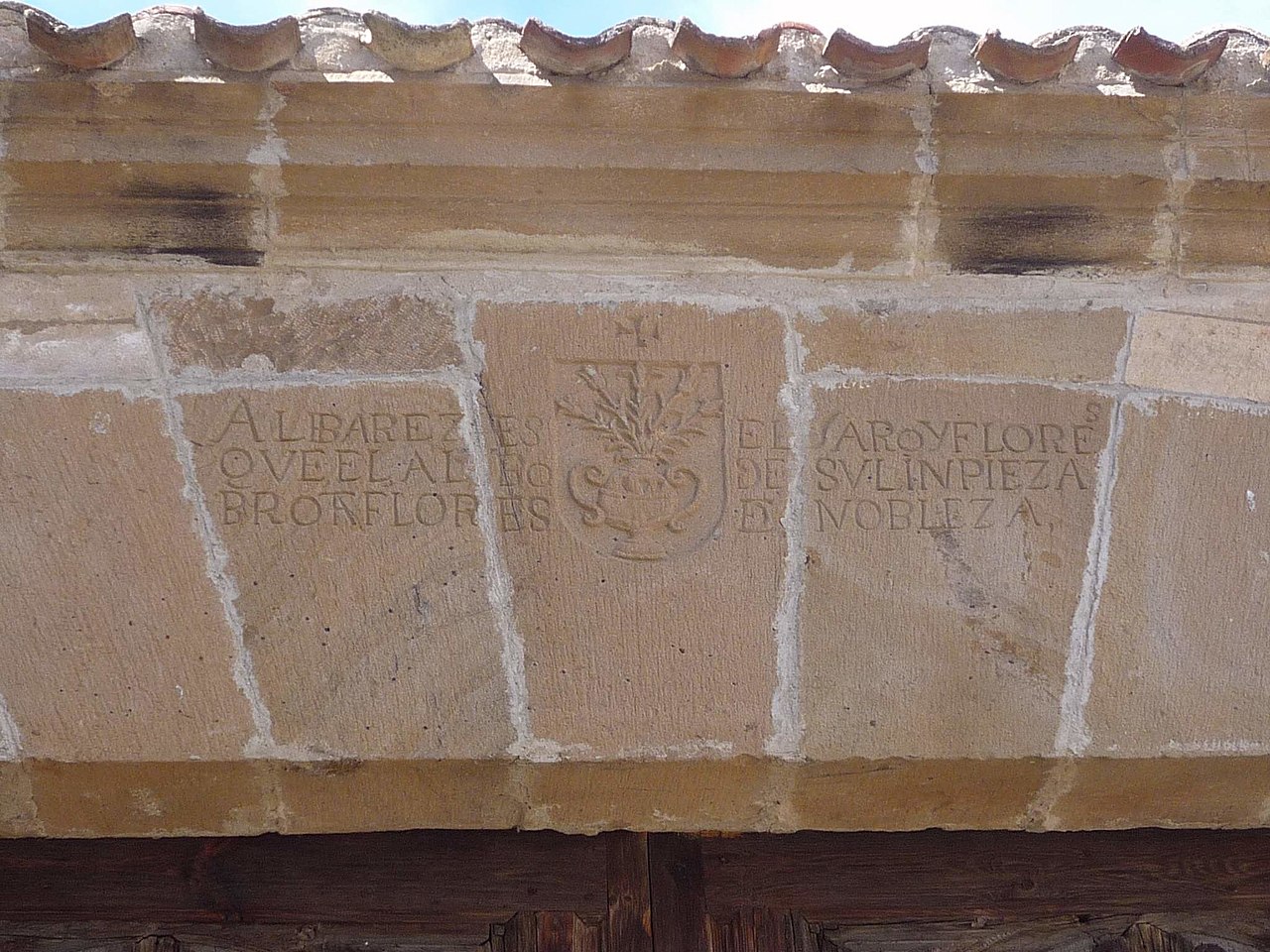
Start at the Plaza de España, where 18th-century mansions display their family coats of arms with almost competitive grandeur. The Palacio del Marqués de San Nicolás sets the tone: carved stone escutcheons, wrought-iron balconies, windows proportioned with Renaissance precision. These weren't provincial nobility playing at grandeur – they were serious wine merchants whose fortunes built the village you see today.
The medieval layout survives intact. Streets twist uphill, suddenly narrowing into staircases that emerge onto tiny plazas. Stone archways tunnel between houses, their worn steps testimony to centuries of vineyard workers heading to work. At Calle de la Rúa, the houses lean together overhead, creating shade that makes summer walking bearable when temperatures hit 35°C.
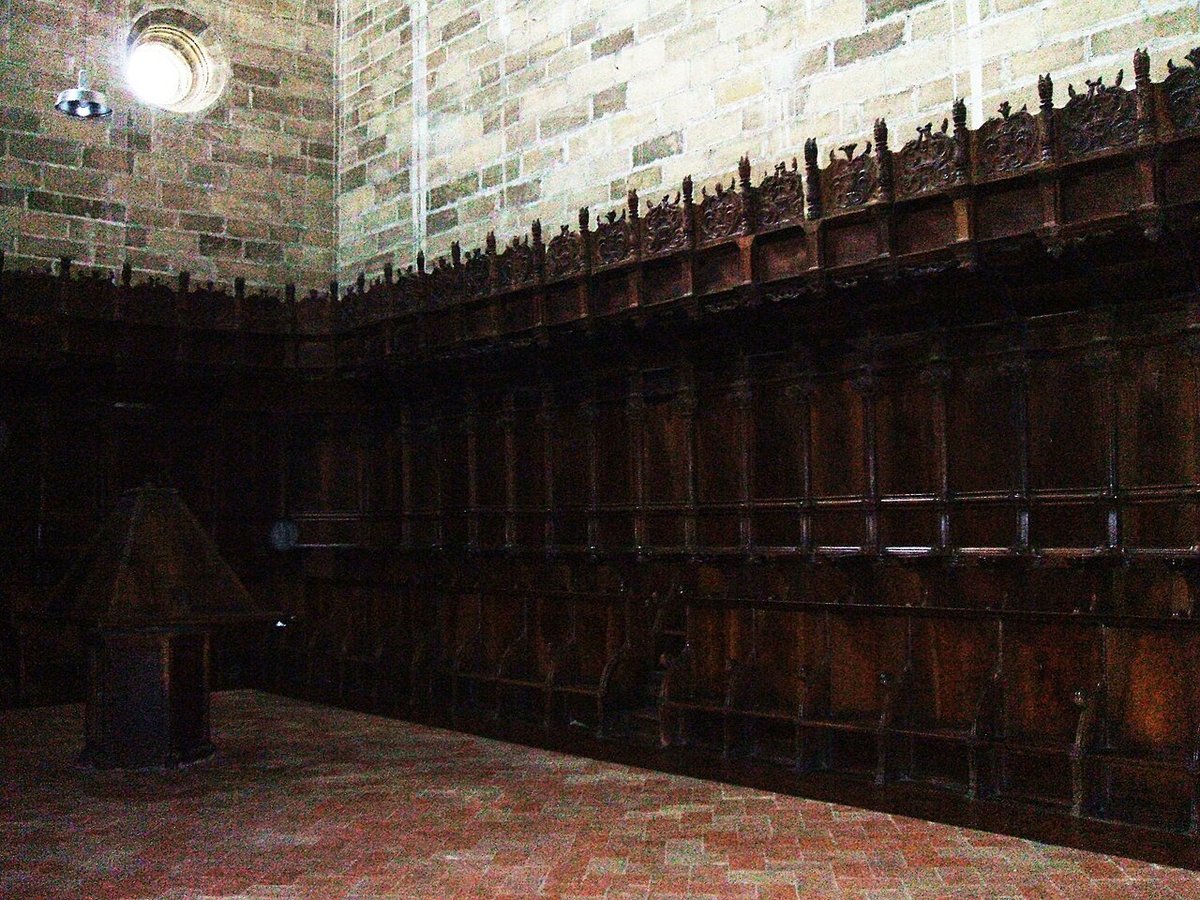
The church rewards the climb. Inside, the 17th-century altarpiece fills the apse with gilded biblical scenes, but look up: the ribbed vaulting shows Moorish influence unusual this far north, while the wooden choir stalls bear scars from Napoleonic troops who stabled horses here. Entry costs €2, collected by a volunteer who'll unlock doors for visitors regardless of posted hours if you seem interested.
Wine Country Without the Marketing
Briones doesn't do wine tourism with the slick efficiency of nearby Haro. That's precisely its appeal. The surrounding vineyards belong to small producers whose families have worked these slopes since the 12th century. Bodegas here tend towards the modest: converted stone buildings where fermentation happens in the same cellars that stored wine when Columbus was sailing west.
The Vivanco Museum of Wine Culture sits just outside the village walls – unexpectedly comprehensive for such a small place. Its four floors cover everything from Roman wine ships to contemporary label design, with English audio guides that avoid the usual romantic twaddle about "passion" and "tradition". The €12 entry includes tasting three wines in their atmospheric cellar, dug into the hillside beneath the museum.
Several bodegas within walking distance offer tours by appointment. Bodegas Miguel Merino, five minutes from the village centre, provides tastings in their 17th-century cellars for €15. Their 2016 Reserva demonstrates why Rioja Alta wines age more gracefully than their warmer Rioja Baja counterparts: structured, savoury, with that distinctive vanilla-tinged American oak influence that defined Rioja for generations.
Beyond the Grapes
The village walls still stand along the western edge, their walkway offering views across vineyards that change colour dramatically with seasons. Spring brings bright green shoots; autumn transforms the landscape into a patchwork of rust, gold and deep purple. The Paseo del Espolón follows the wall's route, emerging at viewpoints where the Ebro Valley spreads southwards towards the distant Sierra de la Demanda.
Walking tracks radiate from the village. The Sendero de los Dólmenes climbs through vineyards to Bronze Age burial sites, a moderate 8km loop that takes three hours. Better for casual walkers is the Camino del Ebro, following the river through poplar plantations and past abandoned watermills. Start early morning – afternoon sun can be brutal even in May.
The Medieval Festival, held the third weekend of June, transforms Briones into something approaching chaos. Over 30,000 visitors cram streets designed for medieval traffic patterns. Accommodation books months ahead, restaurants operate waiting lists, and the usually peaceful village becomes a theme park version of itself. Visit instead in late September during the vendimia (grape harvest), when the village celebrates with considerably more authenticity and fewer crowds.
Practicalities for the Unprepared
Public transport barely exists. Two daily buses connect to Logroño, none on Sundays. Hiring a car isn't optional – it's essential. From Bilbao airport, it's 90 minutes via the A68 motorway; Madrid takes three hours on good roads. Parking sits at the village entrance – ignore satnav instructions to drive to your accommodation. Those cobbled streets weren't designed for British hire cars.
The village supports three restaurants, all serving variations on Riojan classics. Expect chuletón (massive T-bone steak) cooked over vine cuttings, patatas a la riojana (potatoes with chorizo), and pimientos rellenos that actually taste of pepper rather than supermarket uniformity. Prices hover around €15-20 for lunch menus, wine included. Portions aren't designed for delicate appetites.
Accommodation ranges from the converted 17th-century mansion Hotel Santa María to simpler guesthouses charging €60-80 nightly. Book ahead for weekends – Madrid wine enthusiasts treat Briones as their country retreat. Many places close entirely during January and February, when mountain winds make the hilltop position feel distinctly exposed.
When to Cut Your Losses
Summer visits require strategy. Temperatures regularly exceed 35°C, turning those charming cobbled streets into heat traps. The village essentially shuts between 2pm and 5pm – plan long lunches or siestas accordingly. Winter brings the opposite problem: when the Cierzo wind blows from the north, Briones becomes genuinely cold. That hilltop location that seemed so romantic in photographs translates to wind exposure that can make January visits miserable.
Rain transforms the village into something resembling a medieval drainage experiment. Those atmospheric narrow streets channel water downhill with surprising force – bring proper footwear and abandon any romantic notions about strolling with an umbrella.
Briones rewards those who adjust to its rhythms. It isn't dramatically beautiful in the way of some Andalusian villages, nor does it offer the cultural overload of larger cities. Instead, it provides something increasingly rare: a working wine village where tourism feels incidental rather than essential. Sit long enough in the Plaza de España and you'll understand why families have stayed here for twenty generations. The wine helps, obviously, but the real draw is subtler: a place where medieval street patterns, Renaissance architecture and contemporary wine culture coexist without the usual Spanish village clichés.
Just remember to book that hire car.