Full Article
about Casalarreina
Historic town with a striking Dominican monastery; food-focused tourist stop.
Ocultar artículo Leer artículo completo
The monastery door stands ajar at half-past ten, and already the morning light is catching the stone carving above the entrance. María de Zúñiga's crest—five shells arranged like a flower—has survived five centuries of Riojan weather, though the red paint has long since weathered away. This is Casalarreina: population 5,000, altitude 500 metres, and home to what many consider the finest early Renaissance complex in northern Spain.
The Dominican Legacy
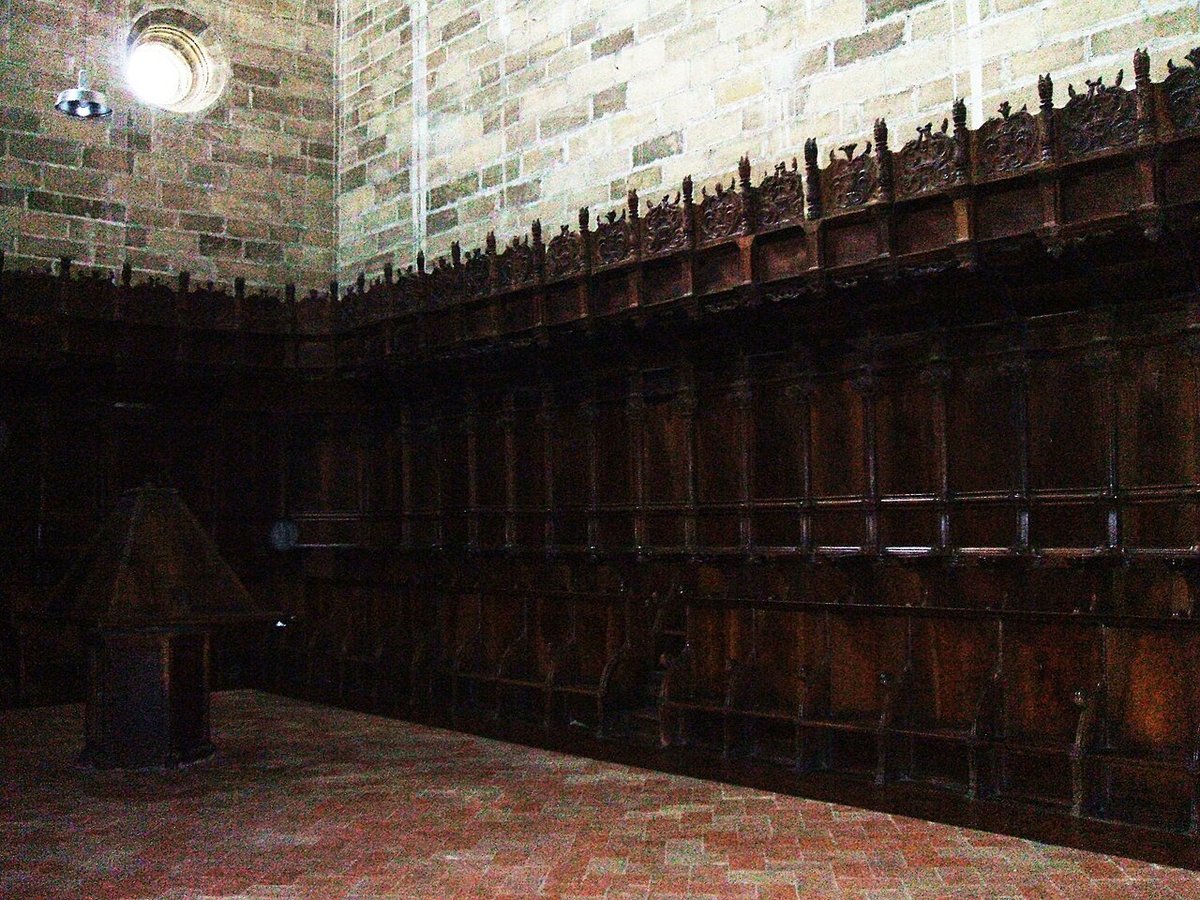
Inside the Monasterio de Nuestra Señora de la Piedad, the air carries that particular coolness of thick stone walls and centuries of incense. The church nave rises abruptly—no gradual transition here, just sudden vertical space where the ordinary world falls away. Guillén de Holanda's altarpiece glints with gold leaf that somehow looks muted rather than ostentatious, the way old money does. Walnut choir stalls bear carvings so intricate you can still see the individual threads on robe sleeves, though someone's hacked away at a few faces during one of Spain's anticlerical moments.
The cloister works its usual magic: two storeys of arches framing sky and vine-covered hills beyond. Downstairs, the capitals show grapevines merging with religious scenes—local craftsmen couldn't resist making the spiritual agricultural. Upstairs, the library holds manuscripts that include a 1493 copy of Columbus's letter announcing his discoveries, though you'll need to arrange access weeks ahead through the regional government. Most visitors don't bother, content to wander the ground floor where the chapter house still smells faintly of vellum and candle smoke.
Practical note: the monastery opens 10:30-14:00 and 16:00-19:00, closed Mondays. Entry costs €3, exact change appreciated. The guardian speaks rapid Spanish and no English, but pointing at the sign-in sheet works perfectly well.
Walking Through Five Centuries
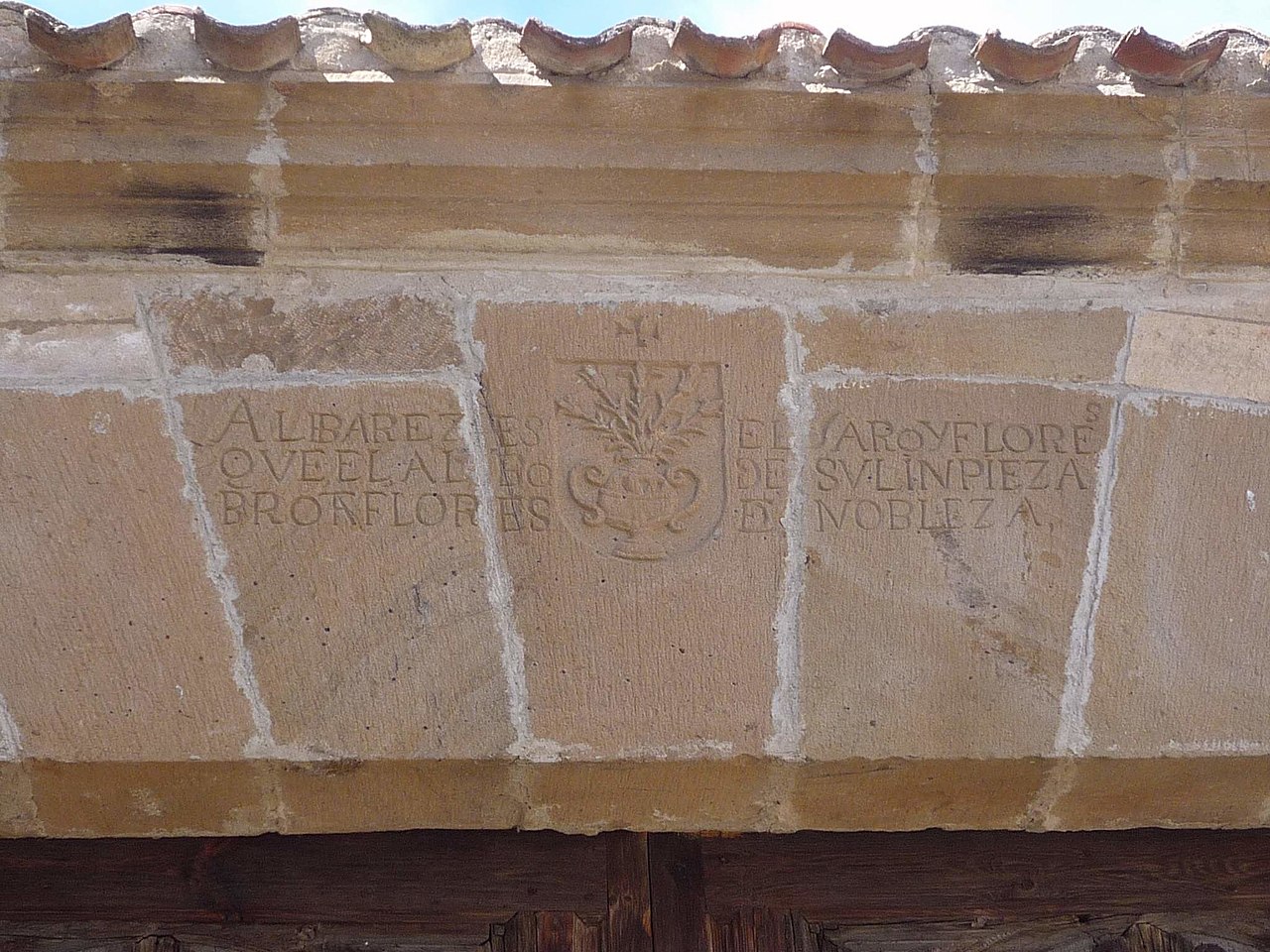
From the monastery, Calle Mayor runs straight to the medieval core, though the street itself is mostly 18th-century improvements. House shields display everything from wheat sheaves to mysterious beasts—local nobility announcing their agricultural wealth or perhaps just their imaginations. Number 37 has a particularly fine dragon, though someone's added modern graffiti wings that rather spoil the effect.
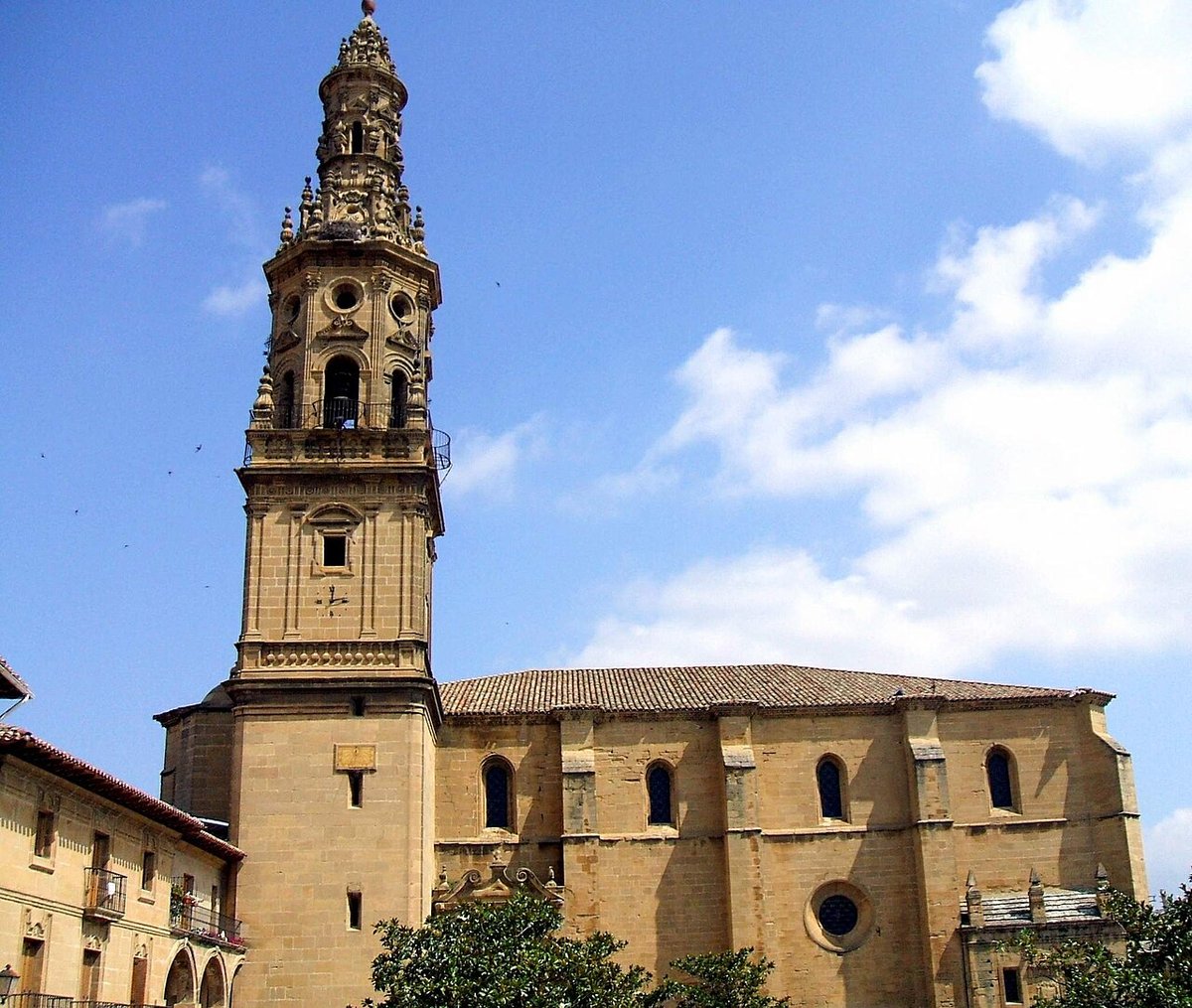
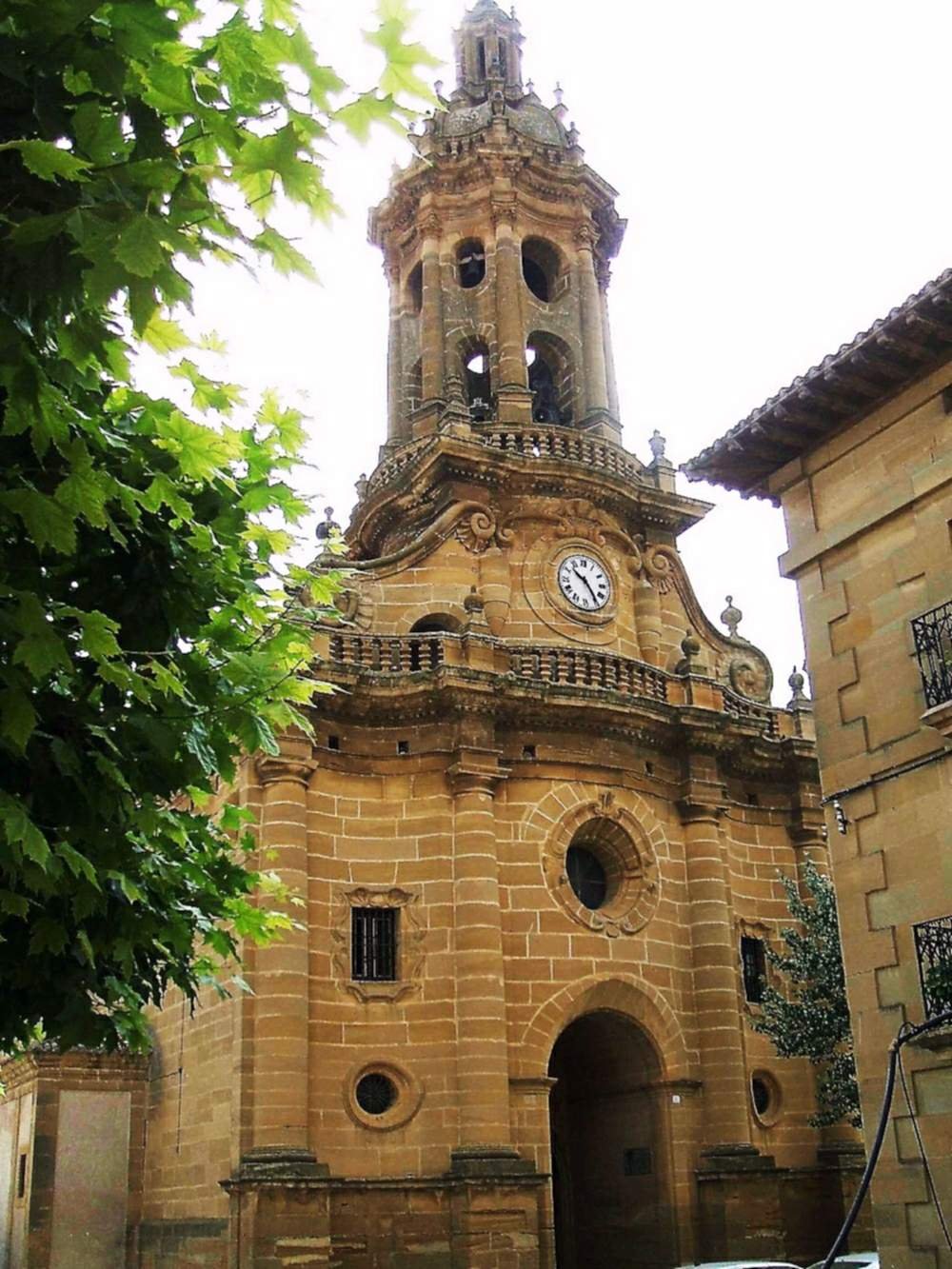
San Martín parish church squats at the far end, Gothic bones dressed in Baroque finery. The tower leans slightly, not enough to be dramatic, just enough to make you question your eyesight. Inside, the retablo shows Saint Martin cutting his cloak for the beggar, though the artist couldn't resist giving the Roman soldier better armour than any Spanish trooper ever saw. The side chapel contains a Virgin whose robes change colour depending on where you stand—medieval paint technology that modern restorers still can't quite replicate.
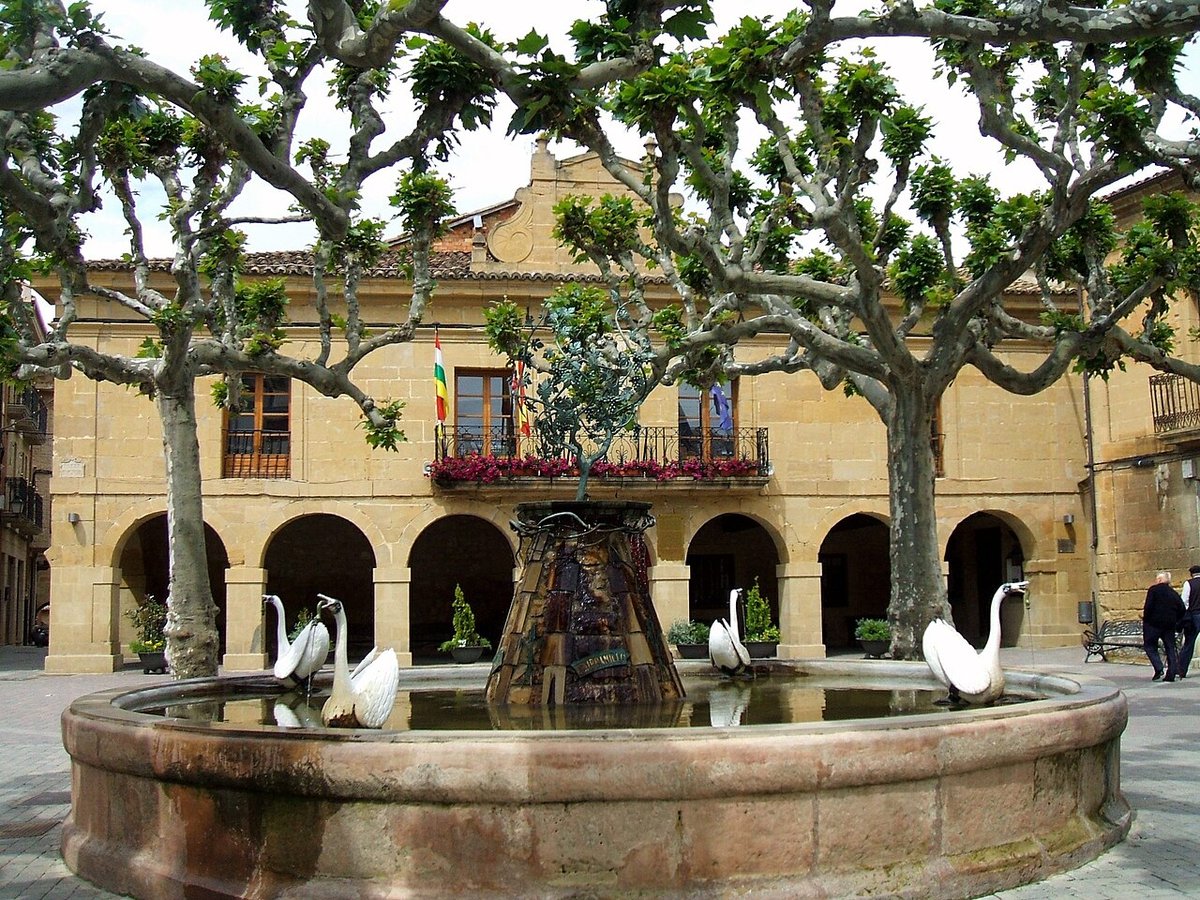
The whole historic quarter takes twenty minutes to cross, assuming you don't stop to read every plaque. That's the thing about Casalarreina: it delivers serious architecture without the legwork required in larger cities. No hills, no endless staircases, just level walking on stone that's been worn smooth by farmers' boots and tourists' trainers alike.
Where the Vineyards Begin
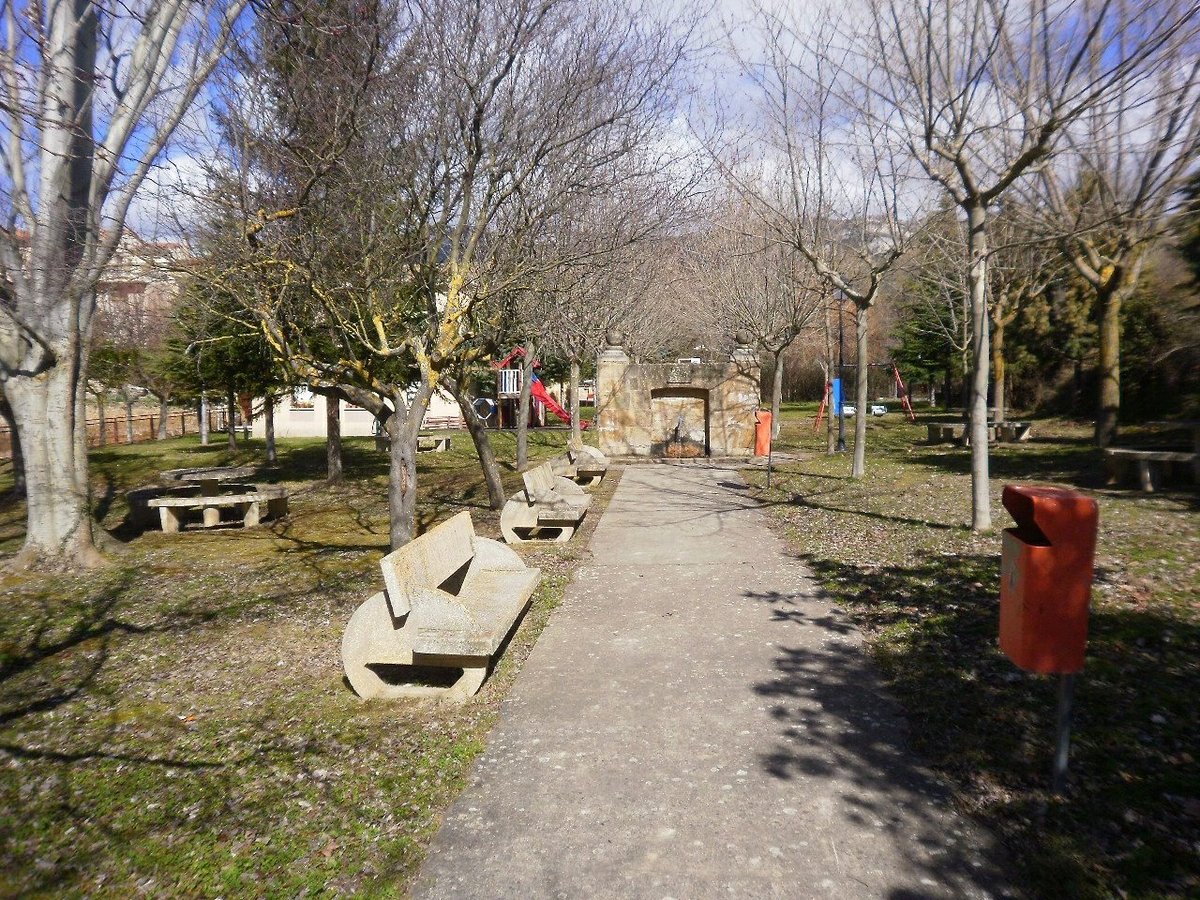
Behind the monastery, the land drops gently toward the Oja River, though "river" might be stretching it—more a respectable stream that happens to power several wine estates. The greenway starts here, following an old railway bed that once carried grapes to Haro's bodegas and passengers to Logroño's markets. Now it's a 26-kilometre cycle path to Ezcaray, flat enough for family rides and shaded by poplars that turn yellow-gold in October.
Walk fifteen minutes out of town and you're between vineyard rows, Tempranillo grapes hanging at eye level. The soil changes from red clay to white limestone within metres, explaining why Rioja wines taste different every few kilometres. September mornings smell of fermentation—sweet, almost yeasty—as harvest trucks rumble past. By November, the vines stand bare and the landscape opens to reveal Sierra de la Demanda's southern slopes, already white with first snow.
Local bodegas offer tastings by appointment: Bodegas Lecea in nearby San Asensio does excellent carbonic maceration wines, while Valpiedra across the river charges €15 for tours that include their experimental oak treatments. Neither is in Casalarreina proper, but both are within ten minutes' drive. The village itself has no working wineries, just the monastery's ancient cellars now converted to meeting rooms.
Eating Like a Local (Or Not)
La Vieja Bodega occupies what was once the monastery's grain store, thick walls keeping summer heat and winter cold at bay. The menu hasn't changed much since the 1980s: roast lamb for two (€36), chuletón for three (€45), or media ración de cordero if you're dining solo. Vegetarians get menestra de verduras—spring vegetables in light tomato broth—though ask specifically for "sin chorizo" as some chefs sneak it in for depth.
Lunch starts at 13:30 sharp; arrive earlier and you'll wait outside with the local doctors and bank managers who treat punctuality as religion. Dinner doesn't begin until 21:00, even in winter, so British stomachs might need adjusting. The house white Rioja (€12) comes from a cooperative in nearby Cuzcurrita—clean, slightly floral, nothing like the oak-heavy reds foreigners expect from the region.
For lighter fare, Bar El Puntido near the church does excellent tortilla and coffee from 08:00, useful if you're staying in one of the village's two guesthouses. Neither serves breakfast, assuming guests will wander out for coffee like locals do.
The Reality Check
Casalarreina works brilliantly as a two-hour stop between Haro's bodegas and Santo Domingo de la Calzada's cathedral, which is exactly how most British visitors use it. The monastery justifies the detour; the village itself adds context without overwhelming. Stay longer and you might notice the silence after 22:00, broken only by dogs and the occasional tractor starting pre-dawn harvest.
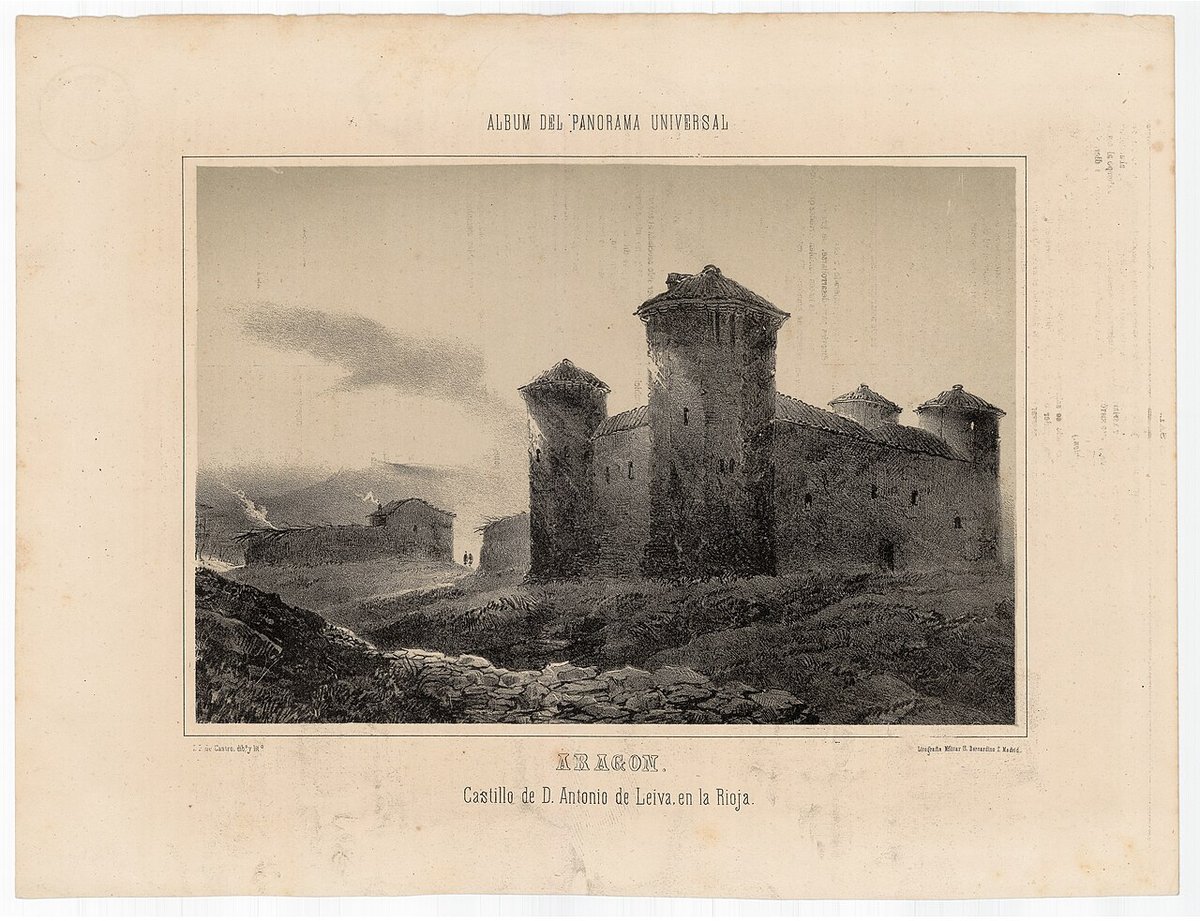
Public transport exists—a twice-daily bus from Logroño that takes 45 minutes through vineyard country—but you'll want a car for flexibility. The AP-68 delivers you to exit 9 in twenty minutes from Logroño, though the scenic route through Navarrete and past ruined hilltop castles adds only fifteen minutes and considerably more atmosphere.
Come in June for the Batalla del Vino and you'll leave purple; visit in August and the plain's heat shimmers at 35 degrees by noon. Spring brings wild mustard between vineyard rows, autumn turns the whole landscape amber, and winter means possible snow though the main roads stay clear. Whenever you come, bring layers—the altitude makes evenings cool even in July, and that wind across the plateau carries more bite than you'd expect from weather forecasts.
Leave before lunch and you'll miss the monastery's afternoon light filtering through alabaster windows. Stay past dinner and you'll discover why Spanish villages feel larger at night than they do by day—the darkness amplifies every sound, every lighted window becomes a small theatre. Either way, Casalarreina rewards the curious without demanding pilgrimage-level commitment.