Full Article
about Cellorigo
Known as the Pulpit of La Rioja; a tiny village perched in the Obarenes Mountains with sweeping views.
Hide article Read full article
Cellorigo en el mapa
La primera impresión de Cellorigo es geográfica. El pueblo se asienta a unos 780 metros sobre el nivel del mar, en uno de los puntos más altos de la comarca de Haro. Aquí, el paisaje vitivinícola de La Rioja empieza a cerrarse, dando paso a las lomas que bordean el valle del Ebro. El cambio no es solo visual; se nota en el uso de la tierra.
Su padrón ronda los quince habitantes. El trazado es el de un núcleo agrícola tradicional de la Rioja Alta, sin expansión reciente. La construcción sigue patrones antiguos, ligados a la labranza y a la ganadería a pequeña escala.
Los materiales son los de la zona: muros de piedra, algo de adobe en las construcciones más viejas y teja curva. No hay desarrollo moderno. Lo que se ve está atado a una forma de vida anterior.
El paisaje sorprende a quien asocia La Rioja solo con viñedos. Aquí no hay vides. El terreno es más áspero, con lomas cubiertas de encinas y quejigos, y algún claro dedicado al cereal. Desde los puntos altos del pueblo se entiende la elección del lugar: las laderas dan protección del viento y permiten controlar los alrededores.
La iglesia y el núcleo
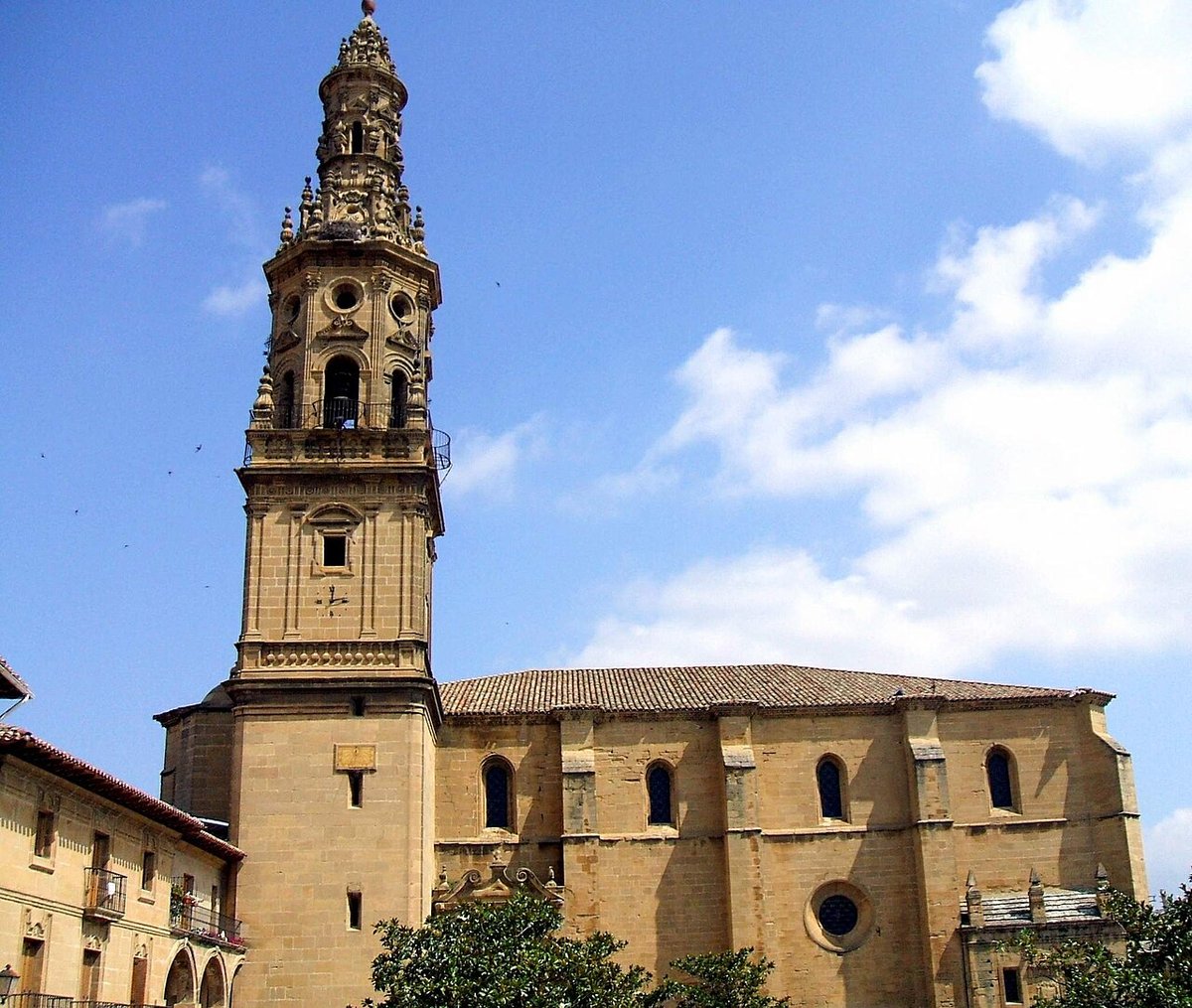
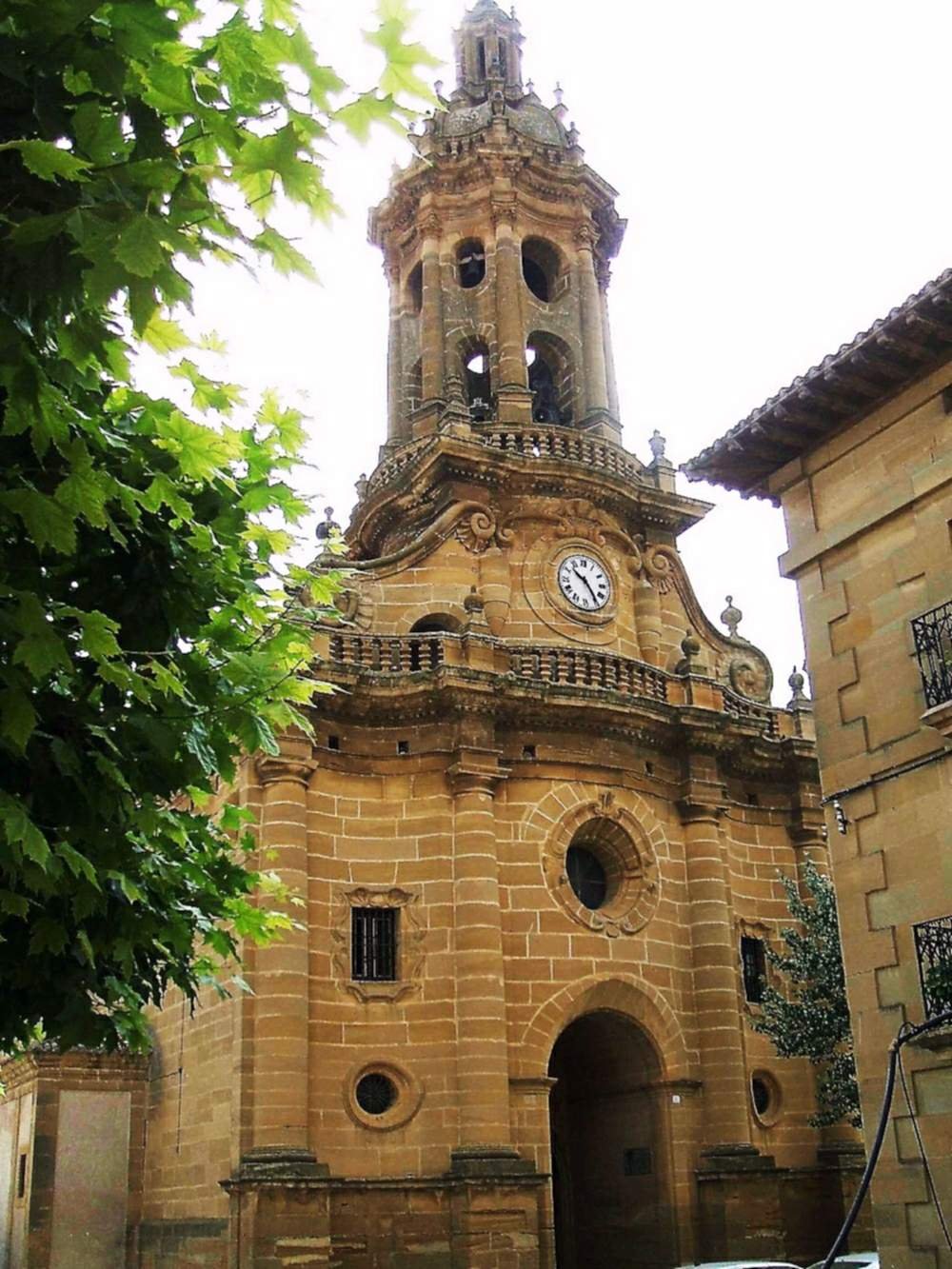
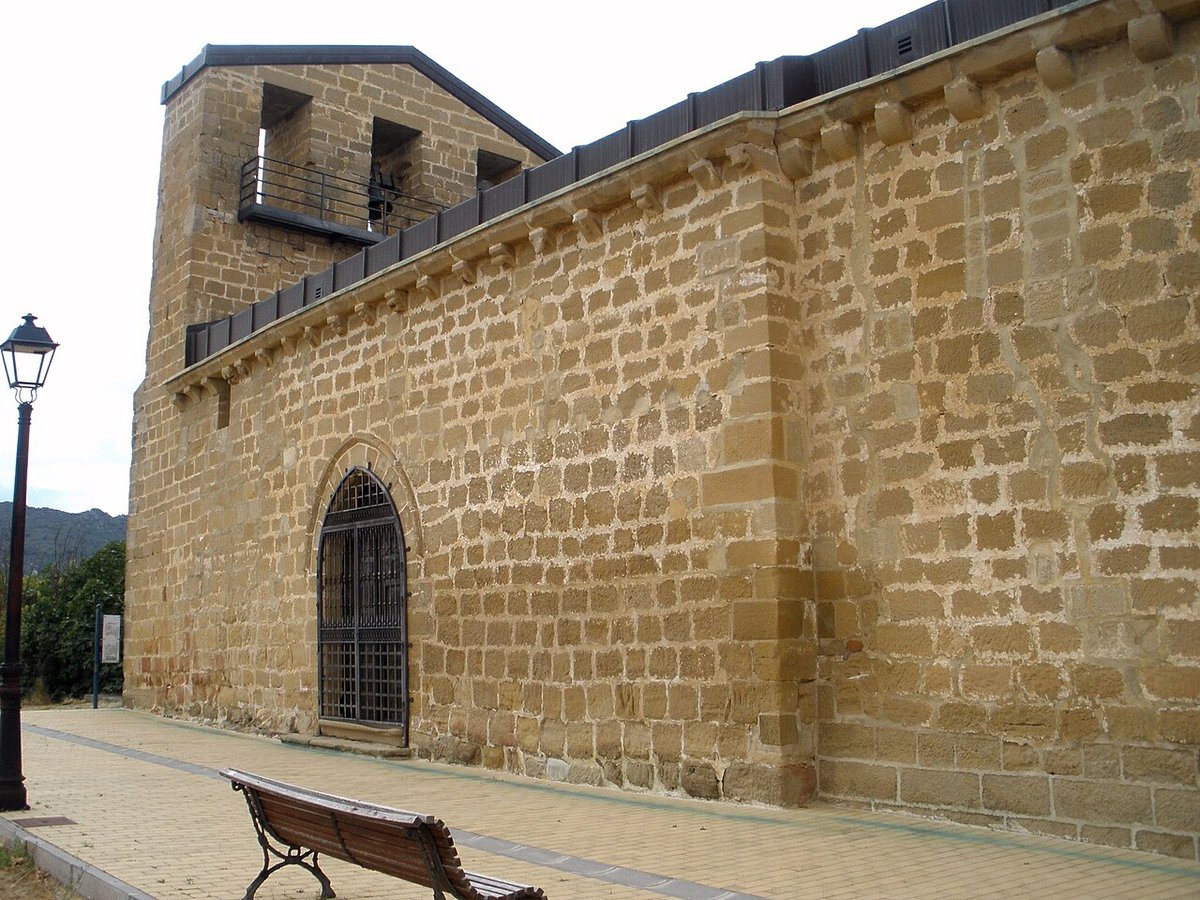
El centro lo ocupa la iglesia de San Andrés, de origen siglo XVI con reformas posteriores. No es un edificio grande ni especialmente llamativo, pero guarda un retablo barroco menor que merece una mirada cercana.
El resto del pueblo se organiza alrededor. Las casas se aprietan, acompañadas de antiguos corrales y espacios de almacén. El orden es práctico: viviendas compactas junto a zonas que servían para el ganado o para guardar la herramienta y la cosecha.
No hay elementos pensados para el visitante. El interés está en ver cómo se ordena la vida cotidiana en una comunidad rural mínima. La estructura responde a la necesidad, no a la decoración, y ha cambiado poco con el tiempo.
Senderos por las lomas
Varios caminos salen de Cellorigo hacia pueblos vecinos. Atraviesan colinas bajas cubiertas de matorral y bosquete. Eran las vías para moverse entre territorios o llegar a las tierras de labor.
Caminarlos da una medida más clara del relativo aislamiento del lugar. En distancia, Haro no está lejos. Sobre el terreno la sensación es otra: el terreno quebrado, el silencio alrededor y la rareza del encuentro con otra persona.
Estas rutas también sirven para situar el pueblo en su paisaje más amplio. Muestran cómo el movimiento siempre ha dependido de la forma del terreno, no de conexiones directas.
Una visita breve
Cellorigo no requiere mucho tiempo. En una hora se puede recorrer el núcleo entero, llegar a la iglesia y observar las casas y las estructuras agropecuarias que lo definen.
Algunos de los caminos que suben a las lomas cercanas dan una perspectiva más amplia. Tras una ascensión corta, se abre la vista sobre el asentamiento y su entorno. Desde arriba se ve con claridad la escala reducida de Cellorigo y su posición expuesta en el campo.
La visita funciona mejor con ritmo pausado. El lugar no presenta una sucesión de hitos monumentales. Ofrece, en cambio, la oportunidad de observar cómo se ordena un asentamiento rural mínimo y cómo se relaciona con su entorno.
Para tener en cuenta
En Cellorigo no hay comercios ni servicios. Los visitantes suelen venir desde Haro o desde otras localidades cercanas y regresar en el día.
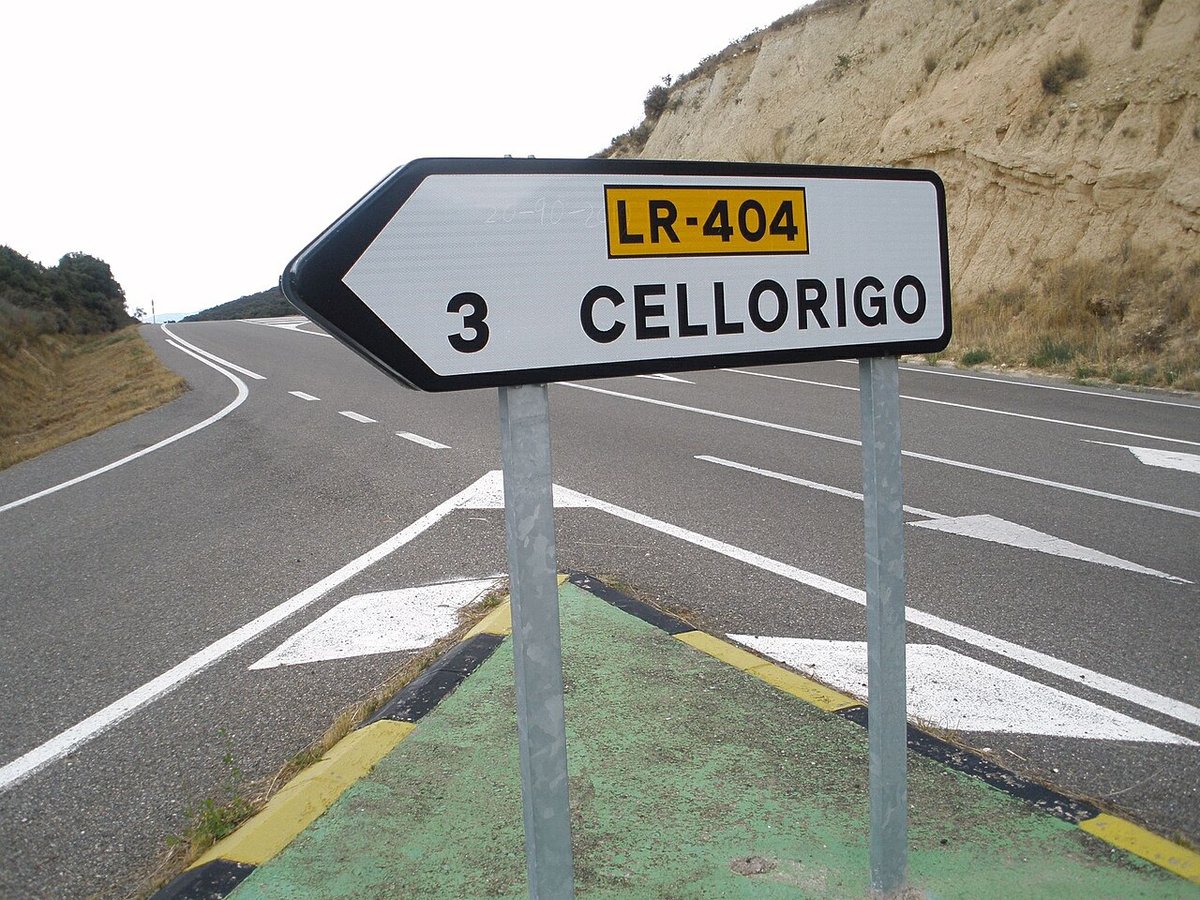
El acceso es por carreteras secundarias; el último tramo tiene curvas y calzada estrecha, cosa habitual en esta parte de la sierra. Conviene llegar con lo necesario, como agua, y aparcar sin obstruir los accesos dentro del pueblo.
Cellorigo no pide una estancia larga, pero sí un poco de paciencia. Más que un destino con atractivos concentrados, funciona bien como una parada en una ruta por los pueblos menos transitados de la Rioja Alta.