Full Article
about Cidamón
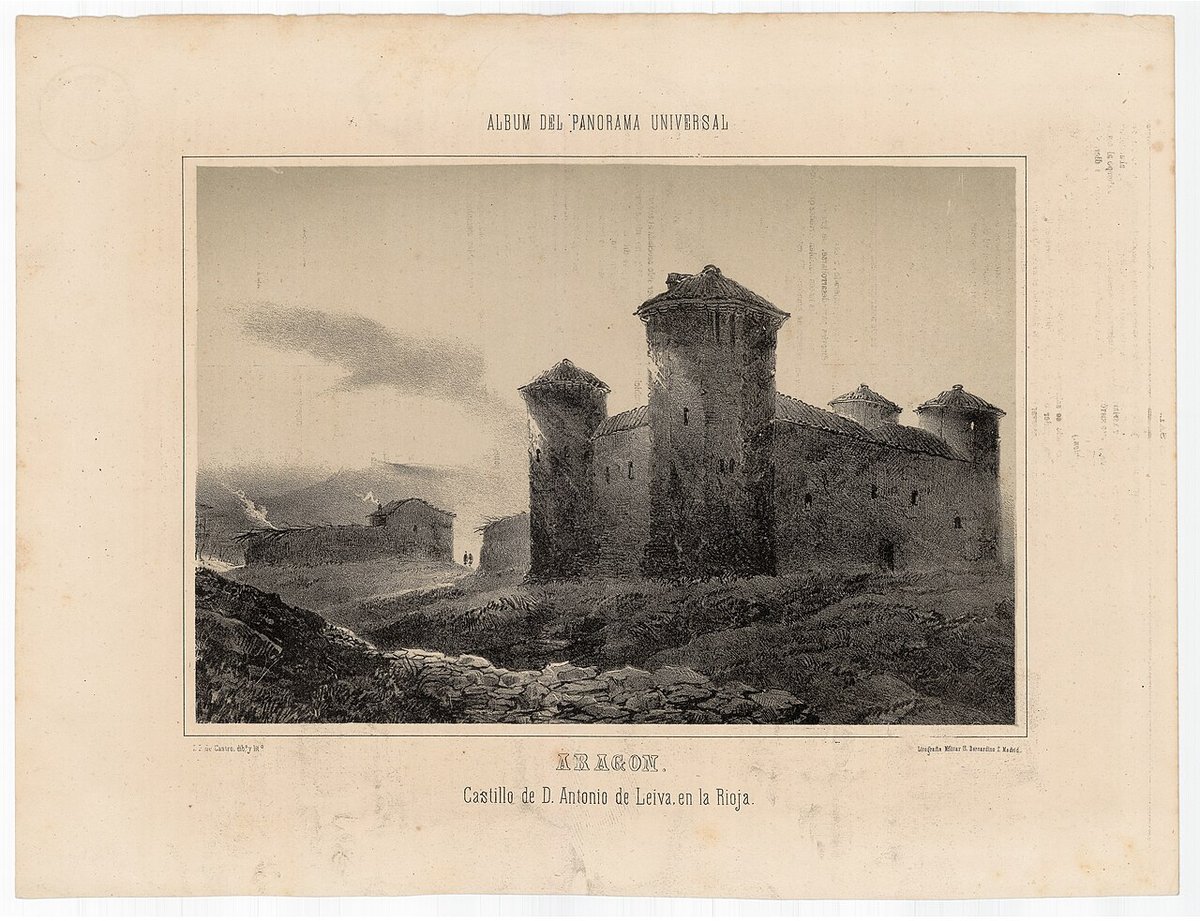
Small farming town with a private castle; known for its quiet and cereal fields.
Ocultar artículo Leer artículo completo
The Village That Nearly Isn't There
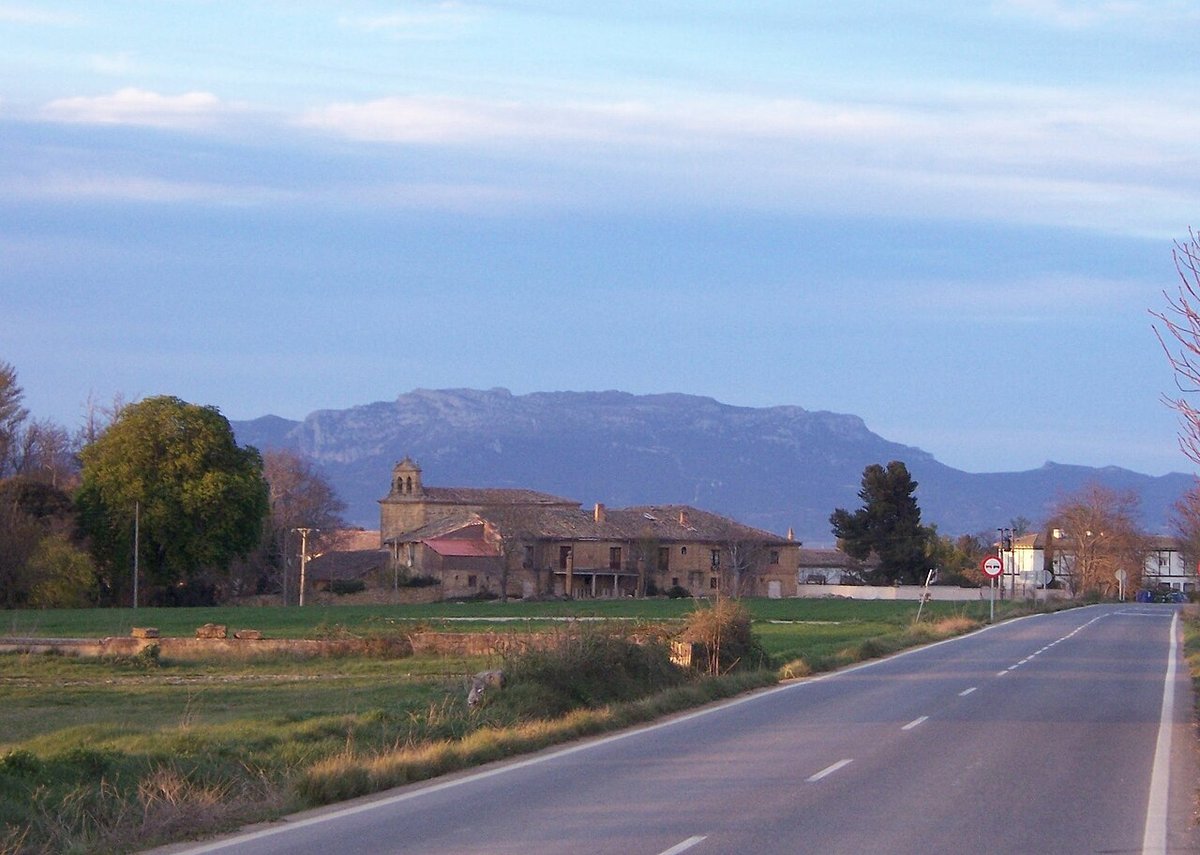
Twenty-three souls. That's fewer than staff at a medium-sized Tesco, and they're spread across a mountainside 593 metres above the Ebro plain. Cidamón doesn't announce itself—no medieval gates, no plaza mayor festooned with cafés, not even a petrol station. The road simply narrows, the tarmac gives way to rough concrete, and suddenly you're idling past stone houses that seem surprised to see a car.
This is La Rioja's forgotten pocket, where the region's famous vineyards peter out into cereal fields and the Sierra Cantabria starts proper. Drive here from Logroño and the landscape folds upwards after Haro; forty-five minutes later you've reached what locals call "el último lugar"—the last place before the mountains swallow civilisation whole.
What Passes for a Centre
Park where the concrete widens—there's no formal car park—and walk. That's it. The entire village core measures perhaps 200 metres end to end, a single lane flanked by two-storey houses built from ochre stone and brick. Their wooden doors bear the scars of centuries: iron studs, weather-warped planks, hand-forged hinges that would cost a fortune in a Notting Hill antique shop. Nobody's restored anything to "rustic chic" here; the patina is honest wear.
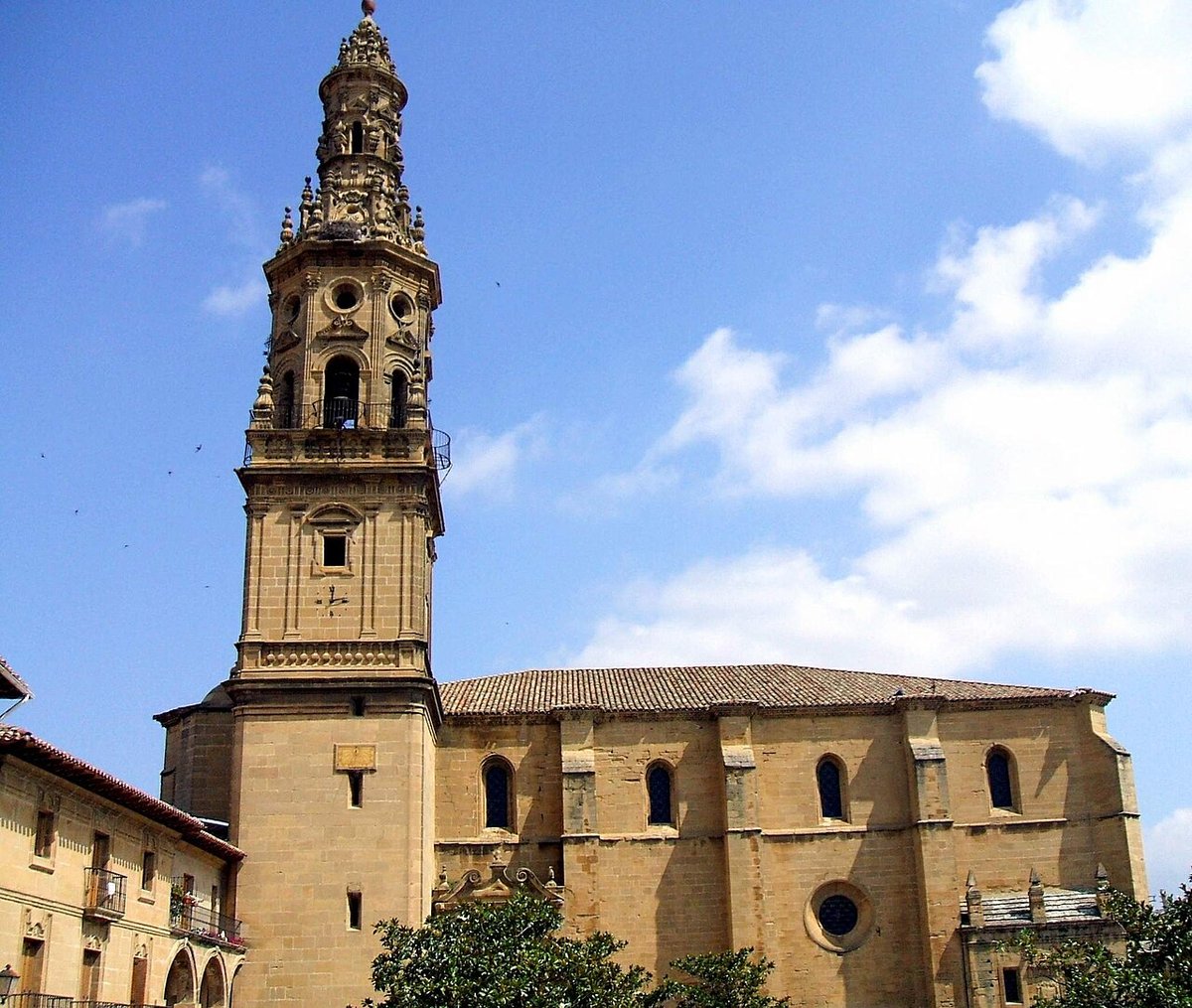
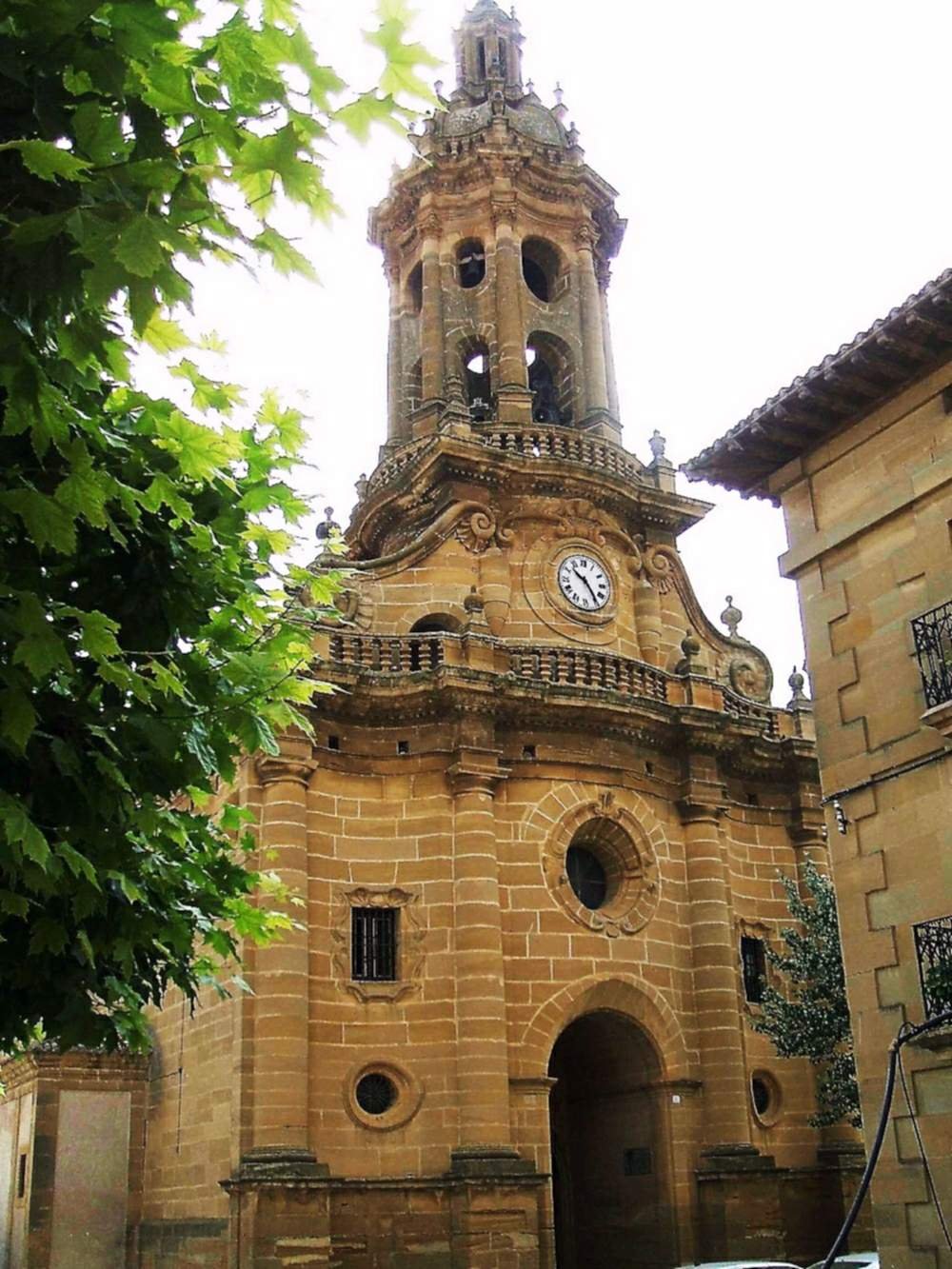
The parish church stands at the highest point, though calling it a landmark flatters it. A modest nave, a squat bell tower, walls three feet thick keeping summer heat and winter chill at bay. Step inside—doors are usually open—and you'll find cool darkness smelling of candle wax and old incense. No baroque gilt, no Renaissance marble, just whitewashed walls and a simple retablo that village craftsmen painted in colours they could afford. It's religion stripped of tourism's theatre, and somehow more affecting for it.
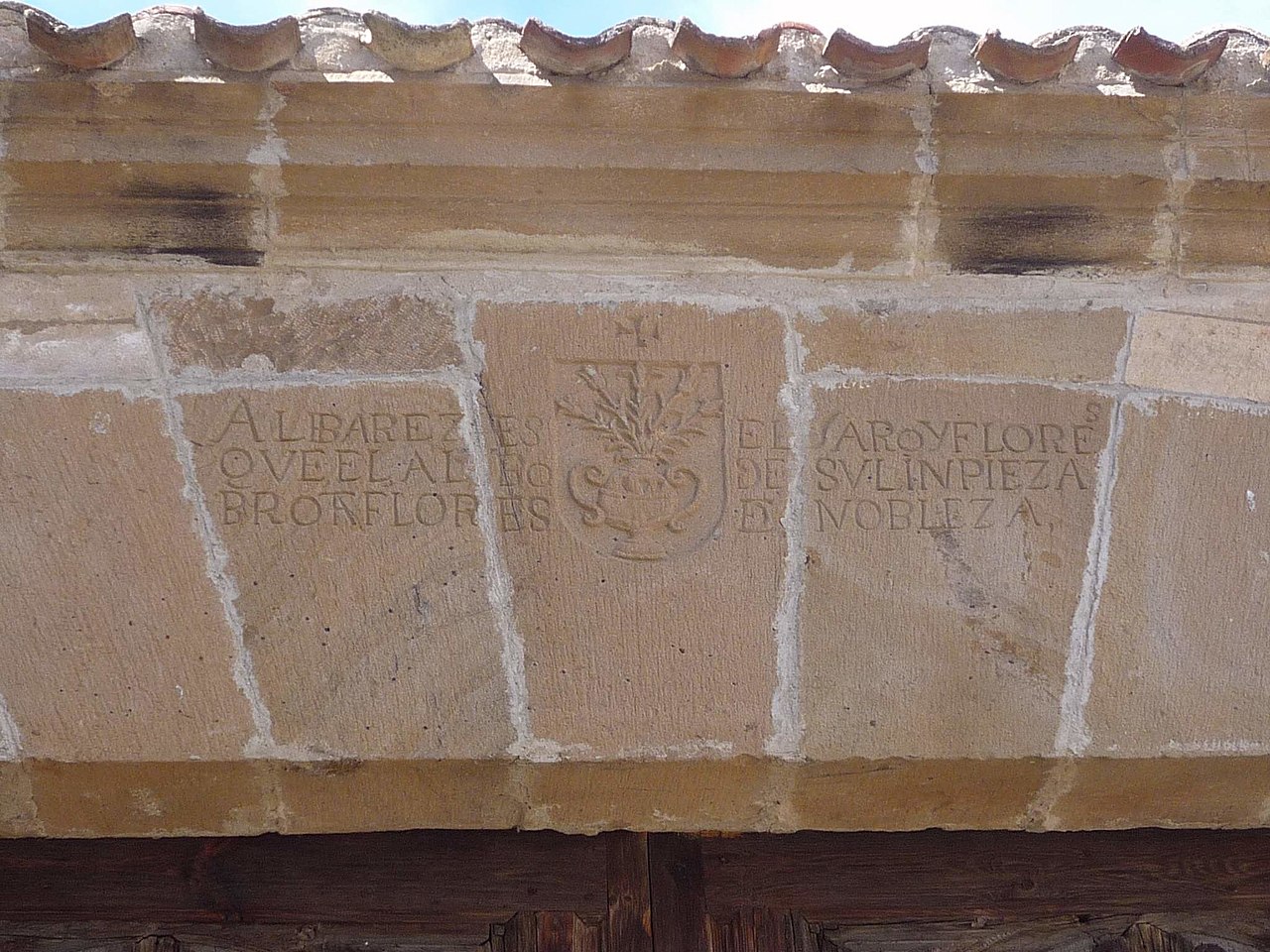
Outside again, notice the shields carved above some doorways: wheat sheaves, heraldic lions, dates ranging from 1642 to 1897. These aren't museum pieces but family histories carved in stone, the original social-media profiles. Read them slowly; there's no rush. There never is here.
Walking Into the Sky
Cidamón's real attraction begins where the tarmac ends. Three farm tracks radiate from the village, each climbing gently between wheat fields and pockets of holm oak. Choose any; they all lead within twenty minutes to the same reward—a ridge line where the ground drops away and the Obarenes mountains slash the horizon like shark's teeth.
Morning walks deliver the sharpest drama. At dawn the Ebro valley fills with cloud, leaving Cidamón perched on an island above a white sea. By nine o'clock thermals break the blanket; tendrils rise, swirl, evaporate. Bring binoculars—kestrels and short-toed eagles ride the same updrafts, hunting the field edges where irrigation channels attract small mammals.
Altitude makes weather fickle. Even in May you might start in sunshine and finish in cloud, temperature dropping ten degrees within minutes. Locals dress in layers year-round; follow their lead. Summer brings fierce ultraviolet—there's zero shade once you leave the houses—and winter can trap the village in freezing fog for days. The tracks remain passable but turn slick with red clay; proper walking boots beat city trainers every time.
Lunch, If You Planned Ahead
Here's the catch: Cidamón has no bar, no shop, no Sunday-morning baker driving up from Haro. The last grocery van called weekly until 2018, then stopped when the driver retired. Come self-sufficient or go hungry. Picnic tables? None. Instead, head ten minutes down the road towards Badarán where a stone bench beside a ruined watermill offers shade and a view back towards the village. Spread your chorizo and cheese, pour coffee from a flask, listen to nothing louder than wind.
If you crave civilisation, Haro lies twenty minutes west—Rioja's wine capital with asador restaurants serving roast lamb at €28 a kilo and tasting menus that pair every course with a different vintage. Book ahead at weekends; hen parties from Leeds and Düsseldorf have discovered the place.
The Honest Season
Spring delivers the obvious spectacle: green wheat rippling like ocean swell, poppies splashing scarlet across field margins, nightingales singing from every thicket. But autumn rewards the patient. After harvest the land turns pale gold; stubble fires send thin blue columns skyward, scenting air with woodsmoke and straw. Light levels drop, sharpening every outline so the mountains look cut from cardboard and pasted onto a cobalt sky.
Avoid August middays when asphalt shimmers and even lizards seek shade. January and February bring their own austere beauty—frost silvering the plough, stone walls warm against snow—but daylight lasts barely nine hours and the sun never climbs high enough to thaw north-facing slopes. Come prepared: mobile signal dies two kilometres outside the village, so downloading offline maps before leaving Haro isn't paranoid, it's sensible.
How to Arrive, How to Leave
Direct public transport doesn't exist. The nearest bus stop sits six kilometres away on the LR-401, served twice daily by a Haro–Logroño service that waits for nobody. Hire a car at Bilbao airport (95 minutes) or Logroño station (50) and accept that the final six kilometres wriggle uphill on a single-track road with passing places. Meeting a tractor around a blind bend focuses the mind; reverse until wing mirrors brush wheat stalks, raise a hand in thanks, drive on.
Staying overnight means looking elsewhere. Casalarreina's converted monastery offers boutique doubles from €120, while Haro's Parador occupies a fifteenth-century palace at €180 including use of the wine spa. Campers wild-pitch at their peril: farmers tolerate late arrivals who leave at dawn, but gates get locked and dogs roam free. Better to base yourself in the valley and treat Cidamón as a half-day detour, the pause that punctuates a longer circuit of Rioja's bodegas and Romanesque churches.
The Anti-Souvenir
There's nothing to buy here, and that's the point. No fridge magnets, no artisanal cheese, nobody selling "authentic" pottery knocked up in a Chinese factory. Your souvenir is perspective: the memory of standing on a ridge with only skylarks for company, looking down on a village so small you could fit the whole population into a single London bus. Twenty-three people keep this landscape alive, tending fields their great-grandfathers cleared from forest. Visit, walk, breathe, leave. Cidamón will still be there tomorrow, quietly existing whether anyone watches or not—and somehow that's enormously reassuring.