Full Article
about Cihuri
A village where the Oja and Tirón rivers meet; noted for its Roman bridge and swimming spots.
Hide article Read full article
A Small Detour in Rioja Alta
Cihuri is the sort of village you come across almost by accident, the kind of place you reach after turning off the road for five minutes just to see what is there. What you find is simple: a handful of streets, vineyards all around, and the deep quiet that settles over Rioja Alta once you move a little away from Haro.
Tourism in Cihuri works differently from the better-known villages in the area. There are no queues for photographs and no historic quarter lined with explanatory panels. It feels more like a pause on the way somewhere else. You walk for a while, look around, and quickly understand where you are.
This is La Rioja, a region in northern Spain closely associated with wine, particularly the Rioja denomination. In this part, known as Rioja Alta, small settlements sit among rolling vineyards, with the River Ebro valley shaping the wider landscape.
A Church and a Handful of Streets
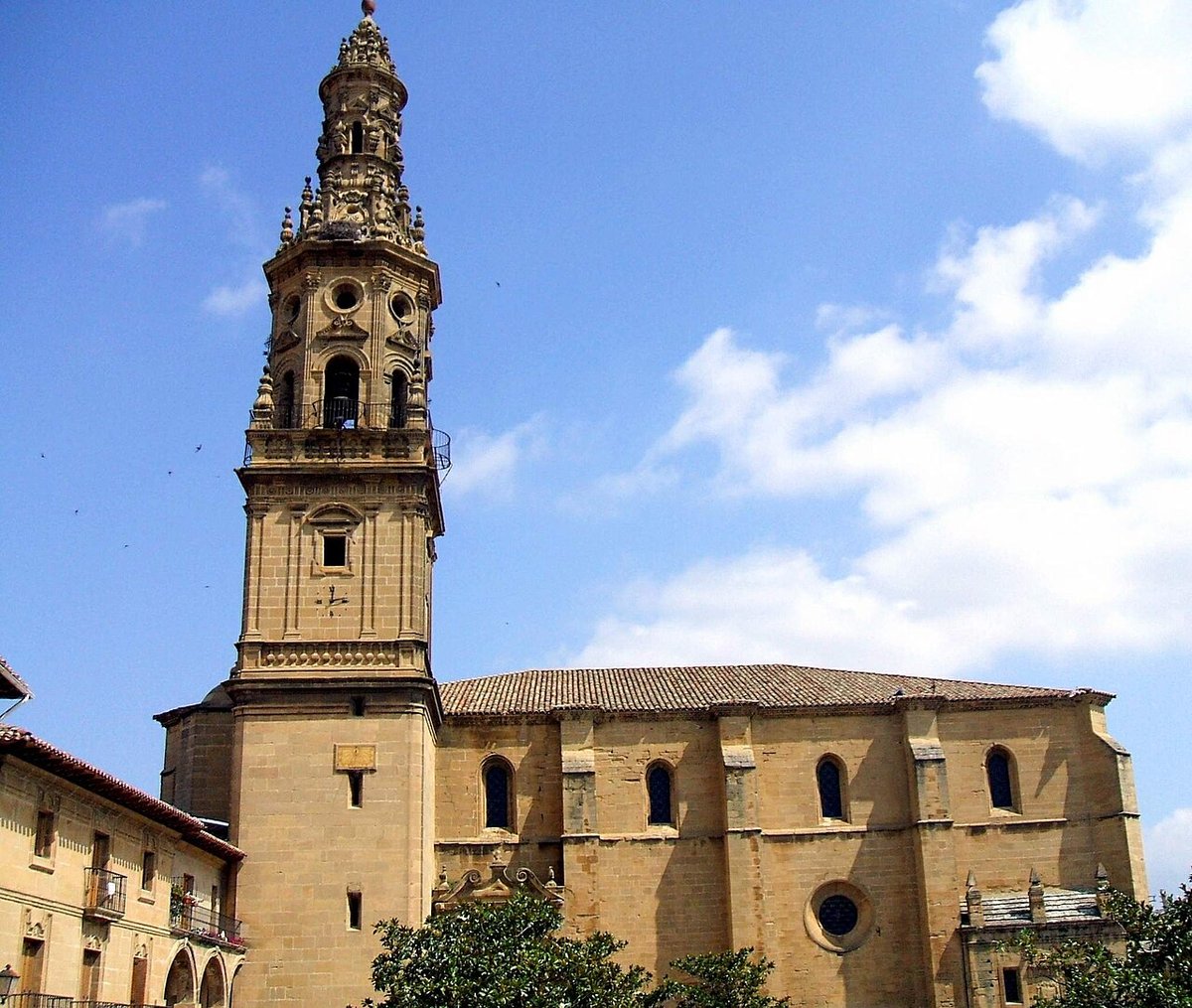
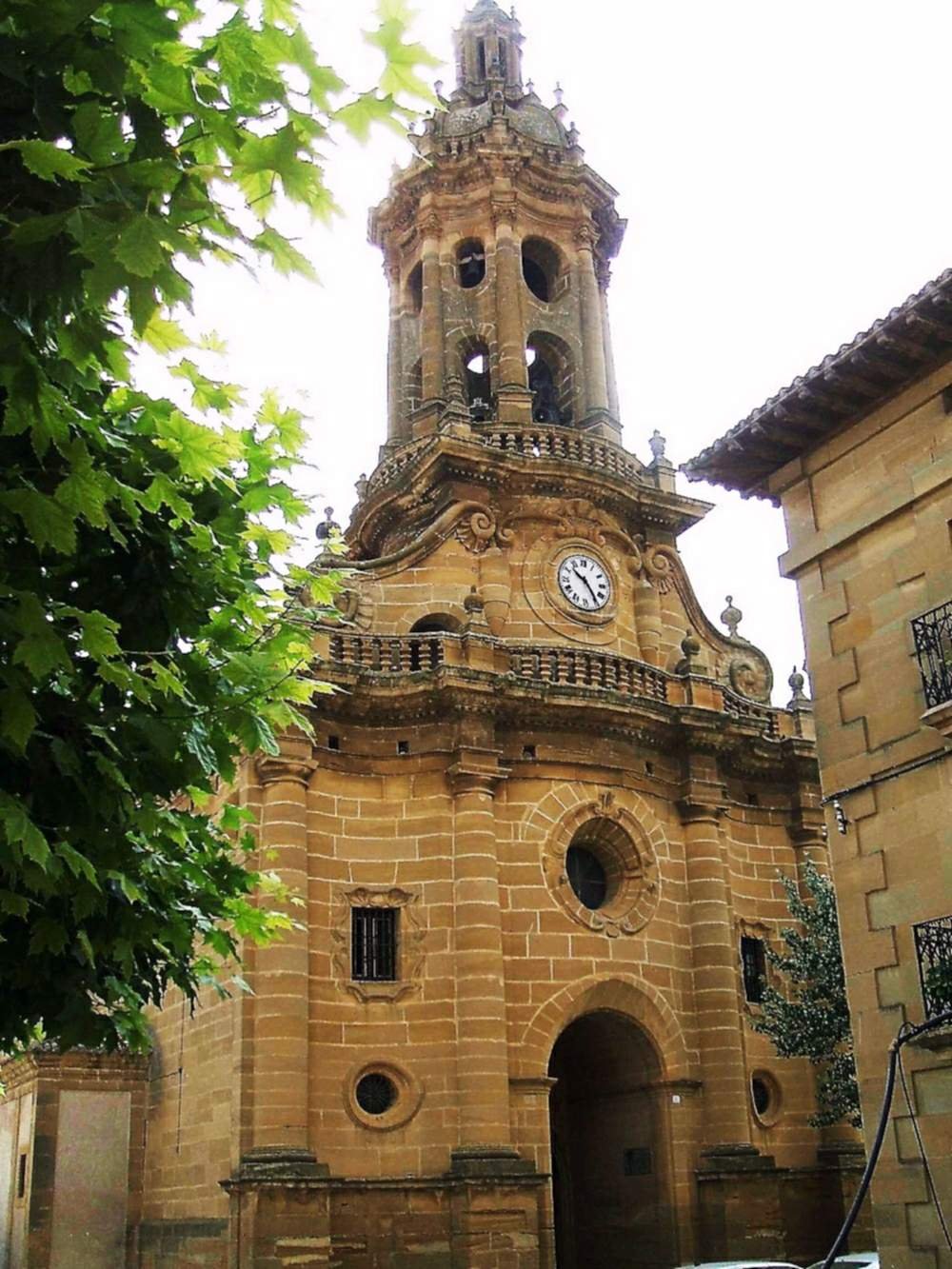
The clearest landmark in Cihuri is the church of San Martín. It is Romanesque, one of those rural churches that seem built more to endure than to impress. Walk slowly around it and the different parts of the building become clear: a slightly sturdier tower, a simpler doorway, thick walls with little decoration. It is not a spectacular monument, yet it fits the character of the village perfectly.
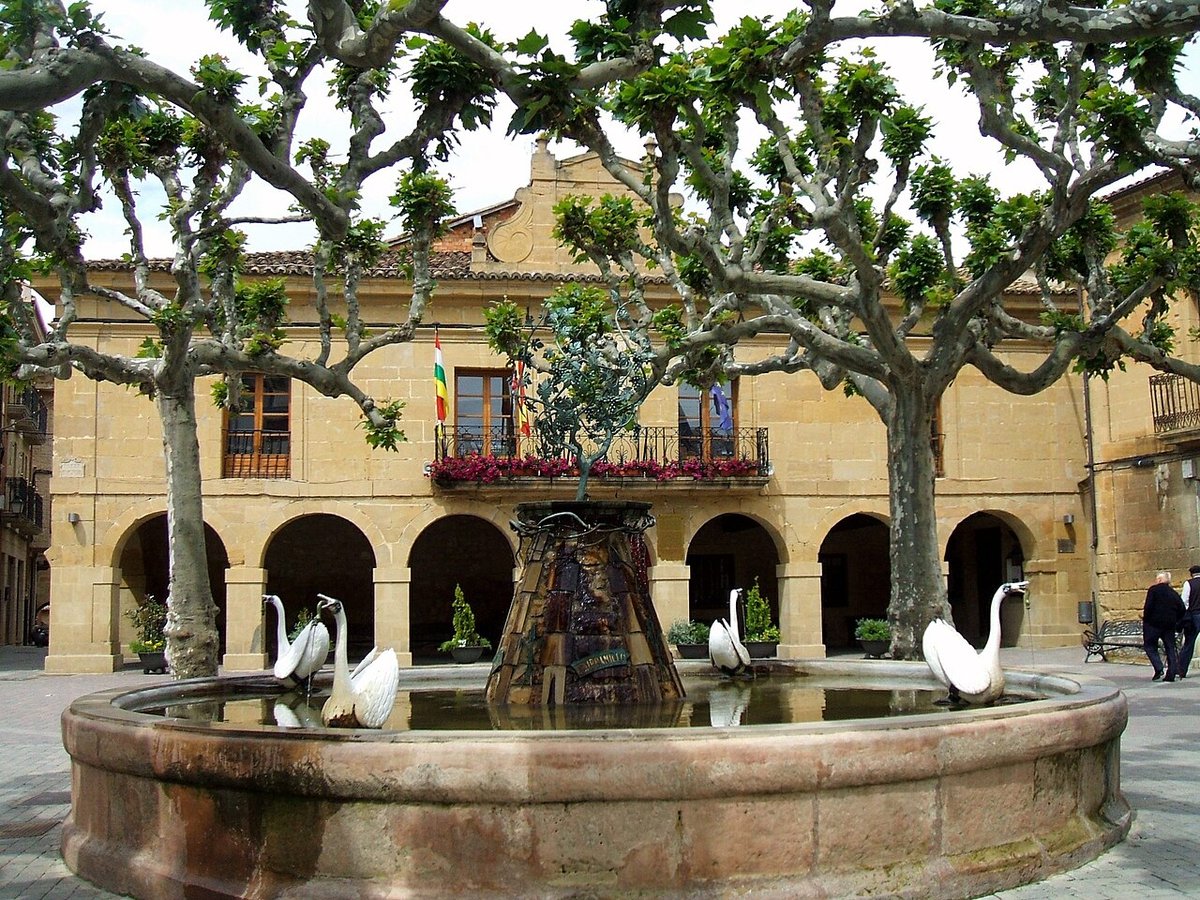
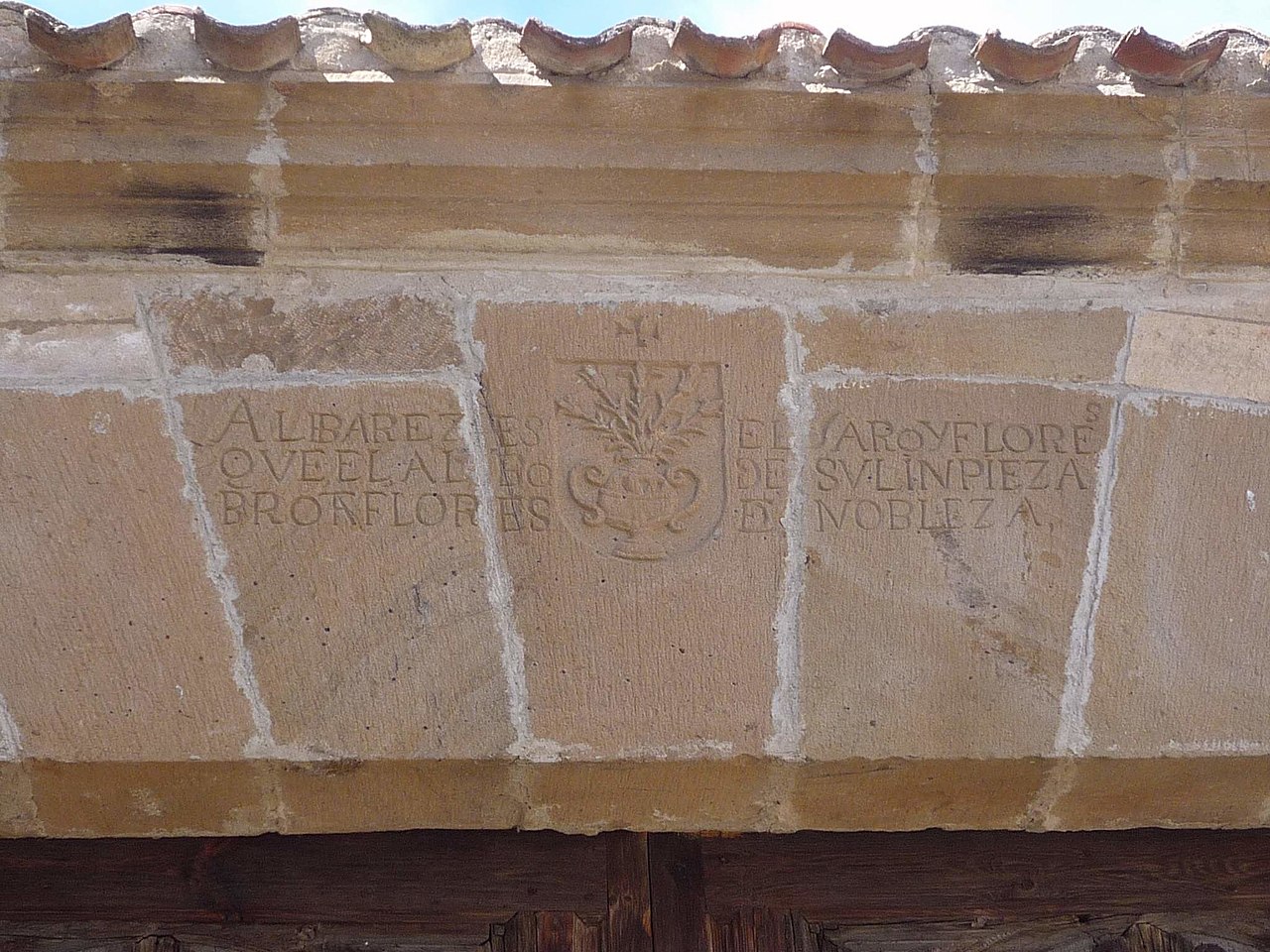
The urban centre is small and can be covered in very little time. Sandstone houses line the narrow streets, some with large wooden gates, others with galleries that have already endured many winters. There is no need to follow a marked route. The best approach is to wander without hurry and notice small details, perhaps a carved coat of arms on a façade or old iron grilles that have remained in place for decades.
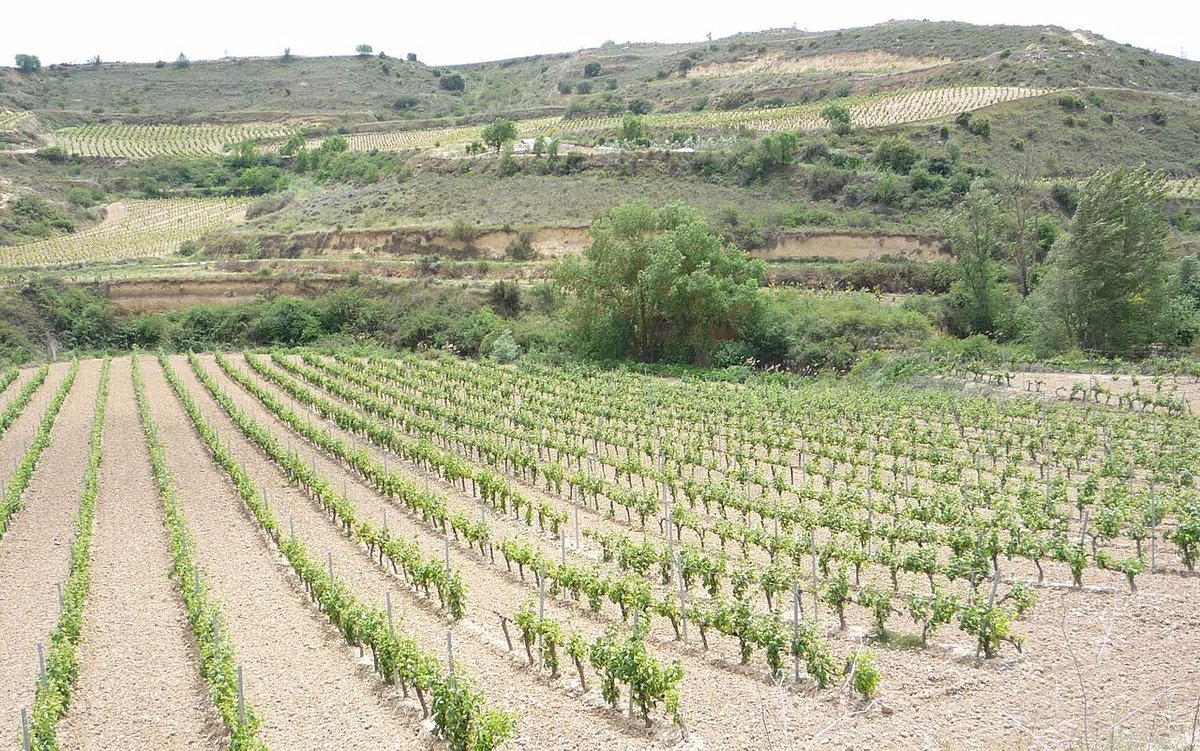
Once you step beyond the last houses, the scenery changes quickly to vineyards. This is typical of Rioja Alta: compact villages encircled by rows of vines. Take one of the nearby agricultural tracks and views soon open out across the Ebro valley. In the distance, the Sierra de Cantabria draws a firm line along the horizon.
The setting explains much about the village. Cihuri is not separated from its surroundings; it sits directly within them. The vineyards are not a backdrop but part of daily life.
Making the Most of a Few Hours
Cihuri can be seen quickly. A relaxed morning is enough to walk through the entire village without checking the time.
A simple plan works well: leave the car at the entrance, head towards the church of San Martín, stroll through the central streets and then continue out along one of the paths that cross the vineyards. That is when the village makes most sense, because you can see how it fits into the wider landscape.
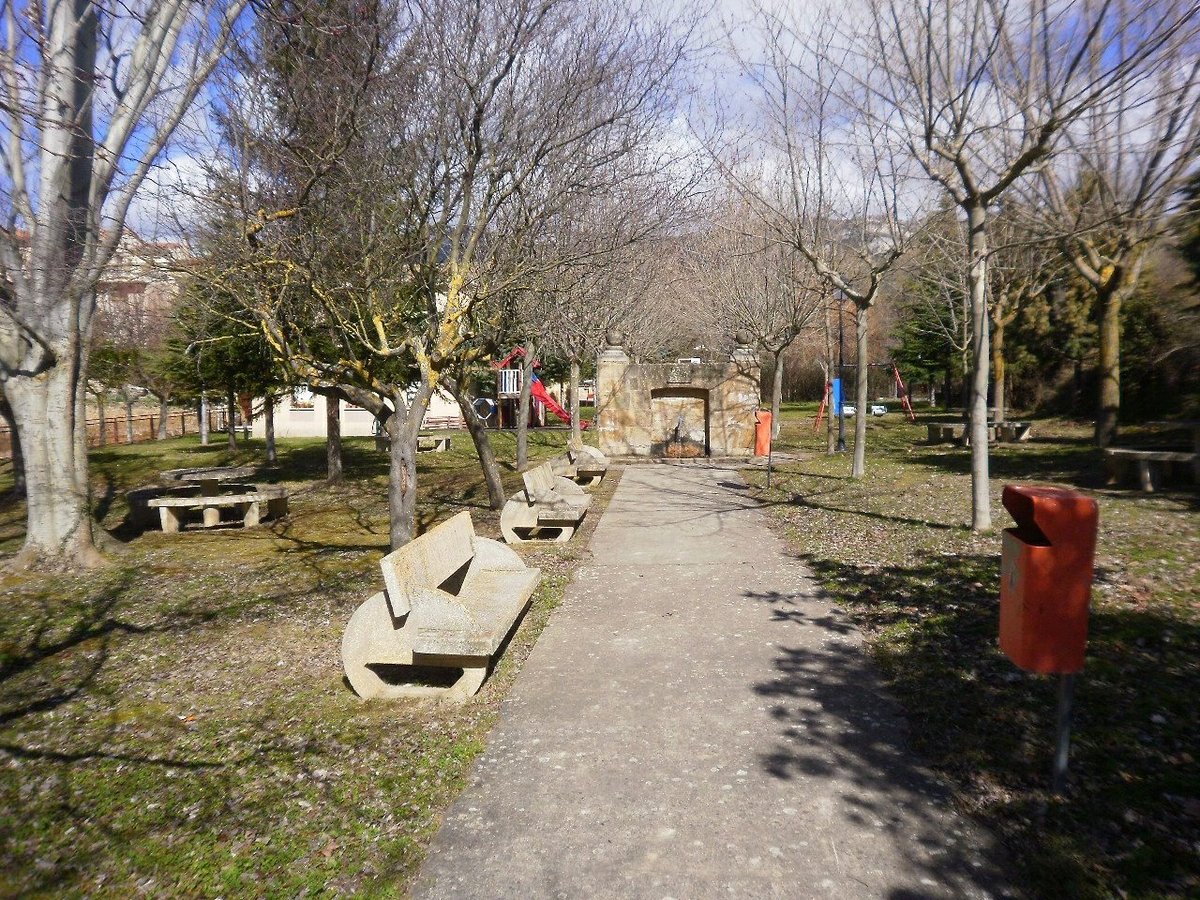
Afterwards, sit for a while on a small square or a bench in the sun. There is no need to complicate things. Cihuri does not demand a packed itinerary or a checklist of sights. Its appeal lies in its scale and its calm.
With only a couple of hundred residents, the village is very small and it shows. Everything is close together, and distances are short. As a brief stop while travelling through Rioja Alta or visiting other villages near Haro, it works particularly well.
When to Visit Without Overthinking It
Spring and autumn are usually the most rewarding seasons in this area. The vineyards shift in colour and the landscape gains a great deal from those changes. Fresh greens or warmer tones alter the view completely, even if the layout of village and fields remains the same.
In summer, the challenge is less the village itself and more the surrounding paths. Some stretches offer little shade, and the heat can be intense around midday. If visiting at that time of year, it makes sense to come early in the morning or later in the afternoon.
Rain brings its own considerations. Dirt tracks between the vineyards can become heavy underfoot, so if the plan involves walking out into the fields, it is worth bearing that in mind beforehand.
None of this requires careful planning. Cihuri is straightforward. The experience depends more on light, temperature and the state of the paths than on opening times or organised visits.
A Few Practical Notes
The streets in Cihuri are narrow, and in some places barely wide enough for a car to pass. If driving into the centre, park thoughtfully to avoid blocking a corner or a garage entrance. The village layout was not designed for modern traffic.
It also helps to arrive with realistic expectations. Cihuri is very small and can be covered quickly. There is no long list of attractions, no packed programme of activities. Its role is different. It suits travellers who are already exploring Rioja Alta and want a short, quiet stop between larger destinations.
In return, Cihuri offers something many more famous places have lost: tranquillity. The normal soundtrack here is the sound of your own footsteps along the street. Look up and there are vineyards in every direction. For many visitors, that is enough.