Full Article
about Cuzcurrita de Río Tirón
A noble town with a well-preserved castle by the river; a quality tourist destination.
Ocultar artículo Leer artículo completo
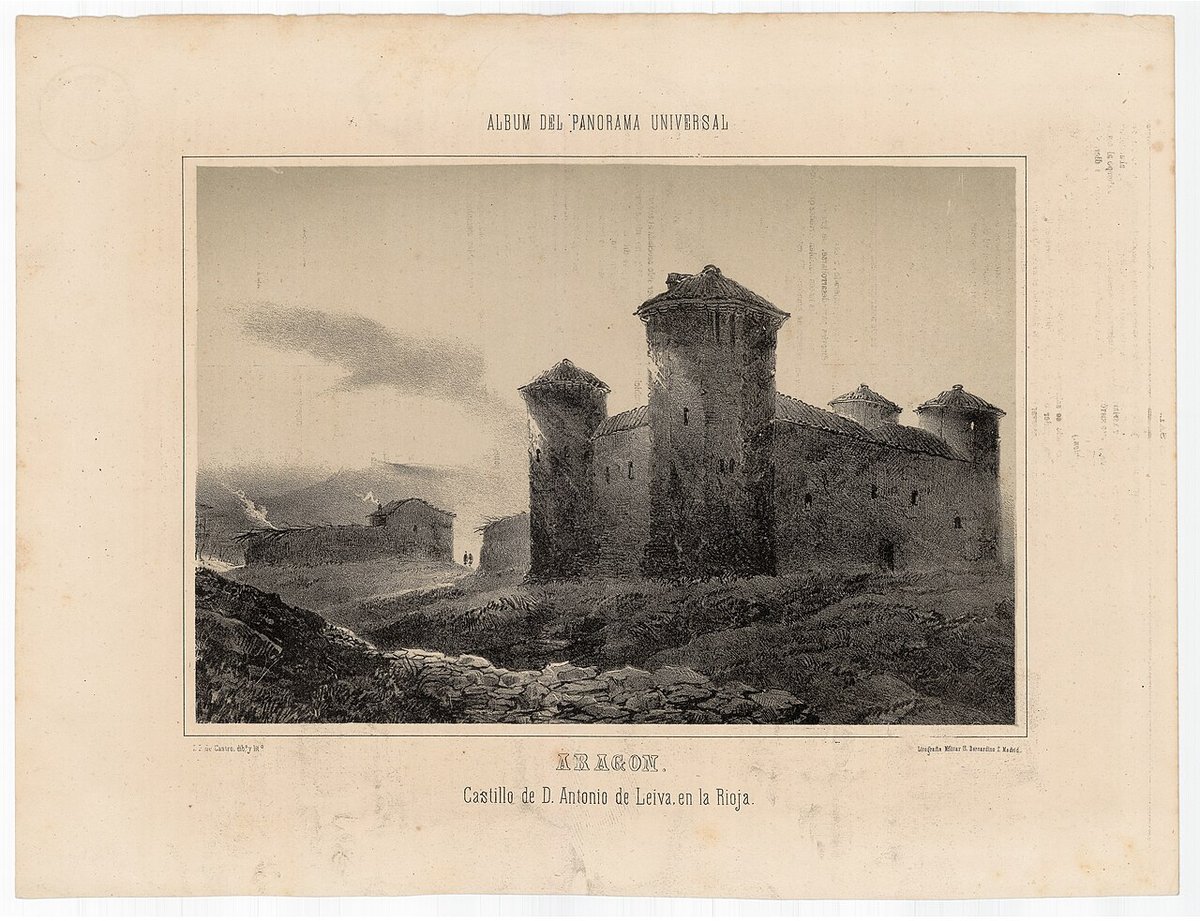
The castle gate swings inward with a medieval groan, and suddenly you're standing in a wine estate rather than a museum. This is Cuzcurrita de Río Tirón, where a 14th-century fortress doubles as a working bodega and the village's 526 residents still outnumber visitors by a comfortable margin.
Wine in the Blood
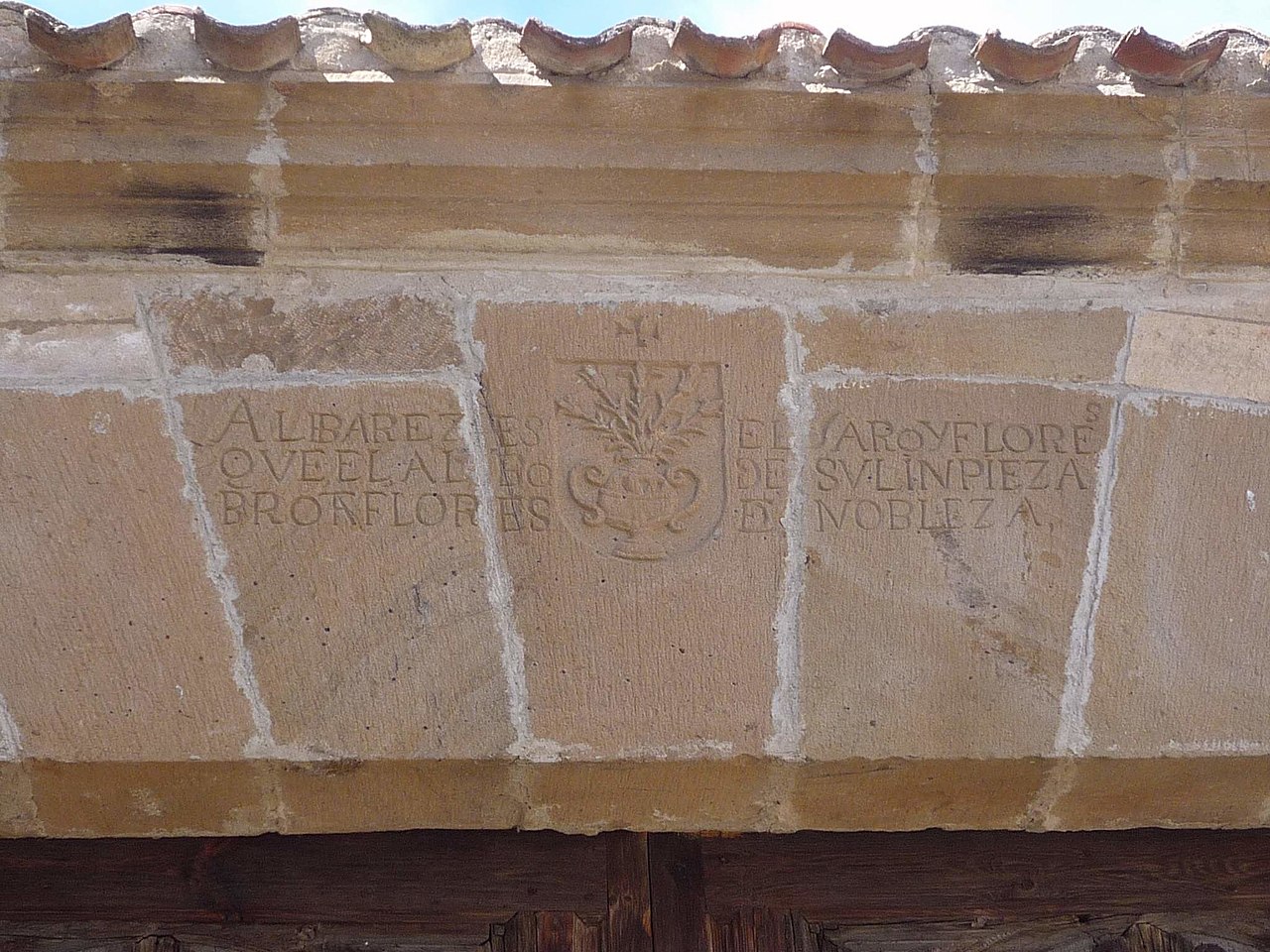
Stone houses press shoulder-to-shoulder along Calle Mayor, their wooden balconies sagging with geraniums. Look up and you'll spot carved coats of arms above doorways—remnants from when this was farming gentry rather than aristocracy. The economy hasn't changed much: vines still stripe every horizon, and the weekly tractor parade happens at dawn when most tourists are asleep.
The Señorío de Cuzcurrita castle operates by appointment only. Email a week ahead and you'll taste single-estate Tempranillo in the former armoury, surrounded by suits of plate mail. It's theatrical, yes, but the wine stands up to scrutiny—silky, fruit-forward, nothing like the oak bombs British supermarkets flog as "Rioja". Tastings run €15-25 depending on how many vintages you work through.
Smaller family bodegas dot the backstreets, identifiable by the faint yeasty smell drifting from cellar grates. These aren't set up for coach parties; ring the bell and someone will wipe their hands on a tea towel before letting you in. Expect to pay €8-10 for a casual pour and conversation about harvest dates. During September's vendimia, they might hand you secateurs and point toward the vines.
Up the Bolo
Behind the cemetery, an unmarked dirt track climbs past abandoned threshing circles. Fifteen minutes of steady ascent brings you to the Bolo viewpoint, where the whole Rioja Alta spreads like a patchwork quilt—green wheat squares, ochre earth, and the silver ribbon of Tirón river marking the border with Burgos province. Early morning light turns the stone walls honey-coloured; photographers should set alarms.
The descent loops through holm-oak scrub where wild asparagus sprouts in spring. Locals carry plastic bags on Sunday walks, filling them for tortilla fillings. If you spot them, nod politely—this is their supermarket, not a photogenic backdrop.
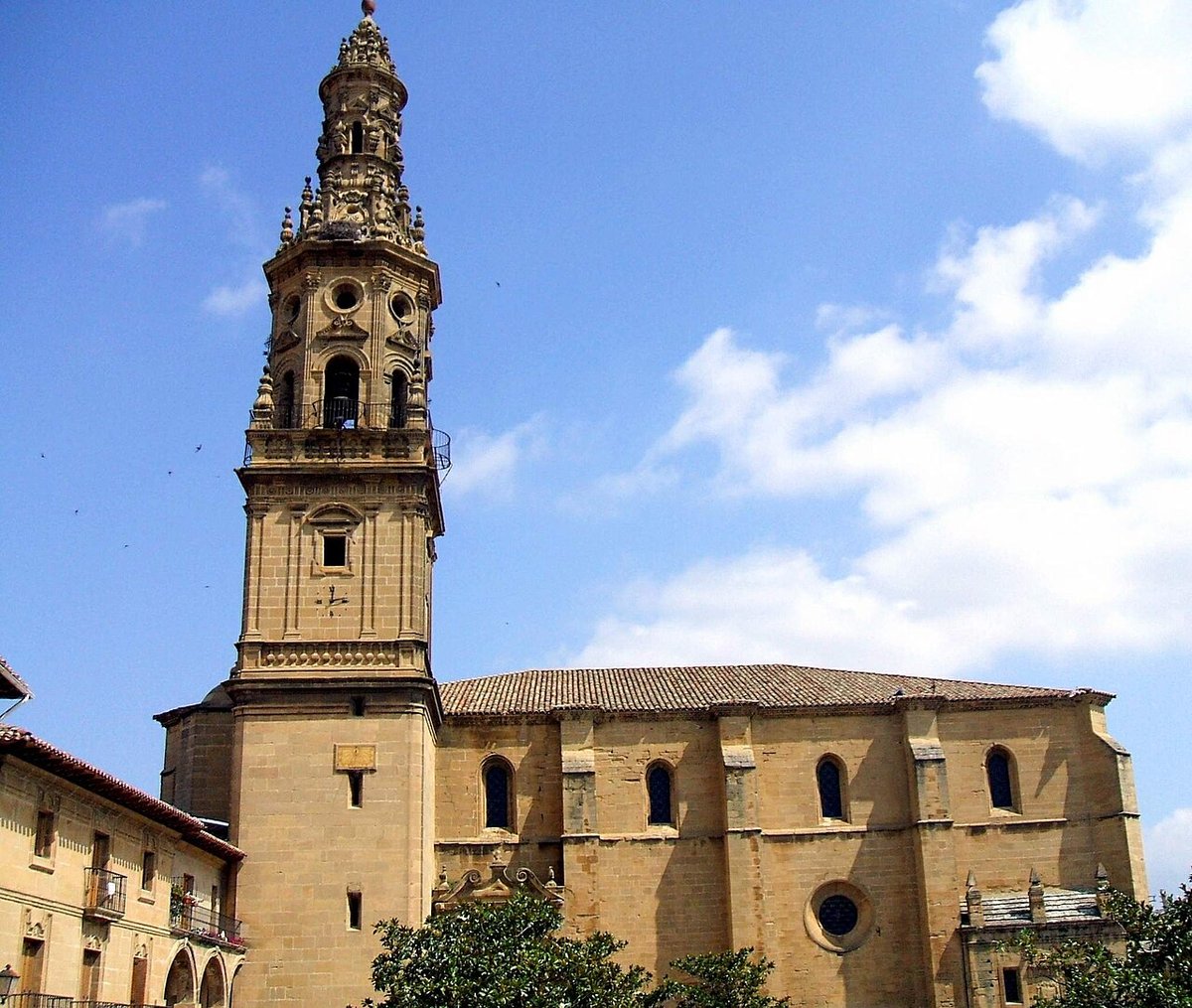
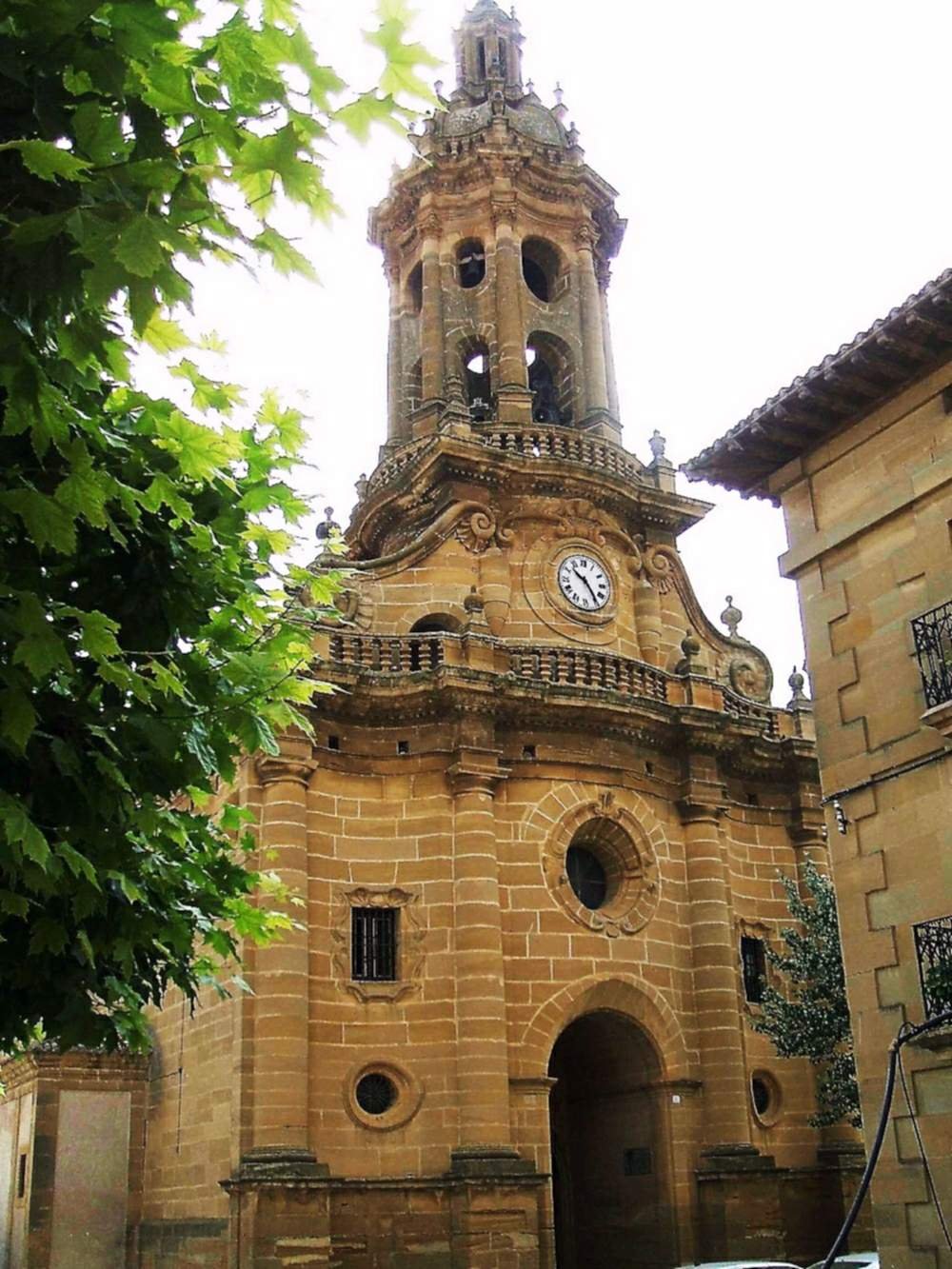
Back in the village, the Church of San Miguel hides a curved baroque façade that art historians call "movimiento" for its rippling stonework. Inside, the temperature drops ten degrees and the smell is pure incense and old timber. The tower serves as orientation point; lose yourself in the labyrinth of alleys, then head uphill until you spot it again.
What You'll Actually Eat
Forget tasting menus. The single bar open mid-week serves menestra de verduras—a spring vegetable stew that changes with whatever the cook's garden produces. Order chuletón al estilo rioja and they'll bring a 1 kg T-bone cooked rare, flanked by chips and padrón peppers. One feeds two comfortably; prices hover around €28 per kilo.
Patatas a la riojana taste like a Spanish take on Lancashire hotpot, paprika-laced rather than spicy. Wash it down with house wine poured from an unlabelled bottle—usually made by the owner's cousin. Sunday lunchtime gets busy with multi-generational Spanish families; arrive before 14:00 or expect to wait until 16:00 when the kitchen restarts.
The village shop stocks tinned tuna, local cheese and not much else. Pick up queso camerano, a goat's cheese milder than Manchego, then realise you've forgotten crackers. No matter—the baker delivers crusty loaves to the bar at 19:00 sharp.
When Silence Descends
Cuzcurrita rewards slow travel. Morning mist lifts off the Tirón to reveal herons stalking the shallows. By noon, heat shimmers off stone and even the dogs seek shade. Siesta isn't cultural performance—it's survival. Shops shut, streets empty, the only sound is river water over stones.
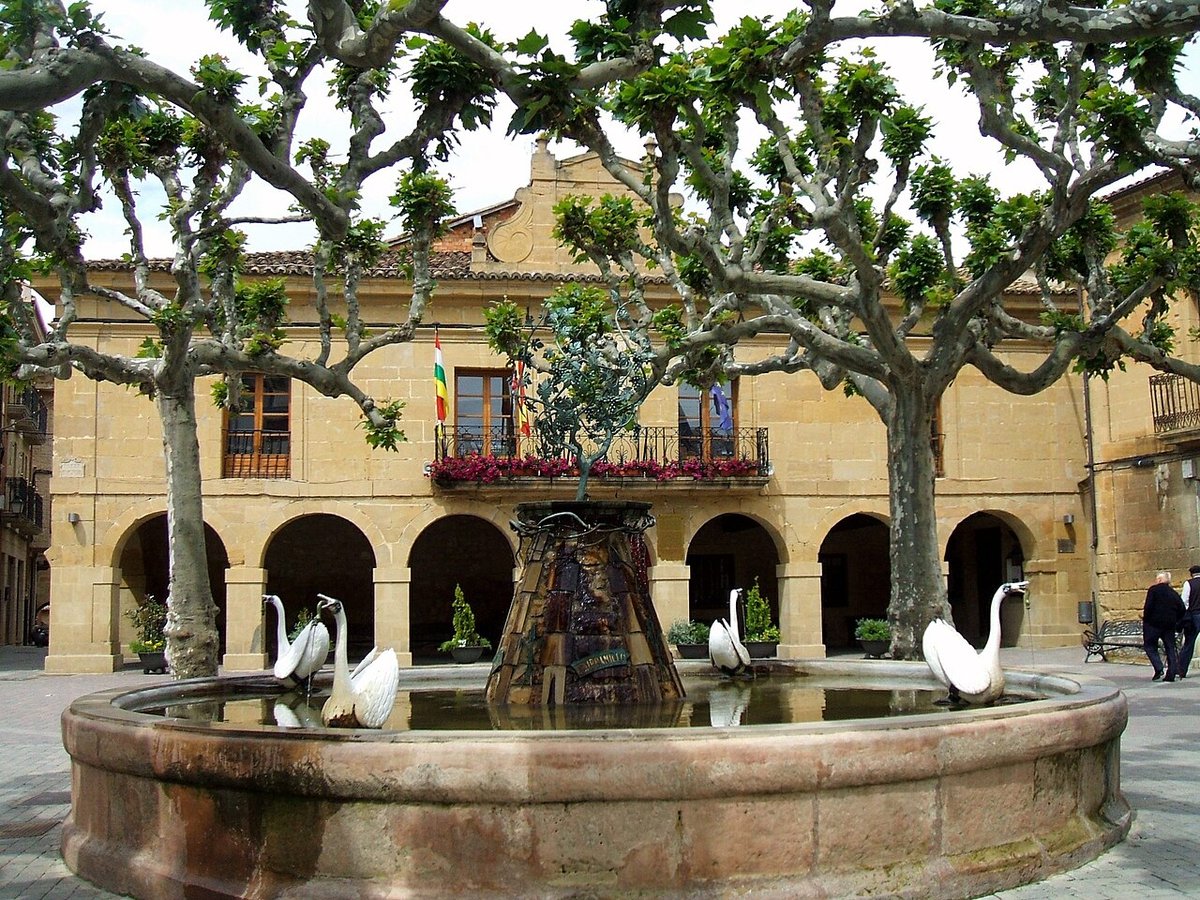
Evening brings communal life to the plaza. Teenagers circle on bicycles while grandparents hold court on metal benches. Join them with an ice cream from the machine inside the bar (€1.50, two flavours maximum) and you'll field polite questions about British weather.
Winter visits require planning. Mountain air drops sharp at this altitude; snow isn't unknown. The castle closes January-February, and some bodegas only open weekends. Spring brings almond blossom racing up the valley, while autumn smells of crushed grapes and woodsmoke.
The Practical Bits
Base yourself here for a triangle of wine towns: Haro sits 11 km south with its famous station district bodegas, Logroño's tapas bars lie 51 km east. Having a car helps, though buses connect to Haro twice daily except Sundays.
Parking works on common-sense rules—leave the car at the village entrance and walk. Narrow medieval streets weren't designed for wing mirrors; rental companies notice scrapes. The single hotel occupies a converted manor house with five rooms from €70 including breakfast. Alternative accommodation hides in vineyard cottages outside the village; owners leave keys under flowerpots and trust you to lock up.
Mobile signal drops in the river valley. Download offline maps before arrival, and don't rely on contactless payments—bring cash for wine purchases under €20. Most castle tastings finish by 18:00, after which silence returns and the only decision left is which bar stool claims you for dinner.
Stay two hours and you'll tick the sights. Stay two days and the village starts recognising you, waving from doorways as you pass. Either works—just don't expect souvenir shops or guided tours. Cuzcurrita offers something rarer: a Rioja community where wine making never became performance, and where tomorrow's weather matters more than TripAdvisor rankings.