Full Article
about Foncea
Bordering Burgos in the Montes Obarenes; known for its stone archway and cobbled streets.
Hide article Read full article
A village that takes its time
Some places reveal themselves in twenty minutes. Others take a little longer to make sense of. Foncea, in La Rioja Alta, belongs to the second group.
At first glance it can seem like very little: a handful of stone houses, silence, and not much else going on. But that impression shifts once you start walking and take in the surrounding countryside. The rhythm here is slow, shaped by the land and by the routines of a small rural community.
There are no museums or headline monuments. Instead, there is a compact cluster of streets, a church at the centre, and vineyards that begin almost at the edge of the last house. Everything feels close to the ground, both literally and in spirit.
The church of San Martín de Tours
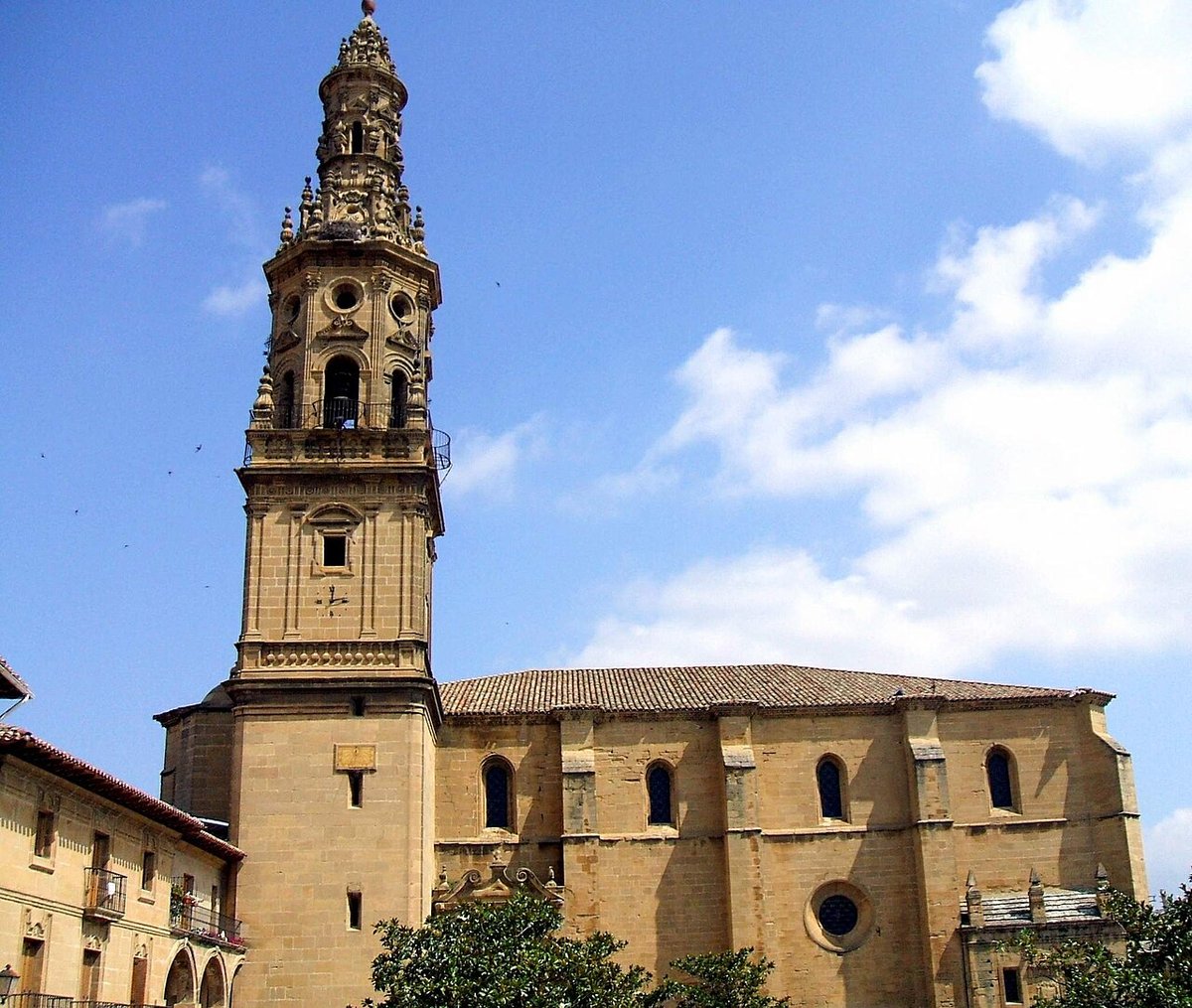
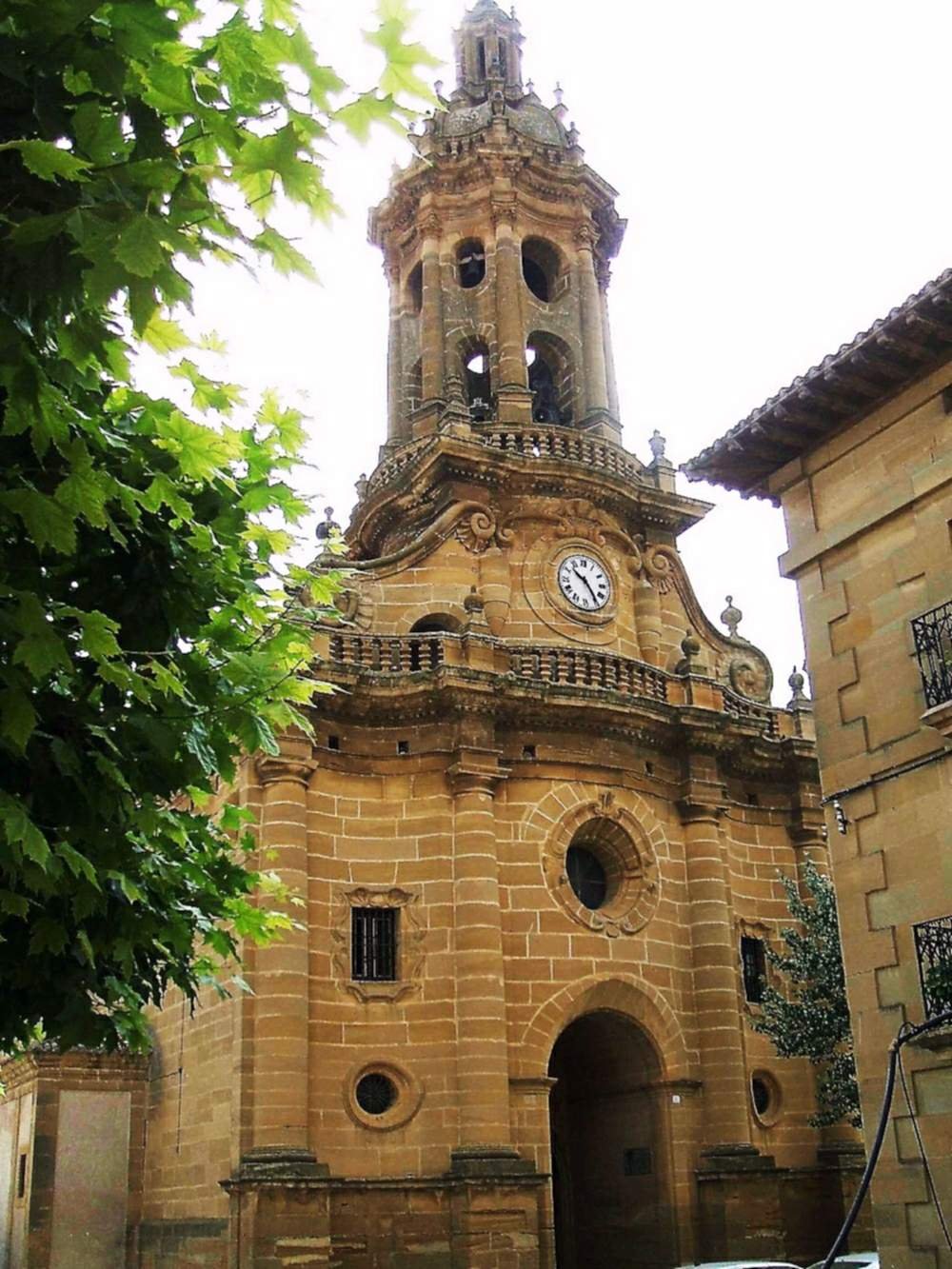
At the heart of Foncea stands the church of San Martín de Tours. It is not especially large, nor does it stand out dramatically from the outside. Stone walls, balanced proportions and a simple tower give it a quiet presence, the kind that helps you find your bearings as you move through the village.
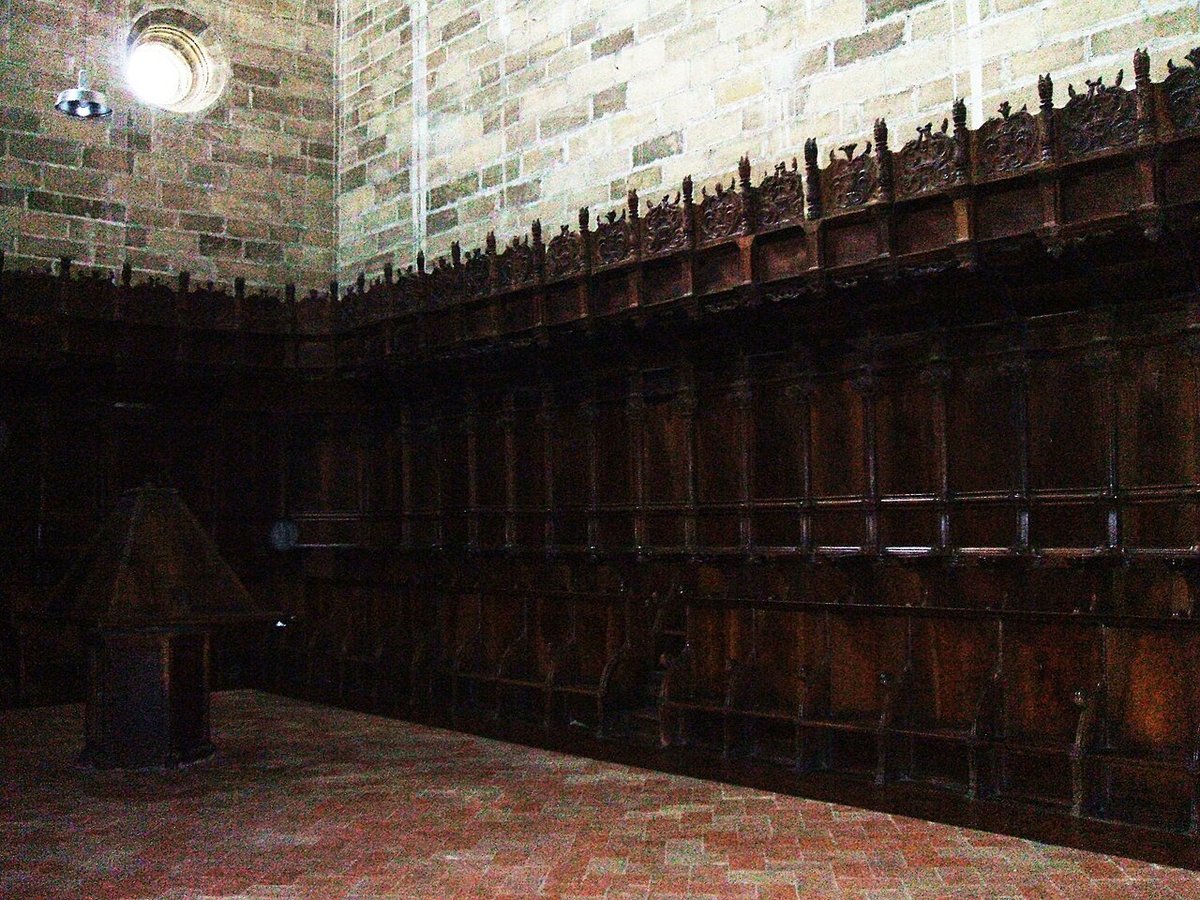
Inside, the atmosphere remains in keeping with a modest rural church. There are simple arches, a few carved details, and little in the way of ornament. It is not a place people travel to see on its own, yet it matters to the whole. Without it, the village would feel harder to understand.
Stone streets and lived-in houses
The historic centre is small enough that you can walk through nearly all of it in about ten minutes. Even so, it rewards a slower pace.
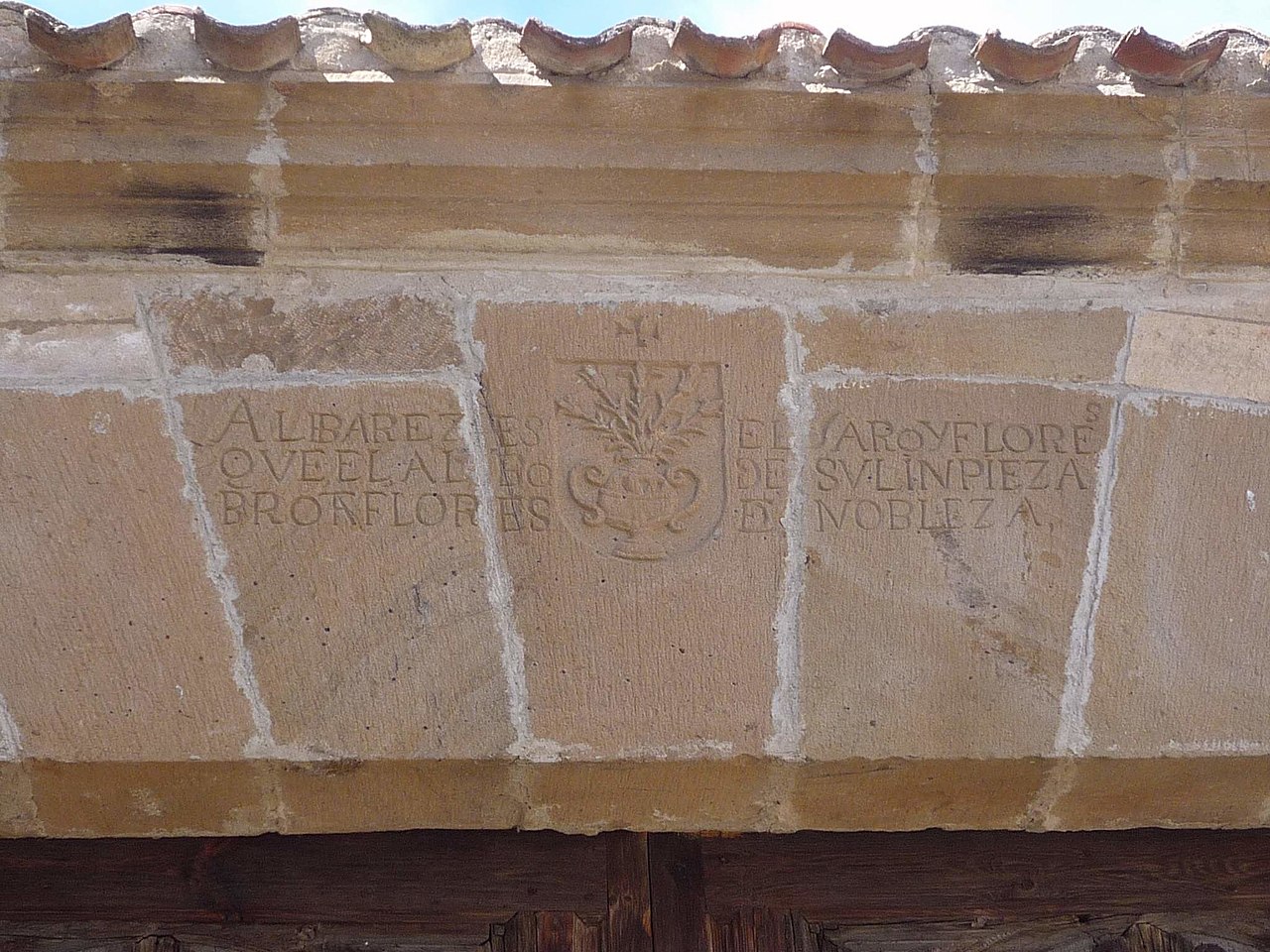
Many of the houses still have large wooden doors and well-preserved stone walls. Above some doorways, old coats of arms or markings can be seen. They are easy to miss if you rush, but they hint at layers of local history embedded in everyday buildings.
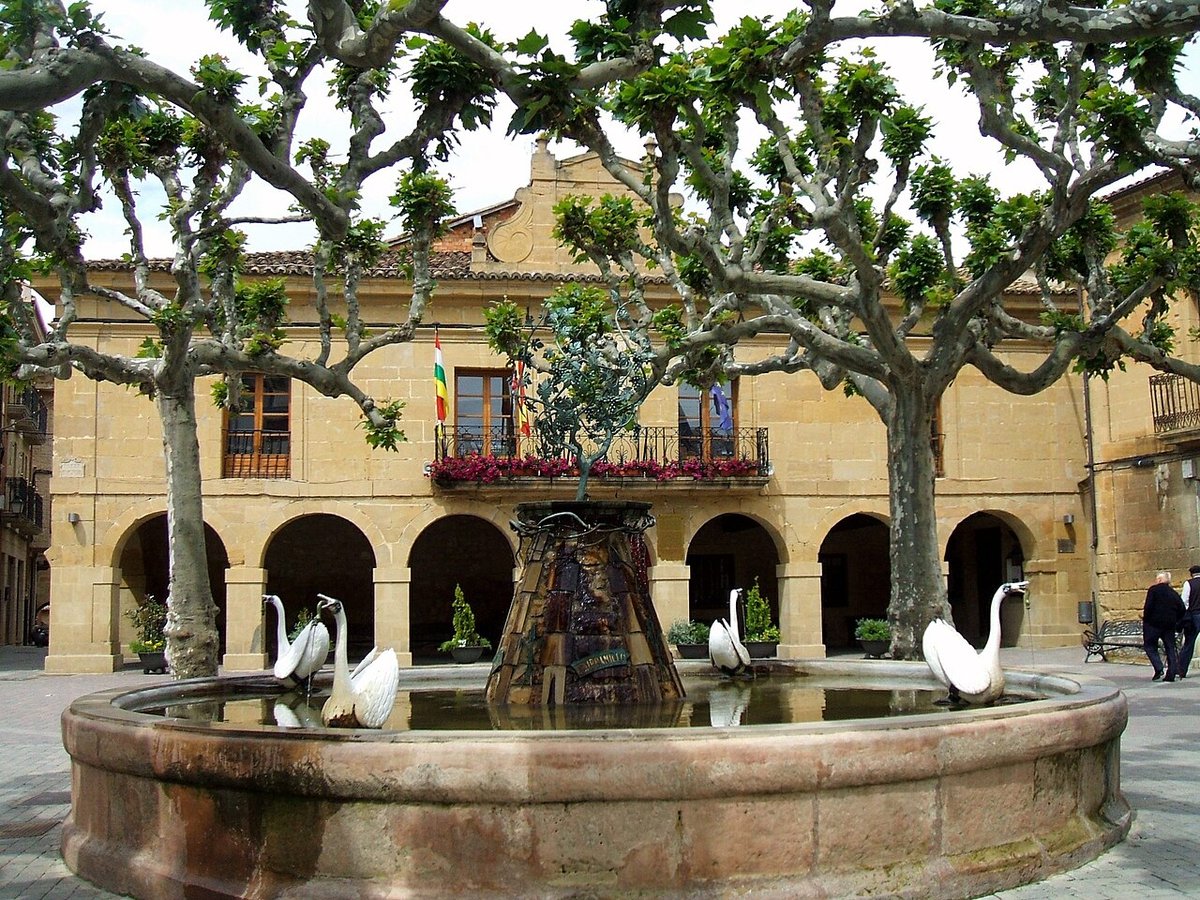
There are no grand squares or imposing civic buildings. Instead, the layout reflects practical needs: spaces designed for daily life, for bringing in a vehicle, storing tools, or heading out towards the fields. Each corner feels shaped by use rather than display.
Vineyards at the edge of everything
Step just beyond the village and the vineyards begin. There is no need to go far. A farm track or a path between plots quickly opens up the wider landscape.
From a nearby rise, it becomes easier to understand how the land is organised. Vine parcels sit alongside small cultivated areas, connected by tracks that lead towards neighbouring villages. The view is not dramatic, but it is clear and structured.
The scene changes with the seasons. In summer, there is movement in the fields and activity among the vines. In winter, everything slows down and the landscape feels much quieter. It is the kind of place where time of year makes a noticeable difference to how it feels.
Walking through without overthinking it
There are no marked routes or official trails in Foncea. That simplicity suits it.
A typical visit starts by leaving the car at the entrance, crossing the village on foot, and then following one of the paths that lead out towards the vineyards. In less than an hour, it is possible to form a clear impression of the place.
With a bit more time, perhaps a couple of hours, you can take a wider loop along the agricultural tracks and return to the village from a different angle. It is an easy walk rather than a demanding route, more about wandering than covering distance.
Common mistakes when stopping here
One of the most frequent misunderstandings is arriving with the expectation of a village full of sights and attractions. Foncea does not work like that.
Another is seeing it only from the road. From a distance, it can seem insignificant. The point of it only becomes clear when you get out, walk through the streets and spend a little time looking around.
In summer, the midday sun can be strong and there is limited shade in the streets. If there is a choice, earlier in the day or later in the afternoon tends to be more comfortable.
A short stop in La Rioja Alta
Foncea fits best as a brief stop within a wider route through La Rioja Alta, particularly in combination with the area around Haro and nearby villages. It is not a place to fill an entire day, but it does offer a chance to slow down for a while.
A walk through the centre, a look at the vineyards, and then back on the road. It has the feel of those smaller pauses on a longer journey that are not the main attraction, yet somehow help give the trip its overall shape. In villages of this size, that is more than enough.