Full Article
about Fonzaleche
A farming town with a Baroque palace; historic crossroads in Rioja Alta.
Ocultar artículo Leer artículo completo
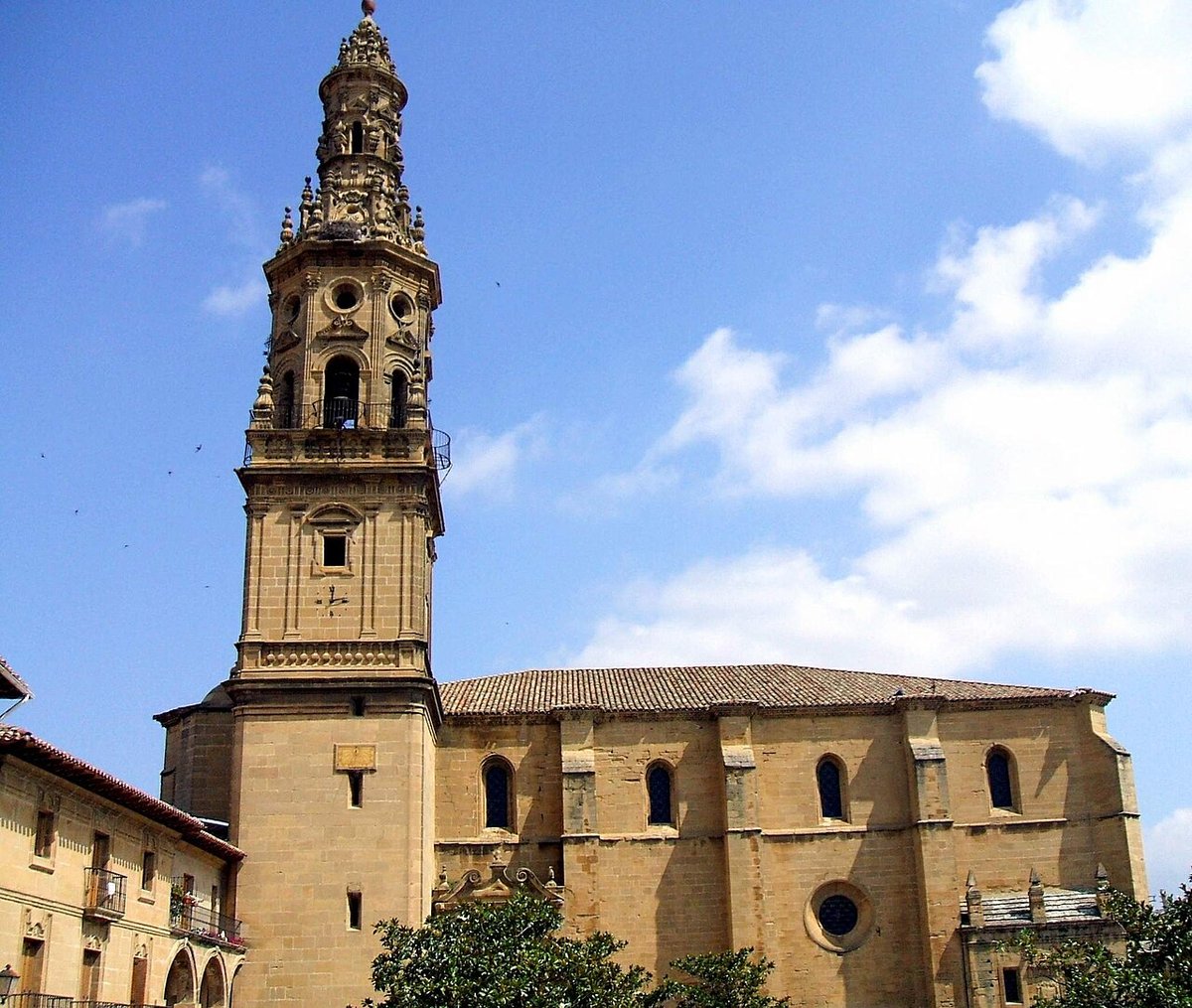
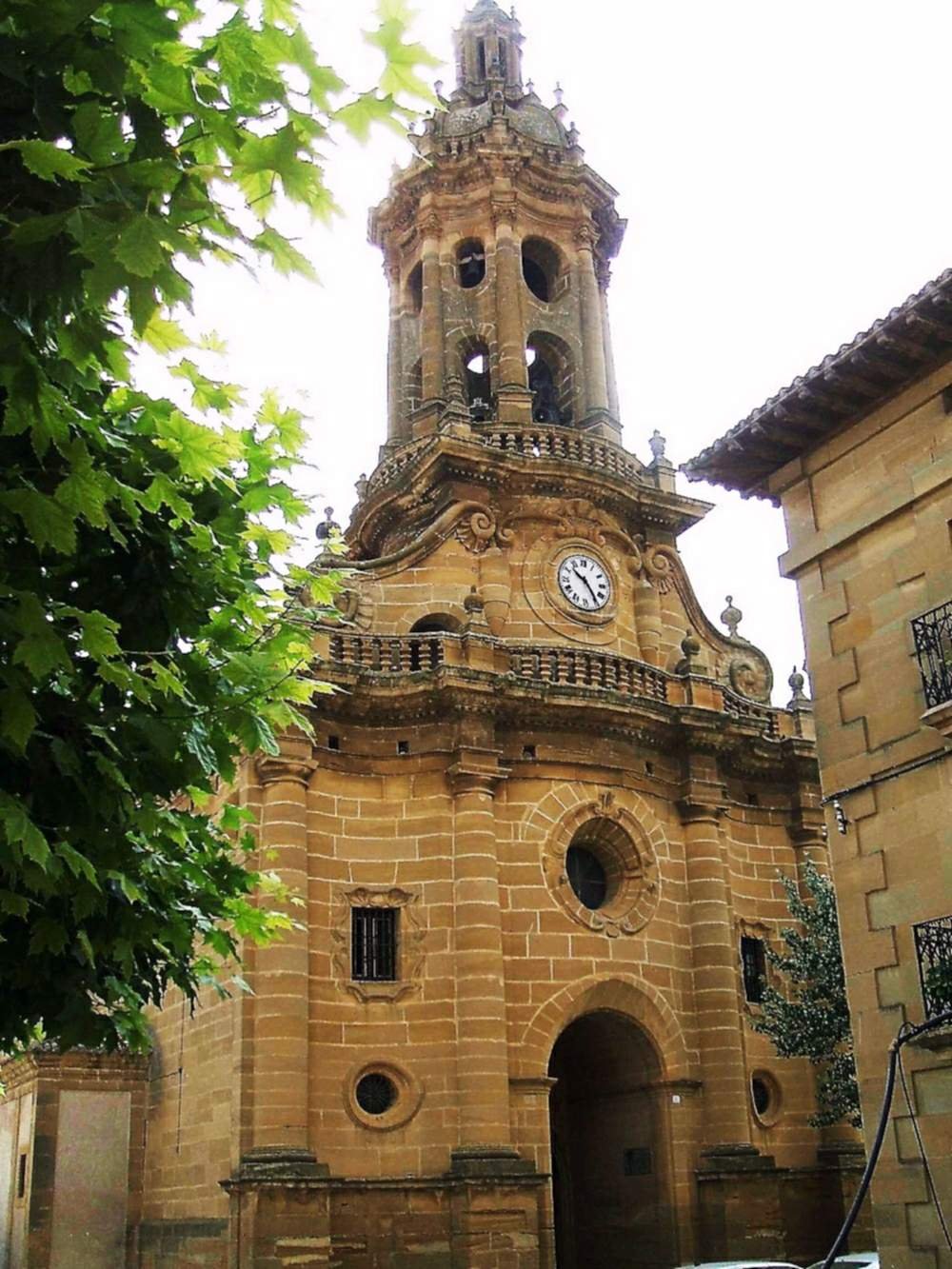
The church bell strikes noon and only three cars sit in the entire village. One belongs to the priest, one to a woman hanging laundry between wrought-iron balconies, and the third to someone who probably forgot where they parked it. Fonzaleche doesn't do crowds. At 780 metres above sea level, this scatter of stone houses and clay-toned streets occupies the high, wind-scrubbed edge of Spain's most famous wine region, where the vineyards gradually give way to cereal fields and the Sierra de la Demanda begins its climb towards the clouds.
The Arithmetic of Small Places
One hundred and thirty permanent residents. One church, one bar, no shops, no cash machine. The numbers tell their own story. Walk the single main street – it takes six minutes end to end if you dawdle – and you realise Fonzaleche operates on a scale British villages abandoned centuries ago. Electricity cables still run overhead, television aerials cling to roofs like metal insects, and front doors open straight onto the road because there's no pavement to step down from. The place feels accidental, as though a handful of farm buildings decided to huddle together for warmth and never got round to leaving.
Stone walls three feet thick keep interiors cool during Rioja's furnace summers. Adobe bricks the colour of toasted bread patch older sections where the original builders ran out of limestone. Look up and you'll spot timber balconies sagging under geranium pots, their rails silvered by decades of ultraviolet glare. This is domestic architecture without architects, every extension hammered together to solve an immediate problem rather than please a planning committee. The result is more honest than pretty, and oddly engaging because of it.
Walking Into Silence
Leave the church square by the track marked "Camino de Valtravieso" and within five minutes human noise simply stops. The path drops gently between wheat stubble and lines of tempranillo vines, their lower leaves already turning rust-coloured by late August. Heat shimmers off the limestone subsoil; there's no shade except an occasional holm oak left standing for truffle cultivation. Carry water – the nearest fountain is back in the village and the next bar is twenty kilometres away in Haro.
The landscape works like a geological sandwich. Below your boots, marine fossils from an ancient sea crunched into chalk. Above eye level, buzzards ride thermals that rise off south-facing slopes planted with garnacha. In between, farmers have carved terraces so subtly that from a distance the hills appear natural. Walk for forty minutes and Fonzaleche shrinks to a pale stripe on the ridge behind you, its bell tower the only vertical punctuation in a world of horizontals.
When the Calendar Dictates Rhythm
Turn up on a Tuesday in February and you'll share the streets with maybe eight locals and a tractor. Arrive the third Sunday of September and population swells to eight hundred. The harvest festival transforms the village into a temporary open-air kitchen: whole lambs roast over vine cuttings in the square, teenagers tread grapes in stone troughs older than their grandparents, and every cellar door stands open to reveal plastic demijohns gurgling with last year's wine. Accommodation within Fonzaleche itself doesn't exist – visitors bed down in Haro or Casalarreina, twenty minutes away by car – but nobody seems to mind. The party starts after mass at eleven and finishes when the last grandfather calls time sometime after midnight.
Winter brings its own timetable. At 780 metres, Fonzaleche catches weather systems that barely trouble Logroño down on the Ebro plain. Snow arrives occasionally, turning the approach road from Casalarreina into a white ribbon edged with drystone walls. When that happens, the village isolates itself for a day or two, perfectly content to wait until a council gritter clears a single lane. Temperatures drop to minus eight; central heating switches from optional to essential. The upside is crystalline air that lets you count individual trees on slopes five kilometres distant, and a silence so complete you can hear your own pulse.
Wine Without the Theatre
Forget cathedral-sized bodegas with gift shops and audio guides. Around Fonzaleche, wine production happens in sheds behind houses, where concrete tanks lurk under corrugated iron roofs. Knock politely and someone will sell you a five-litre jerry can of young red for seven euros. The liquid inside tastes of cracked pepper and sharp cherry – a country wine designed to accompany beans and chorizo rather than impress critics. Ask whether it's crianza and the producer will shrug; classifications matter less than whether there's enough to last until next harvest.
Several families still maintain tiny vineyards of white varieties – mostly viura and malvasía – planted on north-facing slopes to keep acidity high. They sell the grapes to larger cooperatives, but stash aside a few hundred kilos for their own fermentation in old chestnut barrels. Finding these wines involves conversational detective work rather than Google. Start by complimenting the geraniums outside Casa Julio, mention you prefer white with fish, and wait. An introduction will follow, probably via the priest who knows everybody's business including which uncle pressed last week.
The Practical Mathematics
Fly to Bilbao from London City or Manchester, collect a hire car, and drive east for ninety minutes on the AP-68. Turn off at Logroño and head north on the LR-137 for twenty-five kilometres of ever-narrowing road. The last section climbs 250 metres through three tight hairpins; if you meet a combine harvester coming the other way, one of you is reversing half a kilometre. Petrol stations vanish after Navarrete – fill up before you leave the motorway.
Bring cash. The nearest ATM stands outside a bank in Haro, and Fonzaleche's single bar only takes cards reluctantly during fiesta weekend. Mobile coverage flickers between Vodafone and Movistar depending which side of the church you stand. Pack a picnic unless you fancy knocking on farmhouse doors; the concept of a lunchtime menu doesn't exist here. Sunblock is non-negotiable above 700 metres – UV index regularly hits nine in June when British skin still thinks it's on the Costa Brava.
Leaving Without Goodbye
Drive away at dusk and Fonzaleche drops below the horizon in the rear-view mirror, its bell tower the final piece to disappear. You haven't ticked off major monuments or bought fridge magnets. Instead you've seen how Rioja functions when tourists aren't looking: a landscape worked for a thousand years, communities that measure distance in walking time, and wine that costs less than bottled water but carries the flavour of the exact hillside where you stand. The village will continue its slow arithmetic of seasons and harvests long after your hire car has rejoined the motorway. No one there will mind if you come back, and nobody will notice if you don't. That's precisely the point.