Full Article
about Galbárruli
Small town at the foot of the Obarenes; includes the hamlet of Castilseco with its Romanesque gem.
Hide article Read full article
At midday, the pale stone of Galbárruli throws back the light with a sharp intensity. The streets are short and slightly uneven, and in summer the air often carries the dry scent of dust and nearby vineyards. This small village in La Rioja Alta, with only a few dozen residents, does not present silence as a romantic idea. It is simply what remains once a car has passed and the sound settles again into wind brushing across open fields.
Tourism here leans more towards wandering than following a set plan. There is no fixed route to tick off. The place invites a slow pace, the kind where attention drifts to doorways, corners and the low hills that fold around the village centre.
Finding your way by the church tower
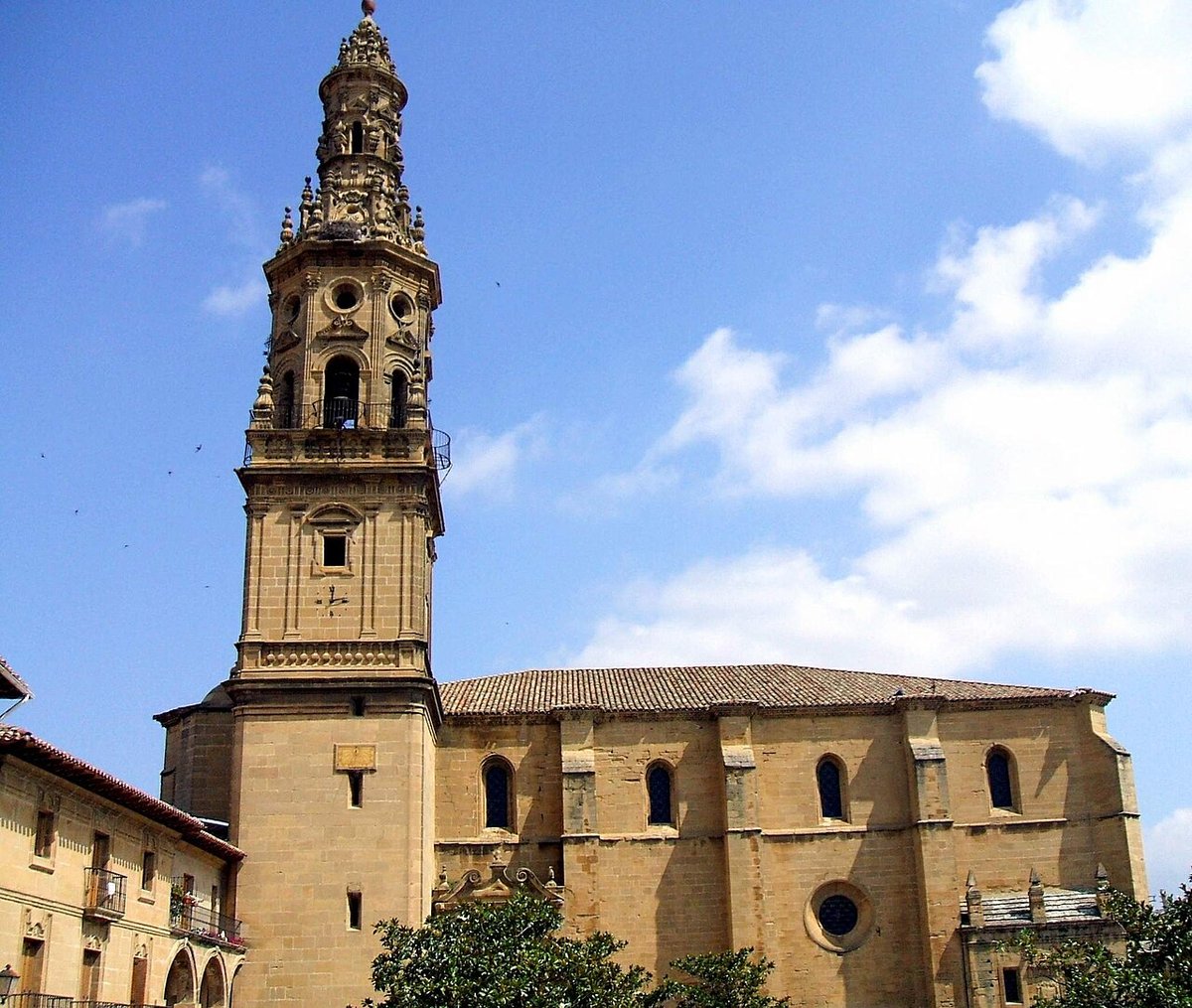
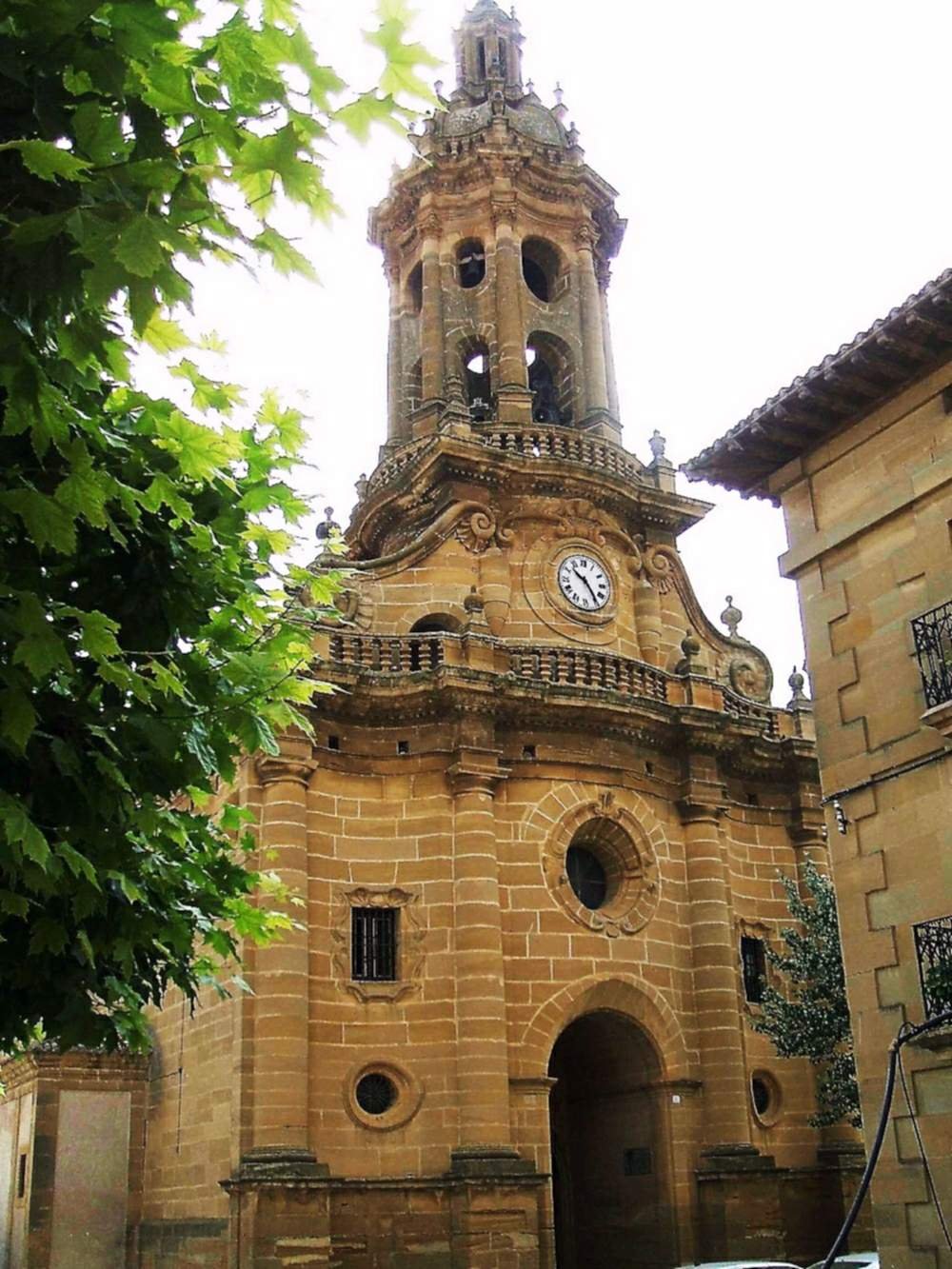
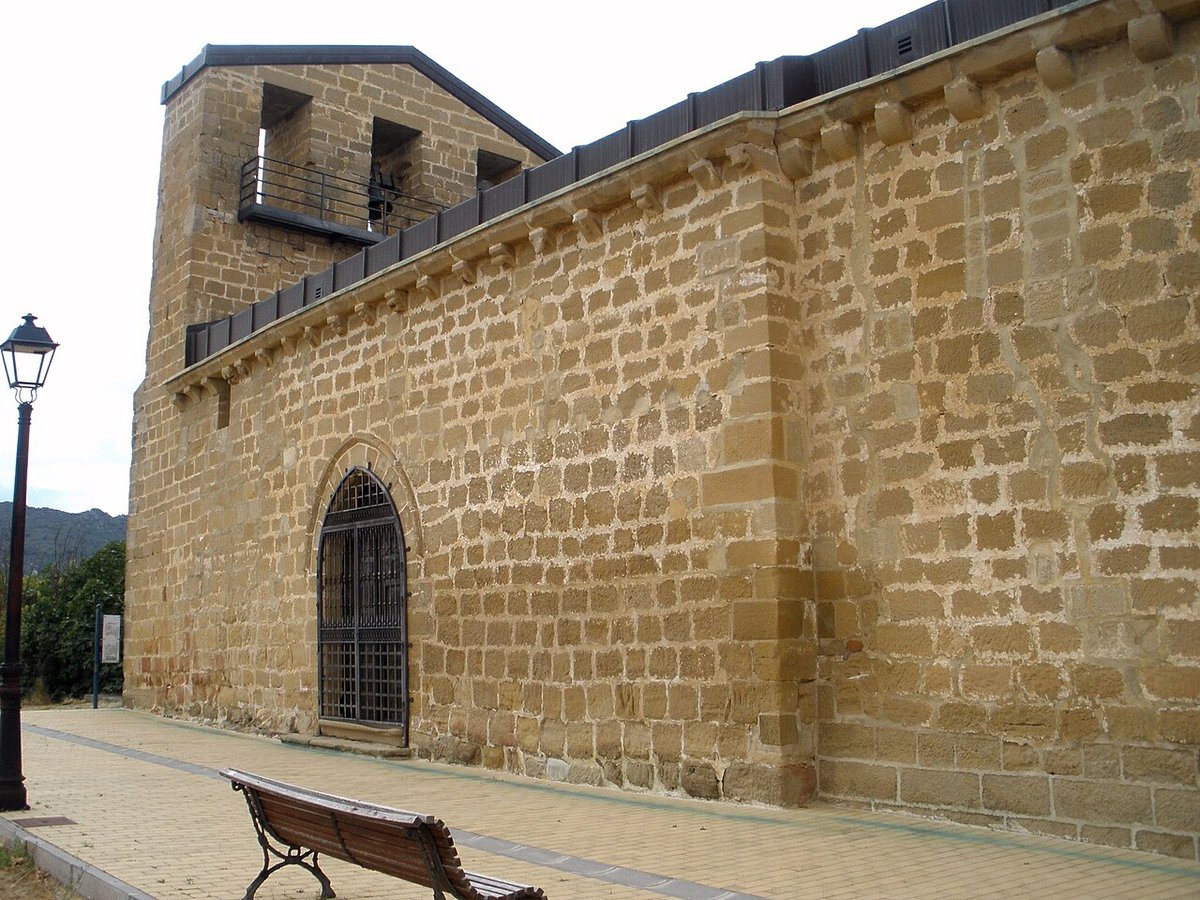
The church of San Julián is easy to pick out. Its tower rises above the rooftops and acts as a reference point when arriving from any of the narrow streets.
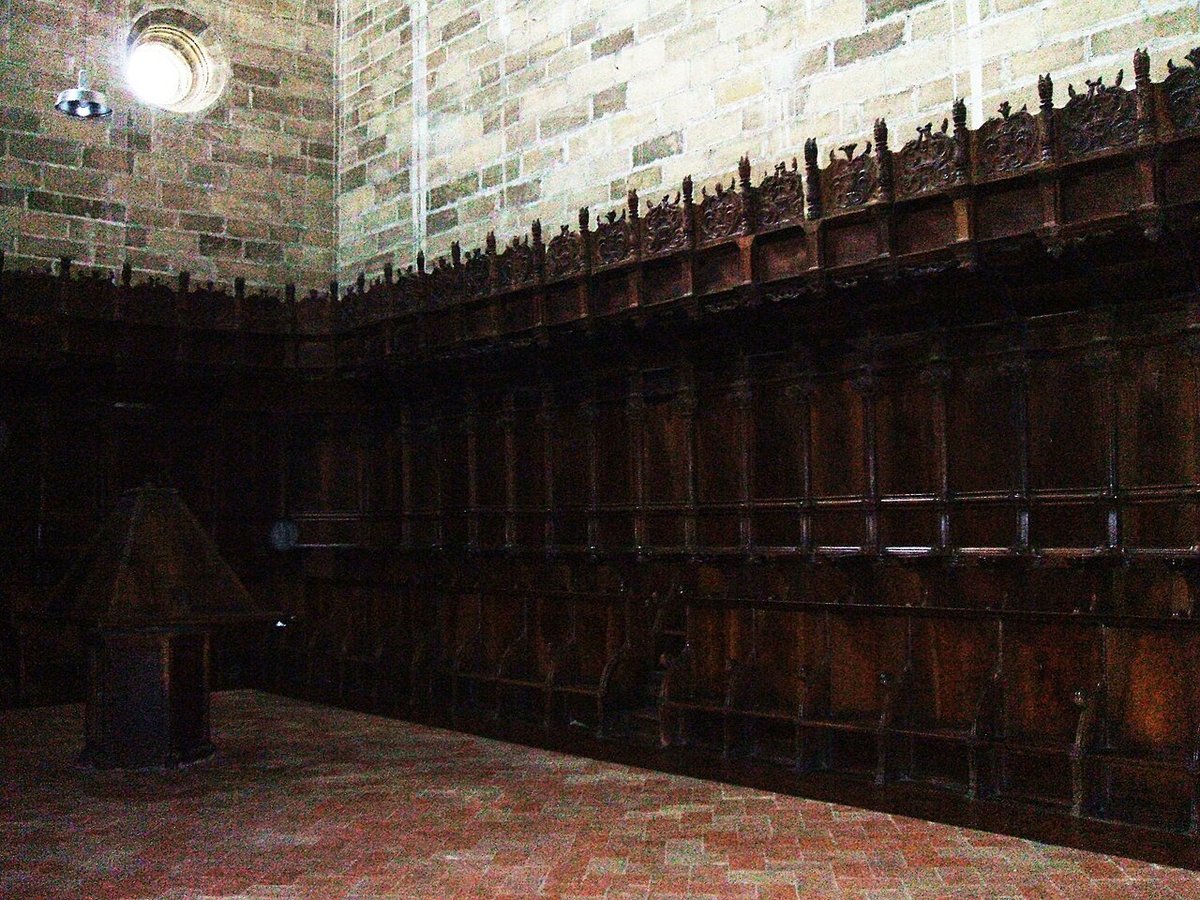
The building itself is restrained. Pale stone, simple lines, very little decoration. Inside, that same austerity tends to continue: dark wood, an occasional old image and a noticeable quiet. It is not always open, so most visits involve walking around the exterior while exploring the small centre nearby.
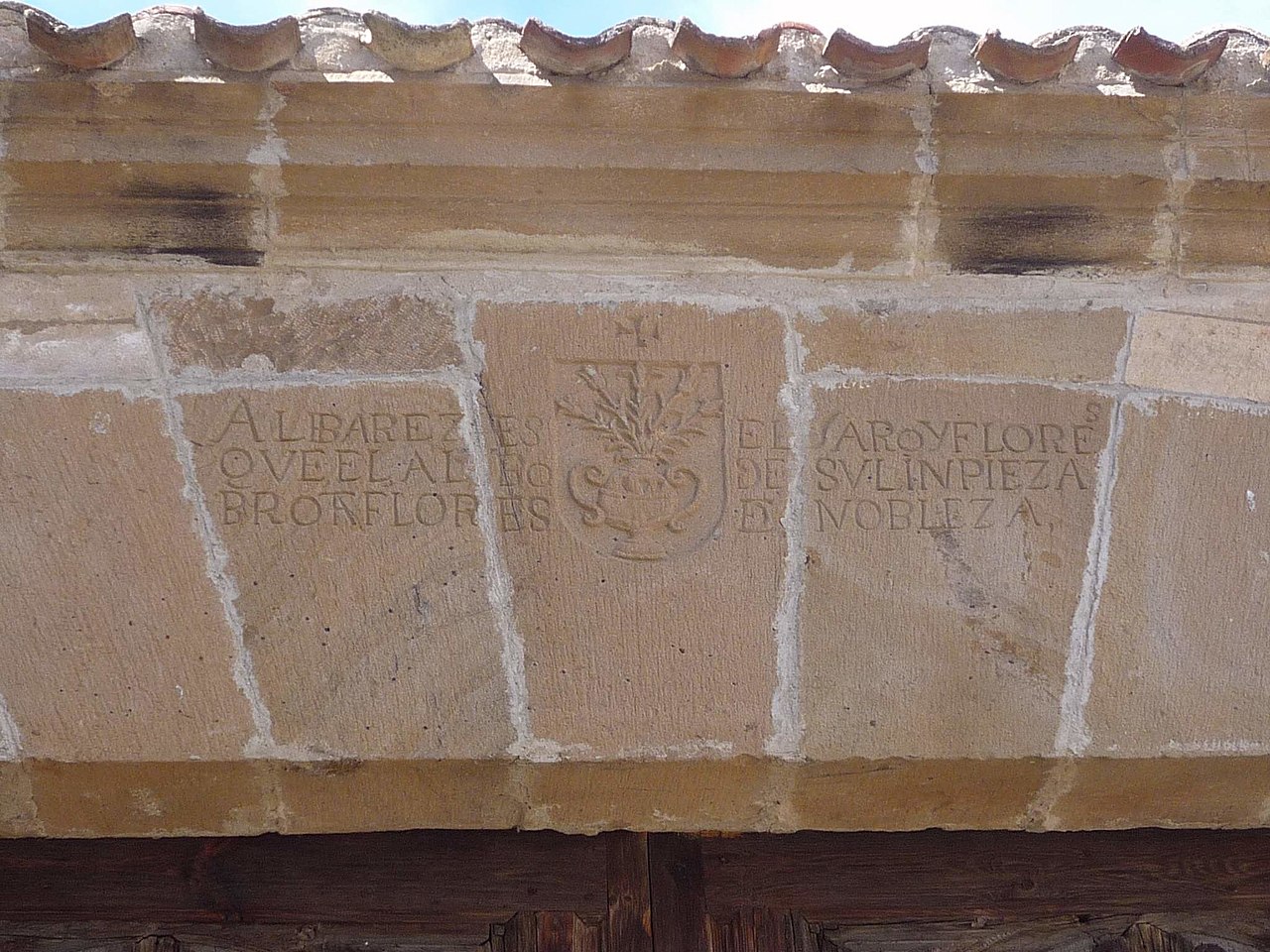
Around it, a handful of houses show coats of arms on their façades, along with iron balconies that have shifted slightly out of line over time. These are the kinds of details that slip by unnoticed if the walk is rushed.
The texture of daily life in stone
The houses follow the familiar pattern of this part of La Rioja Alta. Walls built from irregular masonry, small windows designed to keep out winter cold, and wide gateways that once allowed carts and farming tools to pass through.
Looking closely, some doorways still bear marks of old nails or wood darkened by years of use.
Beyond the village itself, there are wine cellars dug into the ground. Many remain closed, while others are used only occasionally. Even so, they make it clear how deeply vine growing has shaped life here across generations. This is not presented as a museum piece but as something that still defines the landscape.
Walking the working paths
Just a short walk from the edge of the village, agricultural tracks begin to appear. These are not signposted walking trails. They are working paths that cut through plots of vineyard and cereal crops.
The terrain is open and gently rolling. From some of the low rises, there are views out towards the Ebro valley. On clear days, the land stretches in a sequence of parcels that shift in colour with the seasons.
In spring, green dominates. By late summer, the landscape dries out into golden tones. Autumn brings a change in the vineyards, with reds and yellows emerging and standing out against the pale soil.
Anyone planning to walk for a while should be prepared for long stretches with very little shade. A hat or water makes a difference here, especially under strong sun.
The shift in rhythm during harvest
Towards the end of summer, the rhythm of the countryside changes. Tractors begin to move along the tracks, often carrying crates filled with freshly cut grapes. At times, the sweet smell of grape must drifts through the air before the vineyards even come into view.
Much of the work today is mechanised, yet groups of workers can still be seen moving between the rows. It is a moment when the surrounding landscape becomes easier to understand, as activity reveals how it functions. There is also more machinery on the paths, which alters the pace of a walk.
A brief stop on a wider route
Walking through Galbárruli does not take long. In twenty or thirty minutes it is possible to cover the main streets and return to where you started.
What holds attention are small elements: a carved doorway where plaster has crumbled away to show older stone beneath, an old balcony overlooking a street that is often empty. Stepping out towards one of those nearby tracks extends the walk naturally.
Many visitors include it as a brief stop while travelling through the Haro area.
What to know before you arrive
Galbárruli is very small, and services are limited. Bars or shops are not always open; it’s sensible to arrive with water and something to eat if you plan to stay for a while.
Access is usually by car from Haro along secondary roads. The final kilometres involve gentle bends, and it’s common to encounter agricultural machinery, especially during busy periods in late summer or autumn.
When parking, choose a wide stretch of street and avoid blocking gateways or field entrances entirely. Tractors pass when they need to, not according to a visitor’s schedule.