Full Article
about Gimileo
Small town on a bend of the Ebro; spectacular views over the river and vineyards.
Hide article Read full article
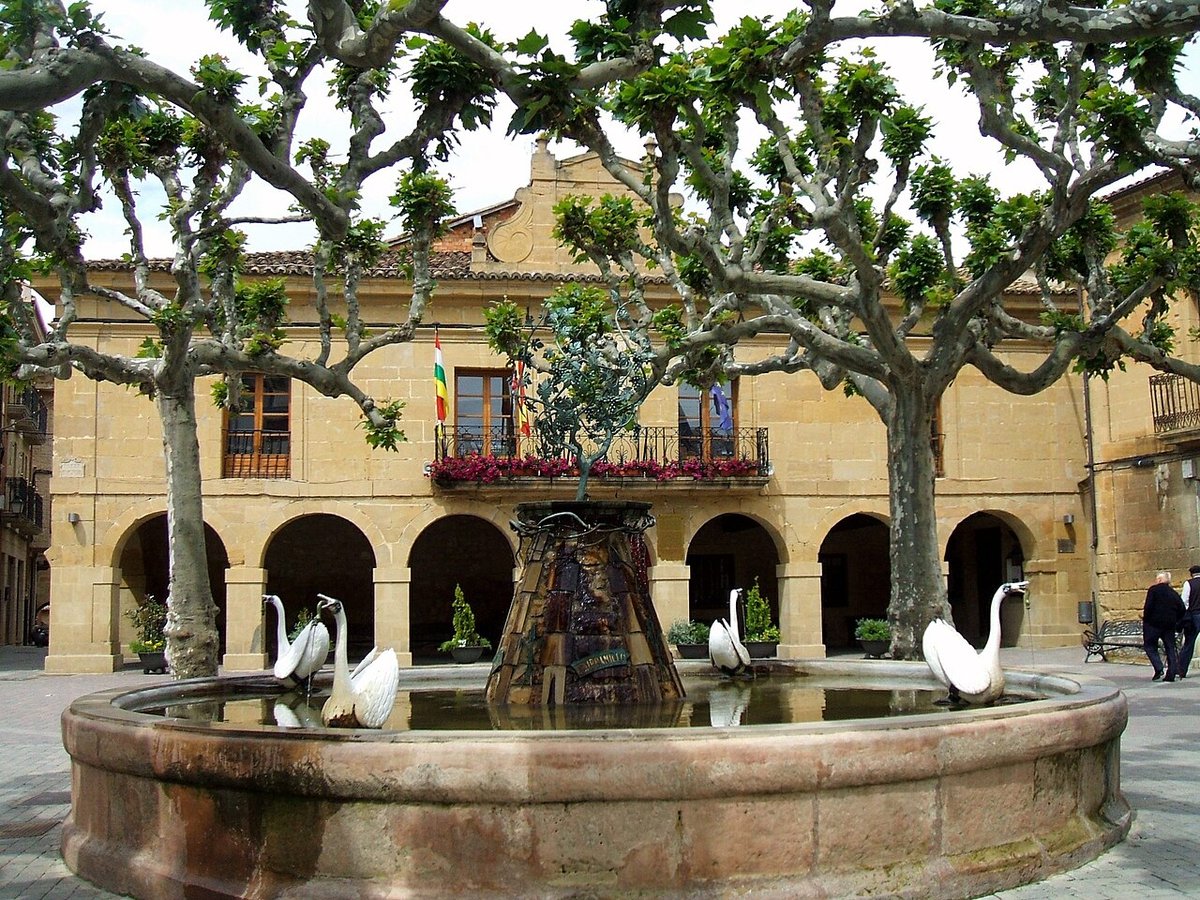
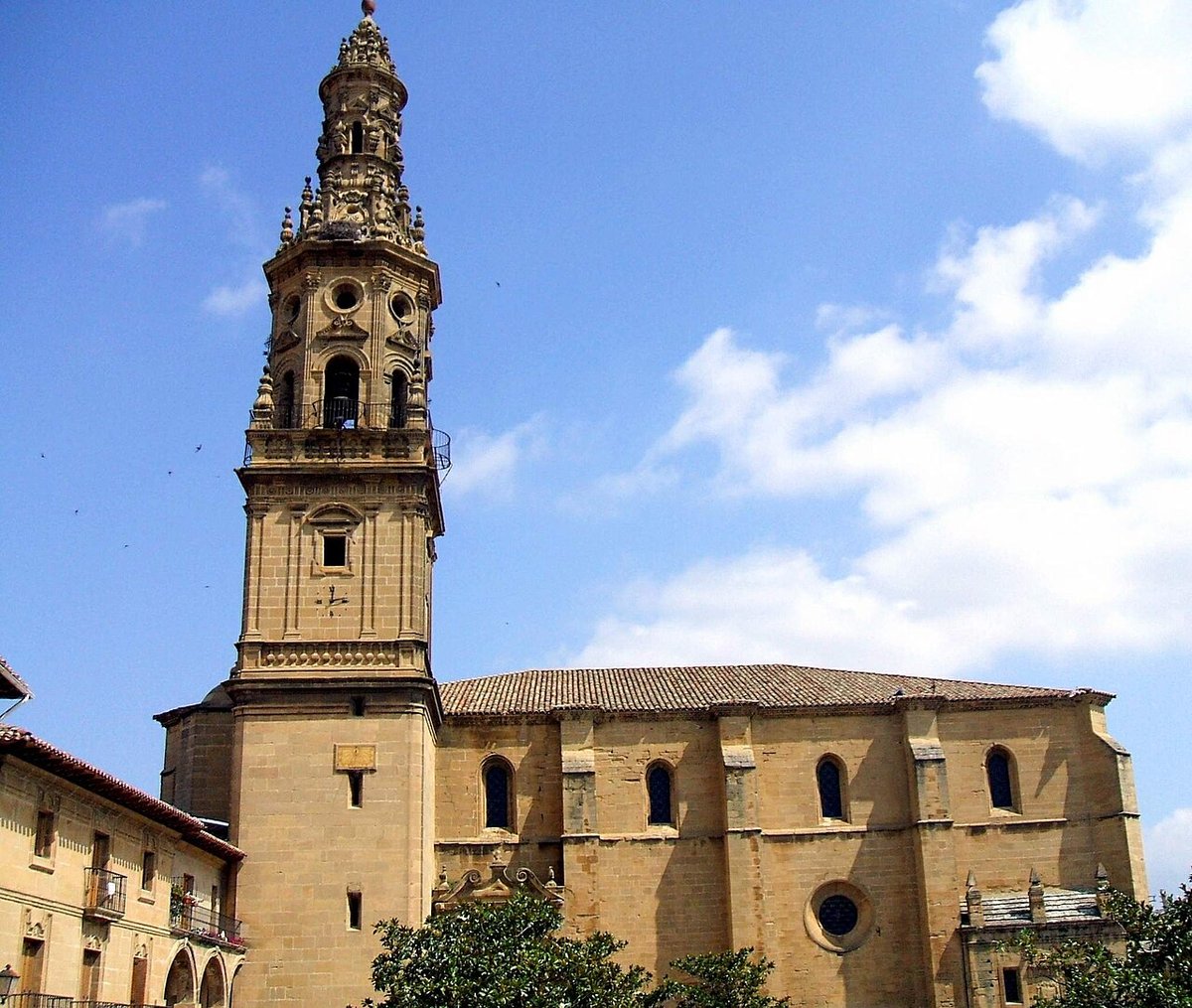
By mid-morning, when the sun has cleared the low rooftops, the stone of the church of San Andrés begins to take on a soft golden tone. In the square there is barely a sound: a door closing somewhere, the brief hum of a car crossing the village on its way towards the vineyards. In Gimileo the silence is not absolute, but it is constant, like a low murmur that follows you around.
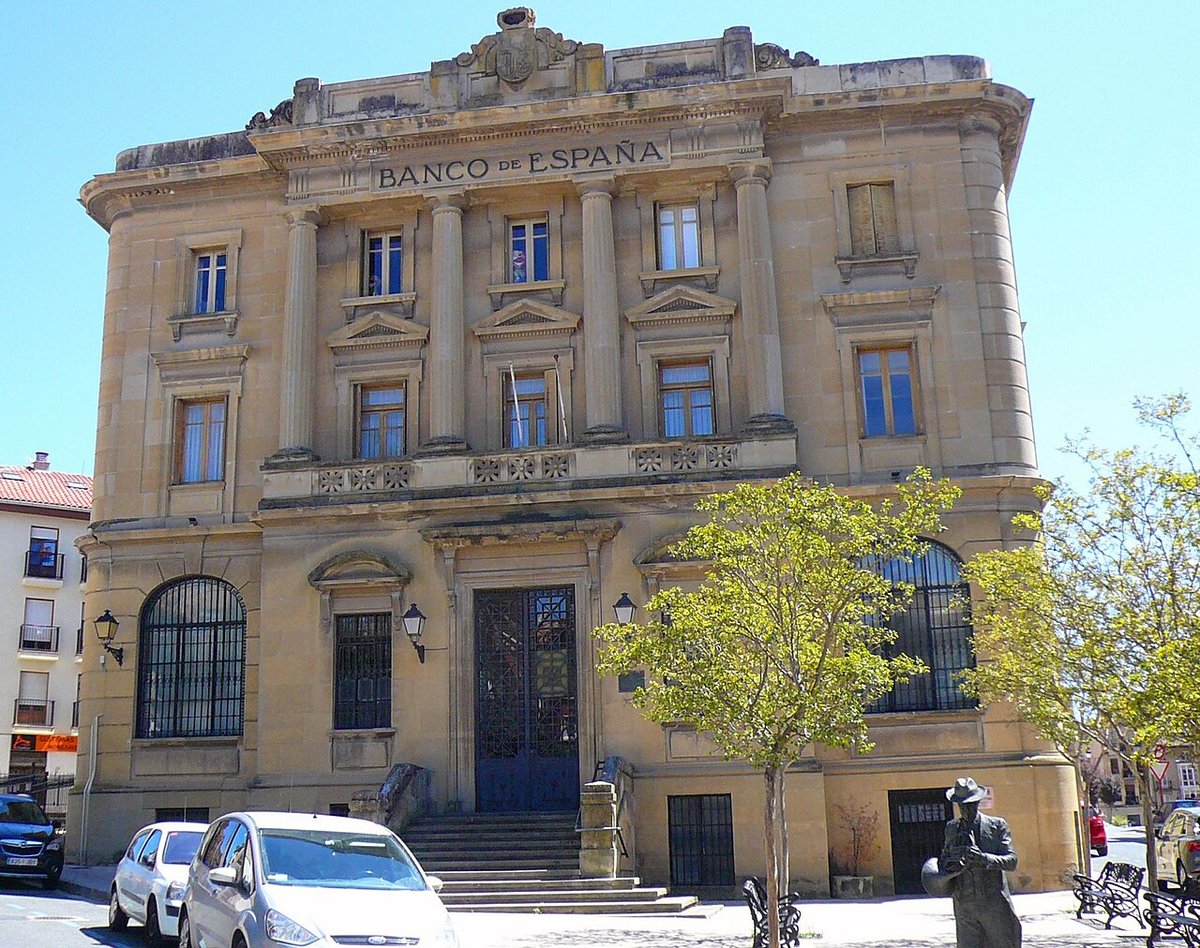
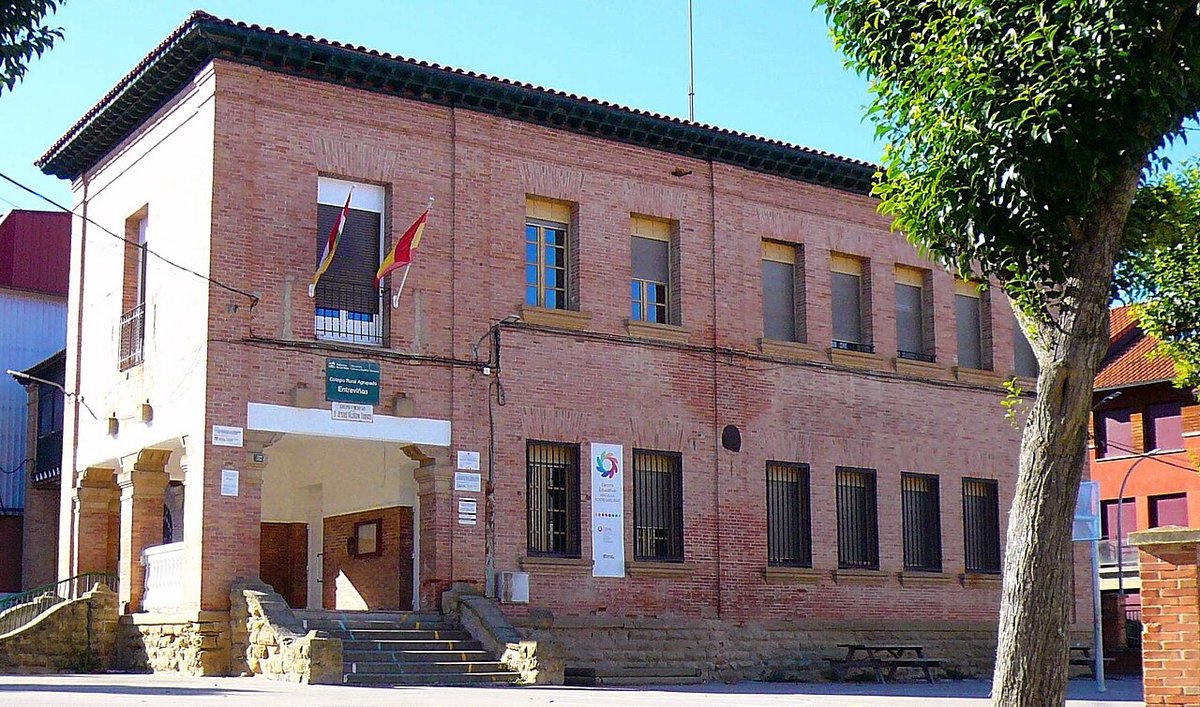
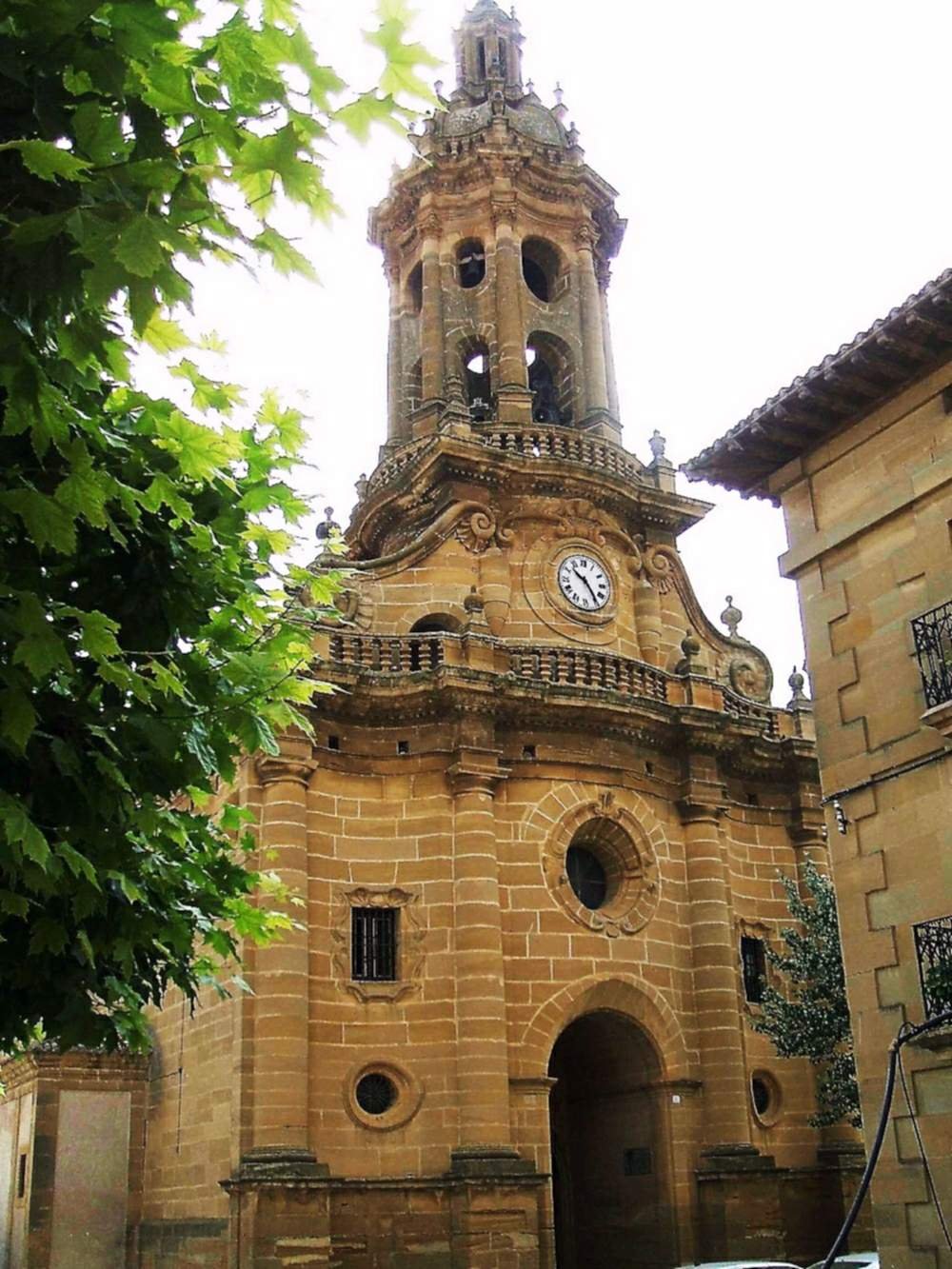
Gimileo lies just a few kilometres from Haro, in La Rioja Alta, surrounded by vineyards that shift in colour with the seasons. The urban centre is small and fairly compact. There are no grand buildings or monumental avenues, but there is a clear visual continuity: stone and brick façades, dark wooden gates, courtyards half hidden behind solid walls. The parish church, built several centuries ago and altered over time, anchors the village. Its tower rises just enough above the rooftops to mark the centre without dominating it.
This is a place that does not compete for attention. It keeps to a steady rhythm, shaped by agriculture and the passing light.
Walking Out into the Vineyards
Leave by almost any street that points towards open country and you quickly reach agricultural tracks. These are dirt roads used by tractors and people working the land, so it makes sense to walk to one side and keep an eye out if a vehicle appears.
From there the landscape opens up with little ceremony. There are no prepared viewpoints or panels explaining the view. Instead, there is a succession of vineyard plots, some neatly ordered and others edged irregularly, low grassy banks between them and, further off, the wide horizontal line of the Ebro valley.
The Ebro is one of Spain’s major rivers, and here its valley defines the wider setting of La Rioja Alta. Even when the river itself is not visible, its presence is felt in the broad sweep of the terrain.
For those who enjoy walking without too much effort, these tracks tend to be gentle, with very little gradient. In half an hour it is possible to put enough distance between yourself and the village to see it reduced to a cluster of pale roofs set among the vines. The sense of space increases quickly. The sounds of the village fade and the rhythm becomes that of the countryside: wind moving along the rows, the occasional engine in the distance.
There is no single marked route to follow. The appeal lies in the simplicity of stepping out and seeing where the track leads, always keeping in mind that these are working fields.
Light and Detail in the Village Centre
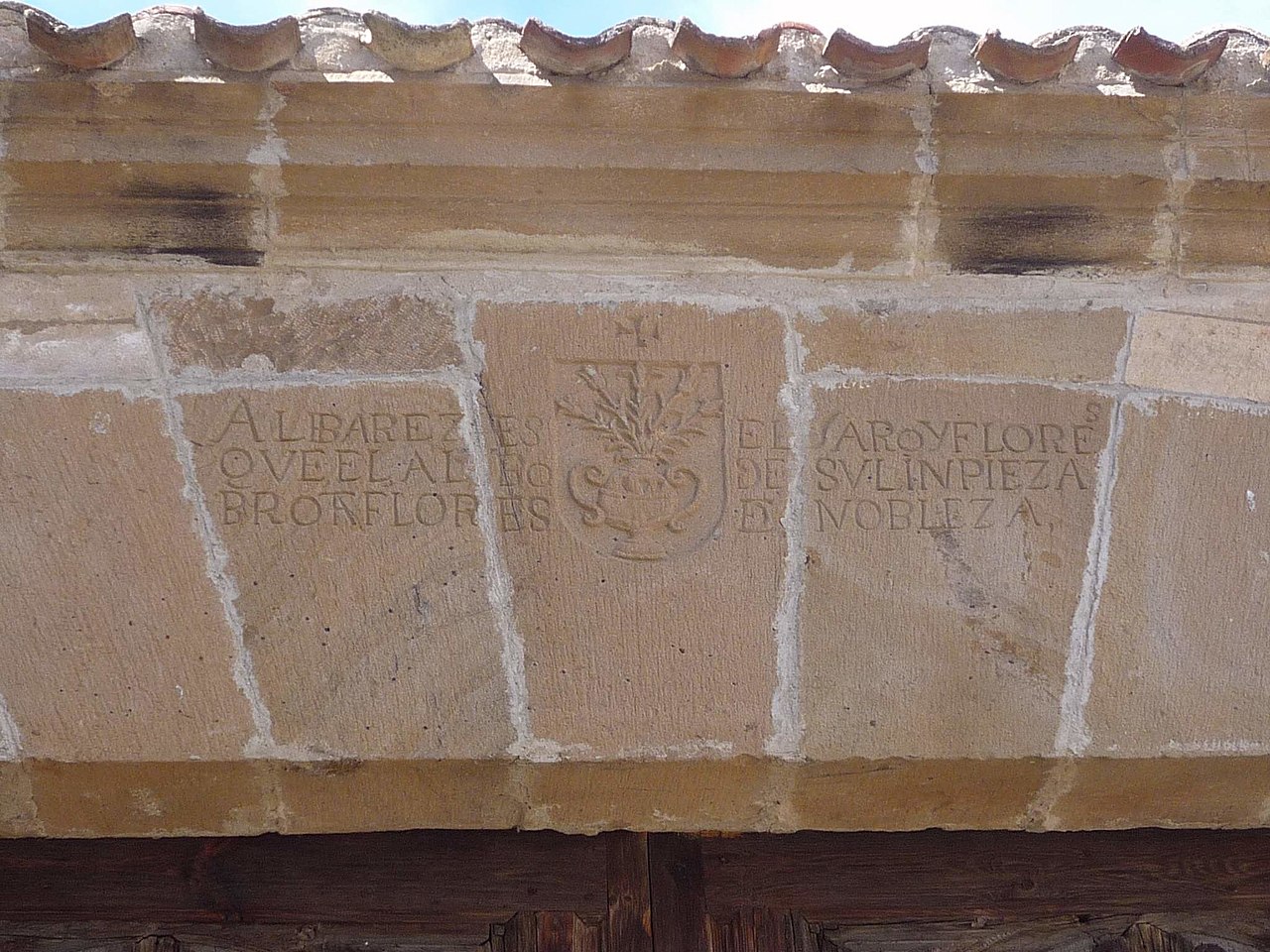
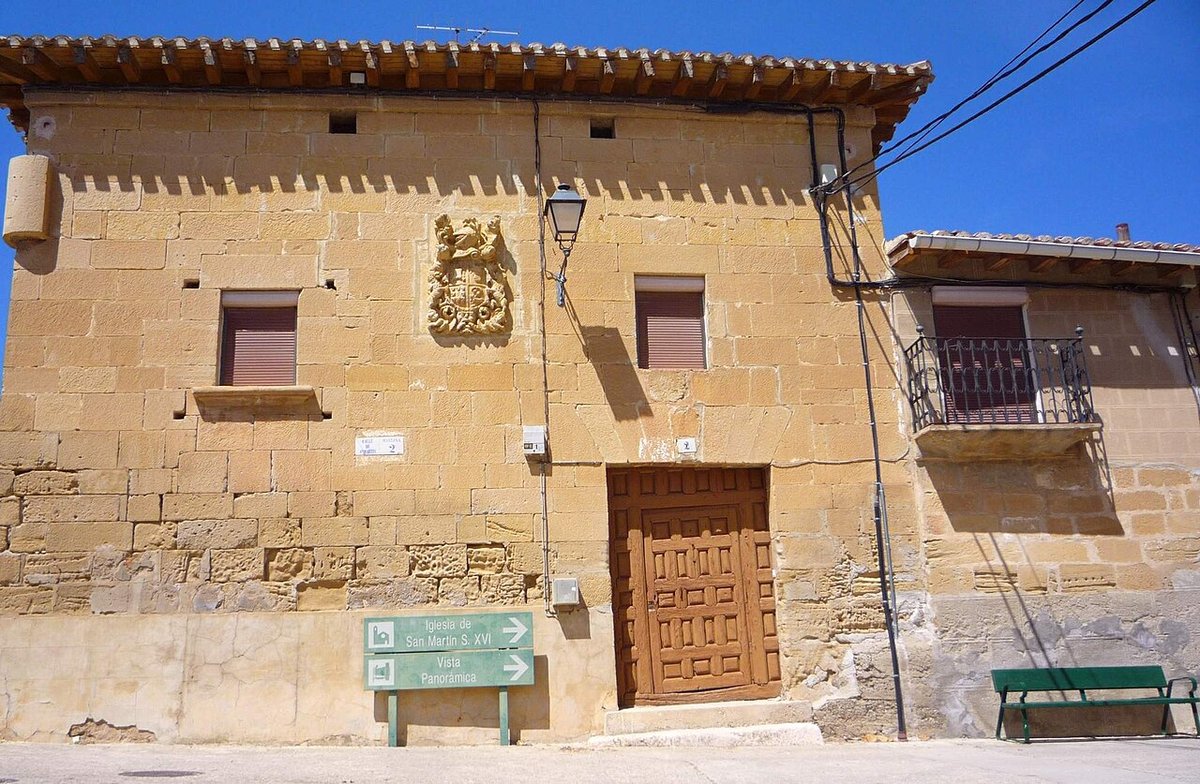
Back in the centre, the afternoon brings a noticeable change. As the sun drops westwards, the façades begin to shift in tone. Stone turns warmer and old wooden gates reveal their grain and the dents gathered over years of use. Iron grilles, no longer perfectly straight, frame some windows. A few houses display coats of arms on their façades. Chimneys rise above the tiled roofs in uneven lines.
It does not take long to cover the whole settlement. In about an hour it is possible to wander, unhurried, along almost every street. The pleasure comes from small details rather than major landmarks: a stone basin set beside a doorway, a vine climbing a wall, flowerpots lined up along a windowsill.
The scale encourages a slower pace. There is no rush from one attraction to another, because the attraction is the continuity itself. Stone, brick, wood and iron repeat from one corner to the next, creating a consistent visual language. Even the closed doors and shaded courtyards seem to be part of that quiet coherence.
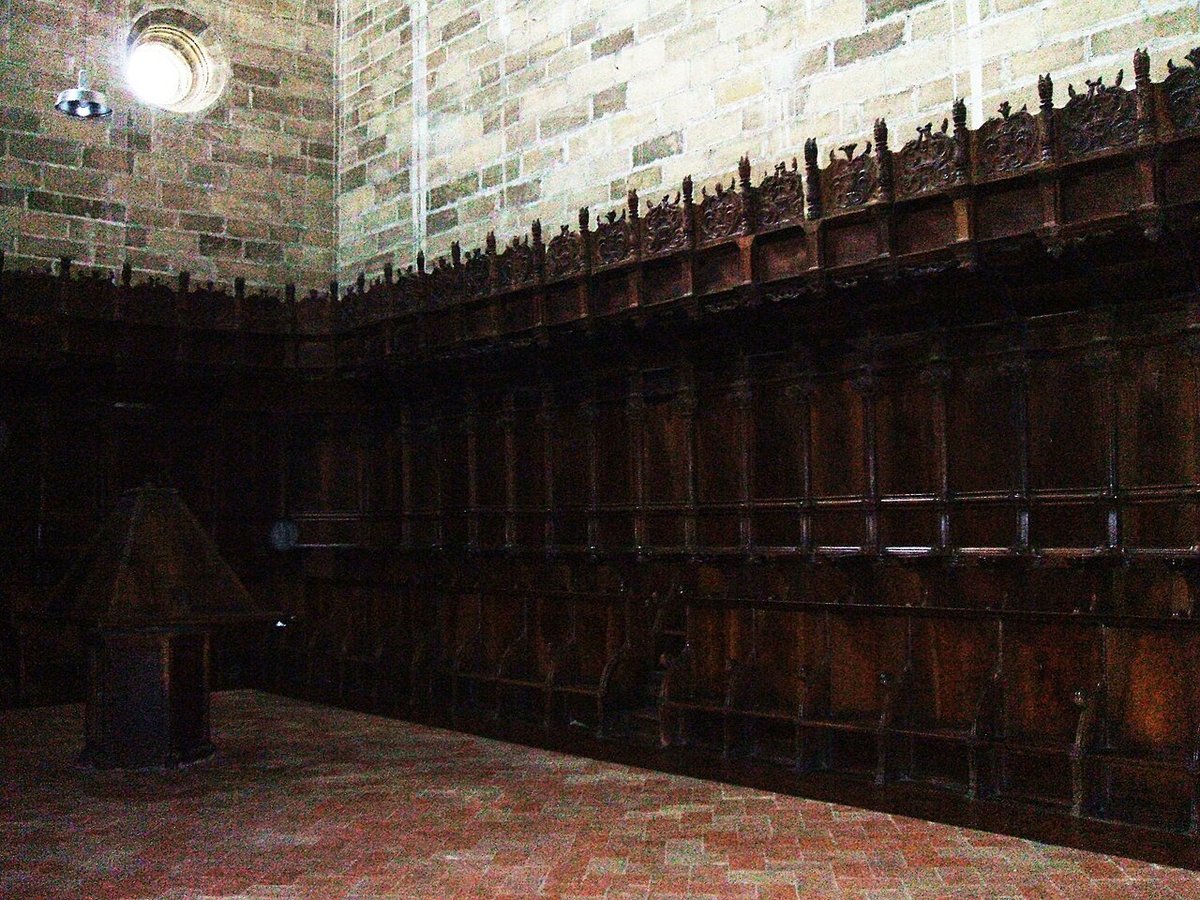
The church of San Andrés remains the most visible reference point. Its history stretches back several centuries, though it has been reformed over time. That layering is typical of rural churches in this part of Spain, where additions and repairs reflect changing needs rather than a single architectural moment.
When to Visit Gimileo
The surrounding countryside defines the best times to come. In spring the fields around the village are particularly green, and the air often carries the smell of damp earth and freshly cut grass. The vines begin to grow again, and the landscape feels open and bright.
Early autumn brings a different palette. The vineyards start to change colour, and the overall tone becomes more reddish. This is also the period of the vendimia, the grape harvest, which usually concentrates activity between September and October. During those weeks there is a noticeable increase in movement: tractors and trailers coming and going along the tracks. It can be interesting to observe this rhythm of work, but it is important to stay on the paths and avoid entering the plots themselves.
Summer has its own character. The heat can be intense from midday onwards. If the plan is to walk along the agricultural tracks, it is wiser to set out early or wait until late afternoon, when temperatures drop slightly and the countryside seems to come back to life. The fields move again, and the air feels less heavy.
Each season alters the same basic scene. The village remains compact and steady, while the vines and light adjust the mood.
A Pause Near Haro
Given its proximity to Haro, many people reach Gimileo as a short detour within a wider route through the area. Haro, known for its historic wineries and busier streets, has a very different atmosphere. There is more movement, more traffic and a stronger sense of commercial activity.
Here, the pace shifts. Gimileo can be covered quickly. A morning or an afternoon is enough to walk through the streets and head out towards the vineyards for a while. It works well as a pause in the journey, a place where the contrast with Haro becomes clear.
The village does not try to impress with large-scale sights. Instead, it functions like many small settlements in La Rioja Alta that continue with their daily routines while the surrounding landscape sets the tempo of the year. Vines, dust rising from the tracks and, when the time comes, the smell of grape must in the air, all signal the changing seasons.
How to Get There
From Logroño, the usual approach is to follow the road towards Haro and, before entering the town, turn off towards the surrounding villages. Access is straightforward. In a matter of minutes, the traffic of the main road gives way to the quiet streets of Gimileo.
Parking does not normally present problems, provided you avoid leaving the car in the narrowest parts of the centre. From there, everything is within easy walking distance, whether the plan is to circle the village streets or head straight out along the tracks towards the vineyards.