Full Article
about Leiva
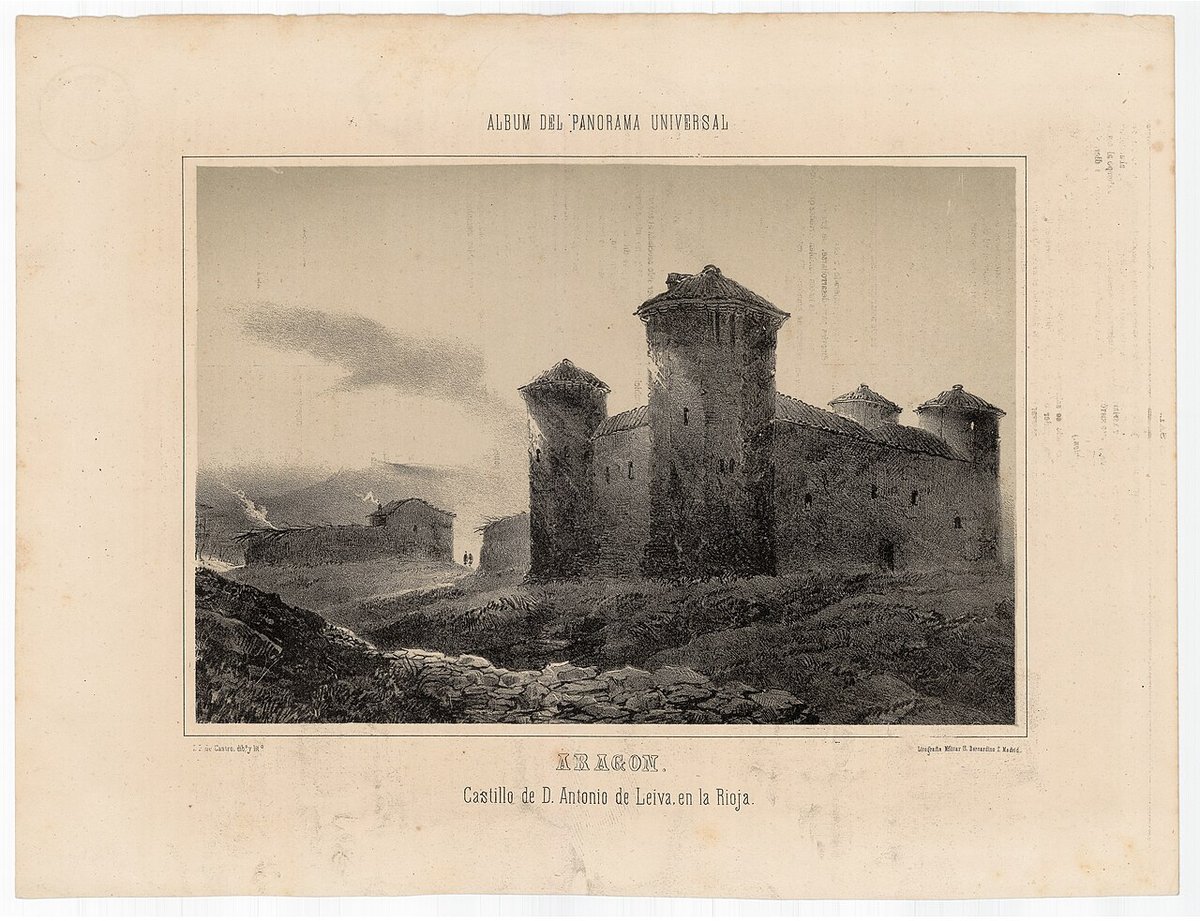
Town dominated by an impressive castle-palace; set beside the Tirón river and its reservoir.
Hide article Read full article
A village shaped by history and scale
Leiva appears in medieval documents linked to the Castilian advance through the upper Ebro valley. In this part of what is now Rioja Alta, between Haro and the old Navarrese frontier, small farming settlements emerged under the influence of monasteries and local lords. The present village still reflects that origin. It has just over two hundred residents and a compact layout that has barely shifted over time.
Set at the western edge of the Haro area, Leiva is surrounded by vineyards and cereal fields. Its proximity to Haro means many people arrive on a short visit, yet the place makes more sense when seen in context. This is an agricultural village that developed alongside the wine-growing traditions of Rioja Alta and the trade routes that once crossed the Ebro valley.
The built heritage in the centre
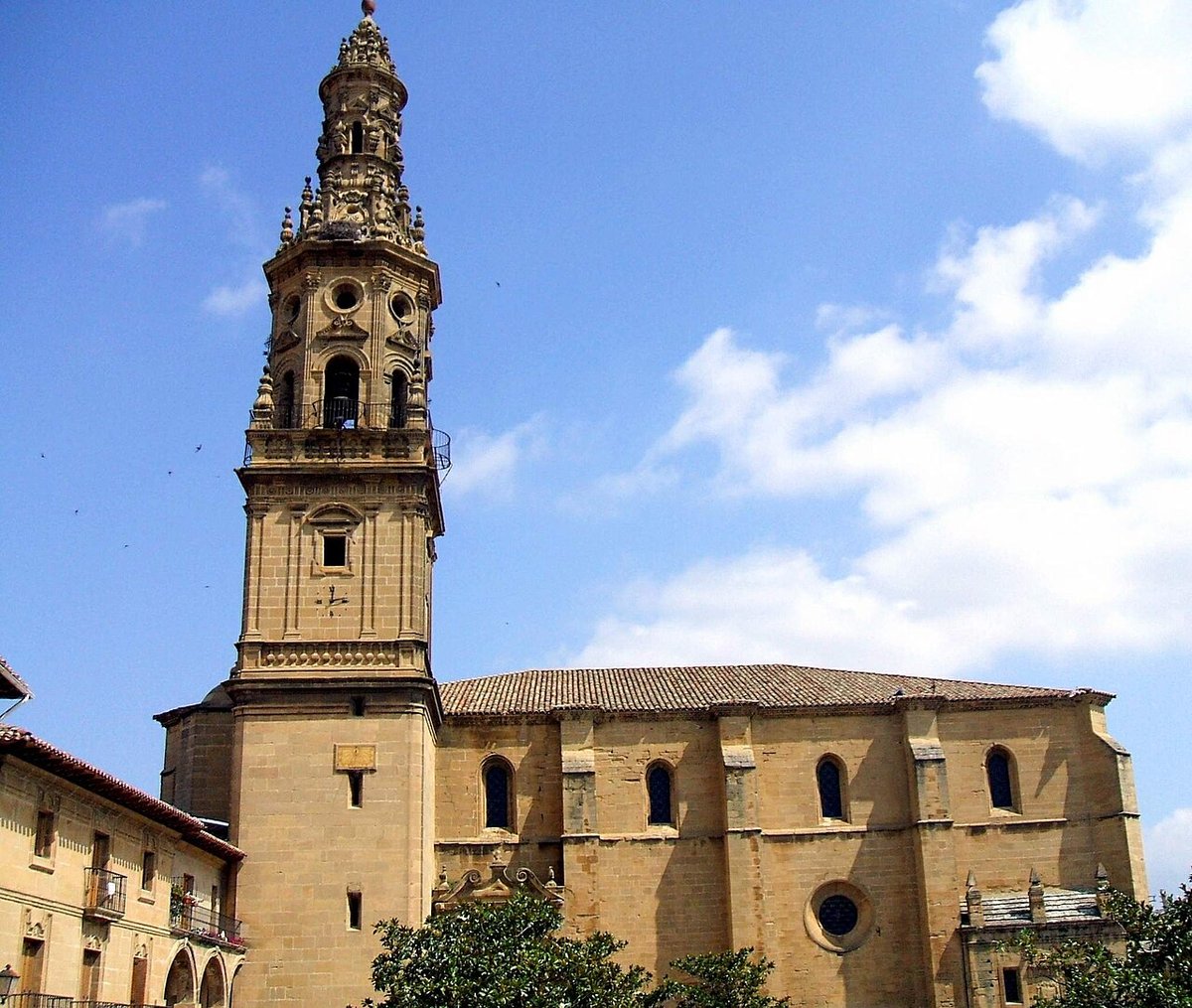
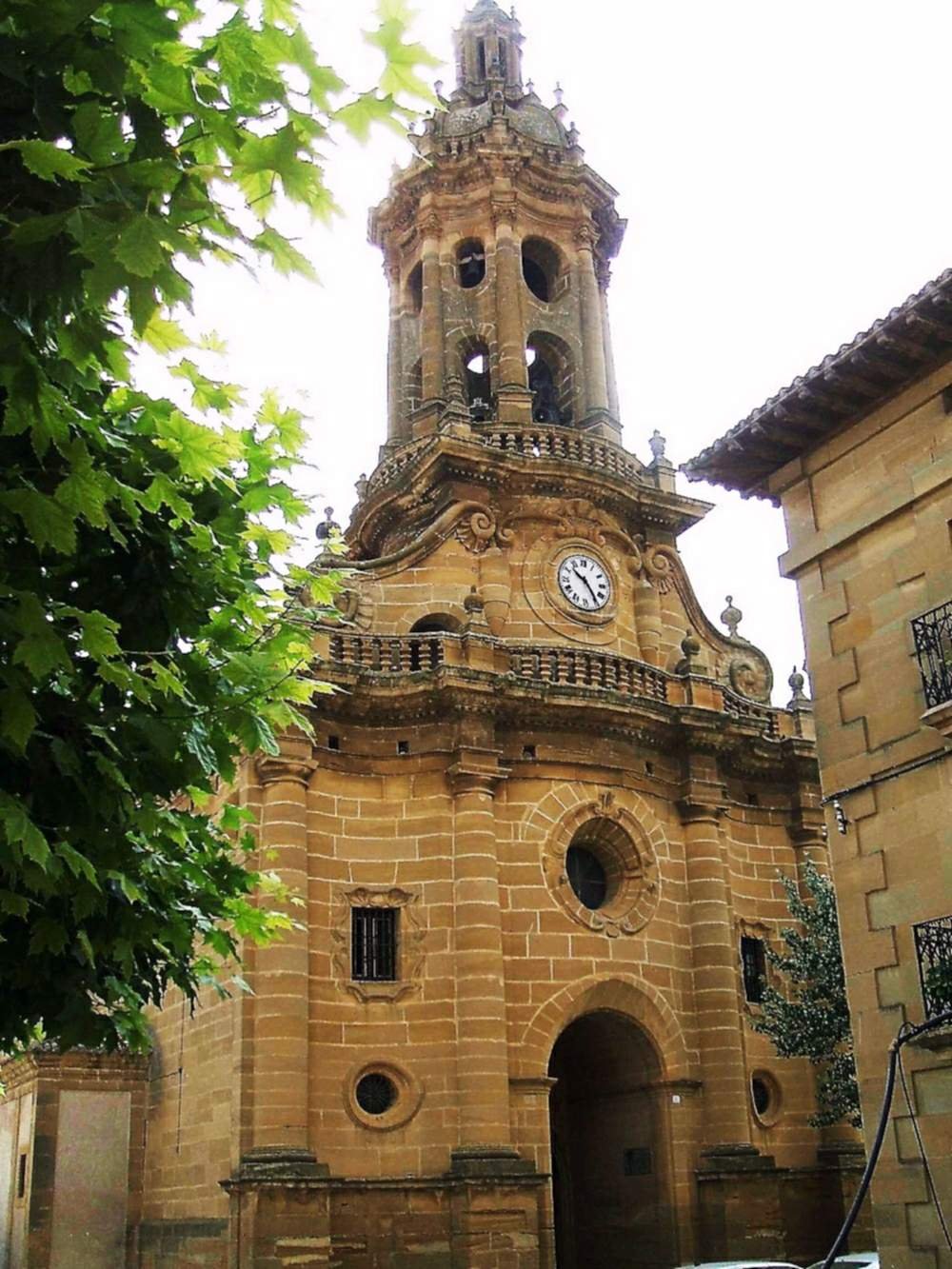
At the heart of the village stands the church of San Martín. Its origins seem to lie in the Romanesque period, probably in the 12th century, although the building visible today includes later alterations. This is common across La Rioja, where many rural churches were expanded or reworked between the 16th and 18th centuries, a time when local economies improved thanks to wine trade.
Inside, the church contains wooden altarpieces from the early modern period and has a notably restrained layout. It fulfils the same role it always has here, serving as the parish church for a small community.
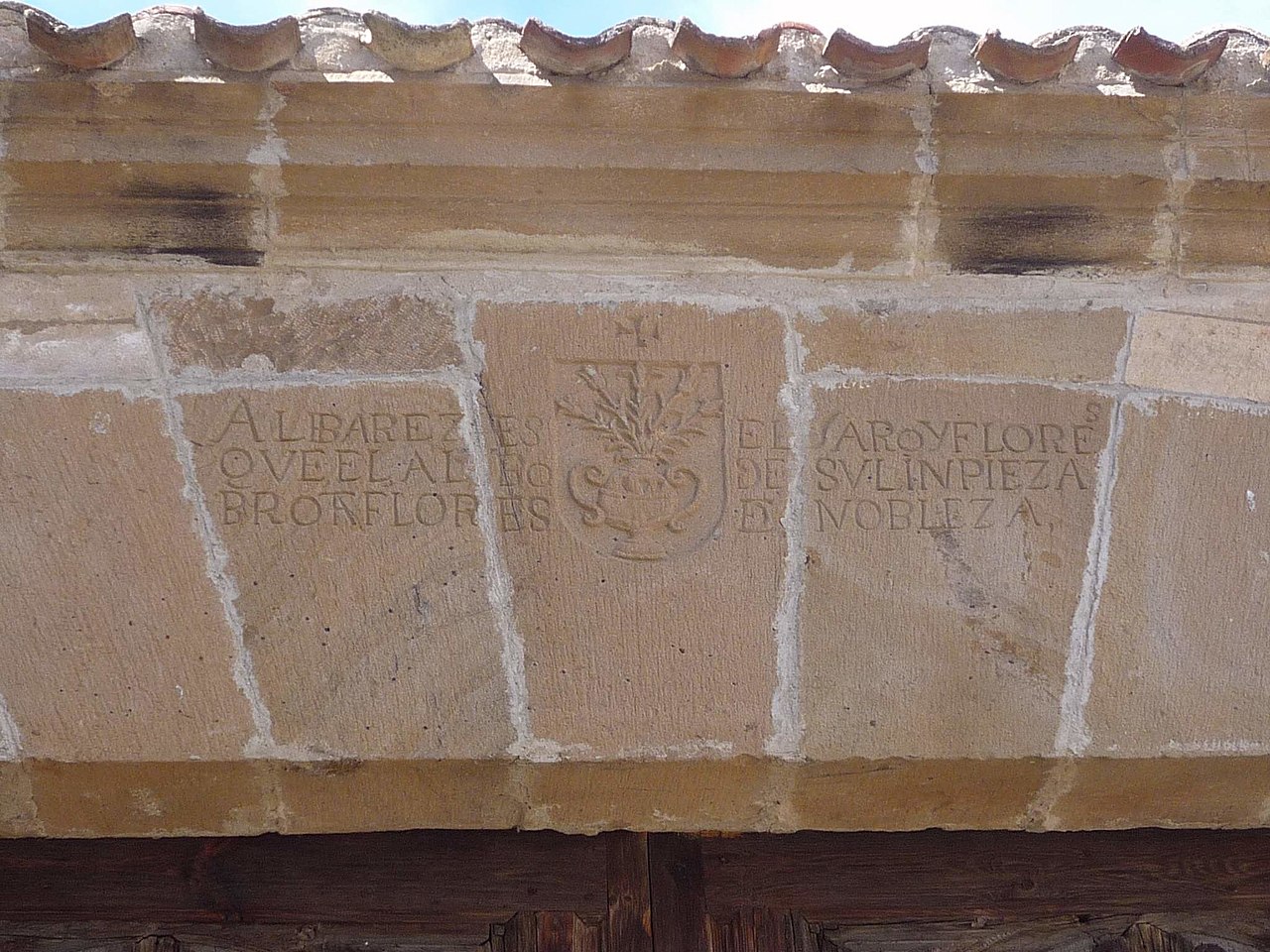
The nearby streets feature several houses dating from the 17th and 18th centuries. Some display carved stone coats of arms on their façades, something often seen in this region. During the early modern period, many rural families claimed noble status, and these stone emblems acted as a public marker of that identity. These are not palaces but large working houses, built for farming life, with wide entrances designed for carts and storage.
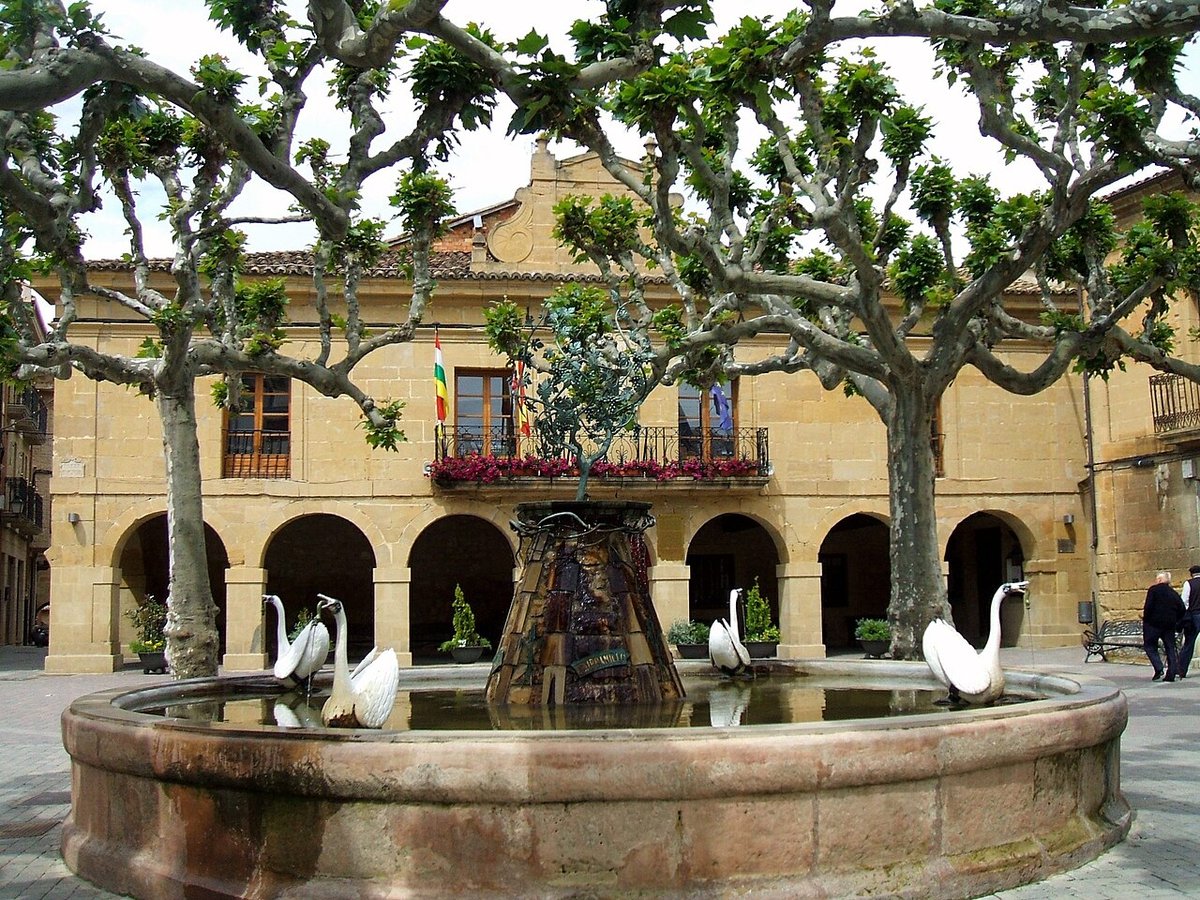
The village is largely built in sandstone. Over time it takes on a warm tone that becomes especially noticeable towards the end of the day. Iron balconies and enclosed galleries reflect the local climate, with its cold winters and dry summers.
A landscape tied to the vine
Stepping beyond the built-up area, the scenery changes very little. Vineyards, cereal plots and agricultural tracks stretch across the surroundings, linking scattered parcels of land. This part of Rioja Alta has been organised around vine cultivation for centuries. Documents from the early modern period already mention vineyards within the boundaries of Leiva.
To the north rises the Sierra de Toloño, which acts as a natural barrier against the more humid winds from the Cantabrian coast. This climatic protection helps explain the long-standing presence of vineyards across the strip of land between Haro, Briones and San Asensio.
The paths around the village follow long-established routes. Many began as access tracks to farmland or as links between neighbouring settlements. Today they are still used for agricultural work, as well as for short walks.
A short walk through Leiva
Leiva can be explored quickly. Within about an hour it is possible to see the church, the main streets and several façades with coats of arms. Attention naturally falls on the stone gateways and the inner courtyards that can be glimpsed behind them. These features point to a way of life centred on the land and on storing harvests.
The paths leading out of the village offer clear views of the surrounding farmland. There is no need to go far. Within minutes, the cluster of houses gives way to open views across the valley landscape.
Before planning a visit
Leiva is small and quiet. There is no extensive tourist infrastructure and no large monumental centre. A visit is usually part of a wider route through Rioja Alta, combined with nearby places that have more activity.
During the grape harvest or other periods of agricultural work, tractors and machinery are a common sight on the tracks. At those times, it makes sense to leave the car within the village and continue on foot in the surrounding area.
Getting there
Access from Haro is via a local road and the journey is short. Signposting is generally sufficient to find the way. Many people include Leiva as a brief stop while travelling through other villages in the area or visiting wineries around Haro and the Ebro valley.