Full Article
about Ochánduri
Small town with a notable Romanesque church; located near the Tirón River.
Hide article Read full article
Ochánduri: El pueblo que no te esperas
Ochánduri es ese tipo de sitio al que llegas casi sin querer. Vas por la carretera entre Haro y Santo Domingo, ves un cartel, y dices "vamos a ver qué hay". En ocho minutos estás allí. No es una parada planificada; es más bien un descanso visual, como cuando en un viaje largo paras en un área de servicio solo para estirar las piernas y resulta que tiene unas vistas decentes.
Con 78 habitantes, no vas a encontrar el bullicio de una bodega con visita guiada. Lo que hay es silencio, el de verdad, roto solo por algún tractor a lo lejos o una conversación en la puerta de una casa. Es La Rioja en modo bajo consumo.
La iglesia y las calles: arquitectura sin postureo
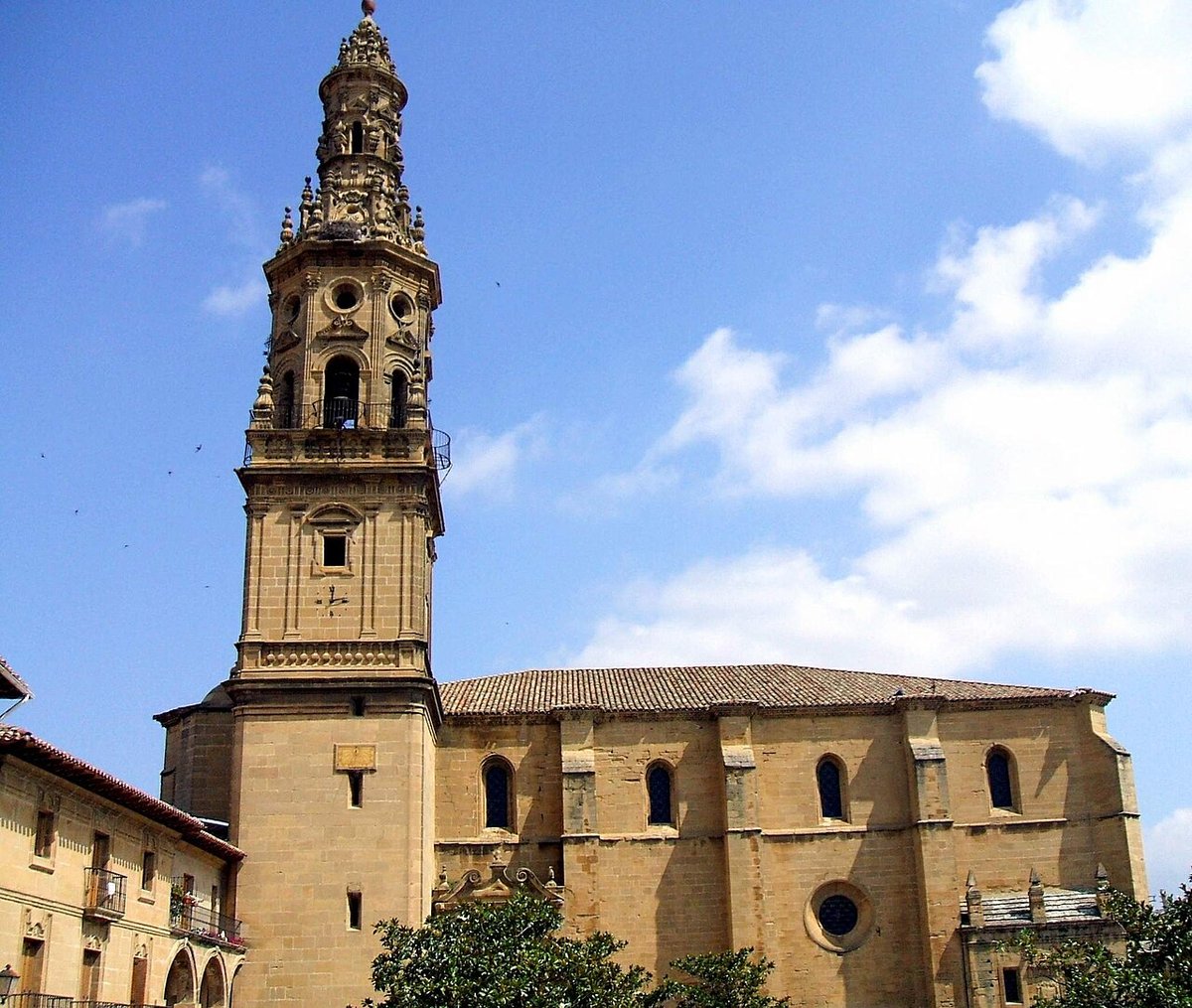
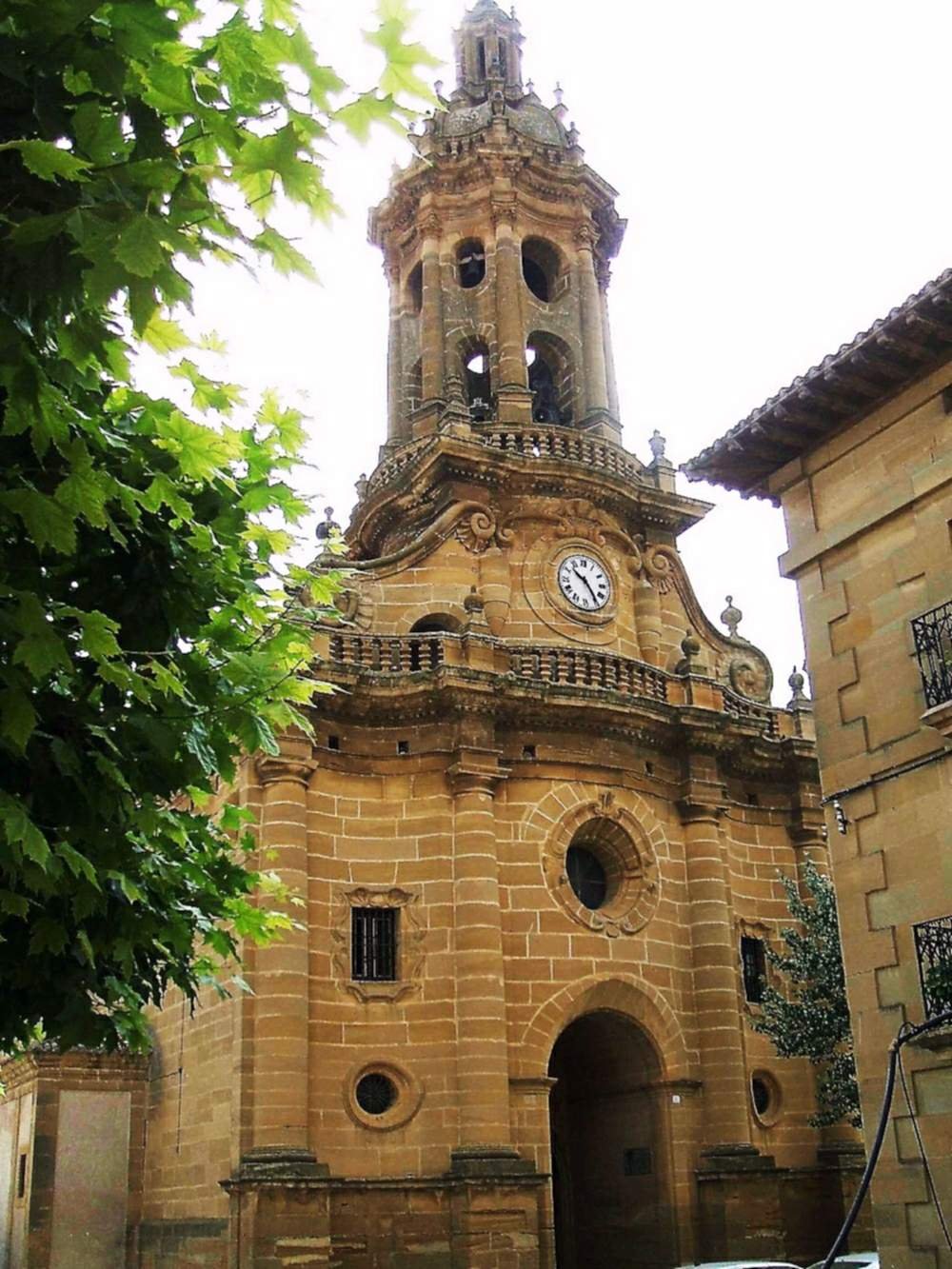
Lo primero que ves al entrar es la Iglesia de la Concepción. No busques una catedral gótica; esto es una iglesia de pueblo, con una torre cuadrada y líneas sencillas, construida para dar misa los domingos y punto. La piedra está gastada por el viento, el cierzo sobre todo, que aquí sopla con ganas en invierno.
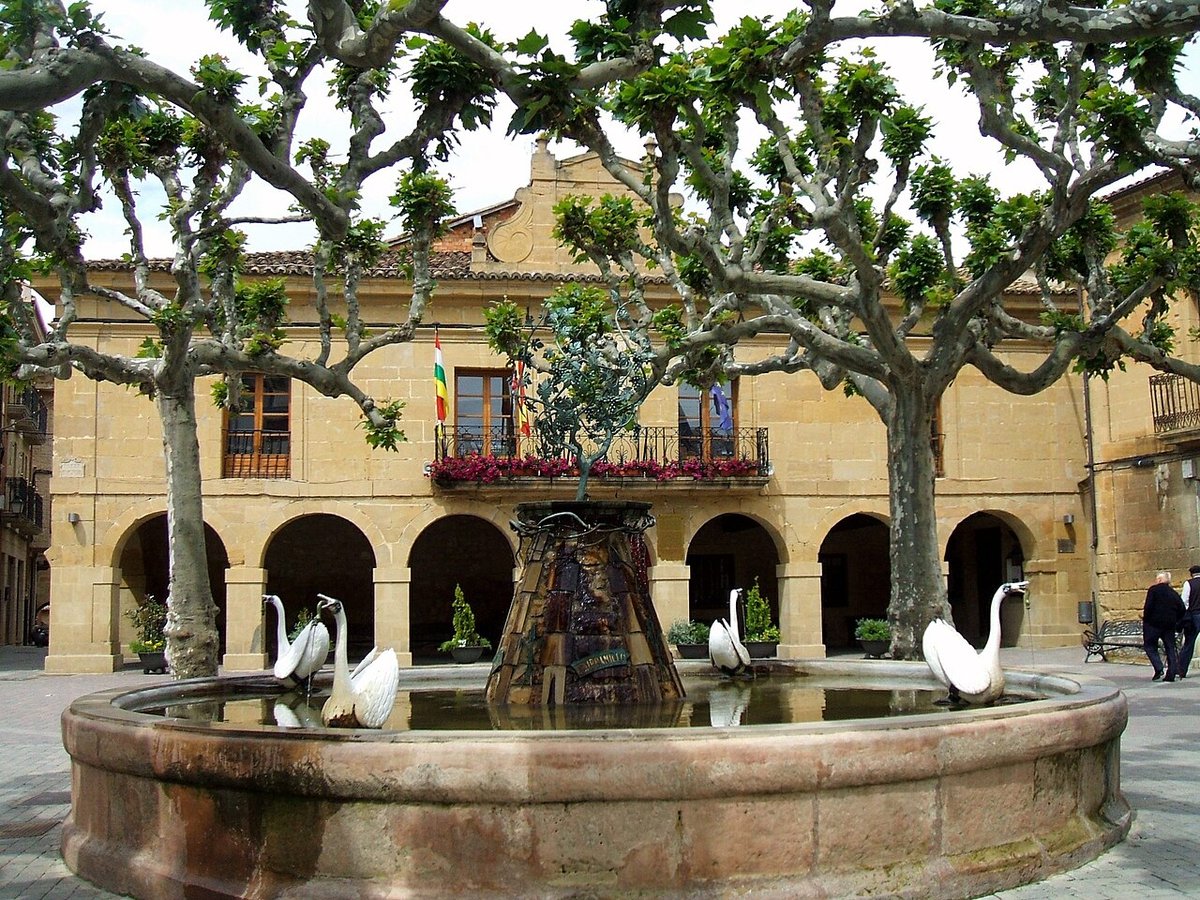
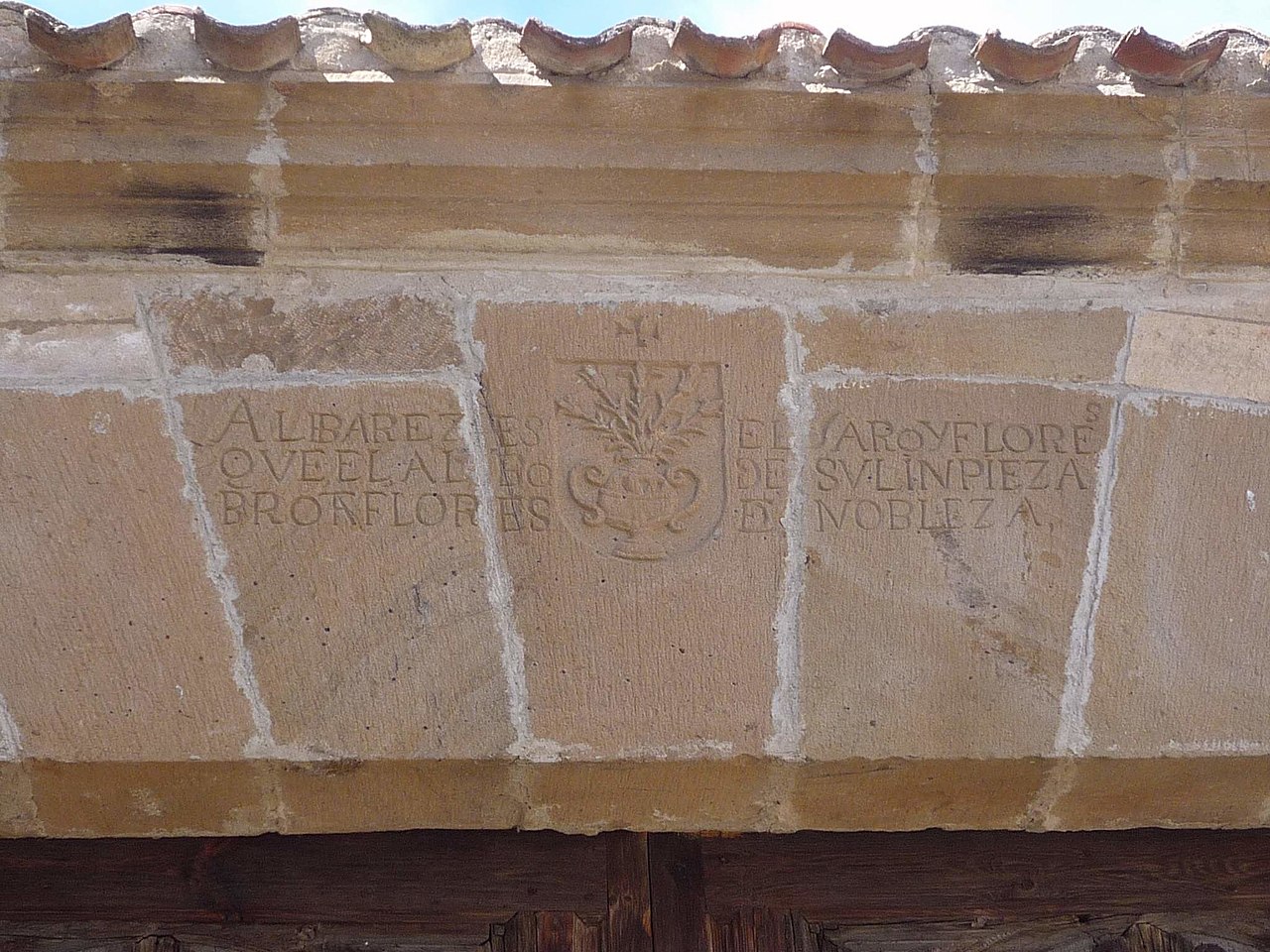
Dar una vuelta por las calles es el plan principal, porque no hay otro. Son cortas, estrechas, con fachadas de adobe y piedra que han visto pasar siglos de vendimias. Si te fijas en algunos muros, verás los arcos cegados de lo que fueron lagares domésticos. No están señalizados con un panel informativo; están ahí, integrados en la pared de una casa como quien tiene un trastero. Es el detalle que te recuerda que todo aquí gira alrededor del vino, pero sin necesidad de montar un museo.
No hay miradores con barandillas de madera ni calles empedradas perfectas para Instagram. La gracia está precisamente en eso: en que parece que nadie se ha molestado en preparar el pueblo para ti. Es como visitar la casa de un amigo un día normal, sin que haya hecho limpieza general.
Salir al campo: donde acaba el asfalto
Si das dos pasos más allá de la última casa, te plantas en medio del viñedo. Literalmente. No hay transición urbana; el pueblo acaba y empieza la tierra.
Hay caminos de tierra entre las vides, puramente agrícolas. No son rutas de senderismo señalizadas (lleva calzado que no te importe manchar), pero son perfectos para dar un paseo sin rumbo. En diez minutos estás inmerso en ese paisaje ordenado de líneas verdes (o rojas, según la época) con la Sierra de Cantabria al fondo, haciendo de telón permanente. No es una vista espectacular; es serena. De las que te quedas mirando sin pensar en nada.
Cómo organizar la parada (y cómo no)
Vamos a ser claros: venir expresamente a Ochánduri desde Logroño sería como conducir hasta un bar solo para tomar un vaso de agua. No tiene sentido.
Donde sí encaja es como parada intermedia en una ruta por la Rioja Alta. ¿Vas a estar todo el día entre bodegas en Haro? Pues venir aquí a media tarde es como un reseteo. Aparcas junto a la iglesia (no hay problema para hacerlo), das una vuelta tranquila de 20 minutos por las calles, echas un vaseo corto por algún camino entre viñas y listo.
En poco más de media hora has captado la esencia del lugar. El valor está en ese contraste: salir del ambiente más turístico y encontrarte con el ritmo pausado del día a día riojano.
La mejor época (y la peor)
La primavera y el otoño son ganadoras. Los campos tienen color, la temperatura es suave y se puede pasear bien.
El verano riojano achicharra. Si vienes en julio o agosto, hazlo a primera hora de la mañana o ya cerca del atardecer. Con el sol bajo, la luz sobre los viñedos merece mucho más la pena.
El invierno tiene su aquel… si aguantas el frío. El cierzo corta como un cuchillo y las calles están vacías. Te da una versión cruda y auténtica del lugar, pero tienes que ir abrigado de verdad.
Cómo llegar sin complicaciones
Está a 8 km de Haro, por una carretera local secundaria. Desde Logroño tomas la N-124 hacia Haro y desde allí te desvías siguiendo los carteles.
Es una desviación mínima. Si tienes coche y ya estás por la zona, no supone ningún esfuerzo añadido.
¿Merece la pena? Depende de lo que busques. Si quieres acción, monumentos o tiendas de souvenirs… claramente no. Si lo que necesitas es un respiro entre tapa y tapa, unos minutos de calma donde el único plan sea no tener plan… entonces sí. Ochánduri es esa pausa breve que a veces hace que un viaje se recuerde mejor