Full Article
about Ollauri
Town of wineries and underground palaces; known as the wine cemetery.
Hide article Read full article
Ollauri: un pueblo en la viña
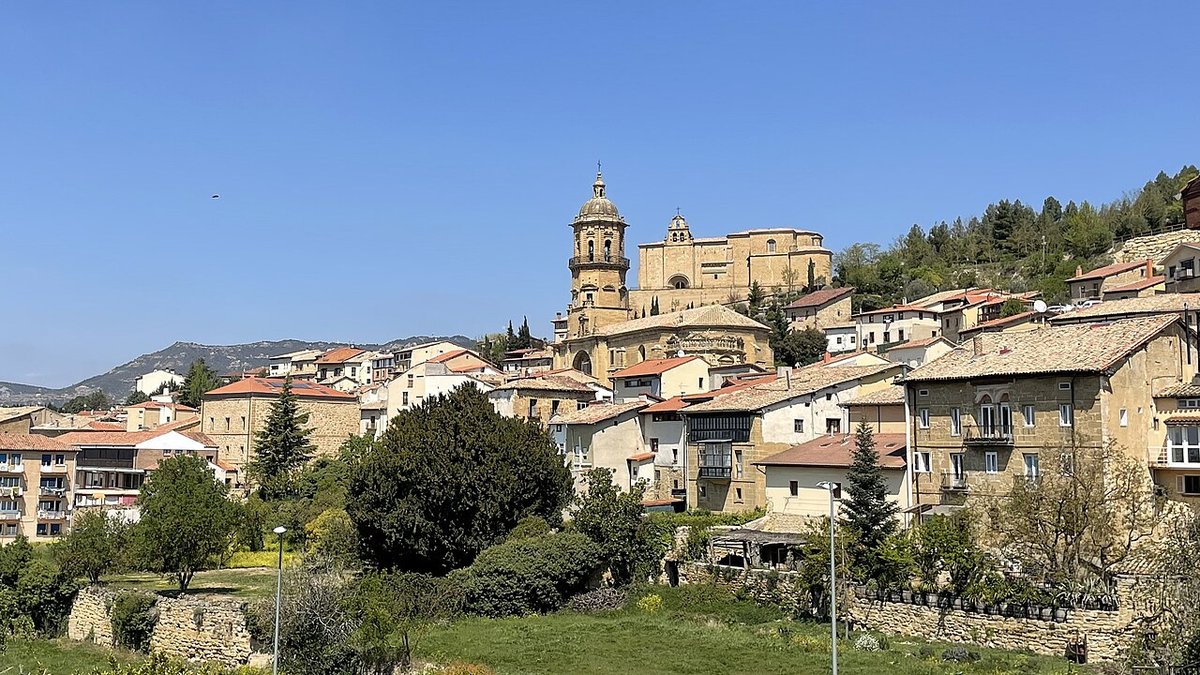
Ollauri tiene poco más de trescientos habitantes y se encuentra en la Rioja Alta, a unos diez minutos en coche de Haro. Su escala lo explica casi todo: calles cortas, casas bajas y un paisaje en el que los bancales de viñedo son la norma. La vida aquí ha girado en torno al vino durante siglos, y ese vínculo sigue definiendo el carácter del lugar.
El pueblo se extiende por laderas suaves de cultivo. No hay grandes monumentos ni plazas amplias. Lo que encuentras son casas de piedra, portones anchos que dan acceso a las bodegas familiares y caminos que en pocos pasos te llevan entre las vides. Los límites entre lo urbano y lo rural son difusos.
La iglesia y el trazado antiguo
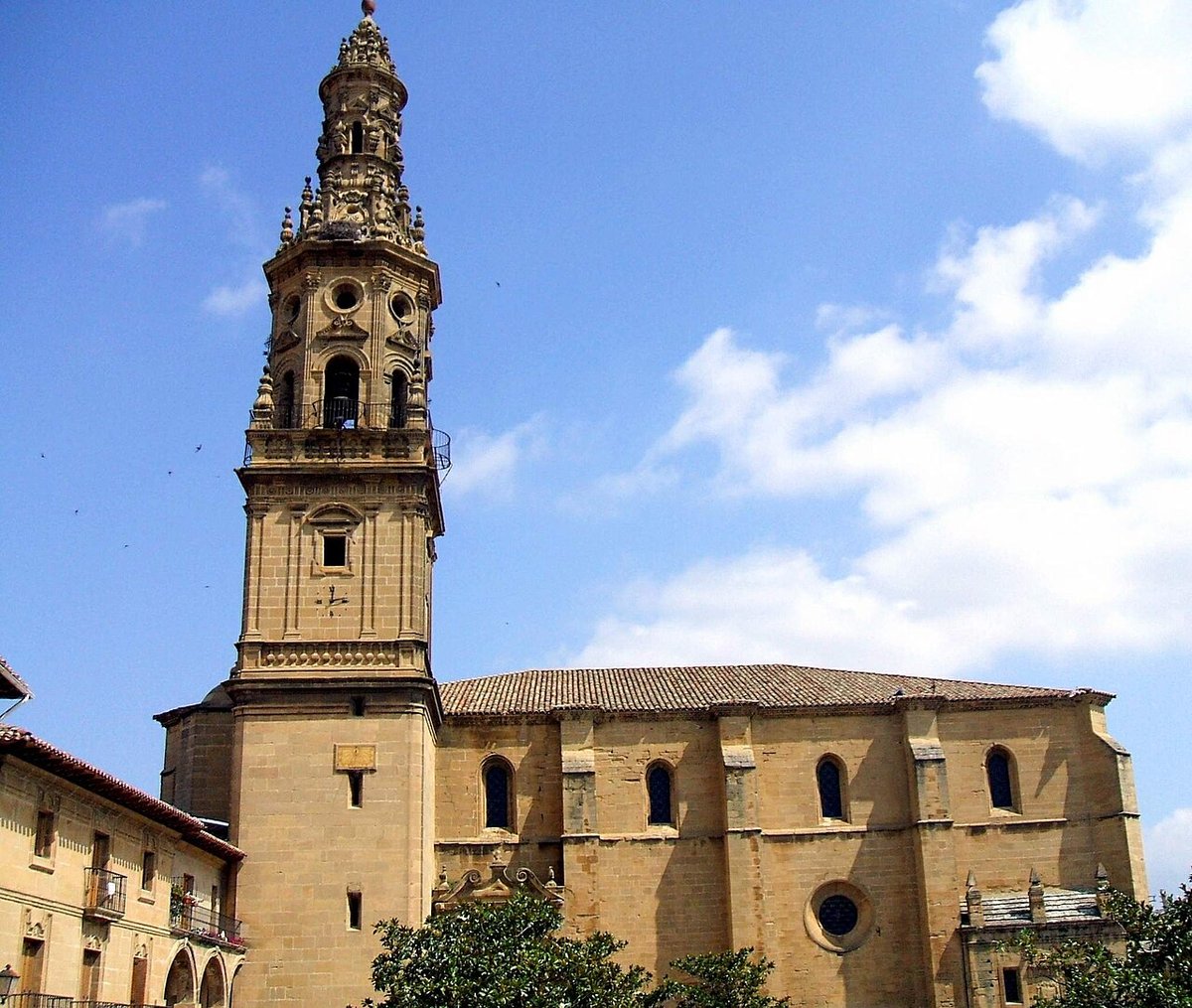
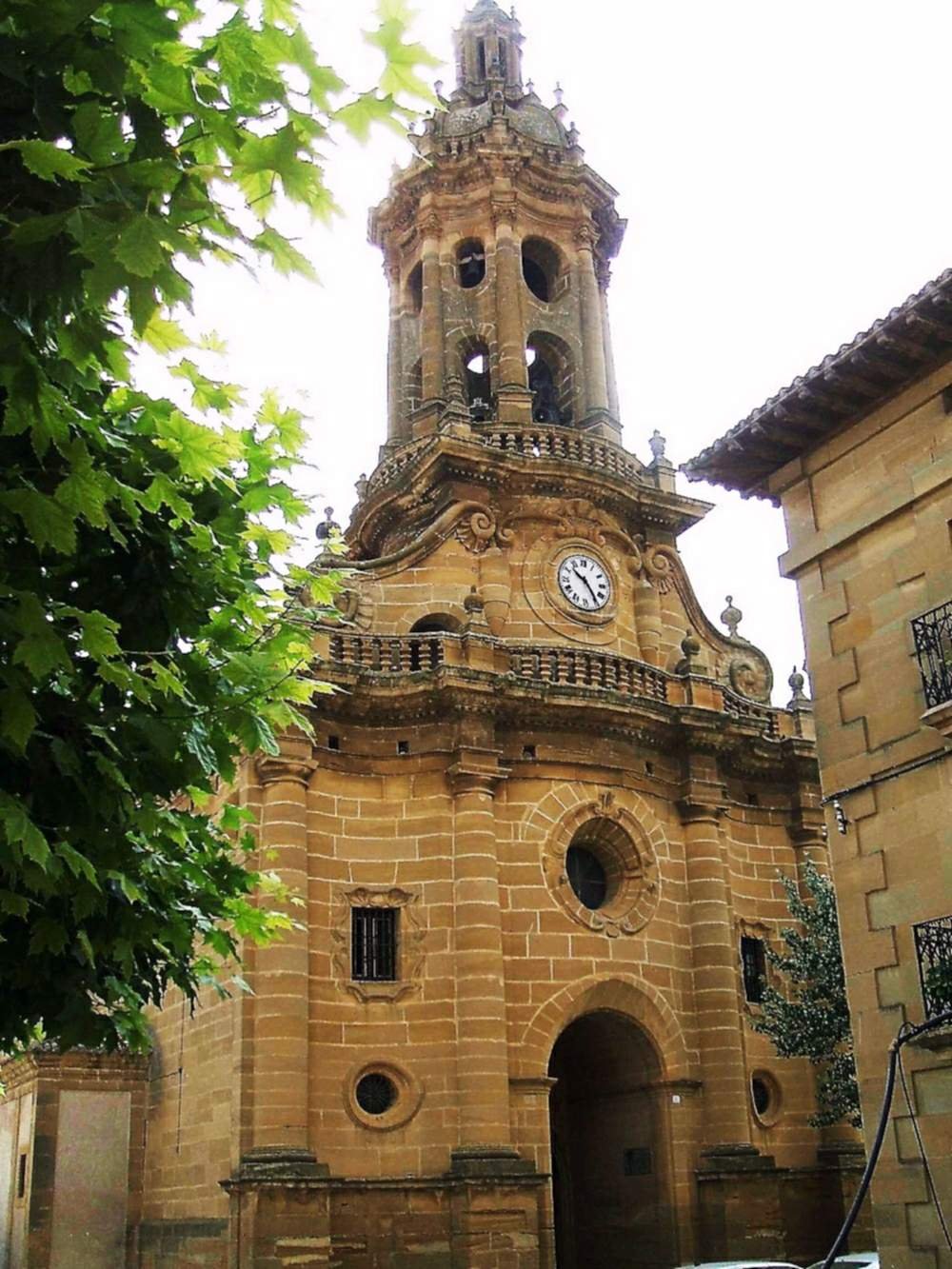
La iglesia de San Pelayo ocupa el punto más visible. Su origen parece medieval, aunque la estructura actual es resultado de reformas posteriores. La torre se distingue desde lejos, sobre todo si se llega por los caminos que atraviesan los viñedos.
El interior es sobrio, con una decoración mínima, algo habitual en las iglesias rurales de esta zona. Durante siglos, este edificio fue más que un lugar de culto; marcaba el centro de la comunidad y ordenaba el calendario religioso ligado a los ciclos agrícolas.
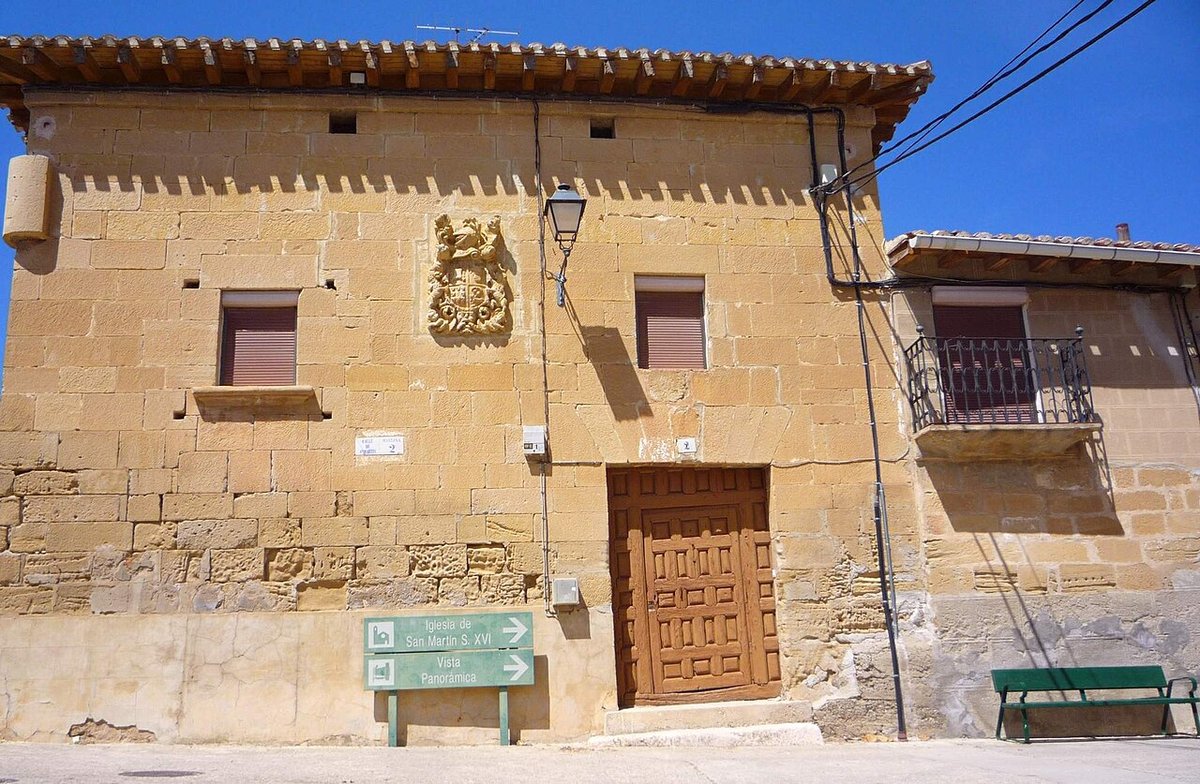
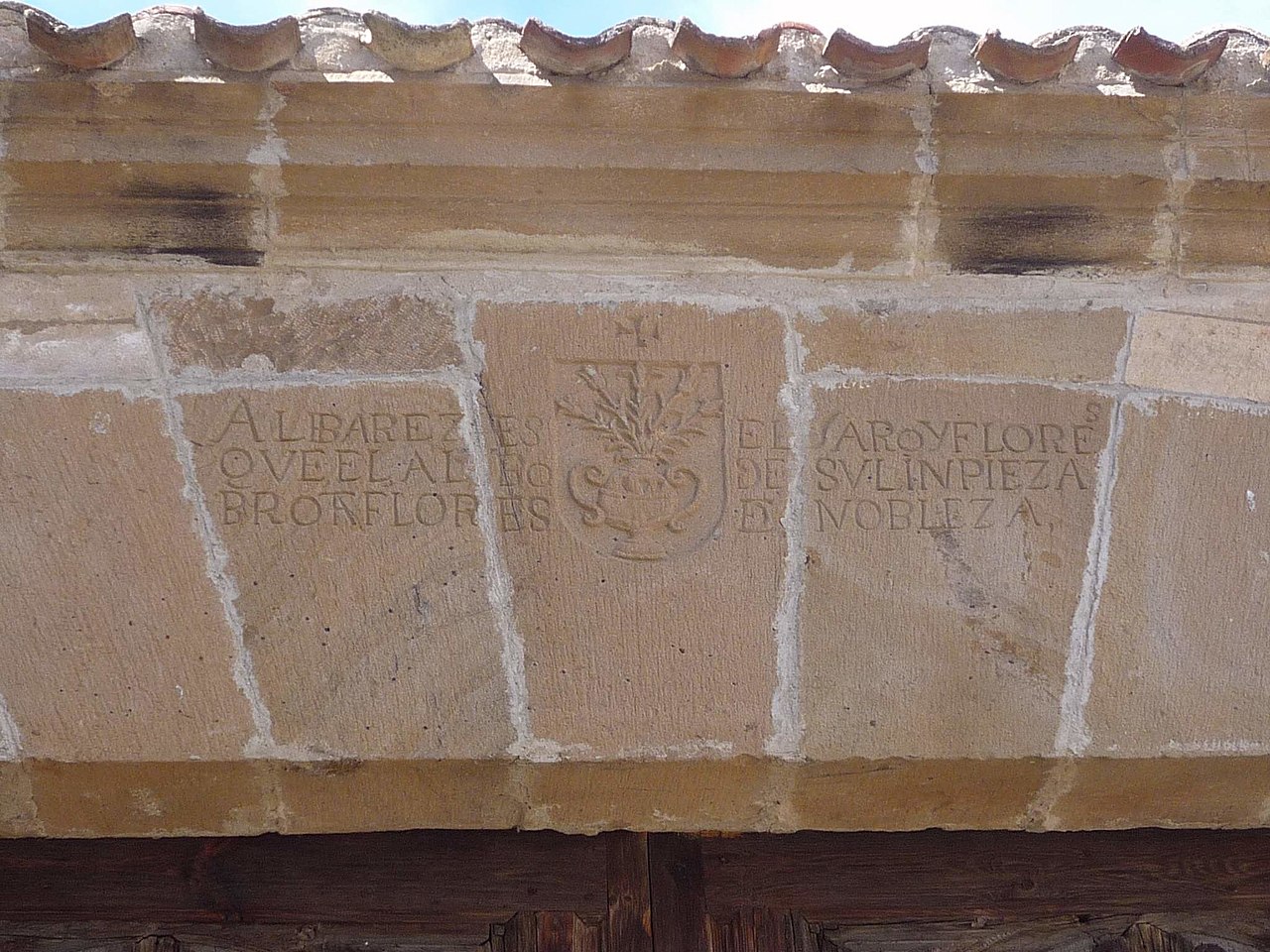
En algunas fachadas de las casas cercanas se ven blasones. Son vestigios discretos de familias vinculadas históricamente a la propiedad de la tierra o a la producción de vino. No dominan el paisaje, pero añaden una capa más a la historia del pueblo.
Los calados, el vino bajo tierra
Bajo muchas casas y en las laderas cercanas se encuentran los calados: galerías subterráneas excavadas en la tierra para almacenar el vino a temperatura estable. En la Rioja Alta forman parte del paisaje tanto como las propias vides.
En Ollauri, muchos siguen en uso. No suelen ser recintos visitables abiertos al público; pertenecen a familias o bodegas pequeñas que mantienen métodos tradicionales. Por eso, llegar sin avisar no garantiza poder verlos. Si se consigue acceso, es normalmente mediante un acuerdo previo.
Estos espacios no fueron concebidos como atracciones, sino como infraestructura básica para la producción. Muestran cómo se ha organizado el trabajo durante generaciones, ligado al terreno y al espacio doméstico.
Salir a caminar entre vides
El paso del pueblo al campo es inmediato. Los caminos agrícolas comienzan en el borde de las últimas casas y conectan Ollauri con localidades como Casalarreina o San Asensio. Son rutas llanas, sin desniveles significativos.
Desde algunos puntos hay vistas hacia la Sierra de Cantabria y los Montes Obarenes. El paisaje cambia de forma notable con las estaciones: un manto verde continuo en primavera, tonos más secos a finales del verano, y hojas rojizas y ocres durante la vendimia.
No hace falta mucho tiempo para entender el territorio. Con un paseo breve desde el centro se ve lo estrecha que es la relación entre el pueblo y el viñedo.
Comida, fiestas y el ritmo del año
La cocina en esta parte de La Rioja se basa en guijos contundentes, verduras de temporada, asados y, por supuesto, vino de la zona. En un pueblo del tamaño de Ollauri, las opciones para comer son limitadas.
Muchos visitantes prefieren ir a Haro, a pocos minutos en coche, donde hay más movimiento. Quedarse en Ollauri ofrece otra experiencia: el ritmo es más lento, y un paseo por sus calles permite comprender mejor el entorno donde se produce el vino de la región.
Las fiestas locales dedicadas a San Pelayo suelen celebrarse a finales de junio. Son eventos centrados en la comunidad, dirigidos principalmente a los vecinos y a quienes tienen vínculos familiares con el pueblo.
Otro momento clave es la vendimia. En septiembre aumenta la actividad en los campos, con tractores y remolques circulando por los caminos. Algunas bodegas permiten observar el proceso, aunque el trabajo es lo prioritario y el acceso depende mucho del momento concreto.
Cómo orientar la visita
El núcleo urbano se recorre en poco tiempo. Con una hora basta para caminar por las calles, llegar a la iglesia y asomarse a los primeros senderos del viñedo.
Desde Logroño, lo habitual es tomar la carretera hacia Haro y después continuar por una vía local. El acceso en coche es sencillo, y aparcar cerca del centro no suele ser complicado si se respetan las entradas a bodegas y los accesos agrícolas.
Ollauri funciona mejor como una parada dentro de una ruta más amplia por la Rioja Alta. Su interés reside en la relación directa que se mantiene entre el pueblo y el viñedo que lo rodea. Aquí esa conexión sigue siendo visible, con poca mediación entre la vida diaria y la tierra que la sustenta.