Full Article
about Rodezno
A wine-making village with many century-old cellars; stone ashlar architecture.
Ocultar artículo Leer artículo completo
The church bell strikes noon, yet only a handful of locals emerge from Rodezno's stone houses. At 547 metres above sea level, this compact village moves to a different rhythm than Haro's wine capital just twelve kilometres north. Here, the Sierra de Cantabria creates a natural barrier that moderates both summer heat and winter cold, making the surrounding vineyards some of Rioja Alta's most reliable producers.
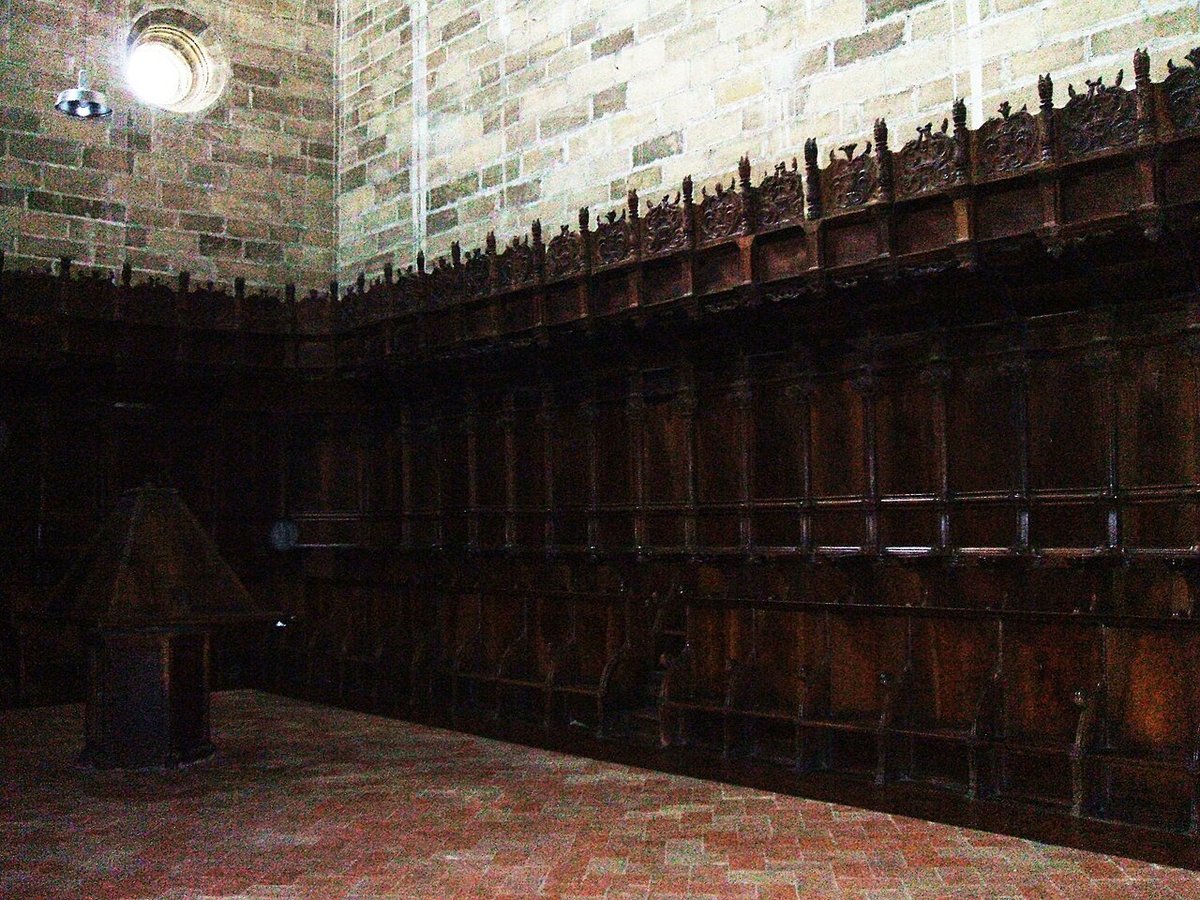
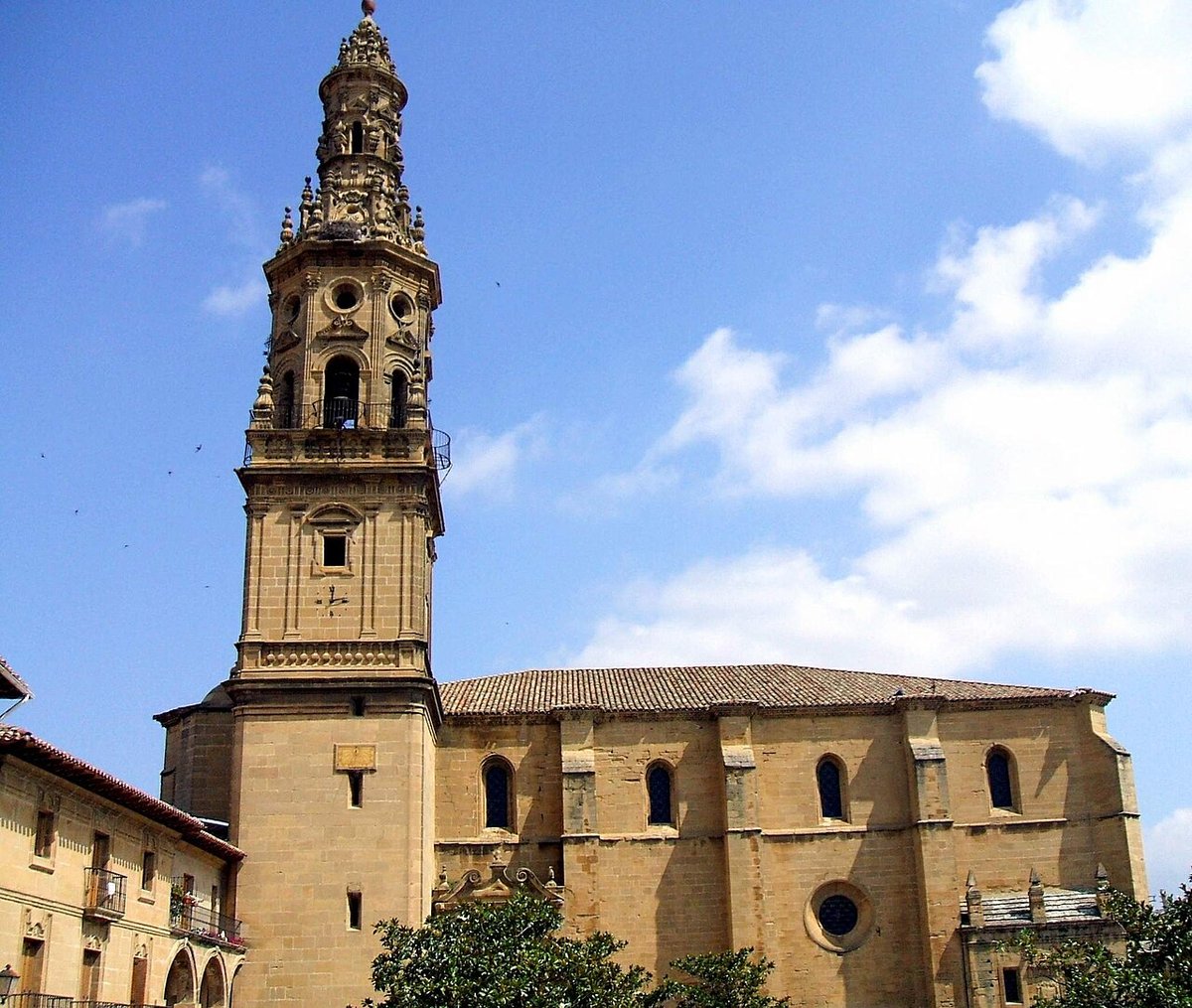
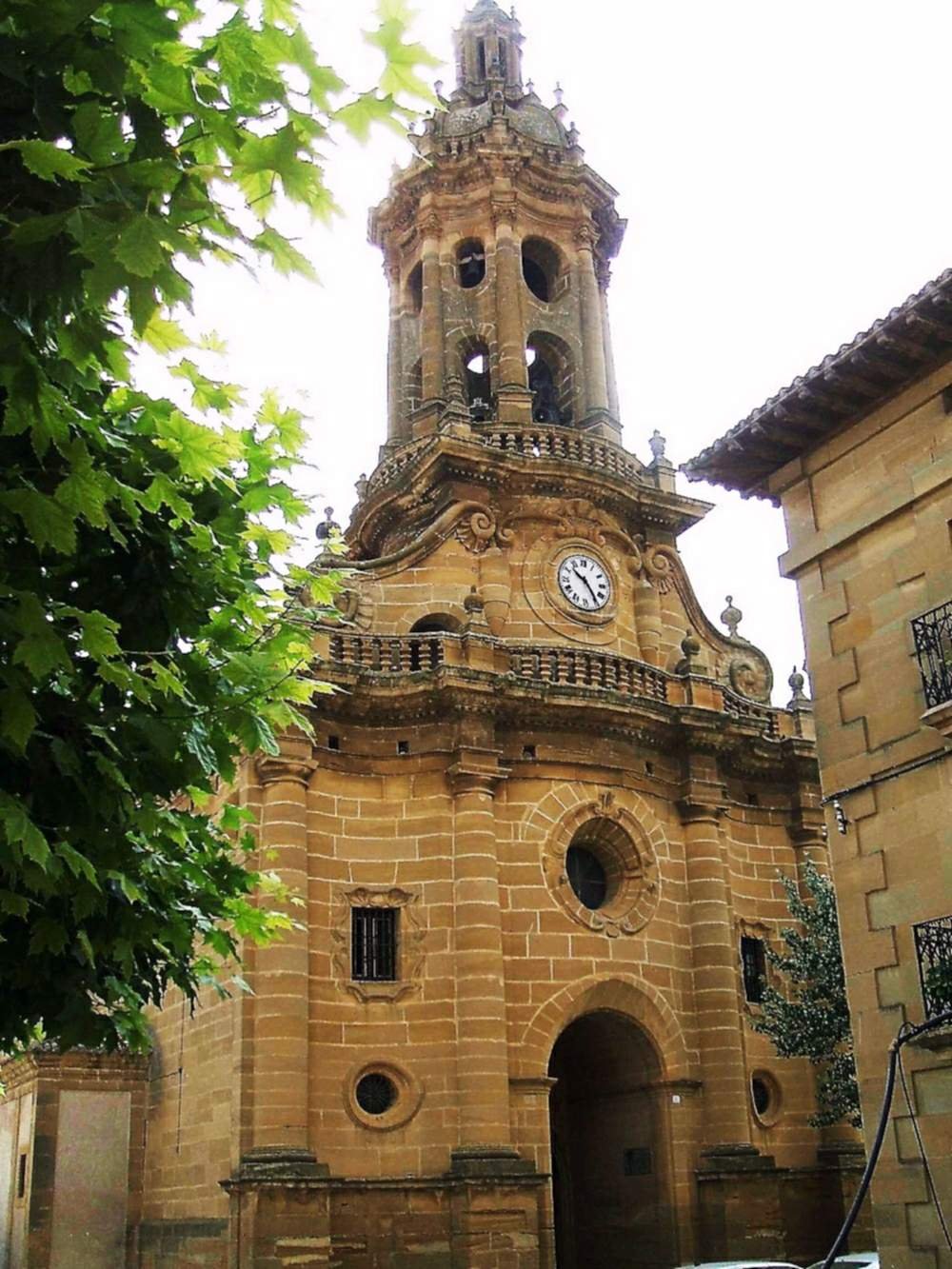
Walking the narrow lanes between limestone walls and timber balconies, visitors quickly realise Rodezno won't overwhelm with monuments. The parish church dominates the modest skyline, its modest proportions reflecting centuries of rural faith rather than ecclesiastical grandeur. Inside, simple wooden pews face an unadorned altar – no gold leaf or baroque excess here, just the honest architecture of a farming community that has always invested its wealth in vines rather than vaults.
Those vines stretch in every direction, creating a patchwork of small plots that explains why this village of barely two hundred souls punches above its weight in Rioja's wine hierarchy. The traditional bodegas built into hillsides aren't all open for tours – many remain working cellars where families still produce wine for their own tables. Knock politely at the right door and you might find someone willing to show their centuries-old press, but don't expect gift shops or tasting notes.
Between Harvest and Frost
Rodezno's calendar revolves around the grape. September brings the vendimia, when tractors hauling grapes to larger cooperatives create the village's only regular traffic jam. The narrow streets, barely wide enough for a single vehicle, fill with the sweet smell of crushed fruit and the sound of neighbours comparing sugar levels. Visitors arriving during harvest should expect agricultural traffic on the approach roads and book accommodation elsewhere – Rodezno offers no hotels, just a handful of village houses rented to wine enthusiasts who know the area well.
Winter transforms the landscape entirely. Morning mists settle in the valley, occasionally dropping snow that rarely lingers thanks to the altitude's moderating influence. The vines stand skeletal against pale clay soil, revealing stone walls and traditional stone shelters called casetas that punctuate the vineyards. These small buildings, built from local limestone, provided refuge for workers during sudden weather changes – though today's mechanised harvests mean most stand empty, their weathered stones testament to harder times.
Spring arrives late at this elevation, typically mid-April when almond blossoms appear alongside the first vine buds. The surrounding hills, part of the Obarenes Mountains range, burst with wildflowers that attract walkers from Logroño seeking cooler temperatures than the valley floor offers. Temperatures average five degrees lower than Haro, making summer hiking tolerable when lower Rioja swelters.
Following Ancient Paths
The village serves as an excellent base for exploring Rioja's vineyard network on foot, though maps remain frustratingly basic. A web of agricultural tracks connects Rodezno to neighbouring villages like San Asensio and Briones, each route offering different perspectives on how humans have shaped this landscape over millennia. The most rewarding walk follows the ridge south-west towards the Ebro valley, where the trail climbs gently through pine forest before emerging onto open hillside with views across forty kilometres of wine country.
These aren't maintained hiking routes – they're working paths used by farmers accessing their plots. Gates should be closed, dogs kept under control, and industrial activity given wide berth during spraying seasons. The upside? You'll rarely meet another walker, and the solitude provides space to appreciate how wine production has sculpted every aspect of this terrain.
Cyclists find the area equally appealing, though the rolling terrain demands reasonable fitness. Road cyclists can follow quiet country lanes through successive villages, each with its own medieval church and village square. Mountain bikers have tougher options in the nearby Obarenes, where technical single-track descends through abandoned terraces that once grew cereals rather than grapes.
Eating and Drinking Like a Local
Food options remain limited in Rodezno itself – the village supports one bar that opens sporadically and a bakery that closes early. Smart visitors stock up in Haro before arriving, particularly if self-catering. The local speciality isn't restaurant food but what residents produce for themselves: chorizo made from family pigs, preserved vegetables from kitchen gardens, and wine that never reaches commercial markets.
The bar, when open, serves simple raciones rather than elaborate tapas. Expect jamon from the owner's cousin's farm, cheese from a village twenty kilometres south, and wine poured from unlabelled bottles. Prices hover around €2.50 for a glass of perfectly decent crianza – this is agricultural Rioja, not tourist Rioja, and the markup reflects local wages rather than London prices.
Those seeking proper meals should drive to Haro or Briones, where traditional asadors serve lechazo (roast lamb) and seasonal vegetables. The Michelin-starred scene centres on Logroño forty-five minutes south, but that misses the point of staying in Rodezno. This is where you understand how Rioja's wine industry functions when tour groups aren't watching.
When Plans Need Adjusting
Rodezno's beauty lies in its authenticity, but that brings practical challenges. Mobile phone coverage remains patchy between the stone buildings, and the nearest cash machine sits twelve kilometres away in Haro. The village petrol station closed years ago – fill up before leaving the main roads. Accommodation means renting a village house, typically €80-120 per night for two bedrooms, but options are limited and book early during harvest season.
Weather changes quickly at this altitude. Summer mornings start cool and clear before temperatures climb to thirty degrees by midday. Always carry water – the agricultural tracks offer no facilities, and vineyard shade remains minimal. Winter brings occasional ice that makes the approach roads treacherous, particularly the final climb from the valley floor.
Most visitors use Rodezno as a stopping point between Bilbao and Madrid, or as a peaceful base for exploring the wider region. It works brilliantly for either purpose, provided expectations align with reality. This isn't a chocolate-box village preserved for tourists, but a working agricultural community that happens to occupy one of Rioja's most beautiful corners.
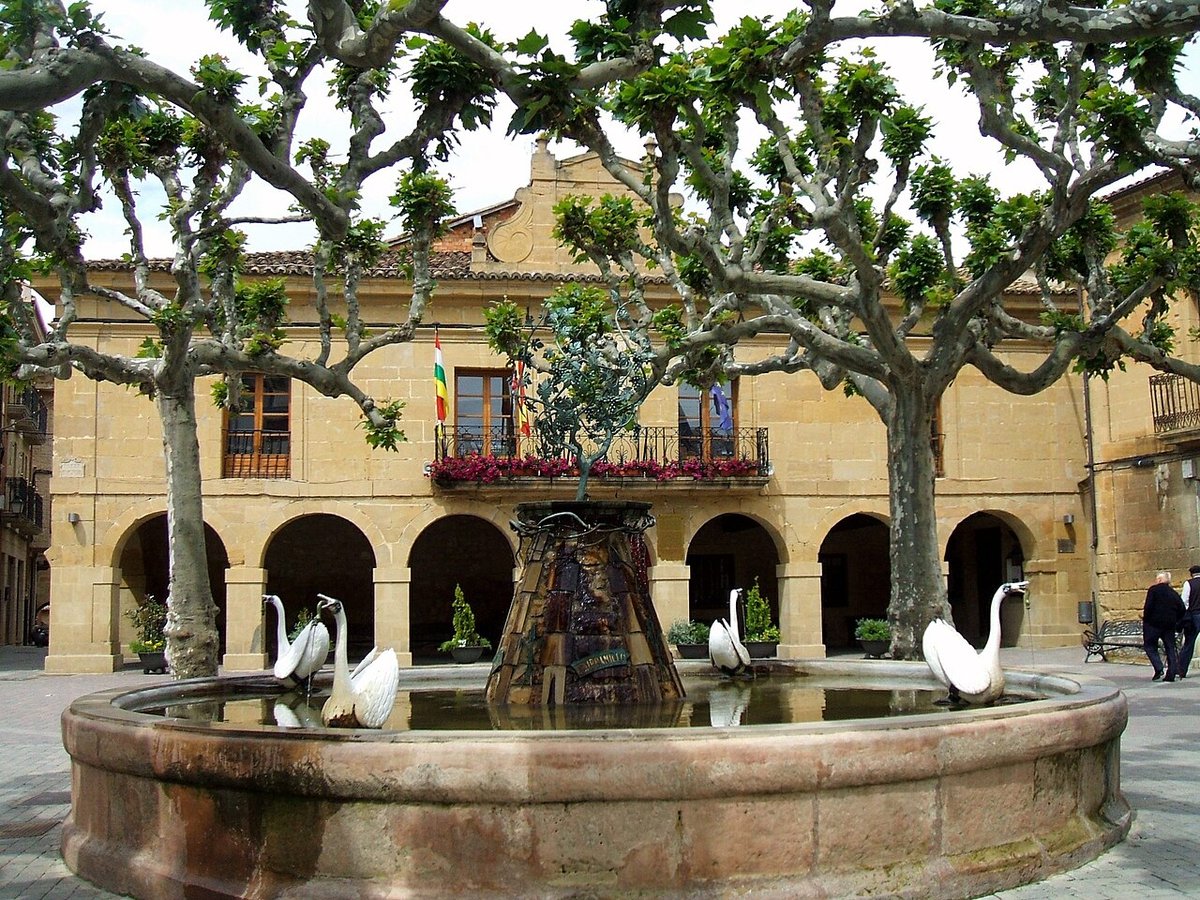
The real reward comes from slowing down to village pace. Sit in the small plaza as evening approaches, when locals emerge for their paseo and the church bell marks time that hasn't changed in centuries. Watch the light shift across vineyards that have produced wine since Roman times. Understand that places like Rodezno don't need to impress visitors – they simply exist, and the privilege lies in experiencing them on their own terms.