Full Article
about Sajazarra
One of Spain’s prettiest villages, known for its spotless castle and well-kept streets.
Ocultar artículo Leer artículo completo
The morning fog lifts at 521 metres to reveal stone walls the colour of burnt honey and a castle tower that still keeps watch over Rioja's vineyards. Sajazarra doesn't announce itself from the motorway—you turn off the LR-404, descend a gentle slope, and suddenly find yourself in a place where the medieval and the agricultural coexist without apology.
A Village That Still Remembers Its Walls
Park where the signs indicate, just beyond the Puerta de la Villa. This isn't a suggestion; a metal barrier blocks the historic centre to all but residents. The walk from car park to castle takes three minutes, long enough to notice how the limestone changes tone as the sun moves across it. At ground level, the stone absorbs heat and releases it slowly, creating microclimates that local gardeners exploit with fig trees and grapevines trained against south-facing walls.
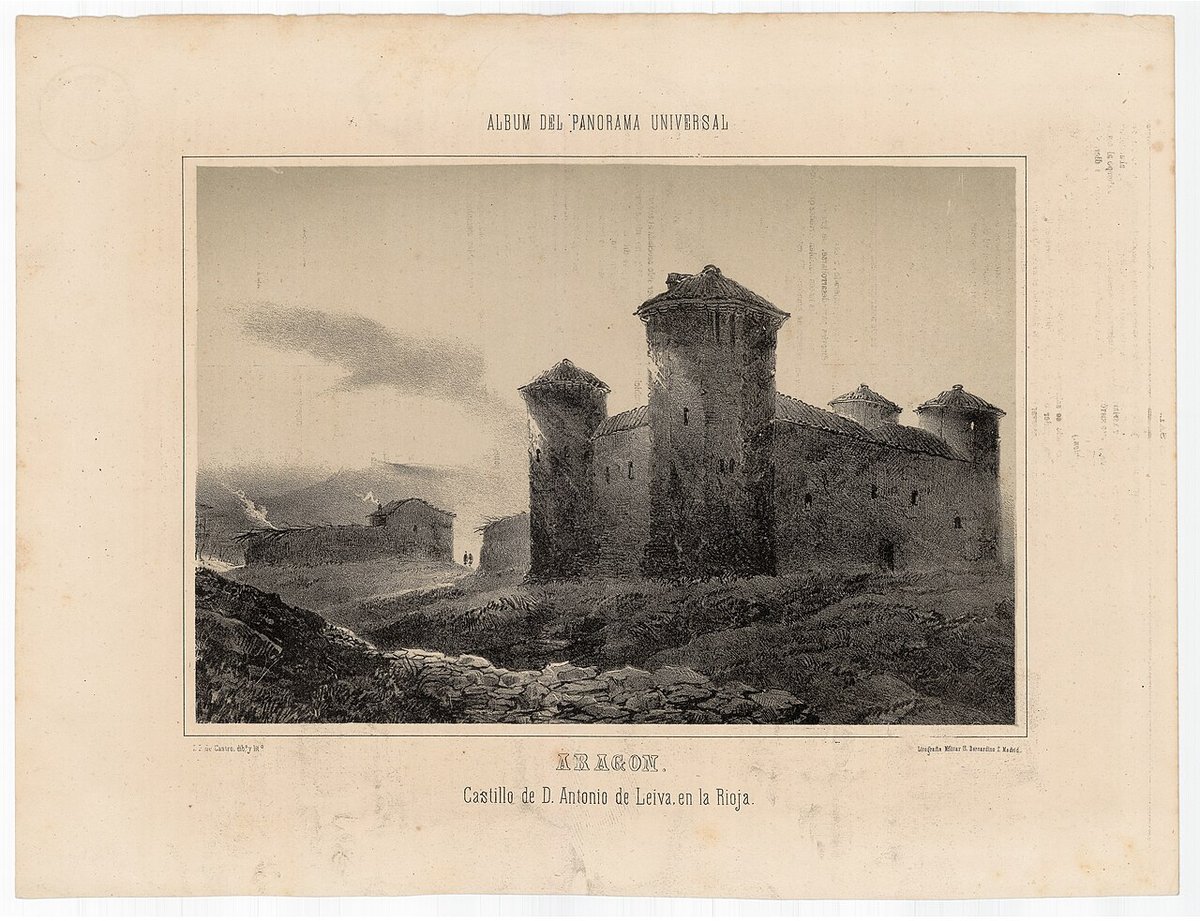
The castle itself—built between the 13th and 14th centuries—stands rectangular and businesslike, its four circular towers damaged but defiant. You can't enter; the family who owns it lives there year-round. Instead, circumnavigate the perimeter where the path narrows to single-file between fortress and vineyard. From the western edge, the view opens onto rolling plantings of Tempranillo that stretch toward the Ebro valley. In October these vines flame scarlet against evergreen oaks, a colour combination that explains why painters keep discovering Rioja despite themselves.
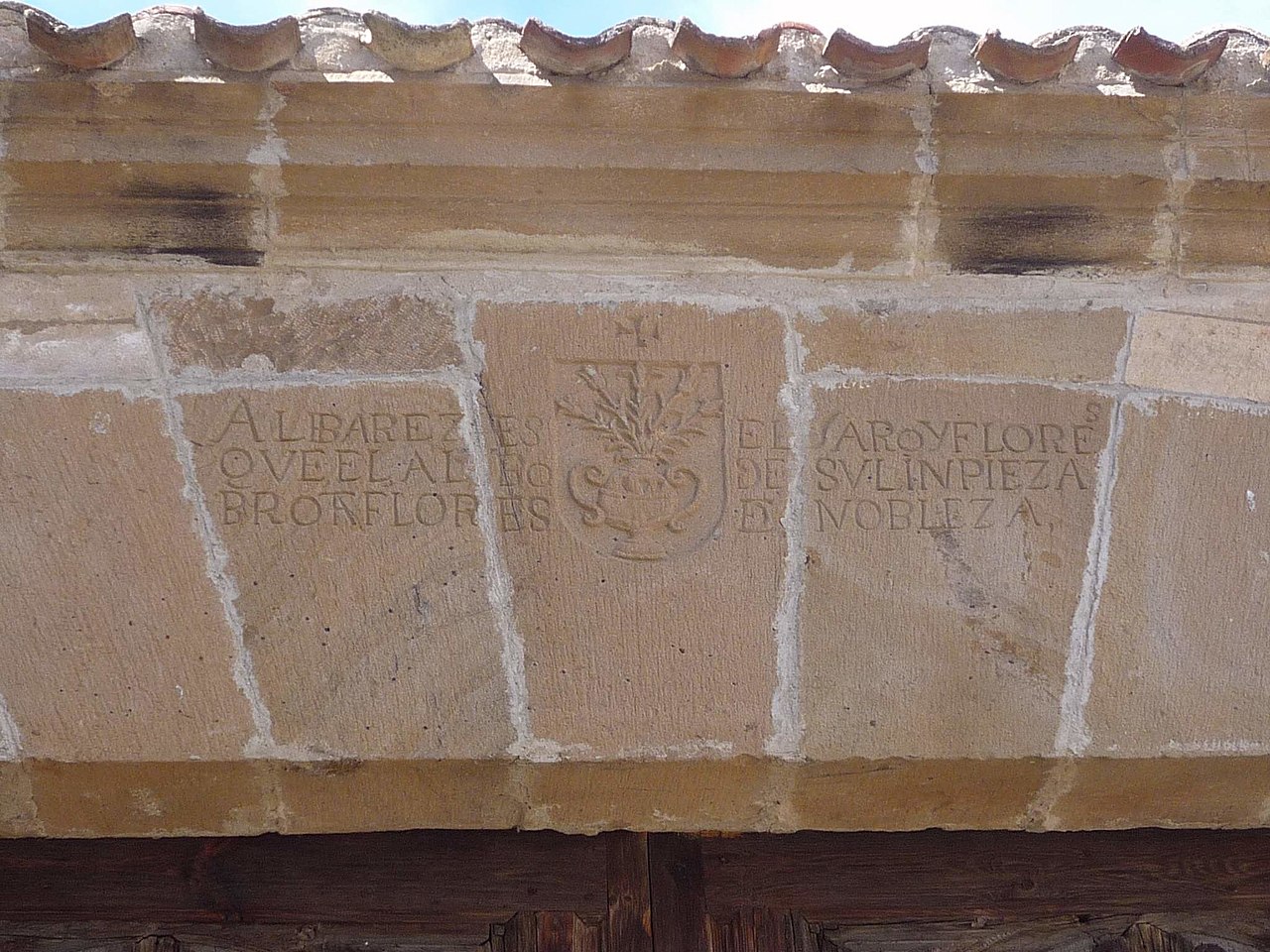
The defensive walls survive in fragments rather than continuous circuit. Look up as you pass under medieval arches: the limestone blocks bear mason's marks visible after six centuries of weathering. Between wall sections, modern houses incorporate original stonework into their foundations, creating architectural palimpsests where 14th-century battlements support 21st-century satellite dishes.
Stone, Sky, and the Sound of River Water
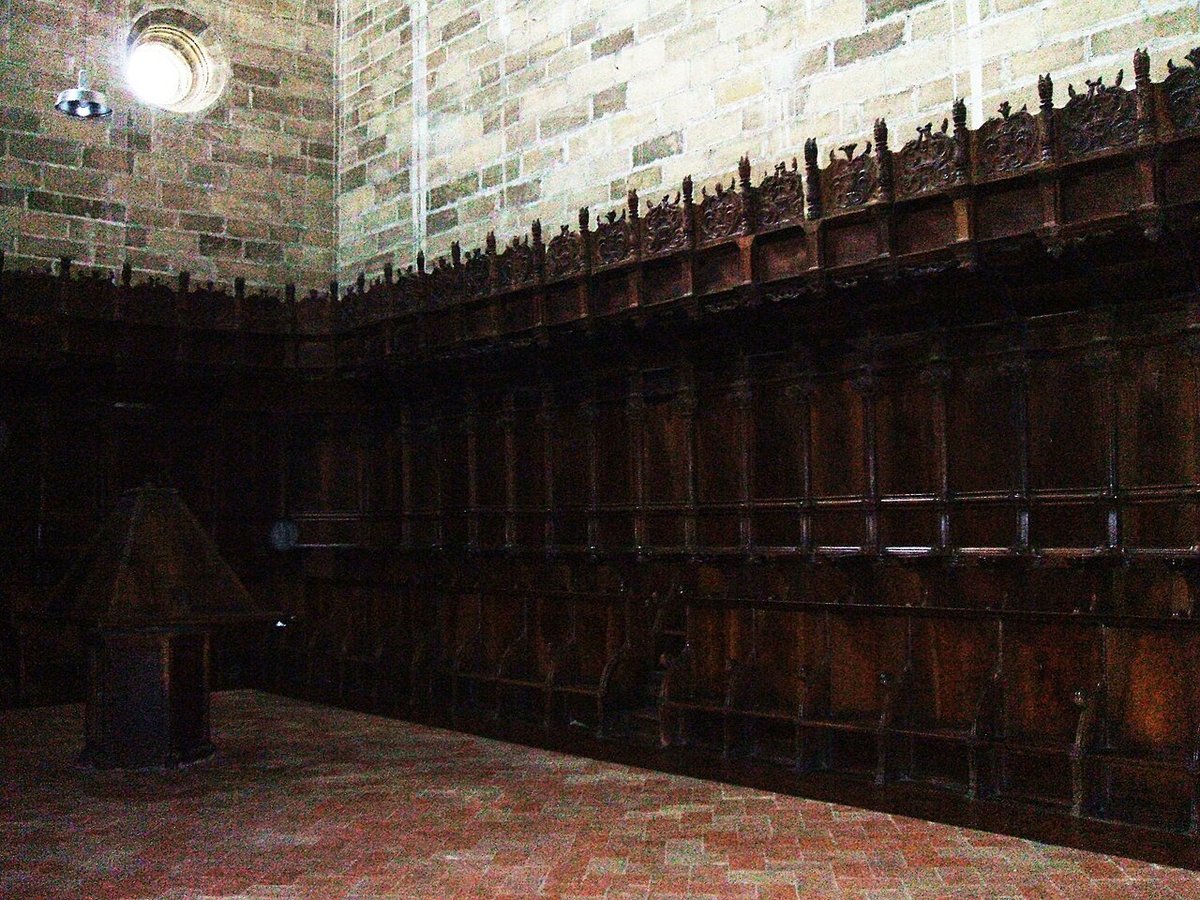
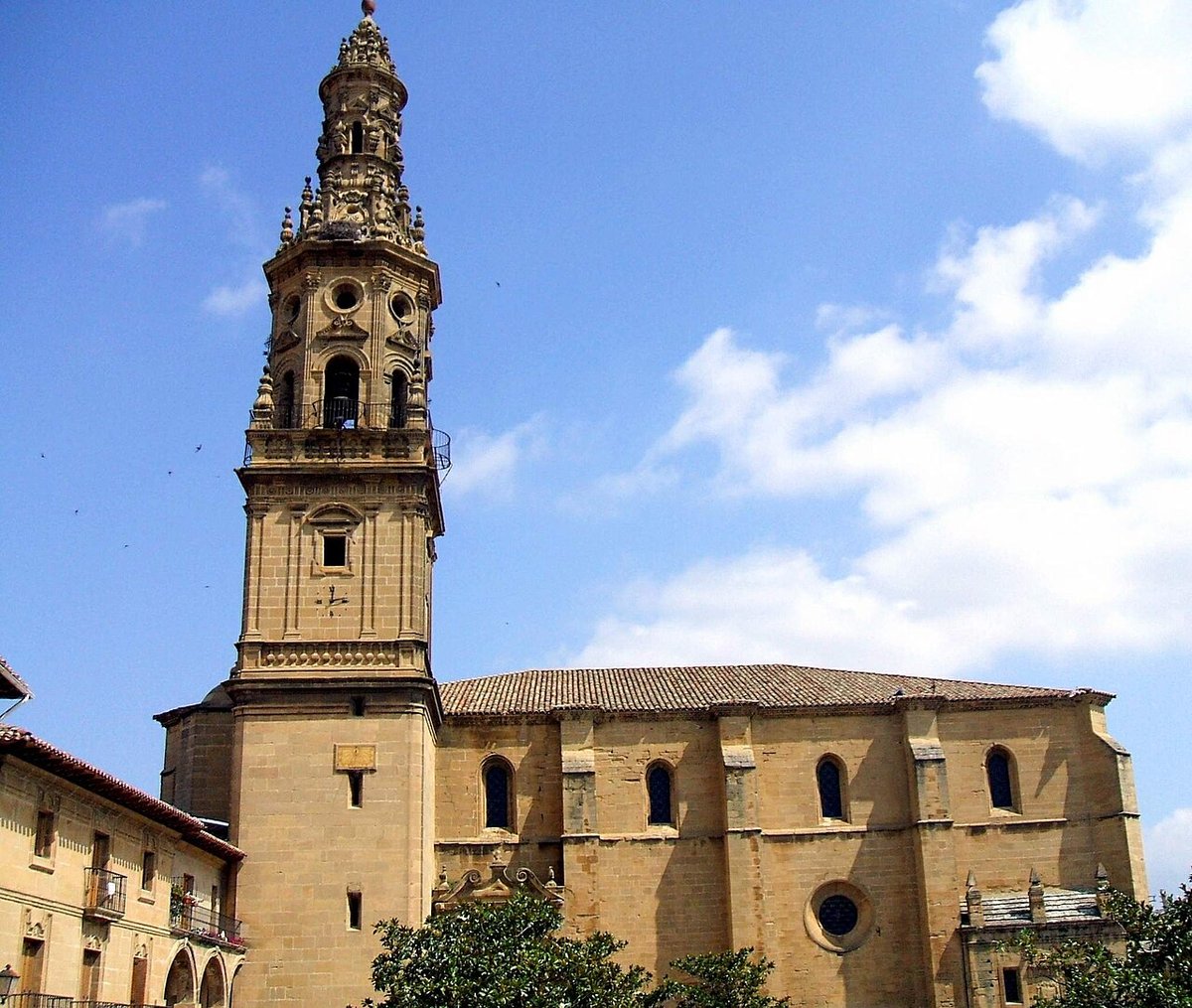
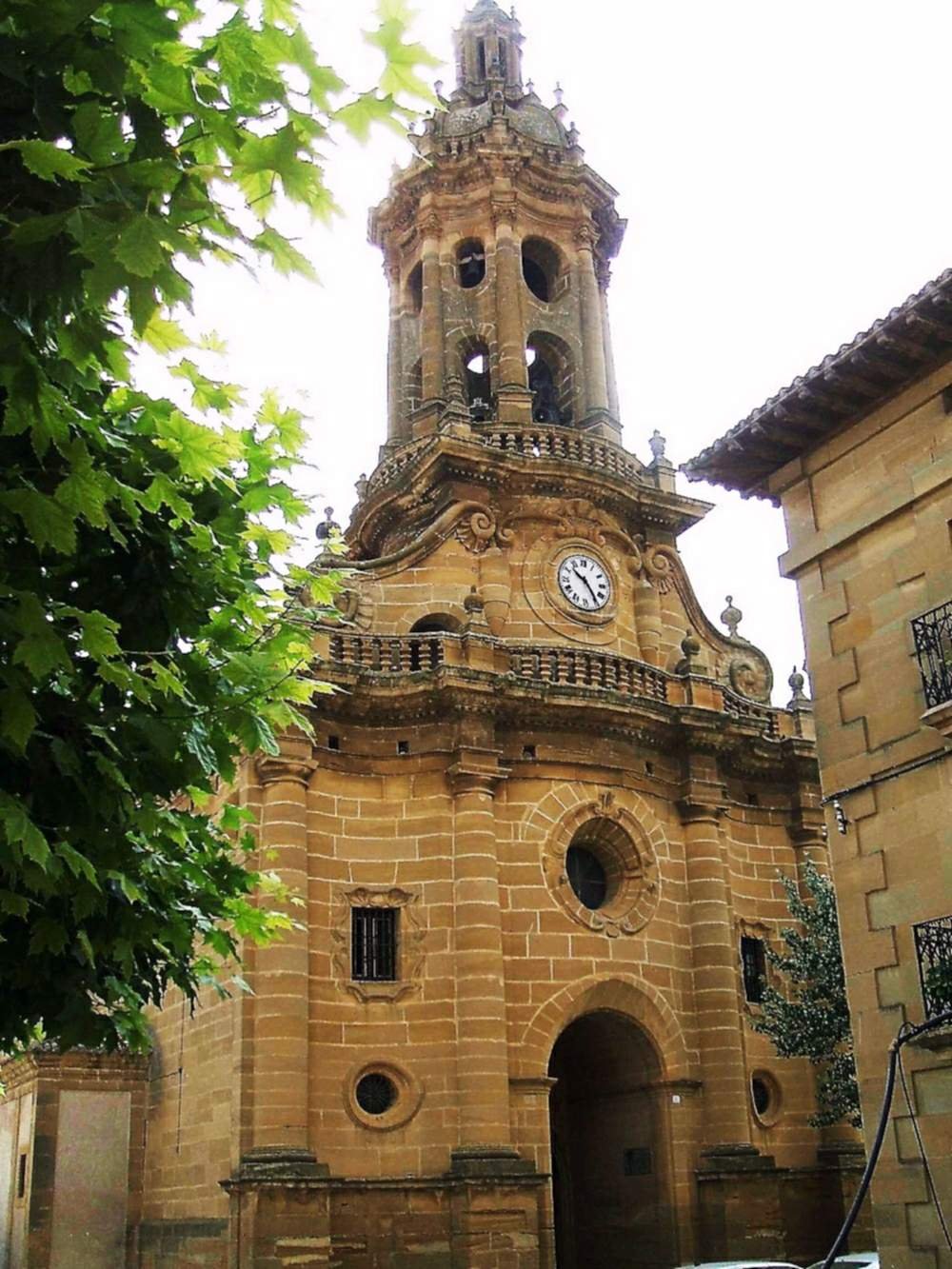
The parish church of Nuestra Señora de la Asunción sits slightly off-centre, its Gothic doorway carved with agricultural motifs—wheat sheaves and grape clusters—that merge sacred and profane. Step inside if the wooden door yields; services happen Saturday evenings and Sunday mornings, but otherwise the building stays locked. Interior highlights include a 16th-century altarpiece gilded with American gold and Baroque choir stalls where local families still carve their initials alongside those of 18th-century worshippers.
Behind the church, calle de las eras climbs past stone houses whose wooden balconies sag under pots of geraniums and trailing nasturtiums. The street terminates at a small mirador where the village drops away toward the Oja river, a tributary that gives Sajazarra its name and its agricultural reason for existing. From this vantage point you understand the settlement logic: castle on promotory, church on slightly lower ground, houses clustered for protection, vineyards occupying every south-facing slope below.
The river provides more than scenery. Follow the signed footpath twenty minutes downstream to find medieval irrigation channels still directing water toward vegetable plots. In spring, these channels run bank-full with snowmelt from the Cantabrian mountains, creating a acoustic backdrop of moving water that follows you through the village streets. Summer visitors sometimes miss this soundtrack entirely—the channels reduce to trickles during July and August—but autumn rains restore the flow, turning Sajazarra into something resembling a mountain village despite its modest elevation.
What Grows Between the Stones
The village supports one restaurant, Asador Ochavo, where the menu changes seasonally but always features local lamb chops thick enough to share. Order the chuletón for two (£28) and receive a rib steak that covers the plate, served with nothing more than sea salt and roasted piquillo peppers. The wine list requires no deliberation: every bottle comes from within ten kilometres, and the house Rioja (£12) drinks better than most London restaurants' reserve selections. If you're visiting between January and March, try the white asparagus harvested from nearby Navarrete—mild, tender, and traditionally served with poached egg and alioli.
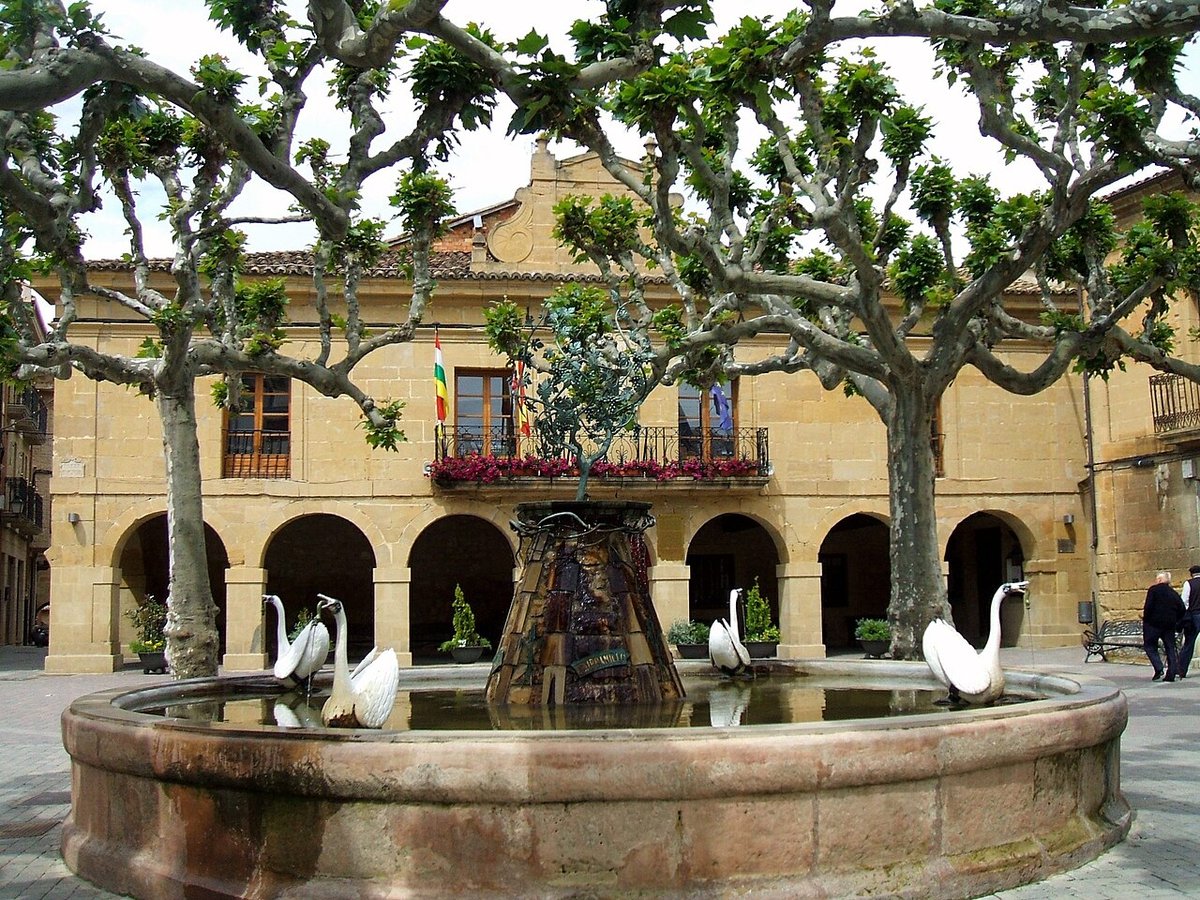
For lighter sustenance, the bakery on Plaza Mayor opens at 7 am for coffee and pastries, closing promptly at 2 pm regardless of demand. Their torrijas—bread soaked in milk and honey then fried—appear only during Easter week, when local families queue alongside tourists who've discovered that Spanish food traditions operate on strict calendar schedules. The village shop doubles as tobacconist and post office; here you can buy artisanal cheese made by a cooperative in neighbouring Cuzcurrita, wrapped in chestnut leaves that impart subtle tannin to the goat's milk.
Seasons of Access and Abandonment
Spring brings wild asparagus collectors who emerge at dawn carrying traditional curved knives. They work the uncultivated slopes above the village, returning with bundles of thin green spears that restaurants buy by weight. The collectors' paths create unofficial walking routes—follow them uphill for twenty minutes to reach limestone outcrops where griffon vultures nest, though you'll need proper footwear; the path deteriorates into loose scree where medieval quarrymen extracted building stone.
Summer transforms Sajazarra into a different place entirely. Day-trippers from Bilbao arrive seeking cooler air, their cars lining the approach road despite parking restrictions. By 11 am the stone streets radiate heat, driving visitors toward the river where swimming holes provide relief. The castle walls photograph best at 7:30 pm when low sun turns the limestone golden, but you'll share the viewpoint with Instagrammers wielding tripods and drone cameras. Come September, the crowds evaporate overnight, leaving the village to harvesters who arrive with grape-picking knives and leave with purple-stained hands.
Winter access requires checking weather forecasts. At 521 metres Sajazarra rarely sees heavy snow, but the LR-404 ices over quickly, stranding vehicles unprepared for altitude. Those who do arrive find a village operating at half-speed: the restaurant reduces hours, the bakery closes two days weekly, and locals gather around wood-burning stoves in houses whose walls measure over a metre thick. The castle photographs beautifully against frost-covered vineyards, but bring gloves—stone conducts cold efficiently, and even brief contact leaves fingers numb.
Leaving Without Regret
Sajazarra works best as punctuation rather than paragraph. Plan ninety minutes to walk the walls, photograph the castle, drink coffee in the plaza, and perhaps follow the river path. Stay longer and you'll notice details invisible to hurried visitors: how the church bell rings seven minutes late every evening, or why certain houses angle their doorways fifteen degrees off-centre (medieval builders following prevailing wind patterns). Don't expect entertainment—expect atmosphere, the kind that requires participation rather than consumption.
Drive away toward Haro or Santo Domingo de la Calzada, and the village recedes quickly in rear-view mirrors. But weeks later, when London rain streaks your office window, you might remember morning light on limestone walls, or the taste of young Rioja poured from a bottle costing less than bus fare home. That's when you realise Sajazarra gave you exactly what it promises: nothing more than itself, offered without apology or embellishment, at an altitude where perspective comes naturally.