Full Article
about San Millán de Yécora
Small cereal-growing village on the Burgos border; quiet and wide horizons.
Hide article Read full article
San Millán de Yécora, en el límite occidental de La Rioja
San Millán de Yécora se encuentra en el extremo más occidental de La Rioja Alta, lindando ya con la provincia de Álava. Su población, que ronda las treinta y cinco personas, lo sitúa entre los núcleos más pequeños de la comarca de Haro. Su razón de ser está en esa frontera. Durante siglos, esta fue una zona de límites imprecisos entre reinos, un territorio de aldeas agrícolas dispersas más que de grandes asentamientos.
Los documentos medievales de la zona hablan de pequeñas comunidades dedicadas al cereal y a la vid, parte del proceso de repoblación que siguió a la consolidación del Reino de Castilla en este tramo del valle del Ebro, entre los siglos XI y XII. La advocación a San Millán no es casual; responde a la devoción extendida desde el monasterio de San Millán de la Cogolla, cuyo influjo religioso y cultural marcó toda la región.
La iglesia y el trazado del pueblo
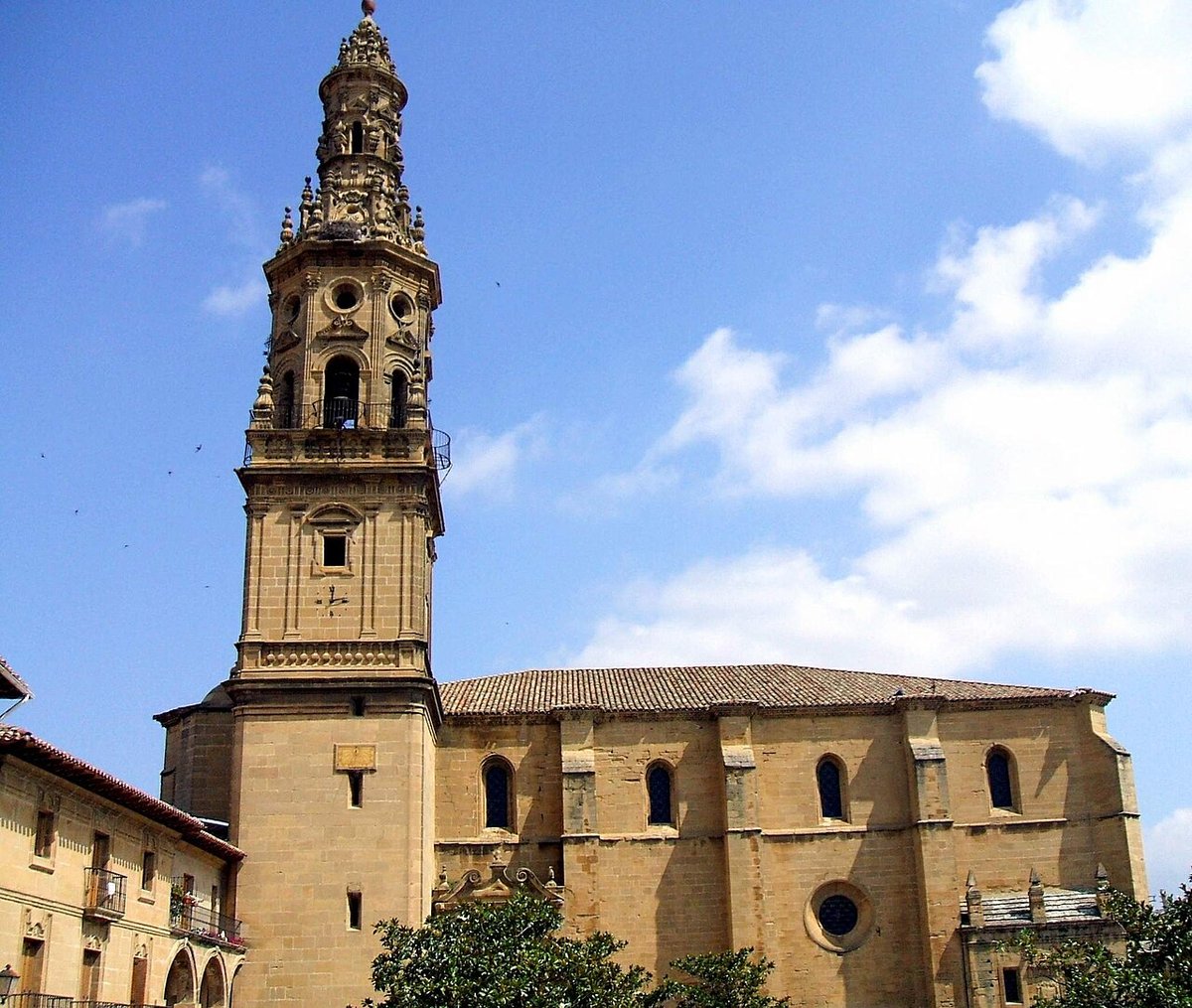
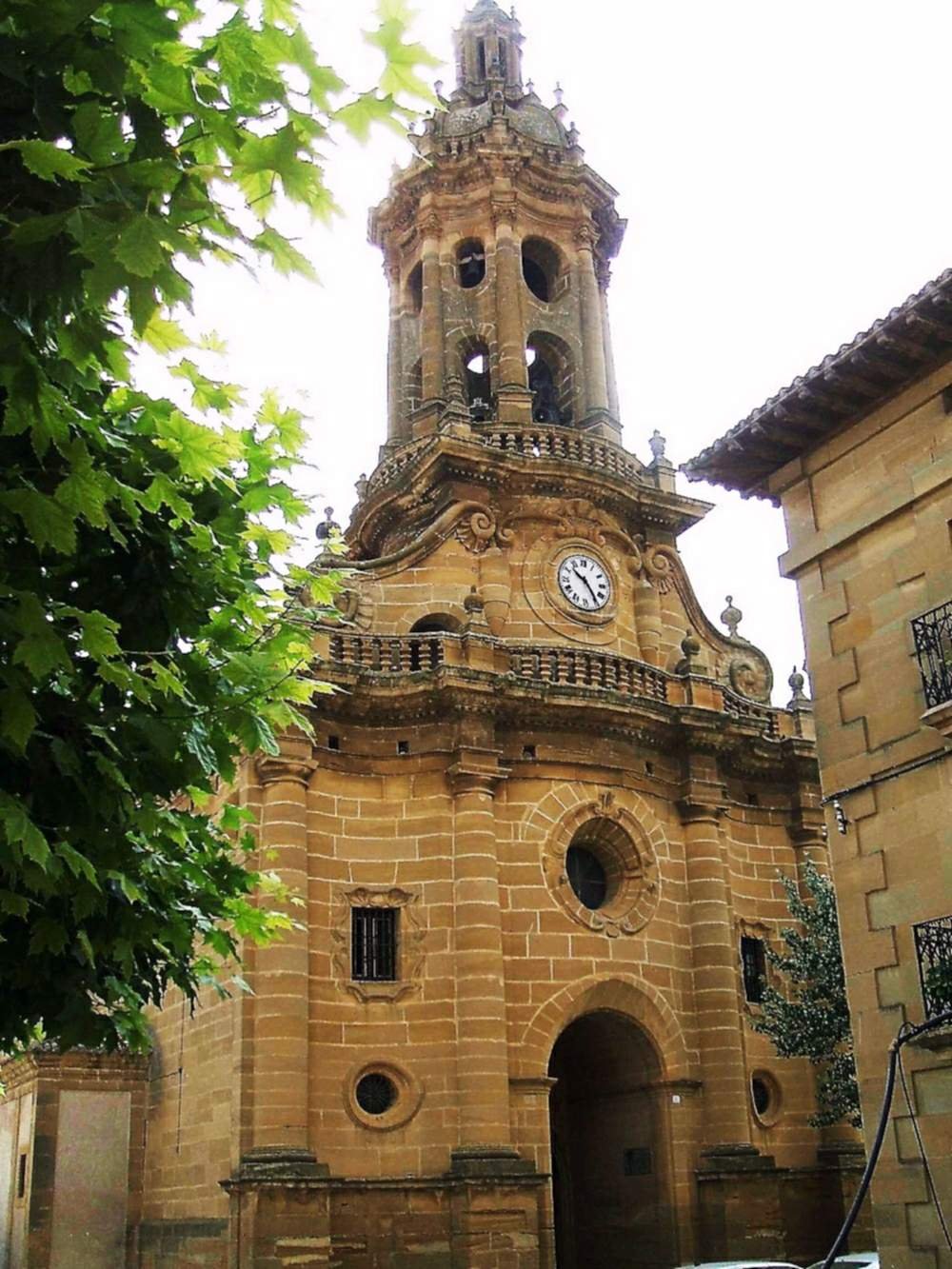
La iglesia parroquial de San Millán es el edificio que articula el pueblo. Su fábrica actual se data generalmente en el siglo XVI, aunque es probable que aquí existiera una parroquia anterior. Como ocurre con muchas iglesias rurales de esta parte de La Rioja, se reconstruyó en un periodo de cierta estabilidad económica.
Su arquitectura es sobria. Una espadaña de piedra define su silueta y se ve desde los caminos de acceso. No hay una decoración elaborada. Es una iglesia construida para una comunidad reducida, con un carácter más práctico que monumental.
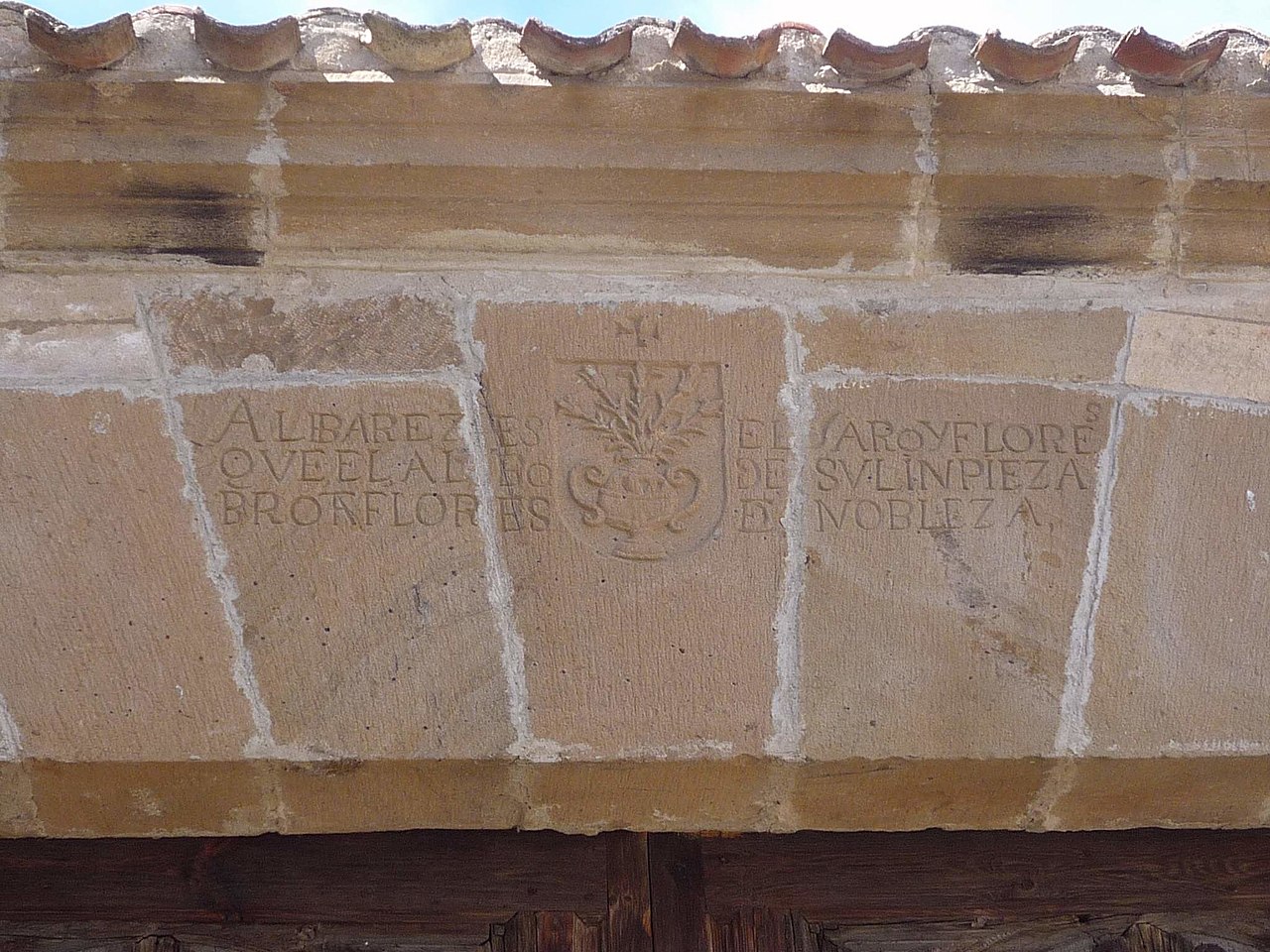
Las casas se agrupan a su alrededor, adaptándose al terreno sin un plan rígido. Predomina la piedra, combinada a menudo con tramos de adobe, una solución constructiva habitual en la zona. Algunos dinteles y jambas están trabajados con mayor cuidado, lo que suele indicar reformas o ampliaciones hechas en momentos de mayor bonanza agraria.
El pueblo se recorre en poco tiempo, pero conviene hacerlo sin prisa. En un núcleo tan pequeño, el interés está en los detalles: las fachadas modificadas por el uso, los corrales traseros, las antiguas entradas a las bodegas familiares. La arquitectura doméstica es aquí la que explica la historia.
Los caminos de labor y el paisaje agrario
El campo que rodea al pueblo es abierto, de lomas suaves. El mosaico de viñedo y cereal responde al modelo agrario tradicional de La Rioja Alta. Las vides ocupan las laderas más propicias, mientras que el cereal se extiende por las parcelas llanas.
De la villa parten varios caminos de tierra que se adentran en ese paisaje de labor. Caminar por ellos permite entender la organización del territorio. Desde algún punto algo más elevado, se distingue el patchwork de cultivos y, a lo lejos, otras aldeas de escala y carácter similares.
No son senderos señalizados para el ocio. Son vías de trabajo, aún usadas por los vecinos. Quien camina por ellos comparte el espacio con tractores y con la actividad agraria del momento. La experiencia es sencilla: campo, cielo y el ritmo pausado del trabajo rural.
Este patrón agrícola explica también la arquitectura y la historia de San Millán de Yécora. El equilibrio entre viña y cereal refleja una estrategia económica desarrollada durante siglos en la comarca, donde la diversificación ayudó a sostener a las comunidades más pequeñas.
Una visita breve y práctica
Media hora basta para recorrer el núcleo urbano y asomarse al primer tramo de los caminos que salen del pueblo.
Conviene aparcar con cuidado en las entradas y continuar a pie. Las calles son estrechas y están pensadas para la vida diaria, no para el tráfico de paso. La escala es doméstica y tranquila.
Para comer, comprar o pernoctar hay que desplazarse a localidades cercanas con más servicios, ya sea en el área de Haro o en otros pueblos mayores de la comarca. Aquí la escala es otra. Esa diferencia es, precisamente, lo que ha permitido a San Millán de Yécora conservar el carácter de aldea agrícola que ha cambiado muy poco con el tiempo.
No hay grandes monumentos ni infraestructuras para visitantes. El interés está en comprender cómo una comunidad rural mínima se inserta en la historia más amplia de La Rioja Alta. La iglesia, el conjunto de casas de piedra y adobe, los campos y viñas circundantes forman parte de un paisaje modelado sin gestos dramáticos.
En una región asociada a menudo a la producción vinícola y a pueblos más conocidos, San Millán de Yécora muestra otra faceta: la definida por una escala modesta, la continuidad y una relación directa con la tierra. Su posición fronteriza con Álava añade una capa histórica más, la de los siglos en que esta fue una zona periférica entre distintas administraciones.
Hoy, con sus pocas decenas de habitantes, el pueblo sigue siendo lo que fue: un asentamiento agrario pequeño en el borde occidental de La Rioja Alta. Un paseo tranquilo alrededor de la iglesia, por sus calles estrechas y hacia los campos, basta para captar sus proporciones. La visita puede ser breve, pero da una idea clara del lugar.