Full Article
about San Torcuato
Small farming village near Santo Domingo; known for its quiet.
Hide article Read full article
First Impressions in La Rioja Alta
There are villages where you step out of the car and, within seconds, understand the rhythm of the place. San Torcuato is one of them. This small municipality in La Rioja Alta, in the area around Haro, does not try to impress. It simply gets on with its day.
Stone houses line short streets. More tractors pass through than cars. The pace is unhurried, and the quiet feels natural rather than staged.
Anyone arriving in search of grand monuments will not find them here. San Torcuato makes sense for those who enjoy stopping, walking for a while and looking around without rushing. It is a place that reveals itself at the speed of a stroll.
The Village at a Glance
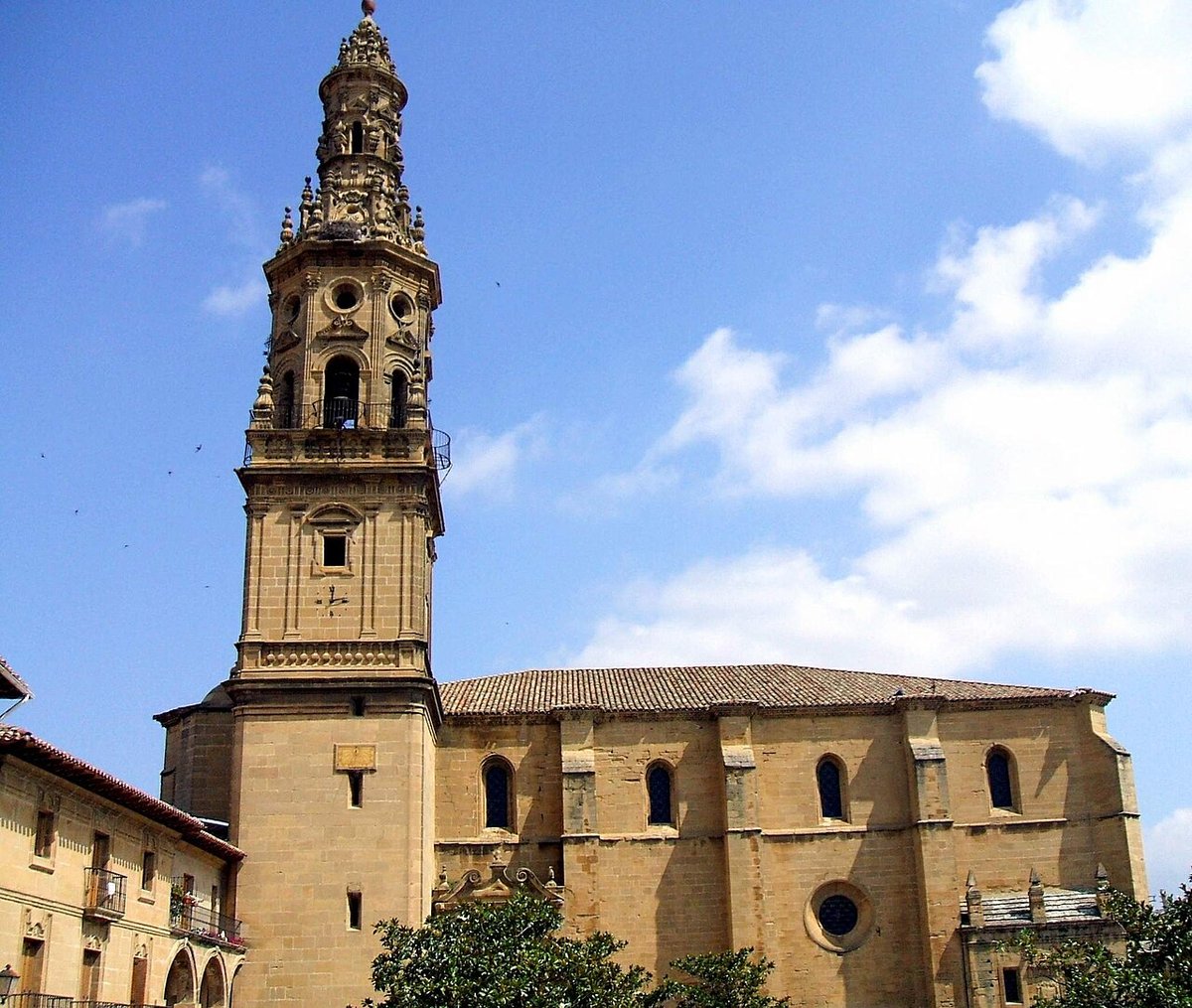
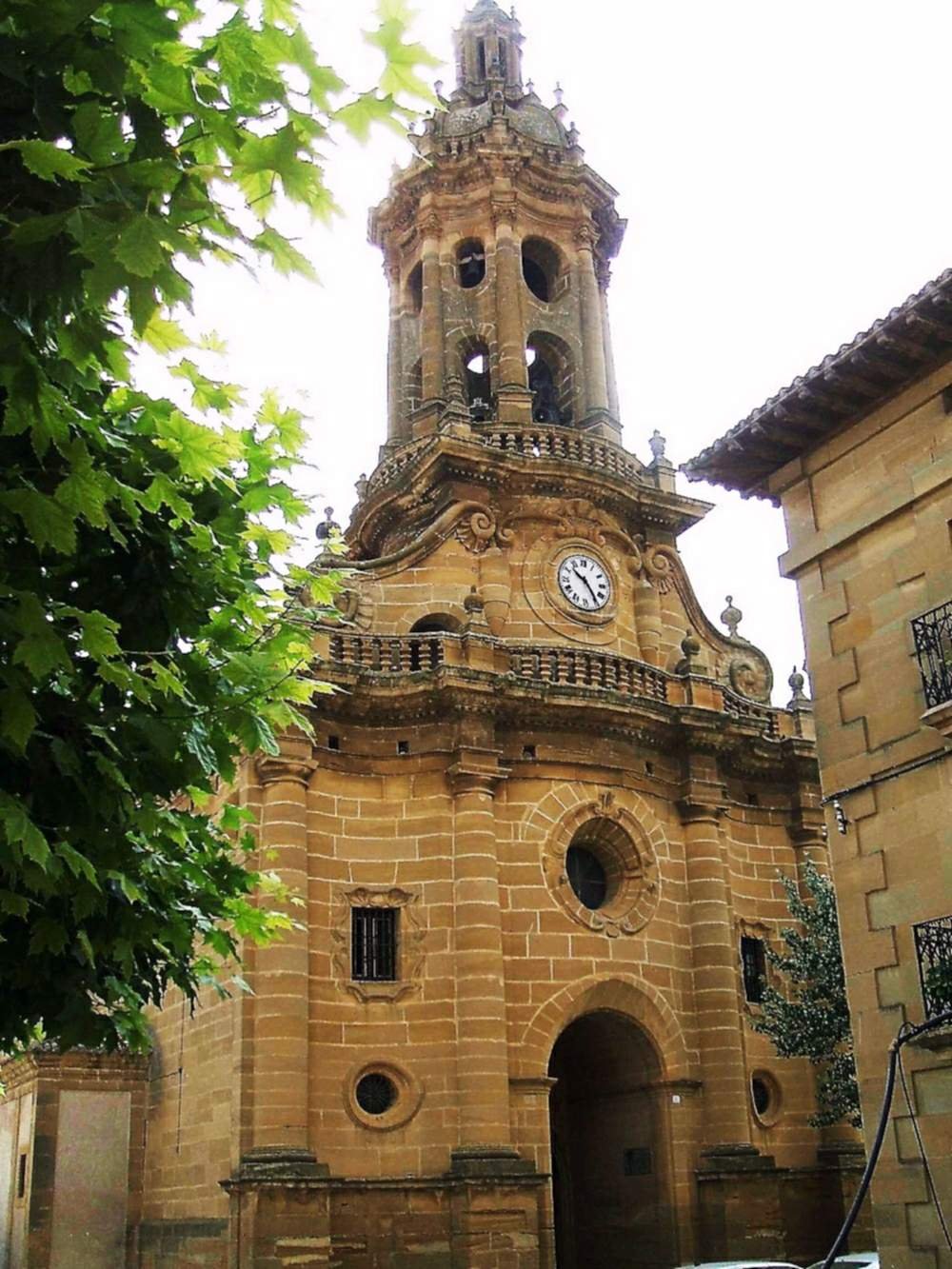
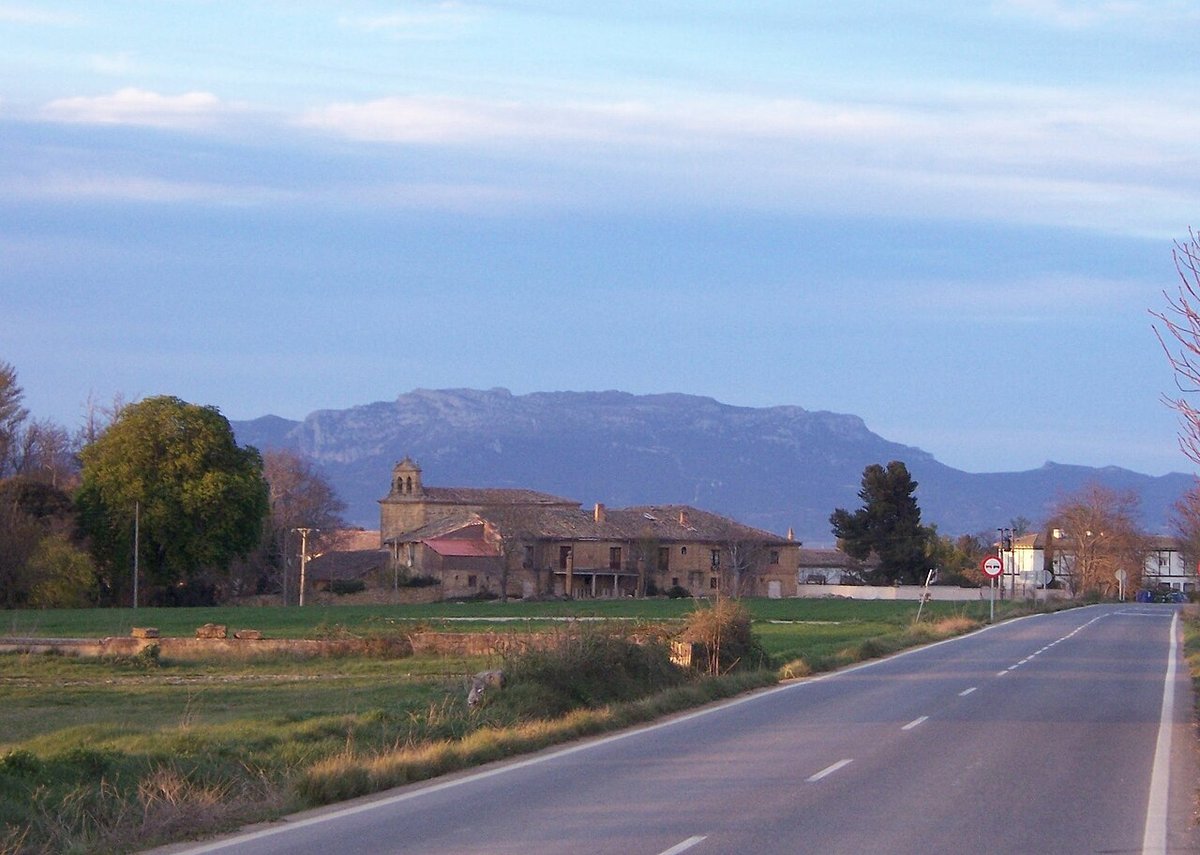
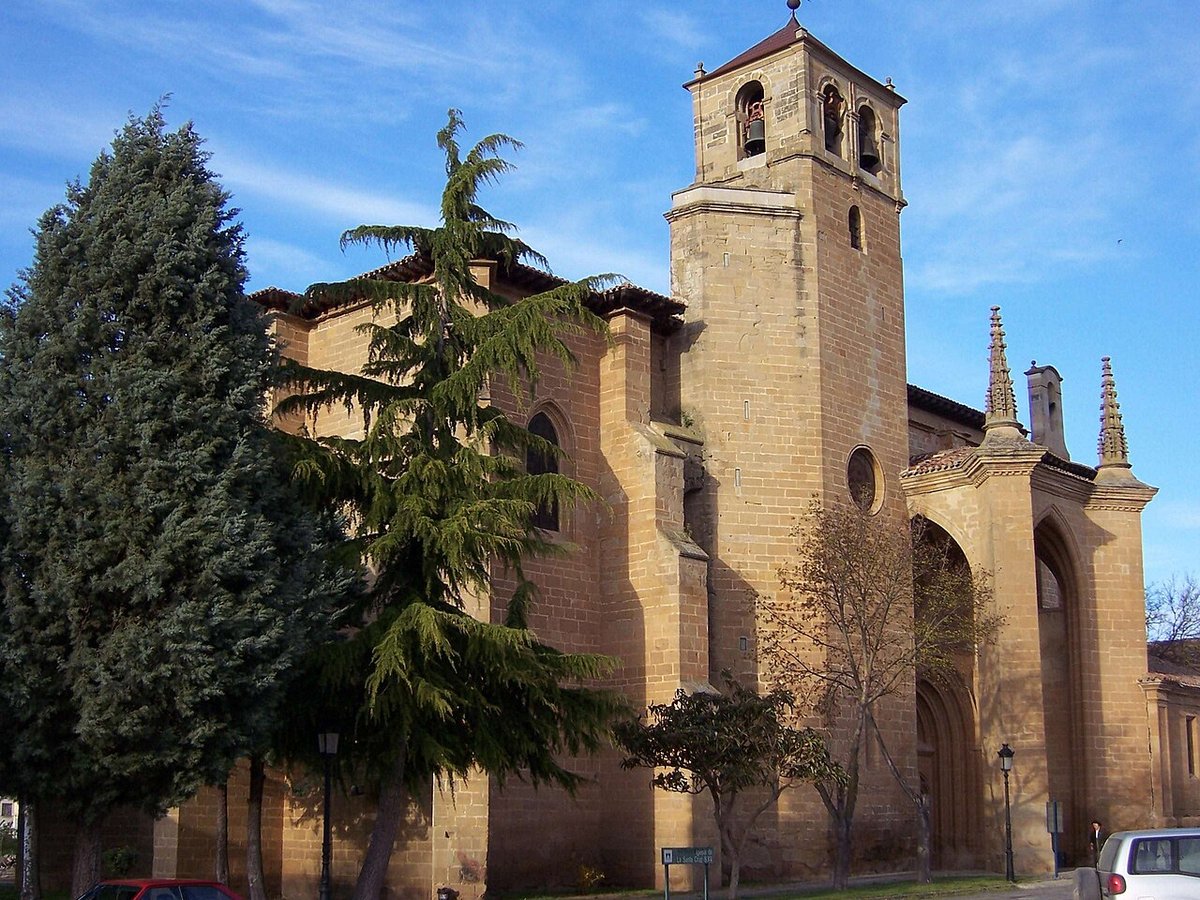
The clear reference point in San Torcuato is its parish church. It is not vast or heavily ornamented, yet from almost anywhere in the village you can see it rising above the rooftops. In a compact urban layout like this, it works as a visual anchor, helping you orient yourself even though everything is close at hand.
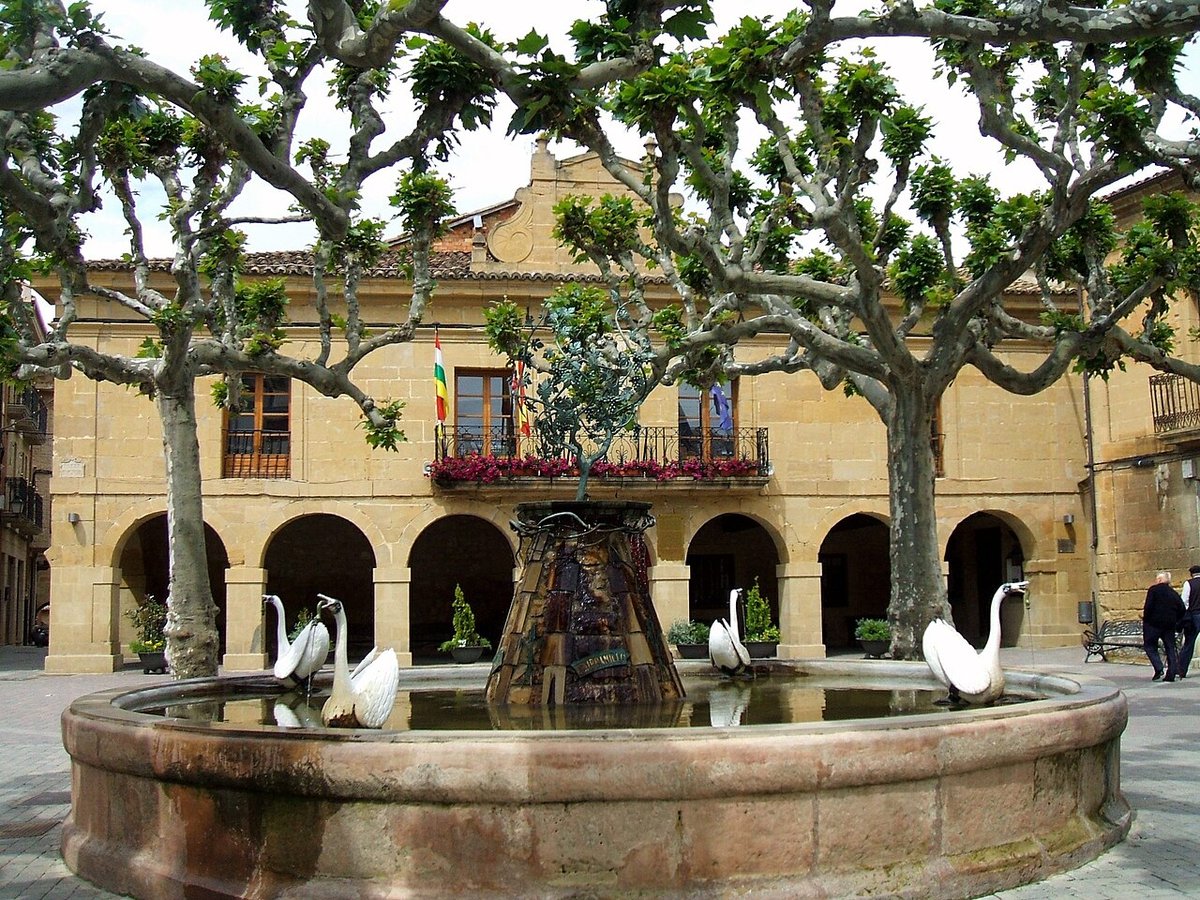
A handful of main streets spread out around the church. Within five minutes you will have a mental map of the entire village. Stone façades dominate, many with well-worn wooden gates and old iron grilles on the windows. These are the sort of details that often go unnoticed when travelling in a hurry, yet they say a great deal about how people have lived here over decades.
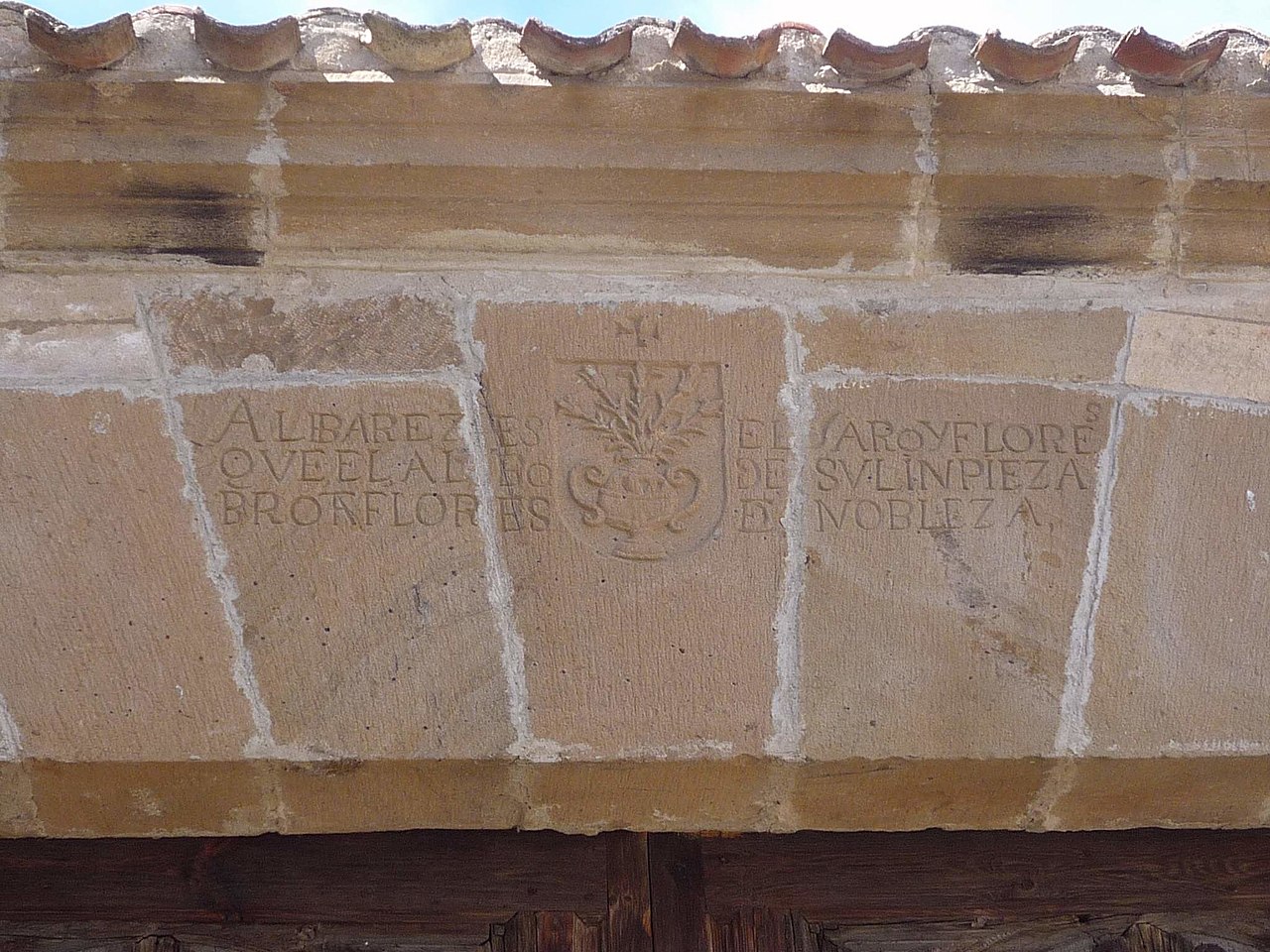
The layout is tight and circular. Walk two corners, turn again, and you are almost back where you started. Even so, there are small signs of past prosperity. An inscription on a façade, a weathered coat of arms, a doorway worked with more care than the rest. They suggest that, at some point, agriculture brought a certain level of comfort to parts of the village.
Step beyond the last houses and the landscape shifts quickly. Open fields take over, crossed by agricultural tracks and low, rolling hills stretching towards the horizon. On clear days, the Montes Obarenes often appear to the north, although they do not always reveal themselves. When they do, they frame the scene without overwhelming it.
Walking Out into the Fields
In San Torcuato, the simplest plan works best: choose one of the tracks that leave the village and start walking.
These are not mountain routes or dramatic hiking trails. They are the everyday agricultural paths used by farmers to reach their plots. That is precisely why they are easy to follow. There are no complications, no steep ascents, no need for special preparation beyond comfortable footwear.
Early morning and late afternoon are the best moments to head out. The light softens the fields, birds are more active, and the heat is less intense. In this part of La Rioja, summer sun can be strong, so timing makes a noticeable difference.
The appeal lies in the sounds as much as the views. Away from the village centre, you hear the countryside more clearly: wind across the fields, distant machinery, birds moving between hedges. The agricultural landscape sets the tone, and the village becomes a quiet reference point behind you.
After dark, if the sky is clear, San Torcuato shows another side. Artificial light is minimal. Look up and the number of visible stars can come as a surprise, especially for anyone used to urban skies where that clarity disappeared years ago.
A Short, Uncomplicated Plan
San Torcuato can be explored quickly. That is part of its character.
A straightforward plan might be to drive in, park near the centre and walk towards the church. From there, wander calmly along the surrounding streets. Ten or fifteen minutes are enough to see the heart of the village.
After that, pick one of the tracks that lead out between the fields and continue on foot for a while. There is no need to follow a specific route or aim for a set distance. In a place like this, it often works better to walk without a fixed objective and turn back whenever it feels right.
In just over an hour, you can have seen the village and enjoyed a pleasant walk through its surroundings. The experience is compact, but it does not feel rushed.
Things to Bear in Mind
Summer brings strong sunshine, and many of the tracks around San Torcuato offer little shade. If planning to walk, it is sensible to avoid the central hours of the day.
It is also worth remembering that this is a small village. Services within San Torcuato itself are limited, and visits are often organised from Haro or other nearby towns. Arriving prepared makes things easier.
Carrying water and something light to eat is usually sufficient for a short visit and walk. The terrain does not demand technical equipment, just practical footwear suitable for dirt tracks and agricultural paths.
San Torcuato is reached via local roads from Haro and neighbouring villages. By car, access is straightforward, and because the village is small, parking is generally uncomplicated on streets near the centre.
What San Torcuato Really Offers
San Torcuato does not compete with other villages in La Rioja that have more heritage buildings or a busier atmosphere. Its appeal lies elsewhere.
This is the kind of place where you park, walk for a while and notice that you hear the countryside more than people. The agricultural landscape leads the experience, and the village functions almost as a calm point within it.
For those coming from Haro, just a few kilometres away, San Torcuato works well as a short stop. Expectations do not need to be high. In fact, the absence of spectacle is part of the point. It is the simplicity that tends to linger in the memory: a compact cluster of stone houses, a parish church rising above the roofs, open fields stretching outwards and, if the timing is right, a sky full of stars at the end of the day.