Full Article
about San Vicente de la Sonsierra
Fortified town on the Ebro, famous for the Picaos; strong wine tradition and heritage.
Hide article Read full article
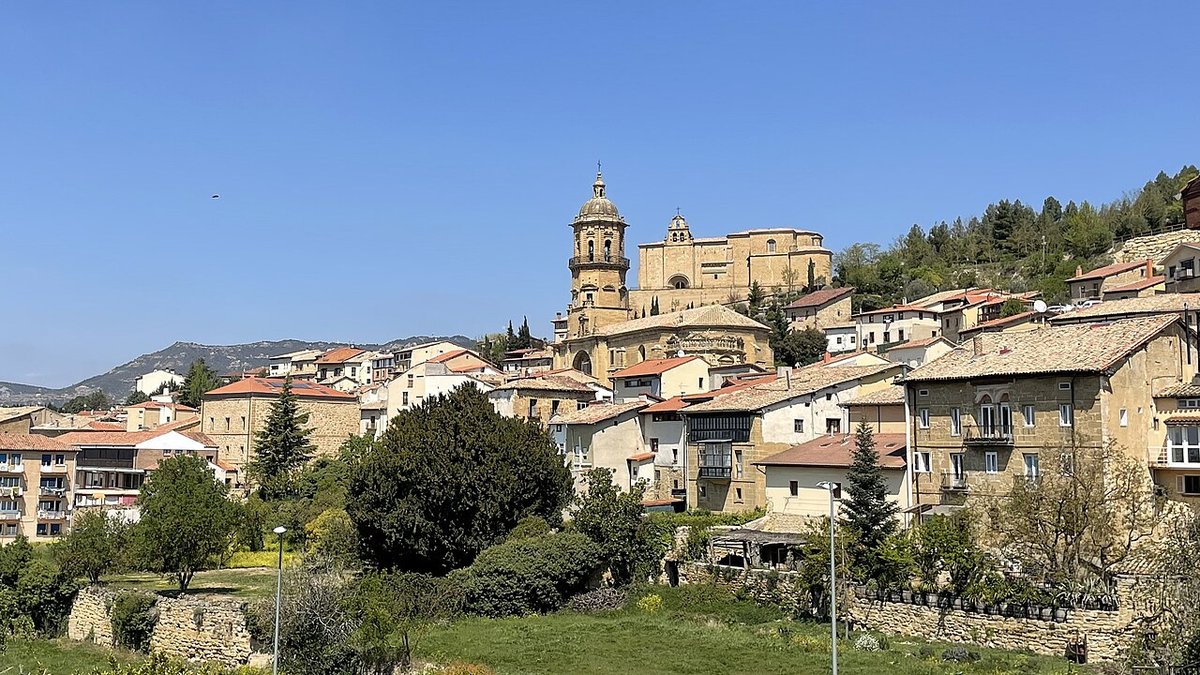
You know those places that look better from a distance? San Vicente de la Sonsierra is the opposite. From the road, you see a hill with a castle stump and a river. It looks fine. Then you park and start to climb. The streets pull you upward, past thick stone walls and under archways. That’s when you get it. Tourism here isn’t about a checklist; it’s about the effort of the climb and the reward of the view.
This is a village built on a slope, literally. Everything revolves around that fortified hill and the Ebro curled at its feet.
The Climb to the Castle
Forget a gentle stroll. You walk San Vicente with your calves. The old quarter is a network of cobbled lanes that all seem to lead up. There’s no clever route—just follow the incline.
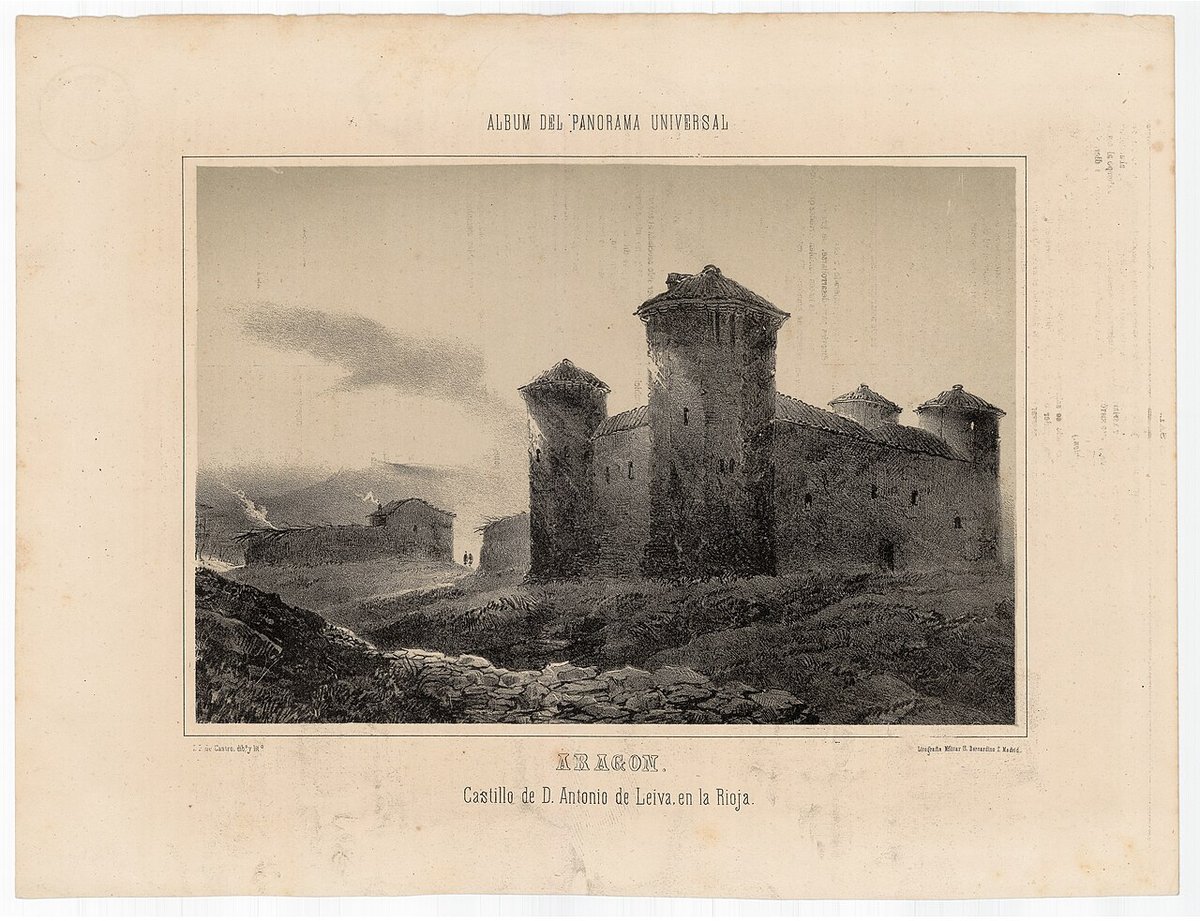
At the top, you find why they bothered. The remains of the castle and its walls aren’t pristine. They’re weathered stone, rebuilt over fights and centuries. But the position is everything. You stand there with the wind—there’s always wind—and see the Ebro bend below, with endless vineyards stitched across the hills. It feels less like a monument and more like a strategic perch they never really abandoned.
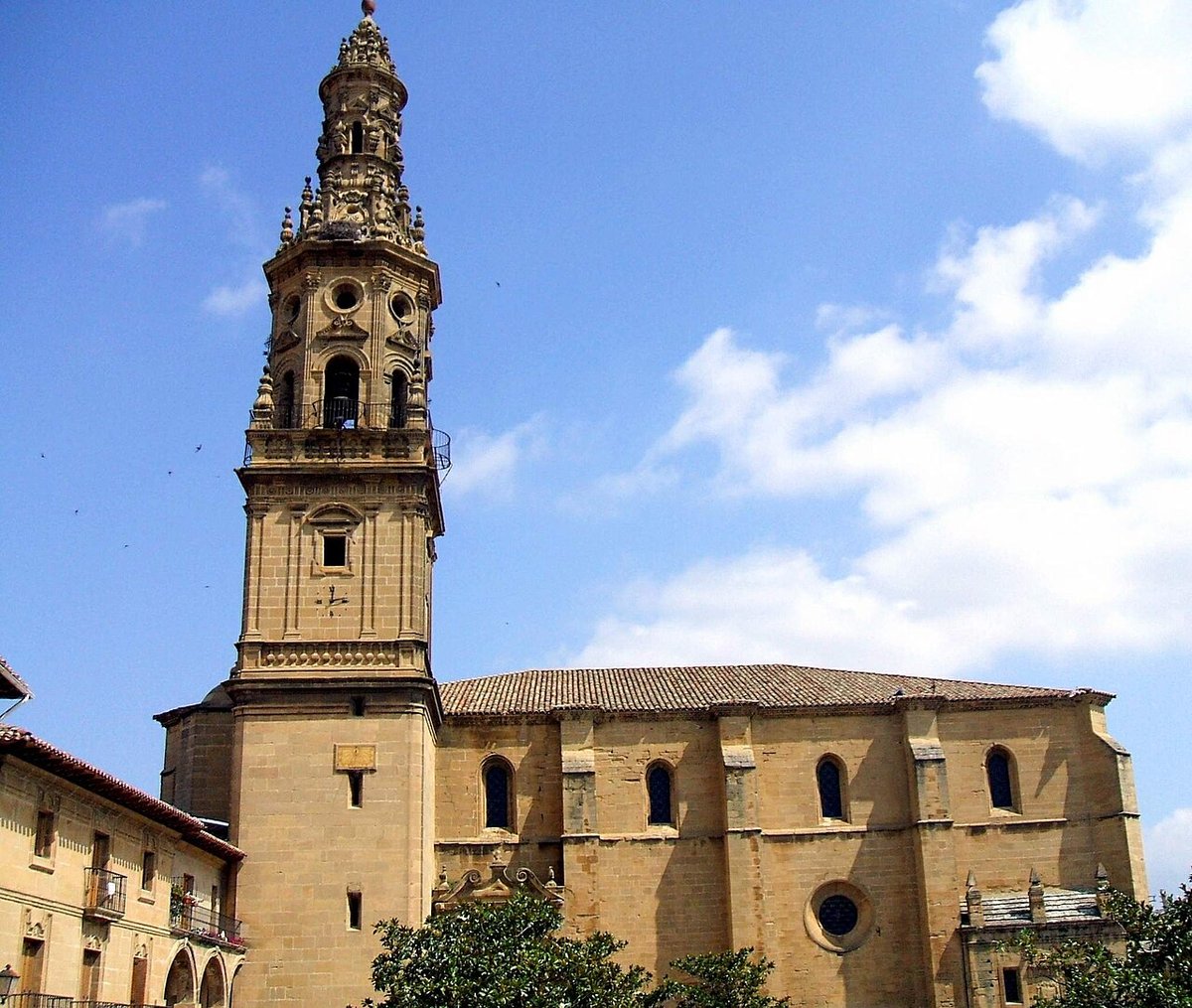
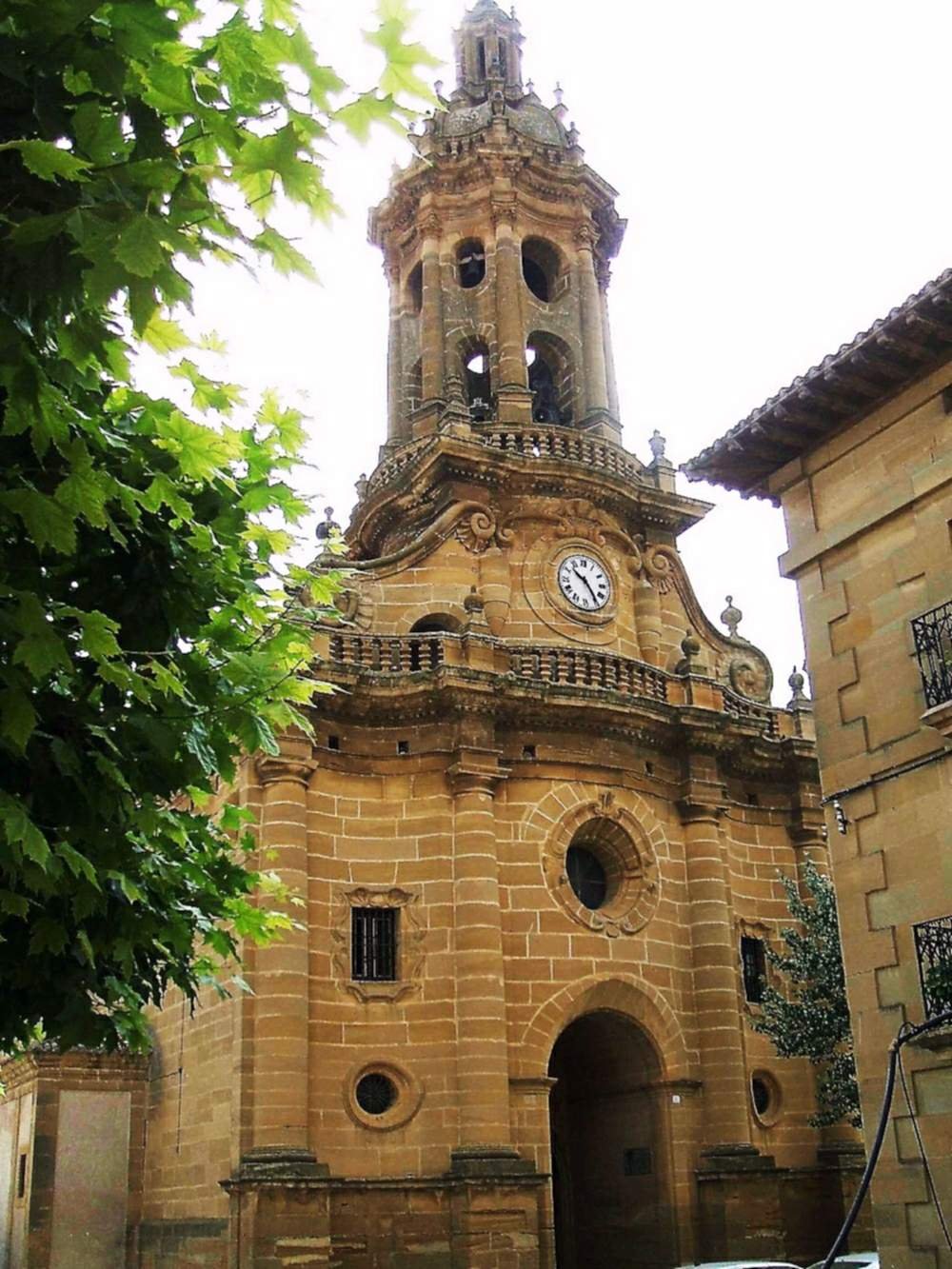
The church of Santa María la Mayor shares this summit. Its Renaissance altarpiece gets all the guidebook mentions, but step inside for something else: the quiet. It’s a restrained space, free from the gilded overload you find elsewhere.
Nearby, tucked into the walls, is the hermitage of San Juan de la Cerca. It’s small, solid, with Romanesque doorways that feel older than everything around them.
Then you look down and see the bridge. That five-arched stone bridge is in every photo. Walk down to river level to see it properly. From below, with the water moving slow beside you, it feels massive.
Life Among the Vines
Walk back down from the castle and San Vicente becomes what it always was: a working village surrounded by vines.
Look for the cave entrances dug into soft rock on the hillsides. People used them for centuries to store wine and food. Many are still in use today. They aren’t signposted attractions; they’re just part of the landscape.
If wine brought you here, know that some family bodegas might let you visit if you call ahead. Don’t expect a flashy tour. It’s more about seeing where and how they work. This place runs on the vineyard calendar.
Come during harvest (usually September) and that calendar dictates everything. Tractors rumble through narrow streets hauling trailers piled with grapes. The air smells sweet from crushed fruit near the bodegas.
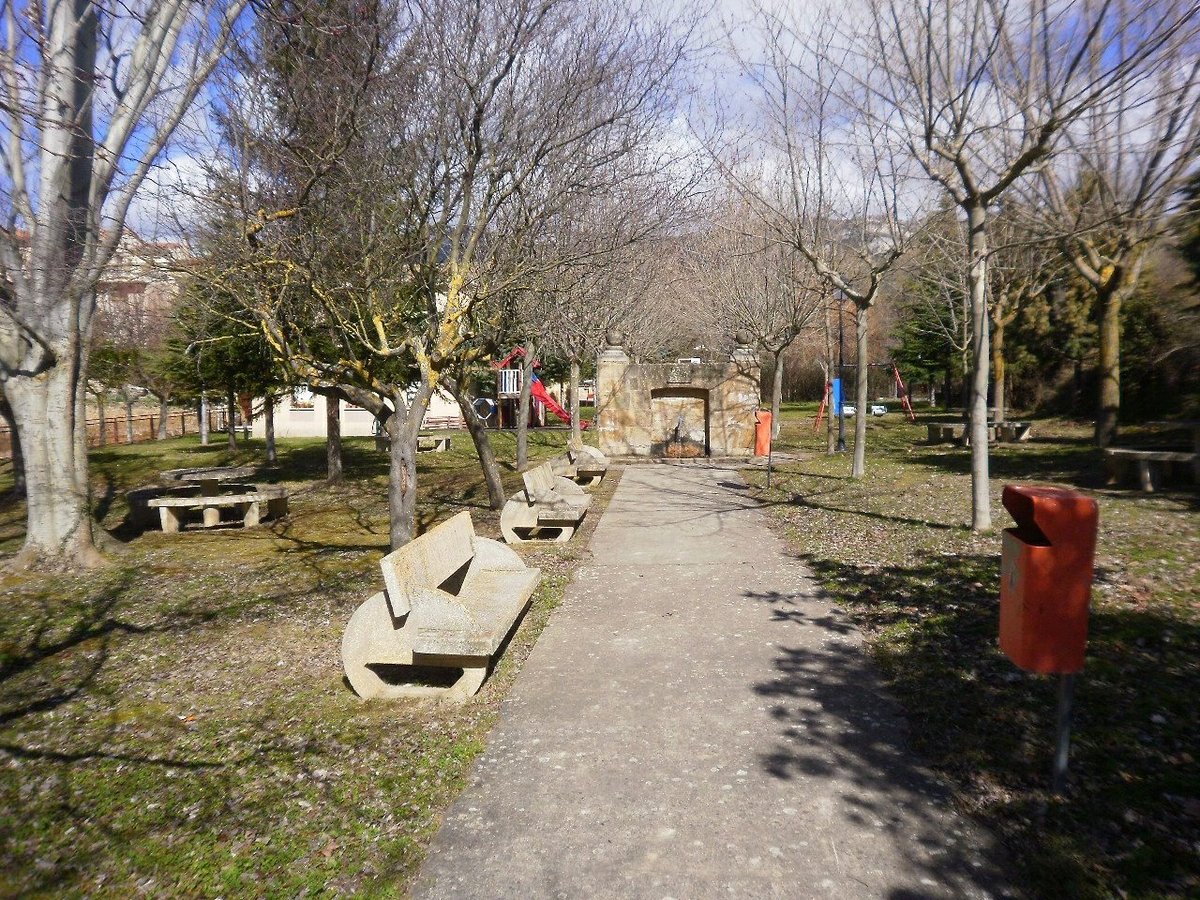
For a complete change of pace, take the path by the riverbank. It’s flat, green, and slow. Herons and other birds often stop here, especially during migration.
A Calendar Written in Work and Ritual
Some villages perform their traditions for visitors. Here, they just do them.
The big local feast is for San Vicente Mártir in January. It’s very much a hometown affair. Then comes Holy Week and Los Picaos. It's easy to reduce this to shocking images of penitents. But watch it here, in context, and you sense it's something older and deeper for those involved. It's not theatre.
September brings harvest time again. The focus shifts entirely to work. The vineyards turn from deep green to fiery red almost overnight. Any festival feels like an after-work drink rather than a staged event.
When to Visit
Spring or autumn are your best bets. The temperatures are kinder for walking up hills. In autumn, you get that harvest energy—and that distinct fermenting smell around certain cellars. You'll either love it or find it odd.
Summer midday heat is serious business. If you want to climb to the castle or walk any paths, do it early or leave it for late afternoon.
Winter visits mean wind on that hilltop. It's not brutal, but you'll want a proper jacket even on a sunny day.
A Few Hard-Won Tips
Wear shoes with grip. The slopes are steep, and cobbles can be slick after rain.
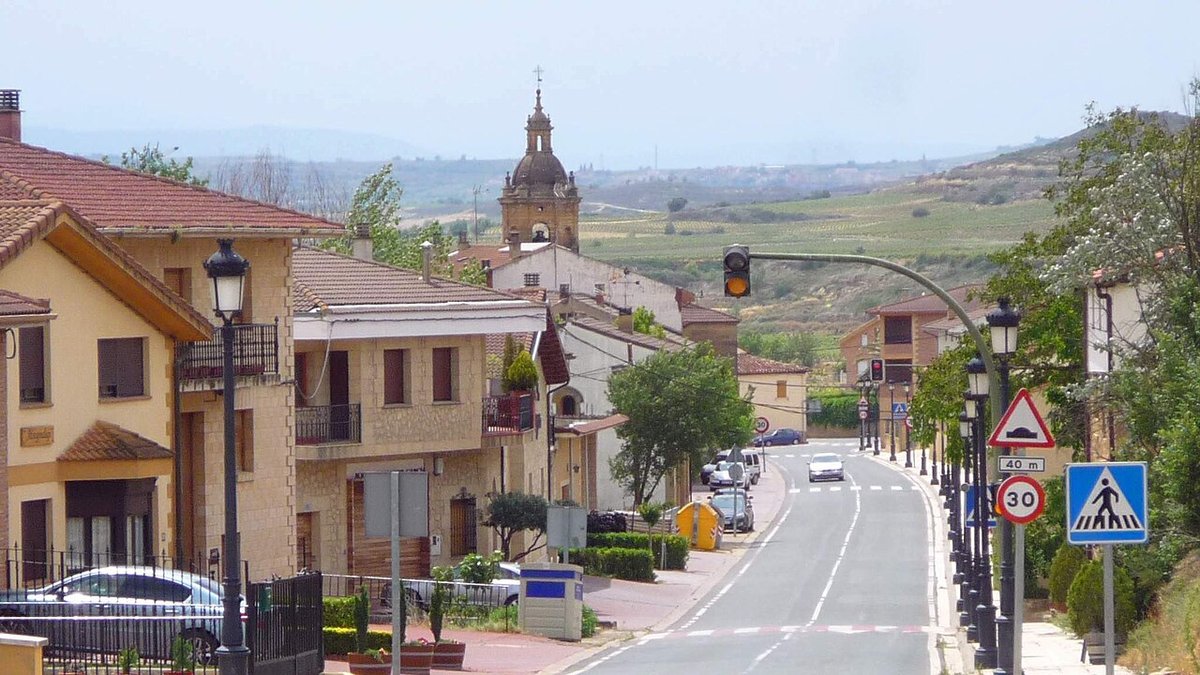
Parking requires patience. The main streets are narrow. If you squeeze into the first spot you see, you might block someone in or struggle to leave. Look for areas on approach roads or designated lots before entering tight quarters.
If you're short on time, head straight up to walled enclosure, walk its perimeter for views, then descend toward bridge level for that different perspective. With more time, let yourself get lost on side streets off main drag— scale changes constantly here one minute cramped next minute vast skyline vineyard vista opens up before your eyes unexpectedly revealing whole new angle village layout makes sense only when seen multiple heights levels simultaneously understanding comes gradually piece by piece ascent descent repeated until picture finally clicks into place fully formed complete