Full Article
about Tirgo
Wine-growing village on the Tirón River; it has a handsome medieval bridge.
Hide article Read full article
A Small Village at Its Own Pace
Tirgo, with around 170 residents, is the kind of place you can take in quickly. Arriving by car makes things easier. Leave it at the entrance or near the main square and continue on foot. The village centre can be covered in about an hour without rushing.
There are very few services or shops here. This is a small rural settlement surrounded by vineyards and little else. The appeal lies in its simplicity rather than in a long list of sights.
A Short Walk Through the Village
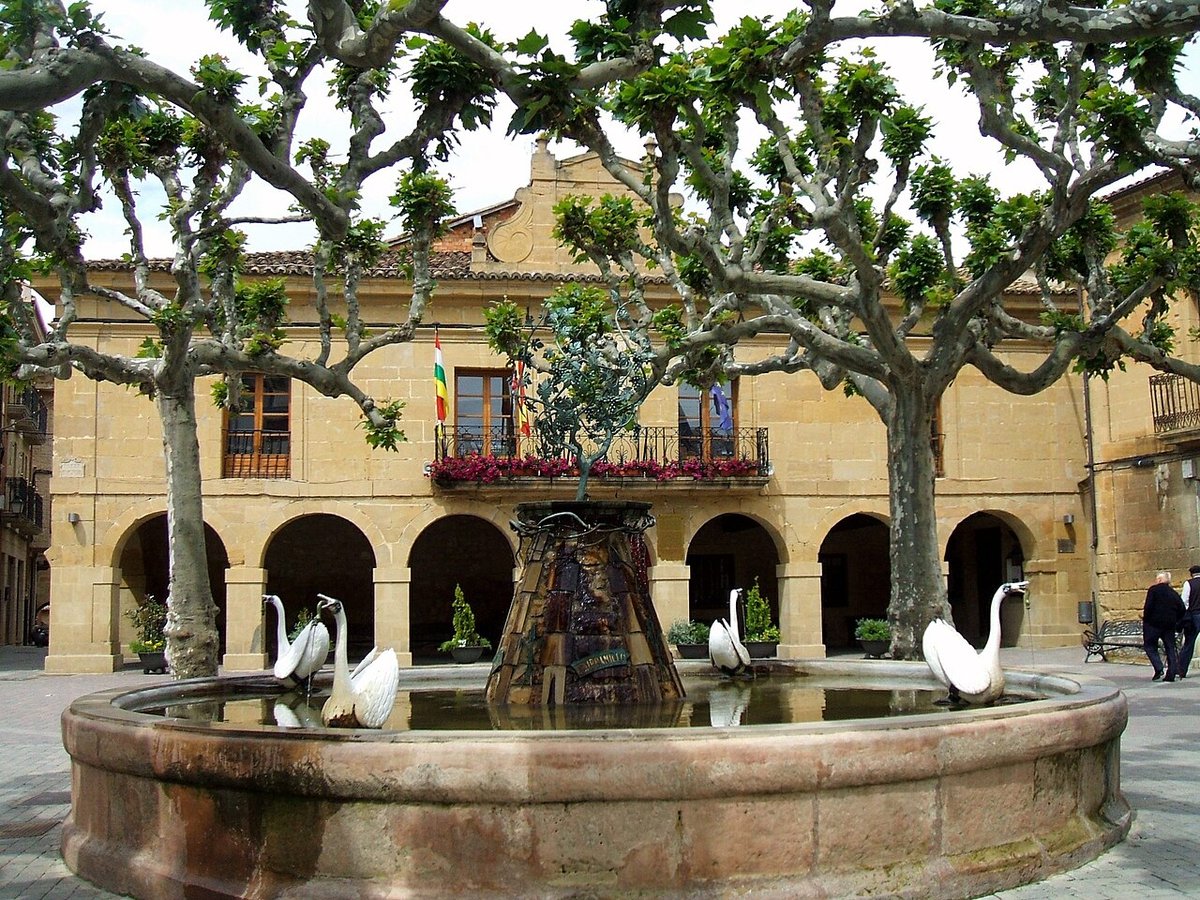
Most visits begin near the square, beside the Iglesia del Salvador. From there, everything is within walking distance. The layout is compact: a couple of streets, low houses, and a noticeable quiet.
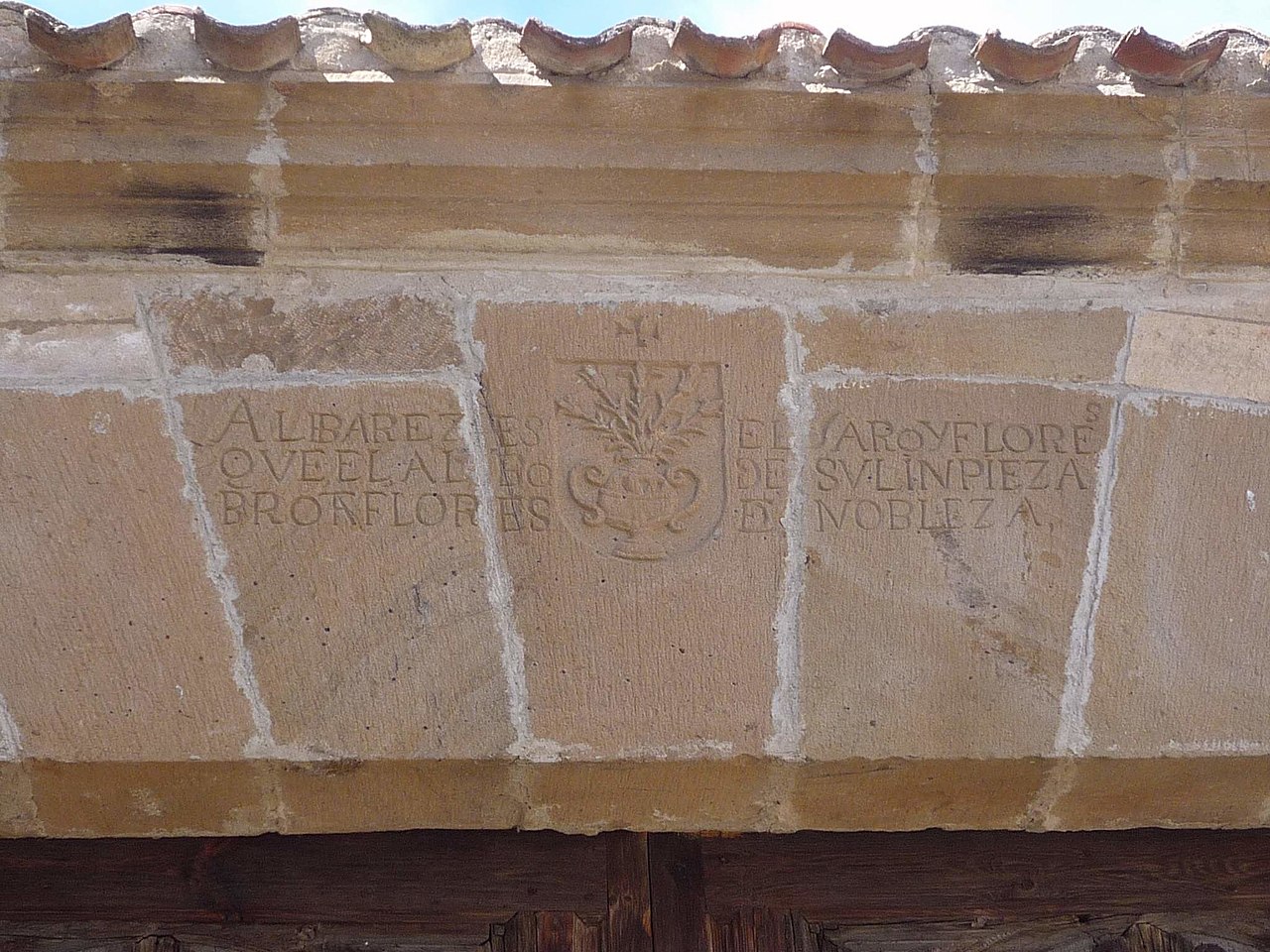
The buildings combine stone and adobe, with large gates and thick walls that once served practical purposes, storing tools or carts. Some façades still show coats of arms and old markings linked to agricultural life. It is not a monumental setting, yet it preserves the rural character typical of this part of La Rioja Alta.
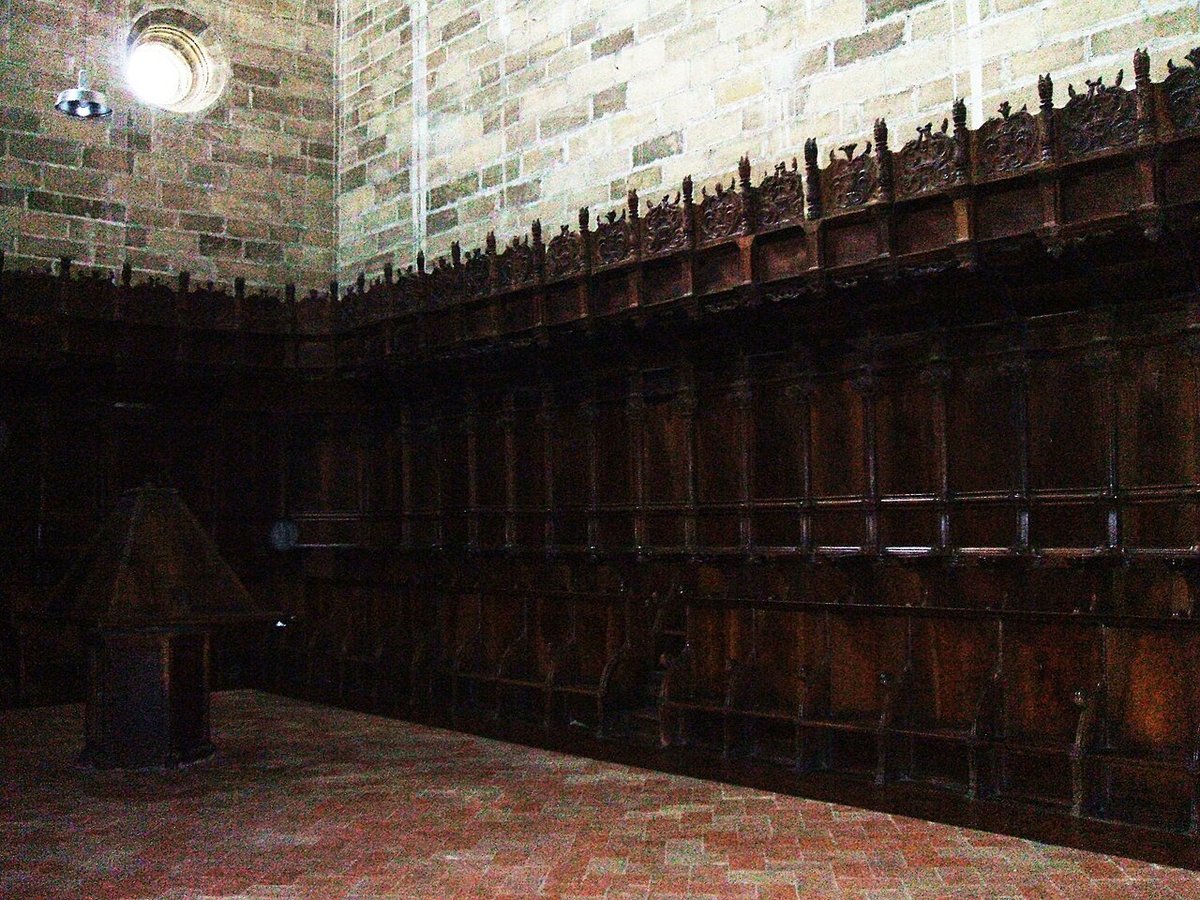
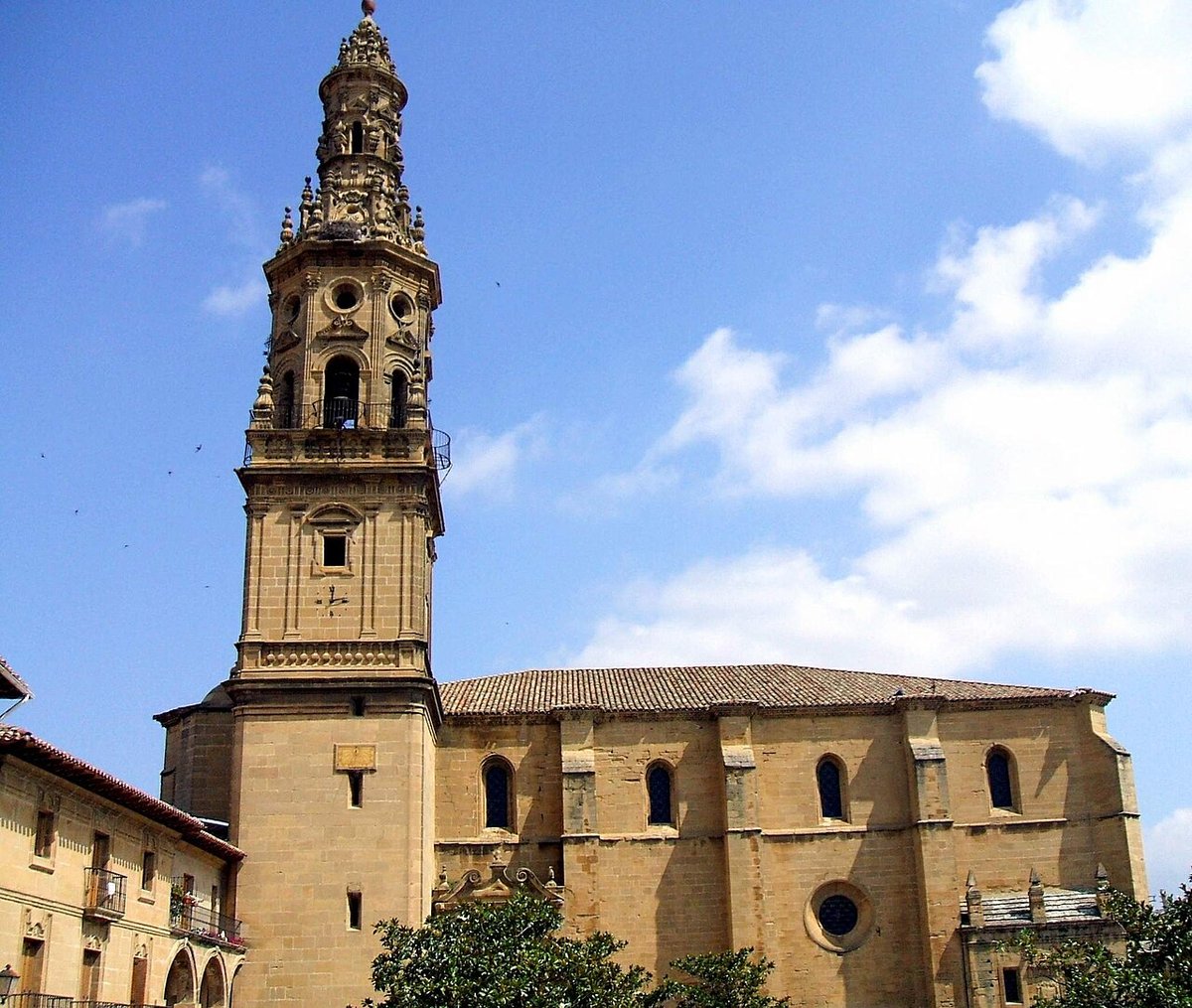
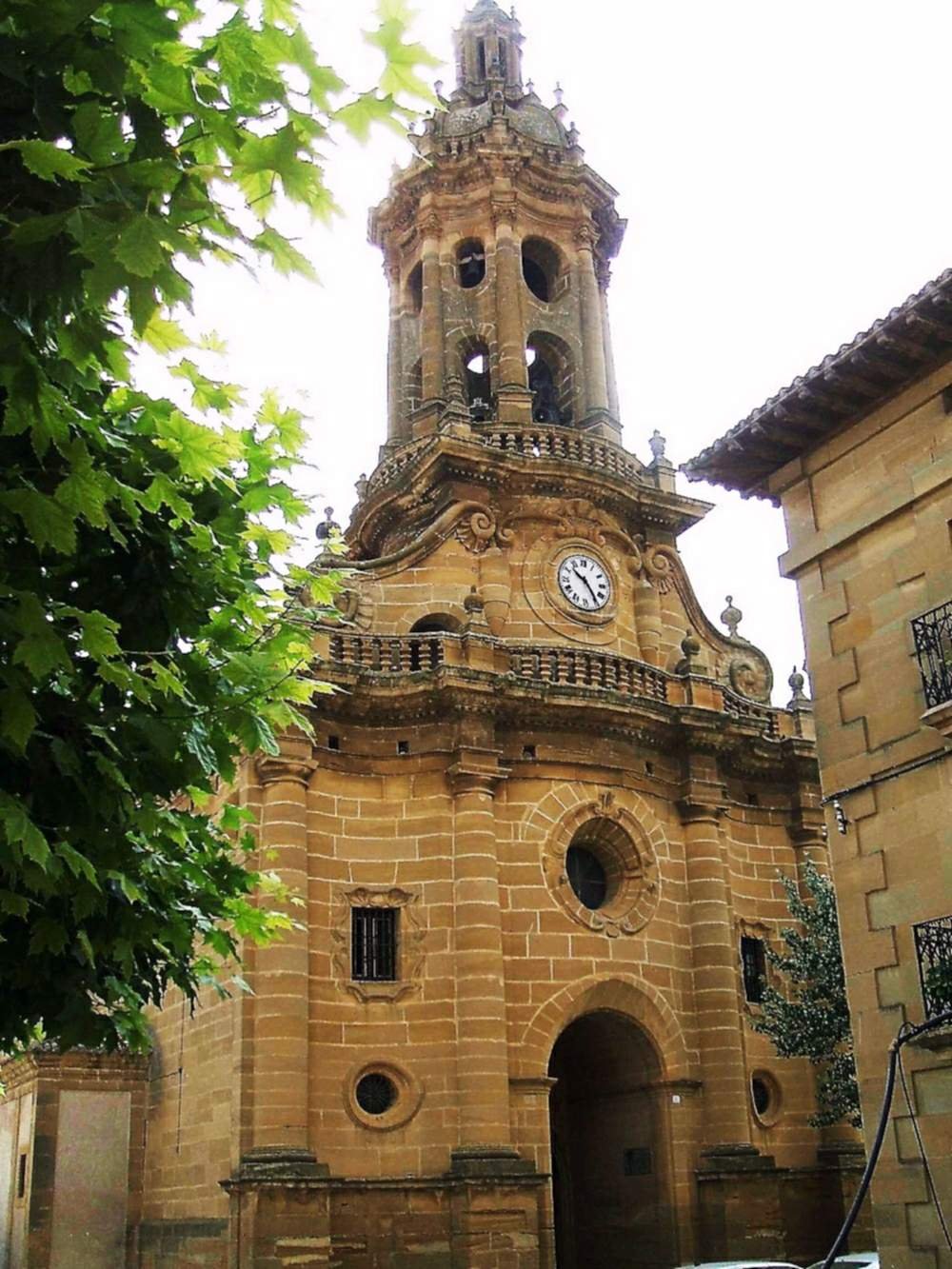
The Iglesia del Salvador rises above the rooftops. Its origins date back to the 16th century, although it has been altered over time. If it is open, the interior can be seen in just a few minutes. In the atrium, there are old gravestones and crosses that hint at earlier centuries.
Around the village, there are underground wine presses and cellars carved into the ground. Many sit behind metal doors or beneath newer houses. From the outside, they can be recognised by their low entrances and ventilation shafts. These are remains of the traditional system used to produce wine, still visible even if not always accessible.
Walking Between Vineyards
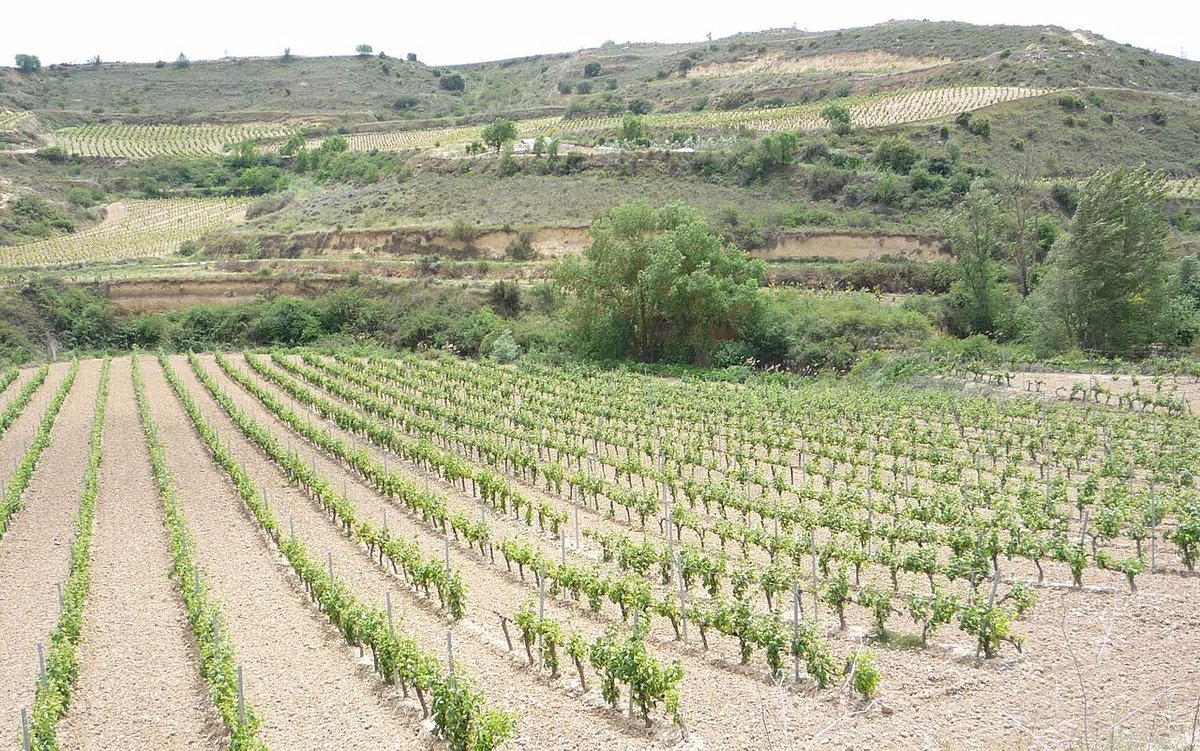
Several agricultural tracks lead out from Tirgo, stretching in all directions between vineyard plots. They are easy to follow and do not require careful navigation.
The terrain is mostly flat, with gentle slopes. Walking here does not require any special preparation, and cycling is also an option if you prefer to stay off the road. The landscape reflects the typical look of Rioja Alta: rows of vines, some patches of cereal crops, and areas of low scrub.
Autumn brings a noticeable change in colour as the vineyards shift tones. In summer, conditions are different. Shade is scarce outside the village, so earlier starts are a sensible choice.
Food and Wine
The food in Tirgo follows the traditional pattern of the region. Seasonal vegetables are central, along with grilled meat, especially lamb. Wine, naturally, is Rioja and forms part of everyday life.
In and around the village there are simple places serving homemade dishes. Options are limited and opening times are not extensive. Life here moves to the rhythm of a small community, and that shapes what is available.
Festivities and Daily Life
The annual calendar revolves around summer and agricultural work. The main local celebrations usually take place in August. These bring together residents and people who return to the village for those days. Events include religious activities and shared meals, without much in the way of large-scale programming.
During the grape harvest, activity increases. Tractors and trailers loaded with grapes appear on the tracks, and the surrounding area becomes busier. It is a working landscape, and that becomes especially visible at that time of year.
When to Go
Spring and autumn are the most comfortable seasons for walking in the area. Temperatures are mild and the vineyards are at their most interesting visually.
Summer can be harsh under the sun, particularly outside the village where shade is limited. Winter is very quiet, and daylight hours are short, which changes the pace of a visit.
The Essentials
Tirgo is best approached as a brief stop rather than a main destination. It fits naturally into a wider route through La Rioja Alta or as a pause between nearby villages.
Park on arrival and explore on foot. If you plan to follow the tracks through the vineyards, bring water. There are few places to take shelter from the sun once you leave the village streets.