Full Article
about Treviana
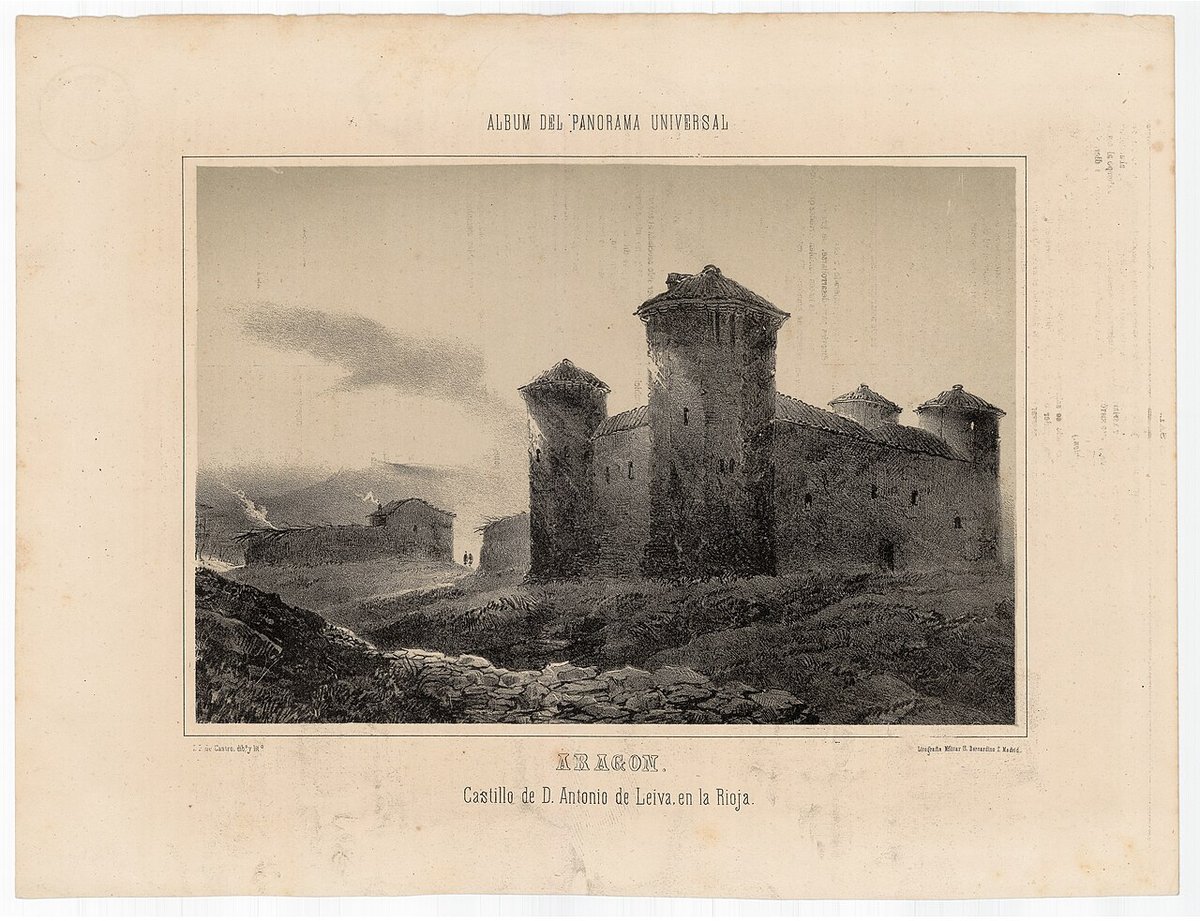
A town in Rioja Alta with remains of a wall and castle; it hosts a folk-crafts fair.
Ocultar artículo Leer artículo completo
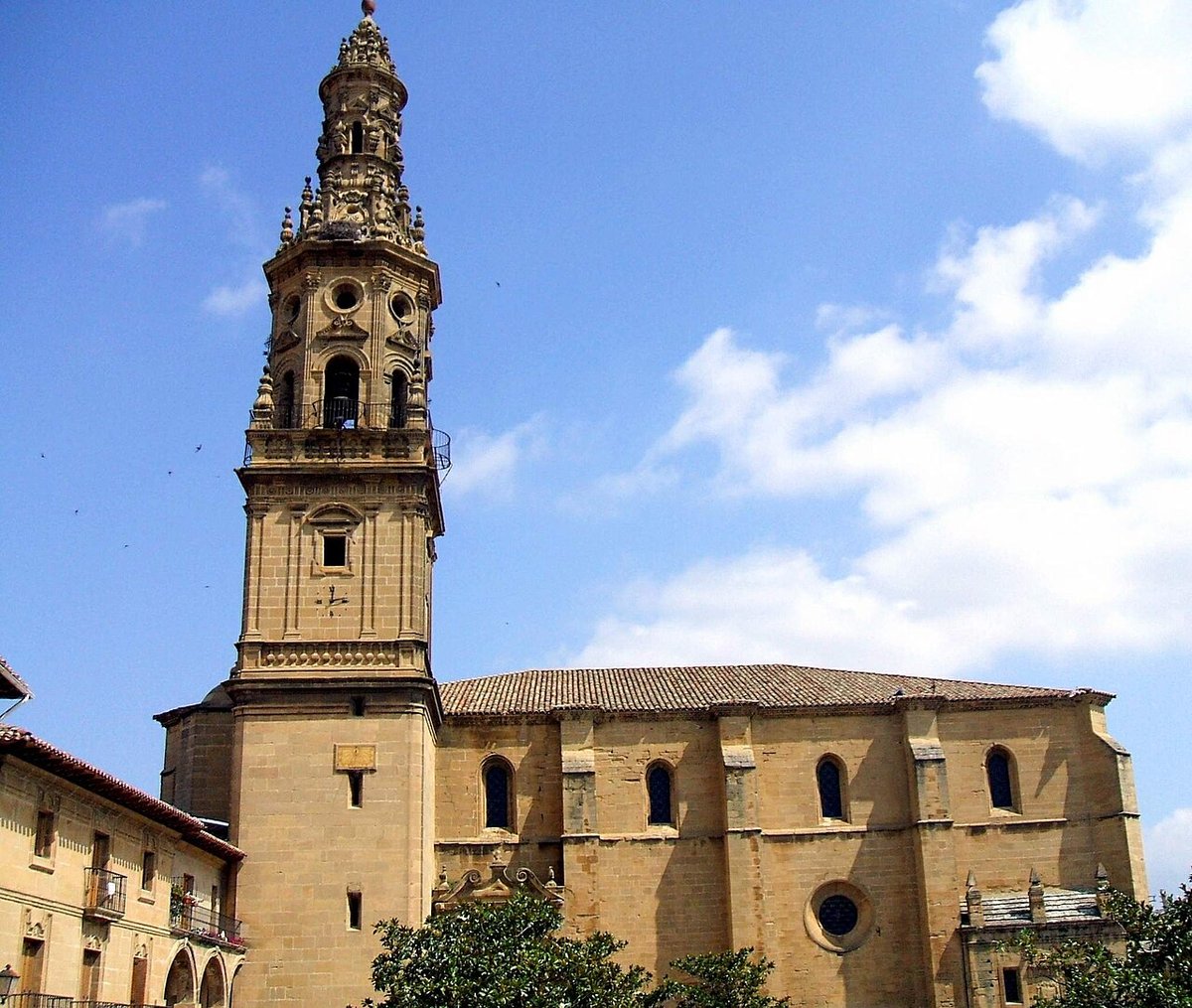
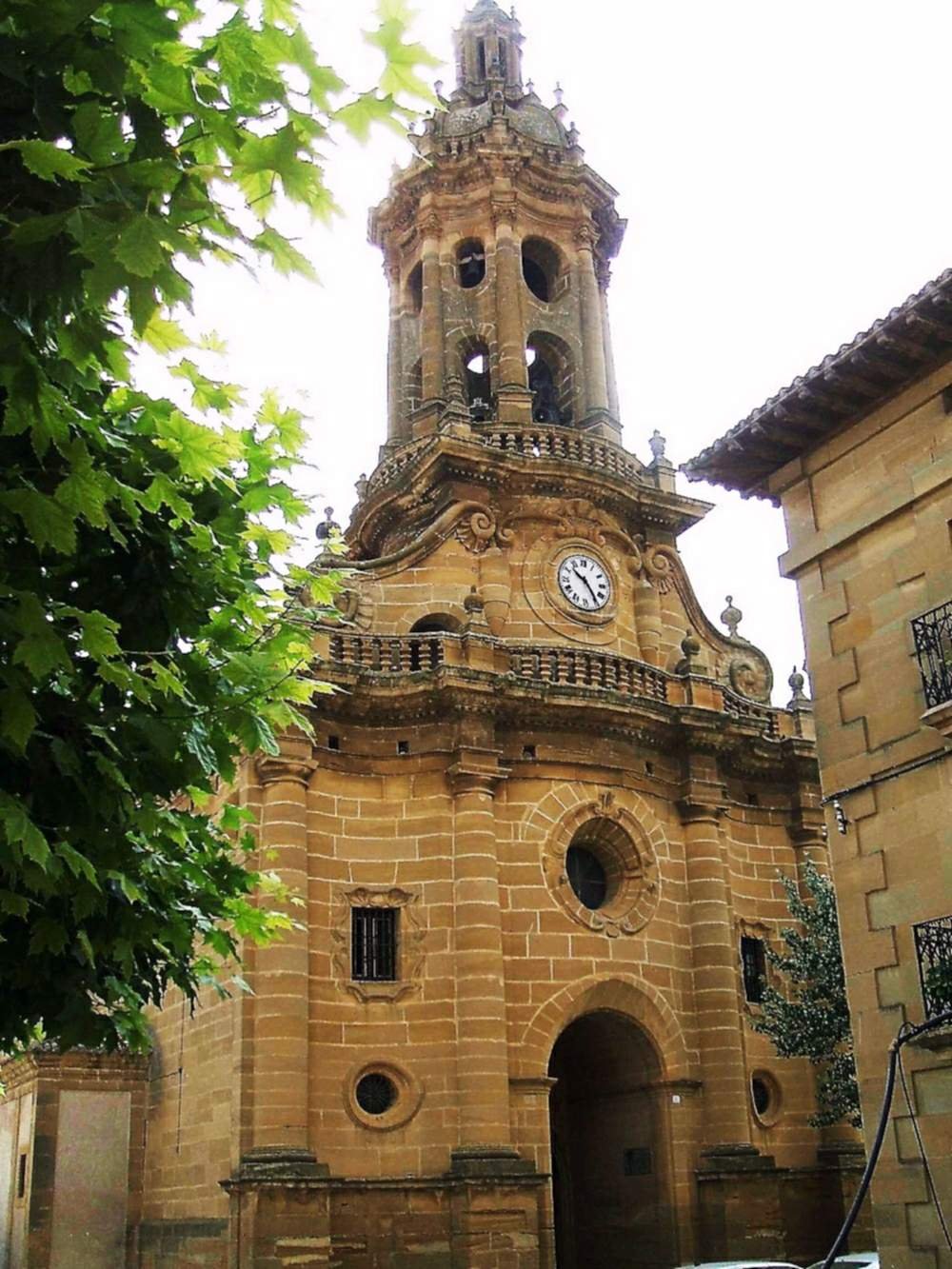
At 586 m above the valley floor, Treviana sits high enough for the air to feel thinner and the light to sharpen across rows of tempranillo. The village crest appears first as a pale stone church tower; below it, barely a dozen streets fan out like an after-thought. One hundred and forty-four people live here year-round, a head-count that shrinks further when harvest crews follow the grapes down the road to Haro. Silence is not marketed as an attraction—it simply exists, broken only by the clink of a distant tractor or the wind turning over sunflower leaves.
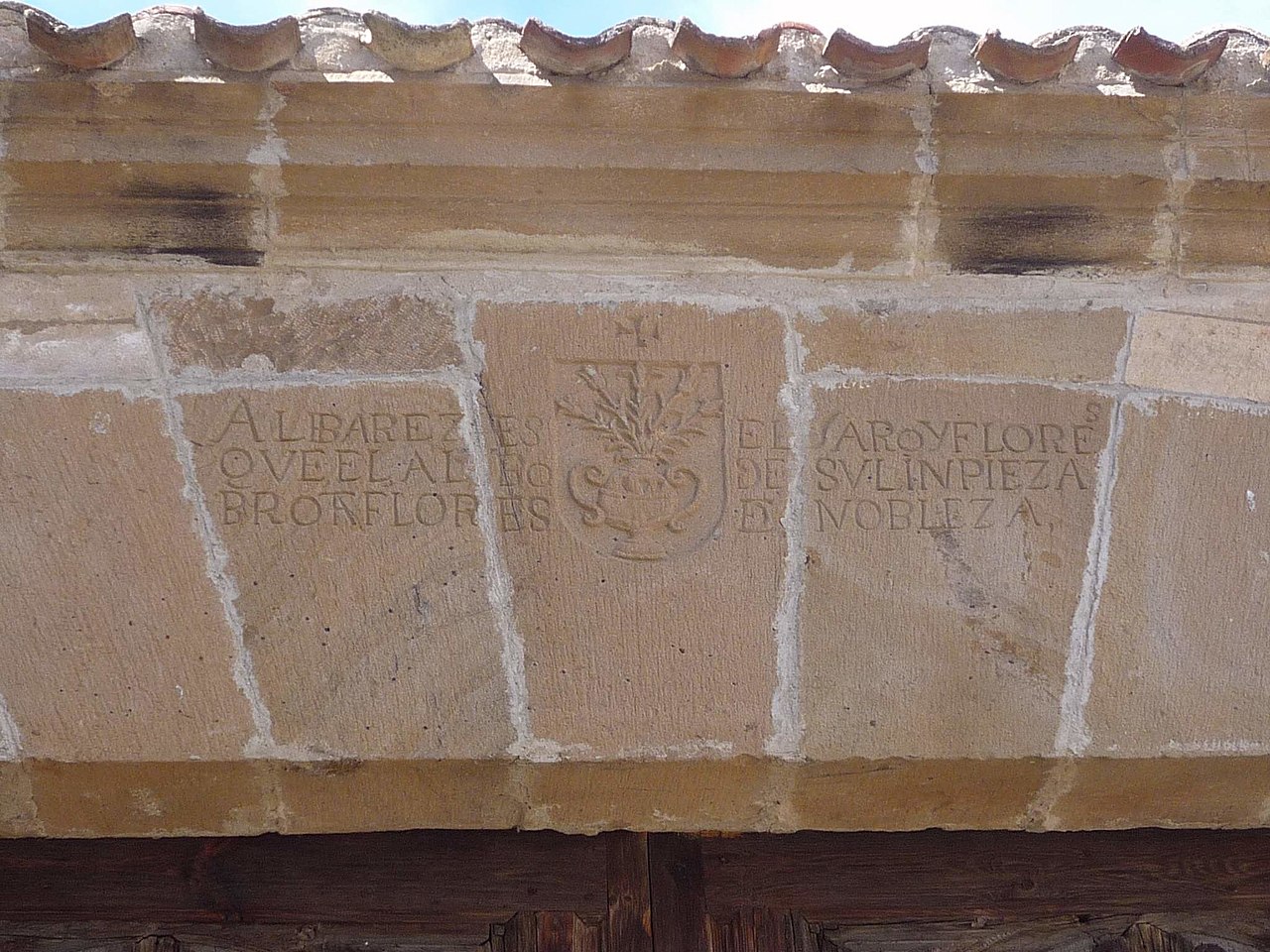
Most visitors race past the turning on the LR-401, bound for better-known bodegas. Those who pause discover that the settlement was once a medieval cabezera, powerful enough to mint its own coin and shelter pilgrims on the lesser-known branch of the Camino that cuts south from Santo Domingo de la Calzada. No souvenir shops trade on that story now. Instead, heraldic stone shields still project from half-collapsed mansions, their lions and castles eroded to ghostly silhouettes. A single bar, usually shut, advertises “Café & Dardos” in fading paint—an echo, perhaps, of the British engineers who laid down the nearby railway in the nineteenth century.
Walking above the clouds (and the vines)
From the church portal a paved lane becomes a dirt track in under three minutes. Five minutes farther and the world tilts: the whole Rioja Alta plain spreads west to the Obarenes mountains, while buzzards ride thermals at eye level. There is no ticket office, no interpretive panel—just an ochre stripe of GR-1 long-distance footpath that continues all the way to Galicia if your boots feel ambitious.
Spring brings poppies between the wheat rows and a cool breeze that justifies a fleece at midday. In July the same track is dusty and shadeless; walkers should set out at dawn and carry more water than seems reasonable for a two-hour loop. Autumn reverses the colour wheel: garnet vines, brass-coloured poplars, and the smell of crushed apple from abandoned orchards. Winter can be surprisingly sharp—sleet is not uncommon—and the LR-401 occasionally ices over enough to delay the school bus from Haro. Check the forecast if you’re thinking of a cosy weekend; the village’s only B&B turns the heating off at night to keep prices below €70.
Loop options are simple. Head south-east and you drop into the Tirón valley, circling back past the ruined Ermita de San Juan where storks nest on the belfry. The full circuit is 7 km with 250 m of ascent and takes a leisurely two hours. Prefer something shorter? Walk 500 m to the ridge above the cemetery; the view stretches to the limestone cliffs of Pancorbo 40 km away and you’ll probably have it to yourself.
Where to eat when there’s nothing open
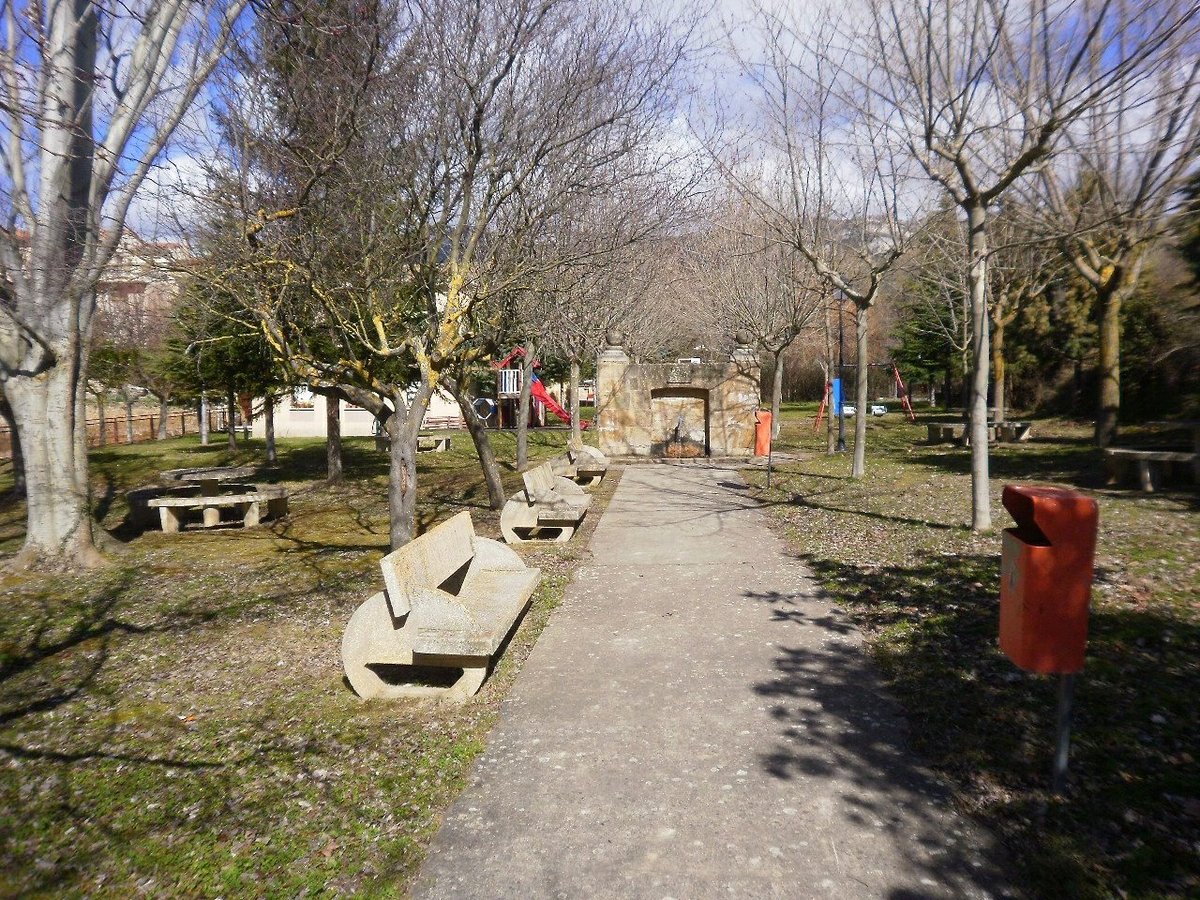
Treviana itself has no restaurant, no grocery, and—crucially—no cash machine. Plan accordingly. Fill the boot in Haro (ten minutes by car) with cheese from the Sunday market and a couple of bottles of crianza that rarely top €9 in the supermarkets British tourists seldom enter. Picnic tables beside the church are tolerated if you clear up; better still, drive ten minutes to Casalarreina’s shady plaza and order chuleton de cordero at Asador Alameda, where half a kilo of charcoal-grilled lamb feeds two greedy adults for €28.
If you’re staying overnight, book Casa Ruiz Reyes in advance. The 1870 stone house hides down an unmarked lane—sat-nav cheerfully sends you into someone’s vegetable patch—yet inside you’ll find under-floor heating, rain showers and a honesty shelf stacked with local Rioja alavesa. The owners, a bilingual couple who met while crewing cruise ships, will lend you corkscrews and walking gpx files but won’t serve dinner; instead they direct you to their favourite family-run sidrería in nearby Briñas where cider is poured from shoulder height and the menu is still written in Basque.
When the harvest circus rolls into town
September transforms the surrounding roads into a slow-moving parade of grape lorries. On the first Saturday of the month Haro explodes into its famous Batalla del Vino—think La Tomatina but with purple juice—and Treviana’s lane becomes a parking extension for estate cars full of Madrid weekenders. Expect throbbing music at 03:00 and don’t count on the B&B owners greeting late check-ins with their usual sang-froid. Conversely, if you want to watch pickers wield curved knives and sing traditional coplas, arrive mid-week at first light; the crews start without ceremony and finish when the sun burns through the mist.
Outside harvest, the village calendar revolves around saints and tractors. The fiestas patronales (14–17 August) feature a foam machine in the square, a brass band that plays until the power cuts out, and a communal paella cooked in a pan the size of a satellite dish. Visitors are welcome but there are no bilingual announcements; simply queue with a plate and someone will ladle you rabbit and garbanzos whether you understood the instructions or not.
The practical bit, without the brochure speak
Getting here: Fly direct to Bilbao from London, Manchester or Edinburgh, collect a hire car and take the AP-68 south-east for 90 minutes. Petrol is cheaper on the Spanish side of the airport—fill up before you leave. There is no reliable bus; the Monday-only service from Logroño exists mainly to transport pensioners to the provincial clinic. Taxis cost €45 from Haro and must be booked the night before.
Money: Bring cash. The nearest ATM is in Casalarreina and it occasionally runs dry at weekends. Cards are useless in the village; even the church candle box asks for coins.
Weather wardrobe: At altitude, temperatures can be 5 °C cooler than the Rioja capital. A lightweight waterproof lives in the rucksack year-round; afternoon storms bubble up over the Ebro valley in late spring and can drench you before the weather app notices.
Timing: Stay half a day if you simply want the view and a quiet picnic. Add an overnight if you’re using the GR-1 to reach distant wine villages such as San Vicente de la Sonsierra. Avoid Mondays, when everything peripheral—including the excellent Romanesque interpretation centre in nearby Santo Domingo de la Calzada—keeps its doors locked.
Treviana will never star on a souvenir tea towel. It offers instead the small pleasure of finding yourself alone on a ridge, boots dusty, while the afternoon sun ignites millions of vine leaves below. Take it for what it is: a brief, quiet interlude between glasses of something darker.