Full Article
about Villalba de Rioja
Village on the southern slope of the Obarenes; a transition zone between mountain and vineyard.
Hide article Read full article
A Morning in Villalba de Rioja
Early in the day, when the sun begins to brush the vineyards that circle the village, Villalba de Rioja moves to a quiet soundtrack: a door opening, a car easing along the main street, the faint rustle of air through vine leaves. Tourism here has no sense of rush. This is a place best understood on foot, without a fixed plan, noticing how stone and soil have shared the same ground for centuries.
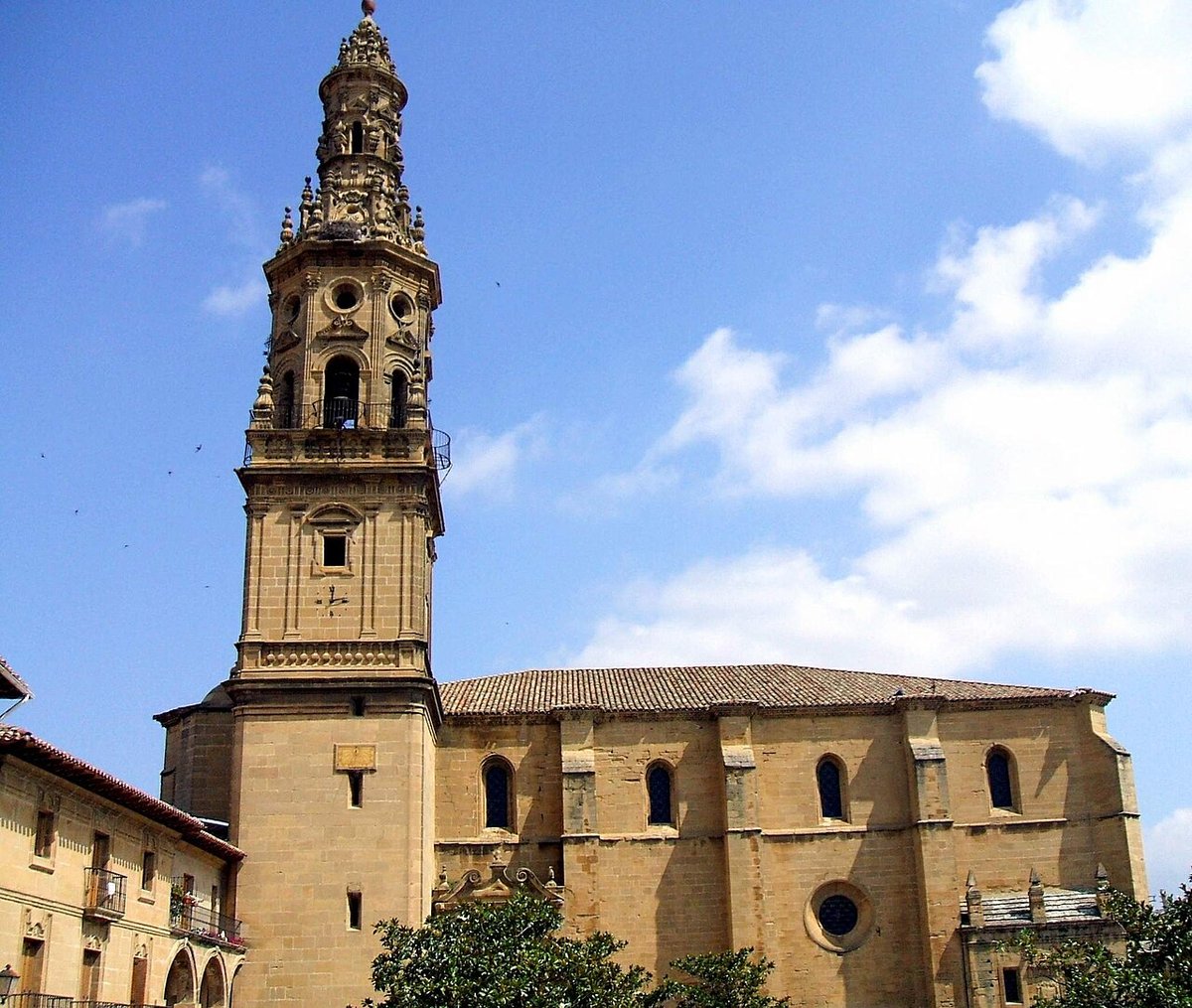
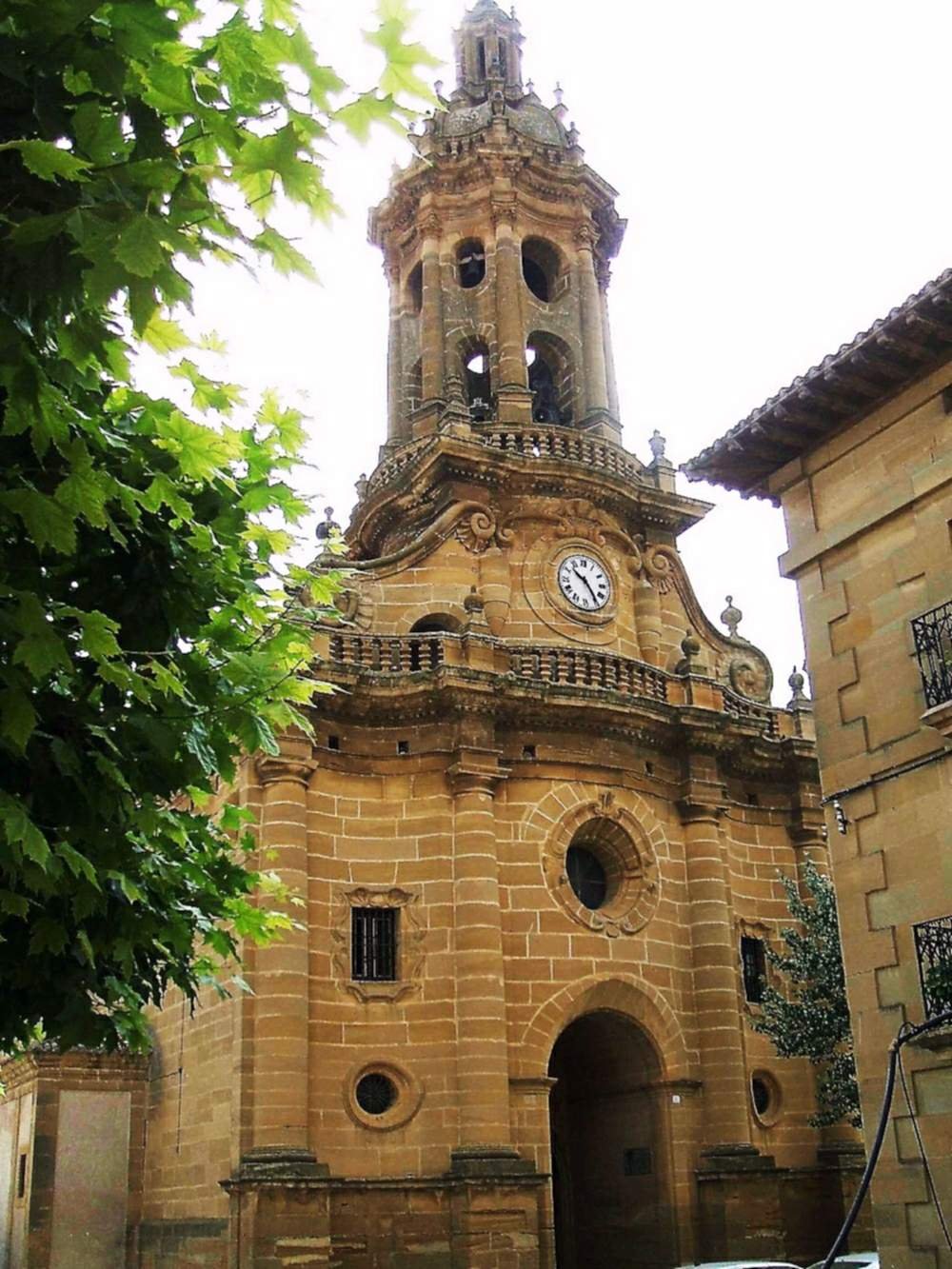
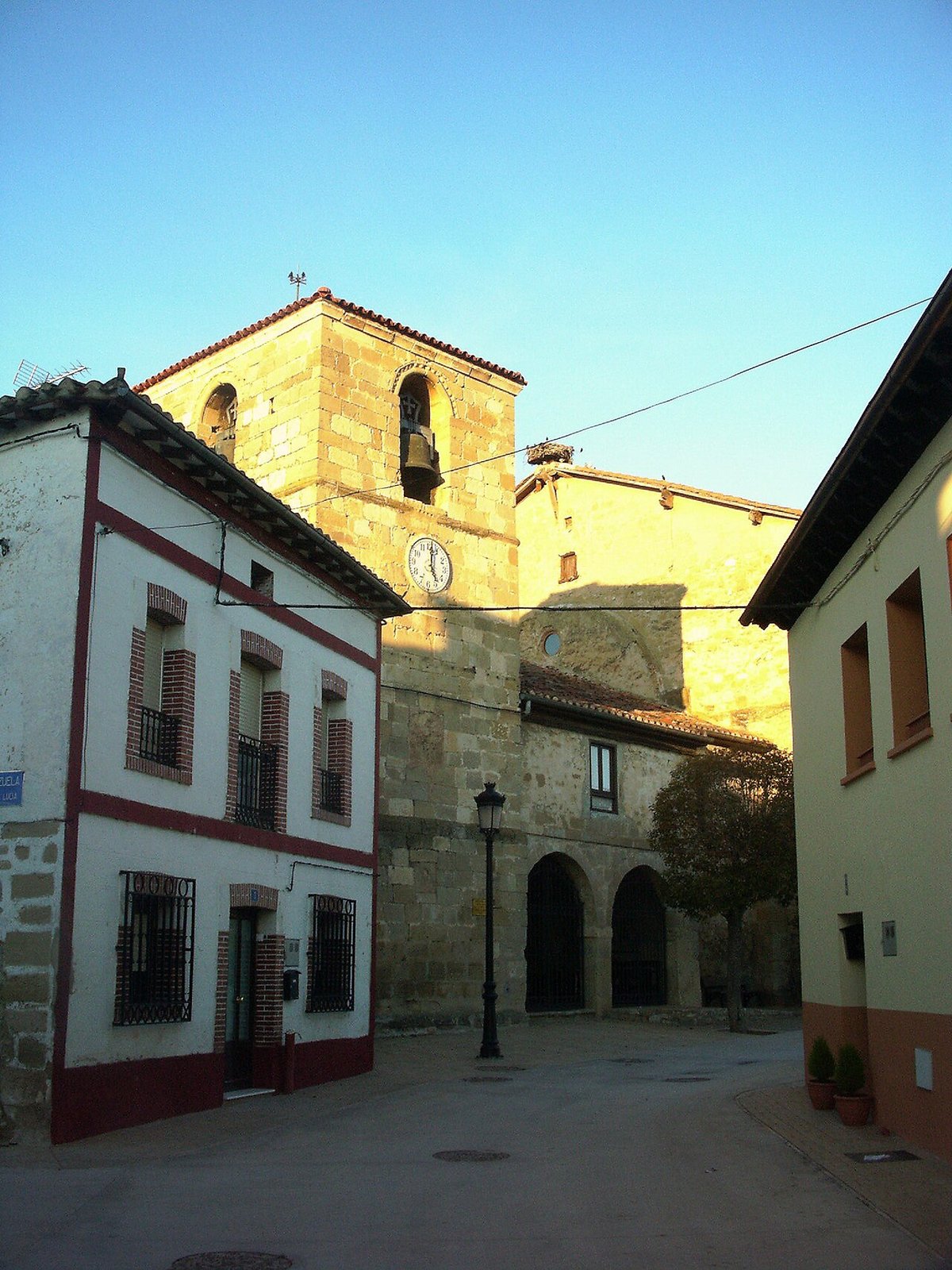
At the heart of the village stands the church of San Miguel Arcángel. It is not monumental in scale and does not dominate its surroundings. Instead, it feels like another piece of the settlement. The masonry is irregular, with ashlar blocks reinforcing the corners and visible repairs scattered across the walls. Stand close and the variations in the stone become clear, as though each period has added its own layer. The building reflects the same practical continuity that shapes the rest of Villalba.
Short Streets and Underground Cellars
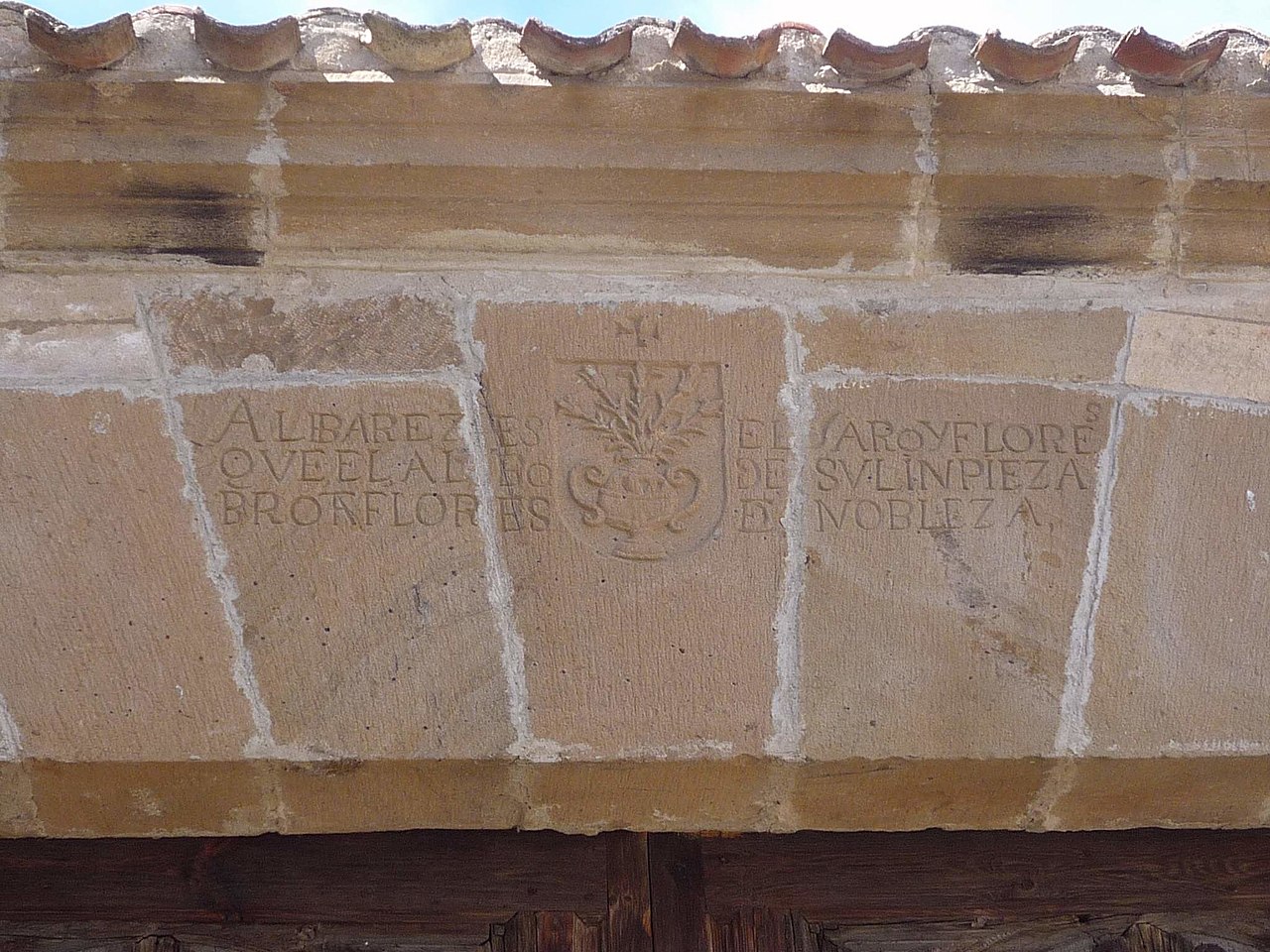
The streets are narrow and generally quiet. Stone houses line the way, some combined with adobe, their wooden gates bearing the marks of many harvests. In several spots, openings cut into the rock appear at ground level: small, dark entrances leading down to traditional underground bodegas. These cellars, once central to storing and ageing wine, still survive beneath the village. Some remain in use, others seem to be resting, their doors shut, a faint scent of damp and wine escaping when someone steps inside.
Life here is still closely tied to the land. Around the village, rows of vines repeat with measured precision. Between them lie plots of cereal that shift in colour as the year moves on. By late summer, the light flattens across the fields and everything takes on a golden tone that lasts only briefly before shadow spreads in from the surrounding hills.
The landscape is not arranged for spectacle. There are no dramatic viewing platforms or carefully staged vistas. Instead, the relationship between village and vineyard feels direct and functional, shaped by work rather than display.
Walking Out Among the Vines
There are no signposted viewpoints in Villalba de Rioja, nor prepared walking routes with information boards. What you find instead are agricultural tracks that leave the village and run straight into the vines. After half an hour on foot, the perspective shifts. The cluster of houses falls behind and the view opens out across the valley.
The ground is usually compacted earth or gravel, so comfortable footwear is sensible, particularly after rain. In summer the sun falls directly on the fields and there is almost no shade, something that becomes obvious around midday.
The reward for heading out is silence. At times the only sound is the dry crunch of soil underfoot. During the vendimia, the grape harvest, the distant hum of agricultural machinery carries across the fields. Outside those periods, the stillness is more complete.
These paths are working routes first and foremost. They are part of the daily routine of those who tend the vines, not designed as leisure trails. That sense of shared space is worth keeping in mind.
A Village Shaped by Wine
Viticulture continues to set the rhythm of Villalba de Rioja. Many of the plots belong to families from the village itself, and work in the vineyard structures the annual calendar. Not everything is arranged with visitors in mind, and there are no fixed visiting hours designed for passing travellers.
Anyone interested in approaching a private plot or one of the underground bodegas would do well to ask first. In small villages, that courtesy is valued far more than arriving unannounced with a camera. The land is both workplace and inheritance, and the boundaries are often informal but clearly understood by those who live here.
In autumn, especially when rains have been generous, it is common to see local residents searching for mushrooms in the surrounding countryside. Even then, much of the terrain is private. Sticking to clear tracks and recognised paths is the safest approach.
The pace of life remains steady. Seasonal tasks in the vineyards dictate busy stretches and quieter intervals, and visitors step into that existing rhythm rather than the other way round.
San Miguel and the Turning of the Year
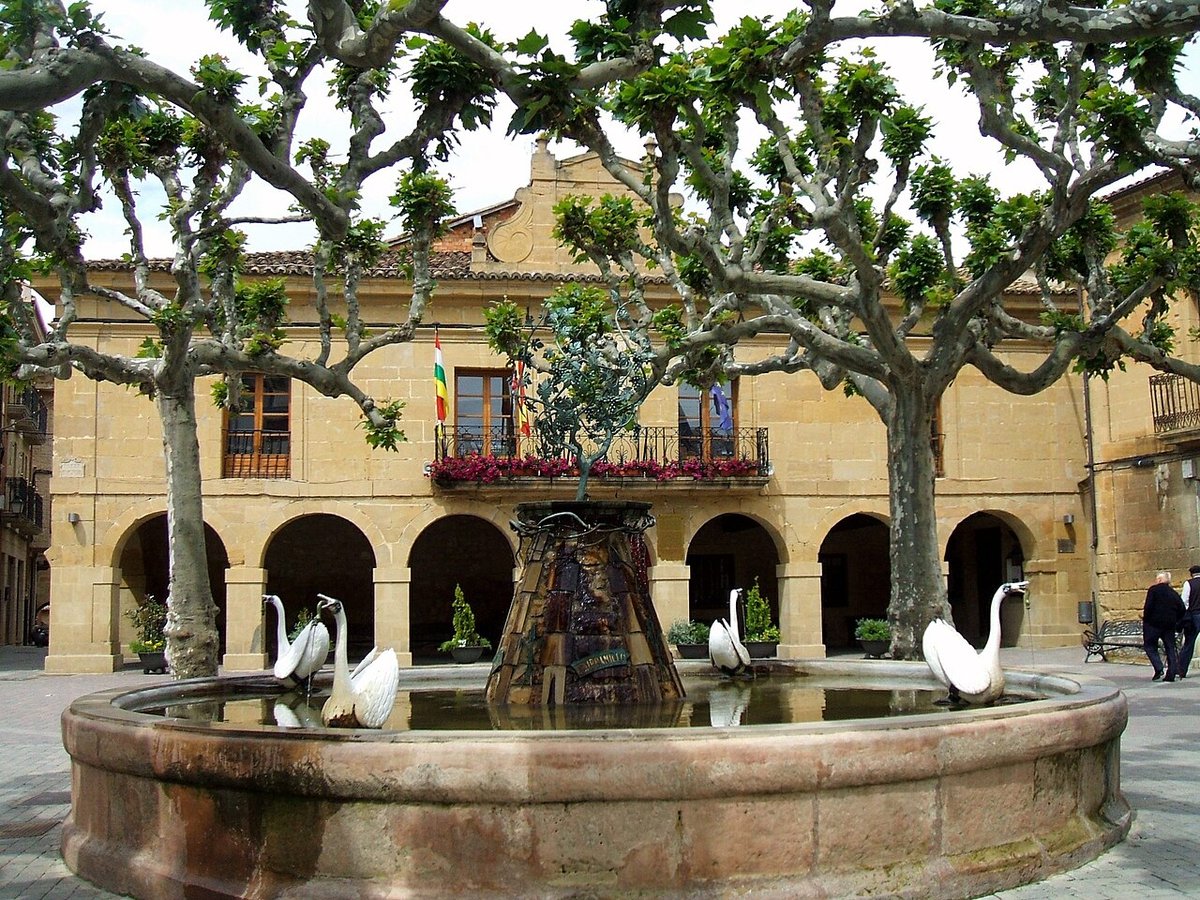
The main celebrations revolve around San Miguel Arcángel towards the end of September. Compared with festivals in larger towns, these days are low-key. There are simple processions, neighbours talking in the street, children running across the square. The atmosphere is communal rather than theatrical.
August usually brings a little more movement, as many residents who live elsewhere for most of the year return to the village. Even then, Villalba does not lose its measured tempo. The sense of pause remains part of its character.
Across the seasons, the landscape shifts in tone. Spring and autumn tend to show the most variation in colour. During the vendimia, normally between late September and October depending on the year, the fields are full of activity. In winter, the village grows very still. The light is brief and fades quickly behind the hills, leaving stone and earth in muted shades.
Before You Go
The central streets are narrow and some offer little room for manoeuvring. It is often easier to leave the car at the edge of the village and continue on foot.
If heading out along the vineyard tracks, keep to boundaries and clear paths. Crossing cultivated plots can damage crops and is not always welcomed.
Villalba de Rioja is not a destination built around long checklists of attractions. It works better as a pause in the day: a short walk among vines, time spent watching the light change on the stone of the church and houses, and the sense that here the calendar is still marked primarily by the seasons.