Full Article
about Zarratón
A Rioja Alta town known for its traditional dances, set on a hill.
Ocultar artículo Leer artículo completo
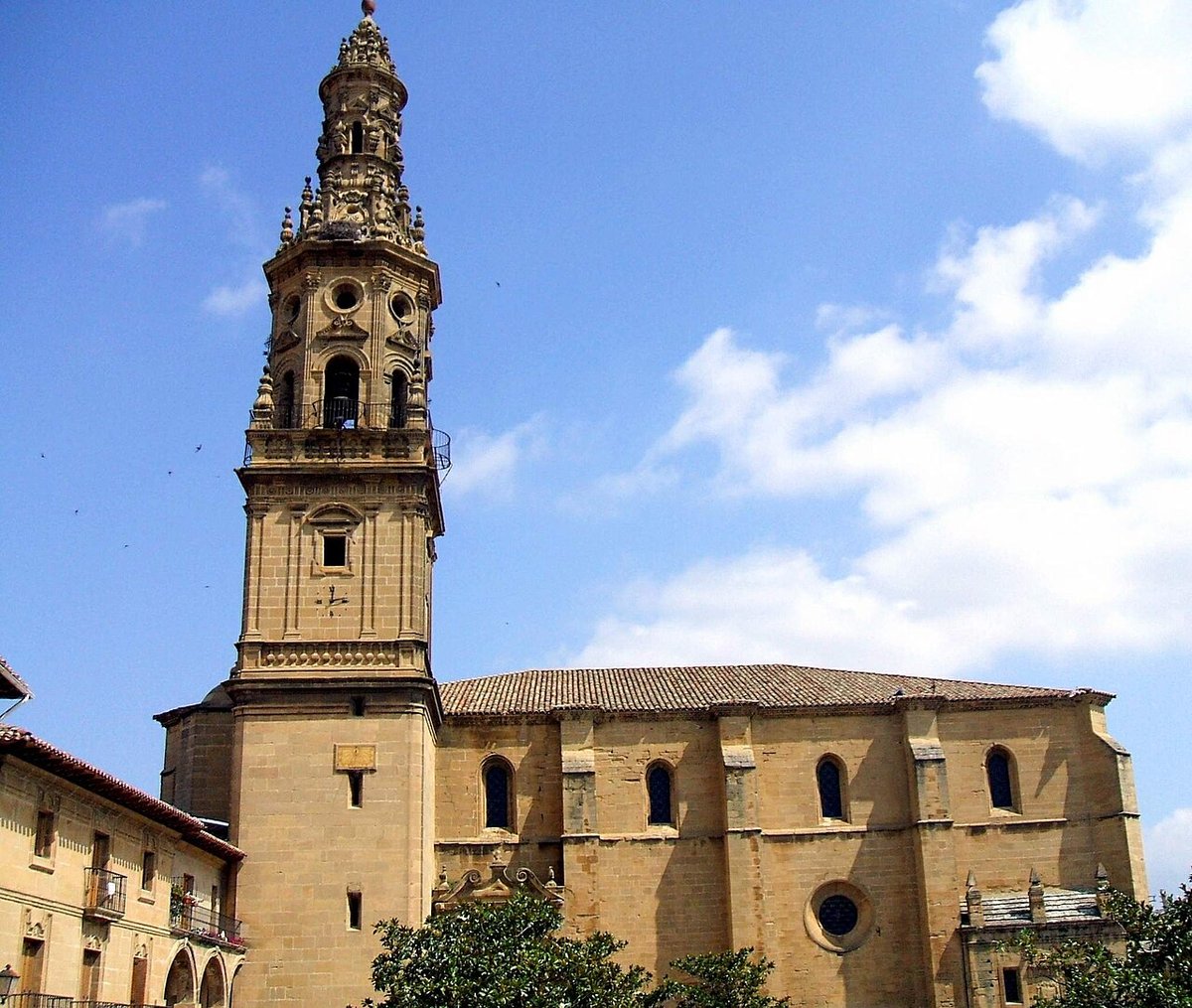
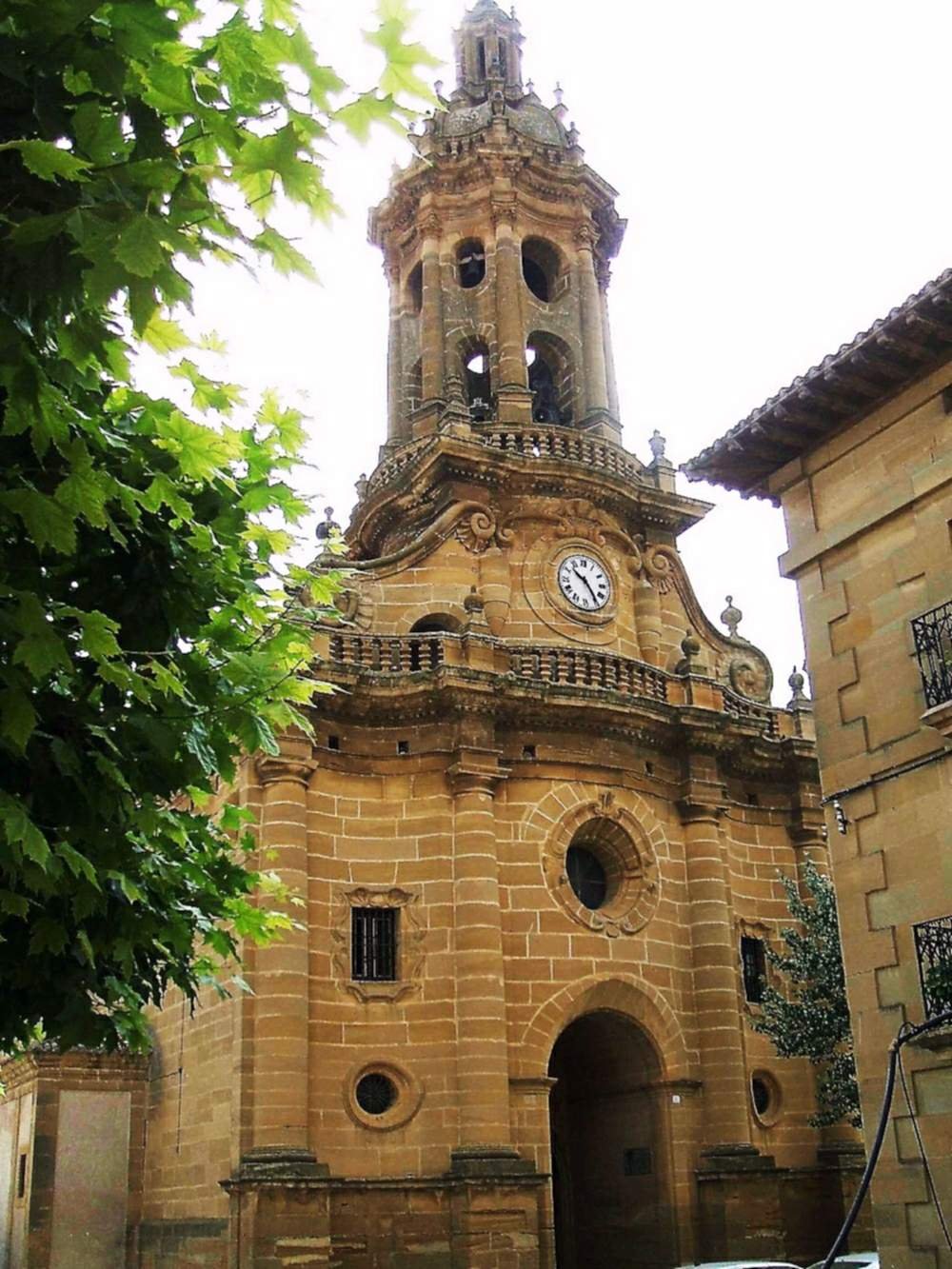
The church bell strikes noon, but nobody hurries. At 600 metres above sea level, time moves differently in Zarratón. The air carries a crispness that coastal Spain never knows, even in July, and the Sierra de la Demanda looms close enough to count the pine trees. This isn't the Rioja of glossy wine brochures—it's where agricultural life continues much as it has for centuries, just 12 kilometres south of Haro's grand bodegas.
The Arithmetic of a Mountain Village
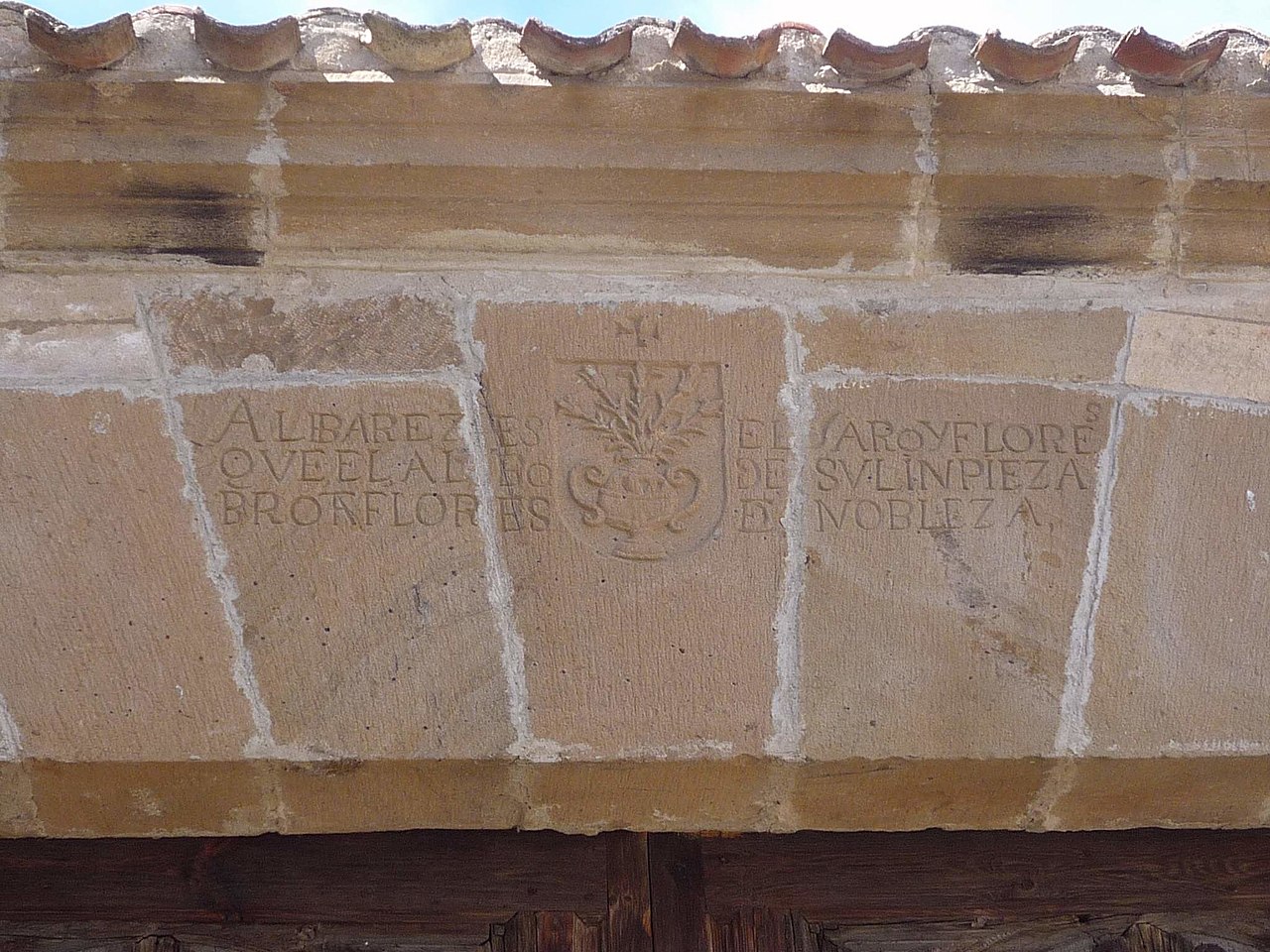
Two hundred and seventy-three residents. One church. A handful of streets that take twenty minutes to walk properly, longer if you stop to examine the heraldic shields carved above doorways. Zarratón's mathematics are refreshingly simple, though the altitude adds variables that catch visitors off guard. Morning temperatures can be ten degrees cooler than Logroño, 40 kilometres east, and winter brings genuine snow that occasionally cuts road access for a day or two.
The village spreads across a ridge, meaning most houses enjoy south-facing aspects over the Ebro valley. Stone walls two feet thick regulate temperature naturally—cool in summer, warm when the northerly cierzo wind blows. It's practical architecture born of necessity, not aesthetic choice, though the effect is pleasing enough. Adobe structures intermingle with stone ones, showing where families extended homes as finances allowed, creating an architectural patchwork that tells its own story.
Walking tracks head south from the village centre, following ancient agricultural paths between vineyard plots. These aren't marked trails with colour-coded waymarkers—just tracks that locals use to access their vines. Within fifteen minutes, the village shrinks to toy-town proportions behind you, while the horizon expands to include peaks topping 1,500 metres. The contrast is immediate and slightly disorientating.
Between Grain and Grape
September transforms the surrounding landscape into a mosaic of gold and purple. Wheat stubble fields glow amber where they haven't been ploughed under, while vineyards display that particular shade of Rioja red that wine writers struggle to describe. The harvest brings purpose to the village's rhythms—tractors pulling grape trailers rumble through at dawn, and the cooperative winery on the outskirts hums through the night.
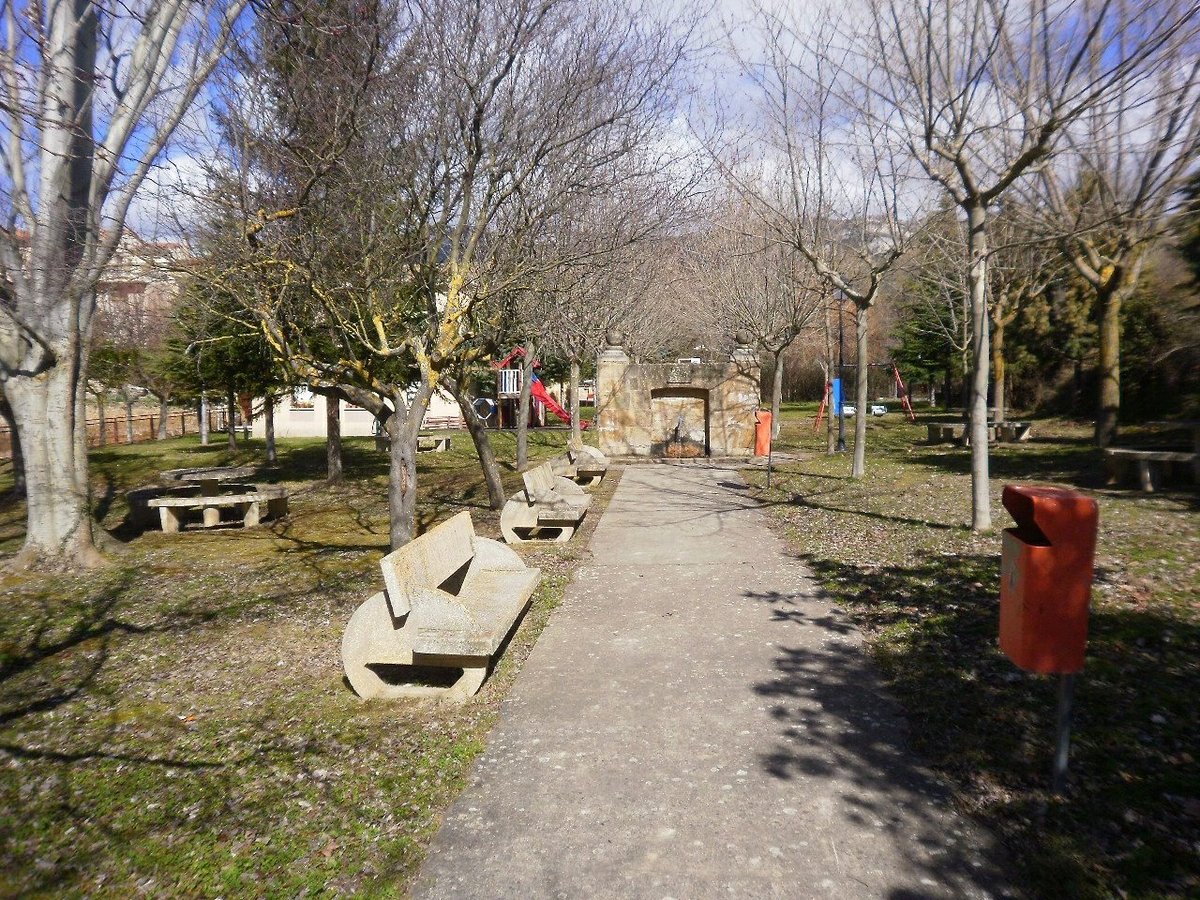
But visit in February, and you'll find a different scene entirely. Vines stand skeletal, pruned back to brutal stumps. The earth between rows lies bare, revealing the slope and contour of land that's hidden beneath vegetation for most of the year. It's honest, utilitarian countryside—beautiful in its way, though requiring adjustment if your mental image of Rioja involves endless summer sunshine.
The village's agricultural focus means accommodation options remain limited. There's no hotel, no boutique guesthouse with exposed beams and artisan toiletries. What you get instead is proximity to working vineyards and access to farmers who'll explain the difference between tempranillo and garnacha plantings while checking their phones for weather forecasts. It's refreshingly uncurated, though requires realistic expectations.
Practical Geography
Getting here demands wheels. Public transport stops at Haro, and taxis from there cost around €25—assuming you can find one willing to make the trip. Driving from Bilbao takes 90 minutes via the A68, then a final climb up the LR-401 that delivers views across Rioja Alta's patchwork of vineyards and cereal fields. The road's well-maintained but narrow in places, with stone walls pressing close on both sides.
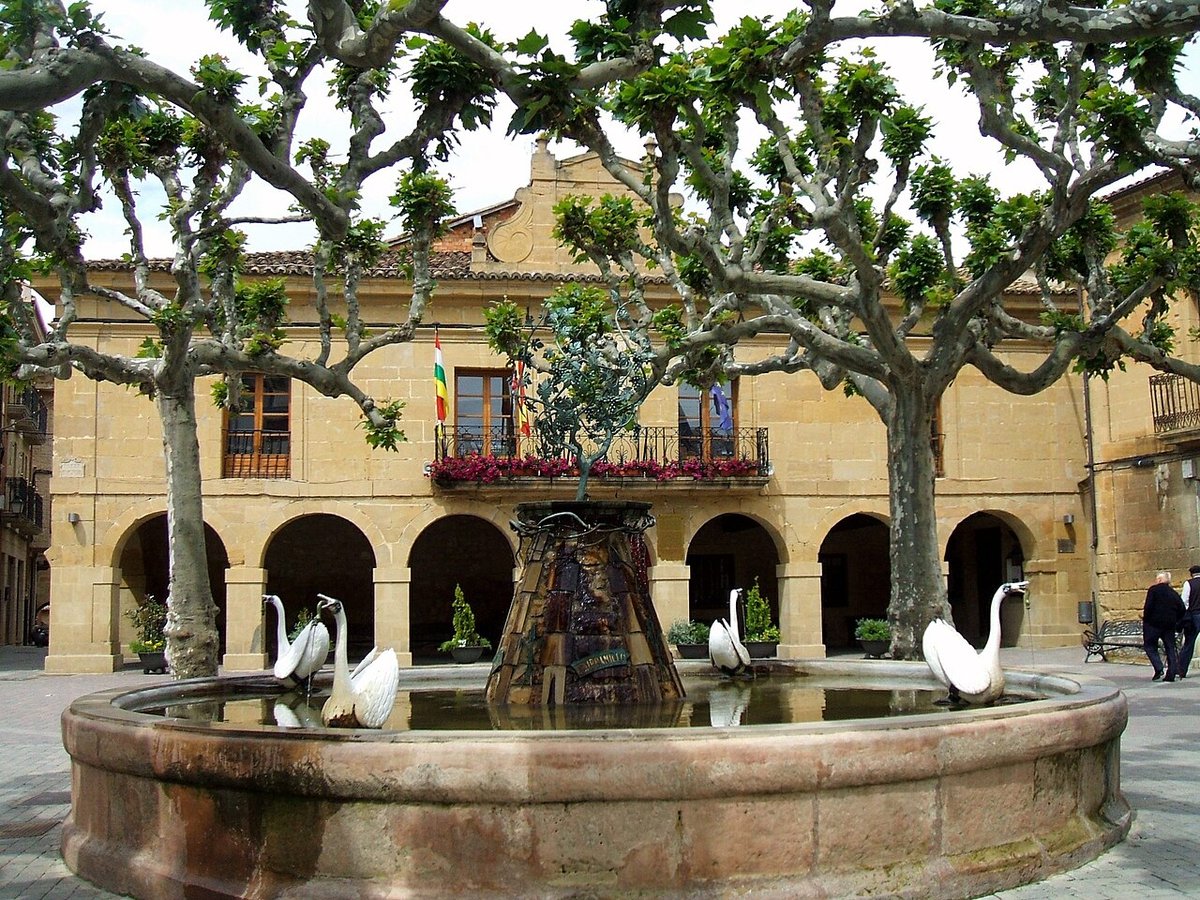
Parking couldn't be simpler: find a space in the main square, or don't. Even during August fiestas, when former residents return and the population swells to maybe 400, spaces remain available. The village's compact size means everything lies within five minutes' walk, though the gradient makes it feel longer if you're carrying shopping.
Altitude affects more than temperature. Mobile phone reception varies by provider and weather conditions—Vodafone works reliably, others less so. The single bar closes at 10 pm unless there's a fiesta, and the nearest supermarket sits eight kilometres away in San Asensio. This isn't oversight or neglect; it's simply how life functions when your village numbers under 300 souls.
Eating and Drinking Without Pretension
Food here follows agricultural cycles, not restaurant trends. Winter means hearty stews—caparrones (bean stew) appears on every table, flavoured with chorizo from pigs that grazed local acorns. Spring brings vegetable cocidos and eggs from village hens. Summer's too hot for heavy food; locals eat late, very late, when temperatures drop enough to make cooking bearable.
The bar serves rioja by the glass for €1.80, poured from unlabelled bottles that arrive from nearby wineries. Asked about vintage, the owner shrugs—"It's from last year, good year." That's as technical as wine discussion gets here. Food runs to tortilla, chorizo slices, maybe cheese if the supplier's delivered. Don't ask for tasting notes or food pairings; you'll receive a look that suggests you've missed the point entirely.
For proper meals, head to Haro or drive twenty minutes to Briñas, where Casa Garrido serves excellent lamb chops without tourist mark-ups. But pack water and snacks if you're walking the vineyard tracks—there's no café culture here, no artisan bakeries or gelaterias. The village functions for its residents, not visitors, which paradoxically makes it more interesting than places designed for tourism.
When to Come, When to Stay Away
Late April offers perhaps the perfect balance. Temperatures reach comfortable levels, vines show fresh green growth, and the risk of mountain weather has passed. Wildflowers carpet uncultivated patches between vineyards, and bird song carries clearly in the thin air. May adds the bonus of seeing vegetable plots around village houses producing their first crops—proper kitchen gardens, not ornamental borders.
August brings heat that can top 35°C, though altitude makes it more bearable than coastal Spain. The fiestas happen then—three days of music, dancing, and temporary bars in the square. Former residents return, creating a brief bubble of population and energy. It's fun, authentic, and noisy until 4 am. Light sleepers should book elsewhere.
November hosts the patronal fiestas for San Martín, coinciding with the final agricultural tasks before winter. Weather's unpredictable—bright sunshine one day, mountain fog the next. Snow's possible but unlikely, though roads can ice overnight. The village feels transitional, preparing for the quiet months when tourism stops entirely and agricultural work slows to maintenance tasks.
Winter visits require commitment. Days are short, many tracks become muddy, and that spectacular view disappears behind cloud for days at a time. But there's a stark beauty to the landscape, and you'll have it entirely to yourself. Just don't expect roaring fires in cosy pubs—central heating arrived late here, and many houses still supplement it with wood burners using timber from the surrounding slopes.
Two hours is enough to see Zarratón properly, assuming good weather and reasonable fitness for the gradients. Add another hour if you plan to walk the vineyard tracks, longer if photography's your thing—the light changes constantly as clouds move across the mountain backdrop. But don't try to stretch it into a full day unless you're combining with other villages or wineries. Zarratón offers a glimpse into agricultural Rioja that most visitors miss, but it's exactly that—a glimpse, not a destination that sustains extended stays.