Full Article
about Albelda de Iregua
Important population center in the Iregua valley; historically known for its old monastery and medieval battle.
Hide article Read full article
A valley shaped by food and work
The chorizo on a London breakfast plate may well have begun its journey somewhere like this. In the 1980s, a family business from La Rioja showed that traditional cured meats could be produced on a large scale without leaving the Iregua valley. That industry is still based on the industrial estate in Albelda, surrounded by strawberry greenhouses and asparagus plots. It is a landscape that explains a lot about the place.
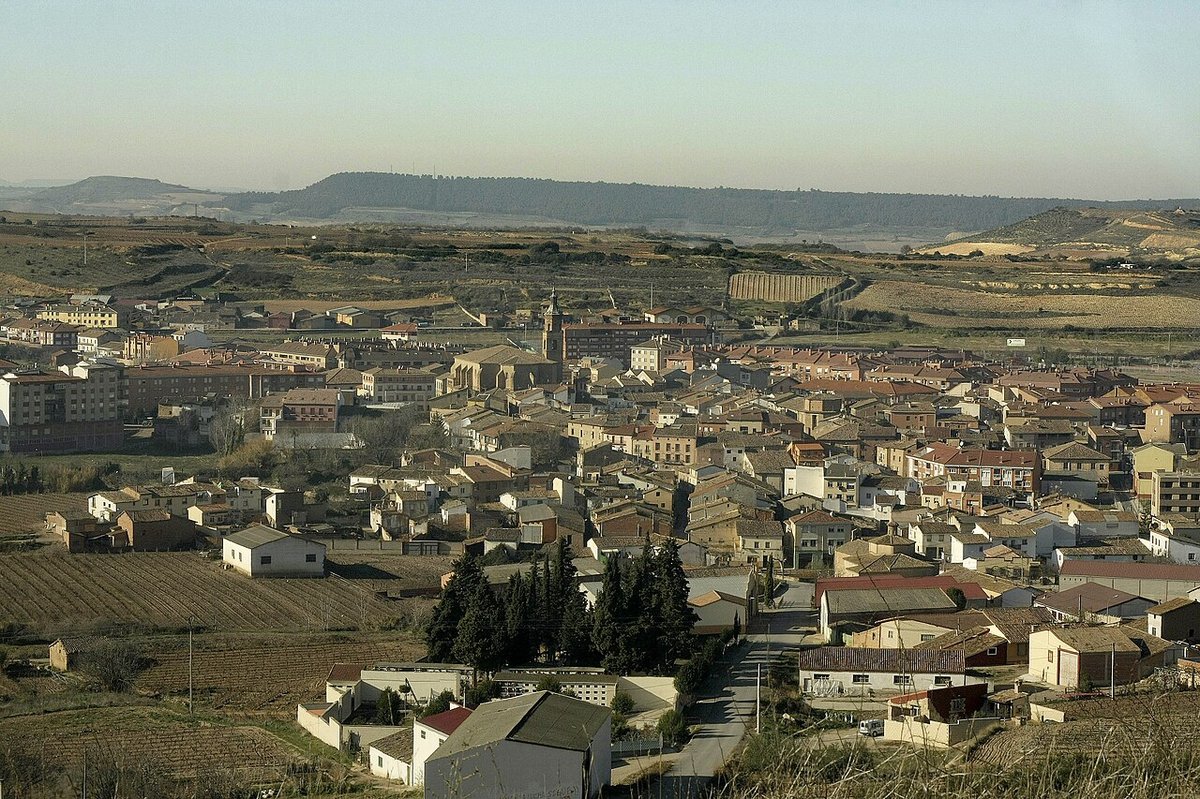
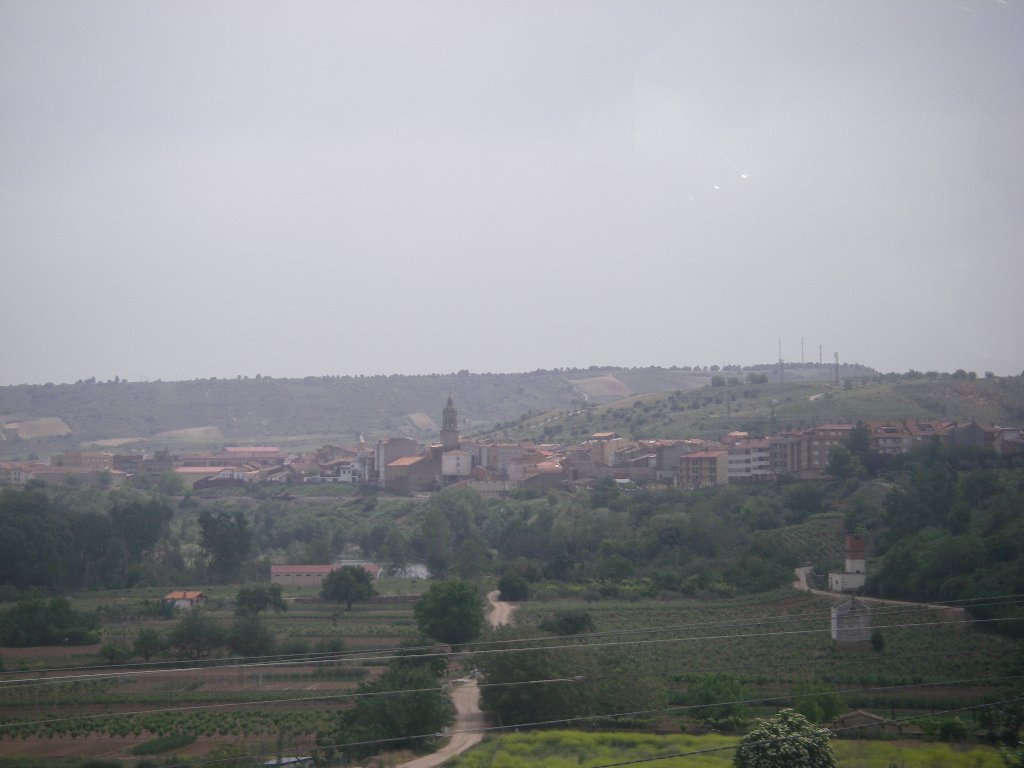
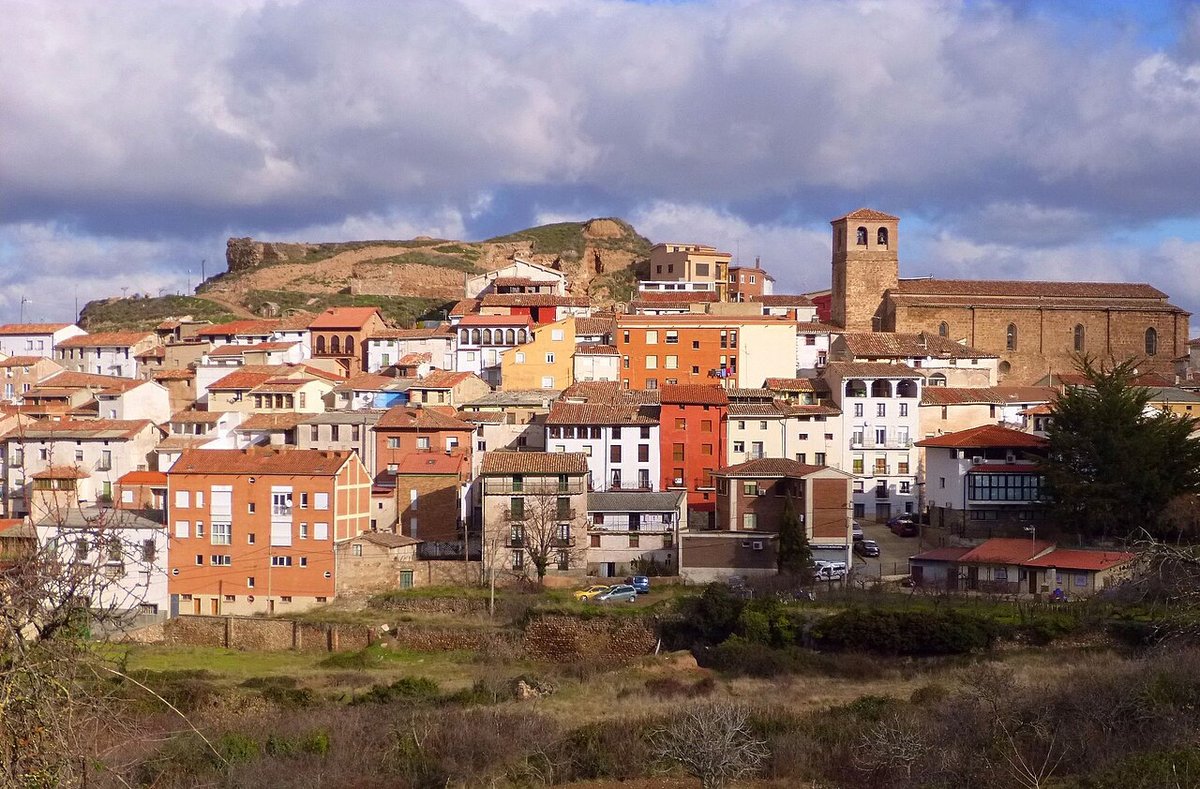
Albelda de Iregua sits a few kilometres from Logroño, in the fertile plain known as the vega del Iregua. Here, farming and food production have grown side by side for decades. Fields and processing plants coexist without much separation, and the rhythm of agricultural work shapes everyday life.
The monastery that left its mark on history
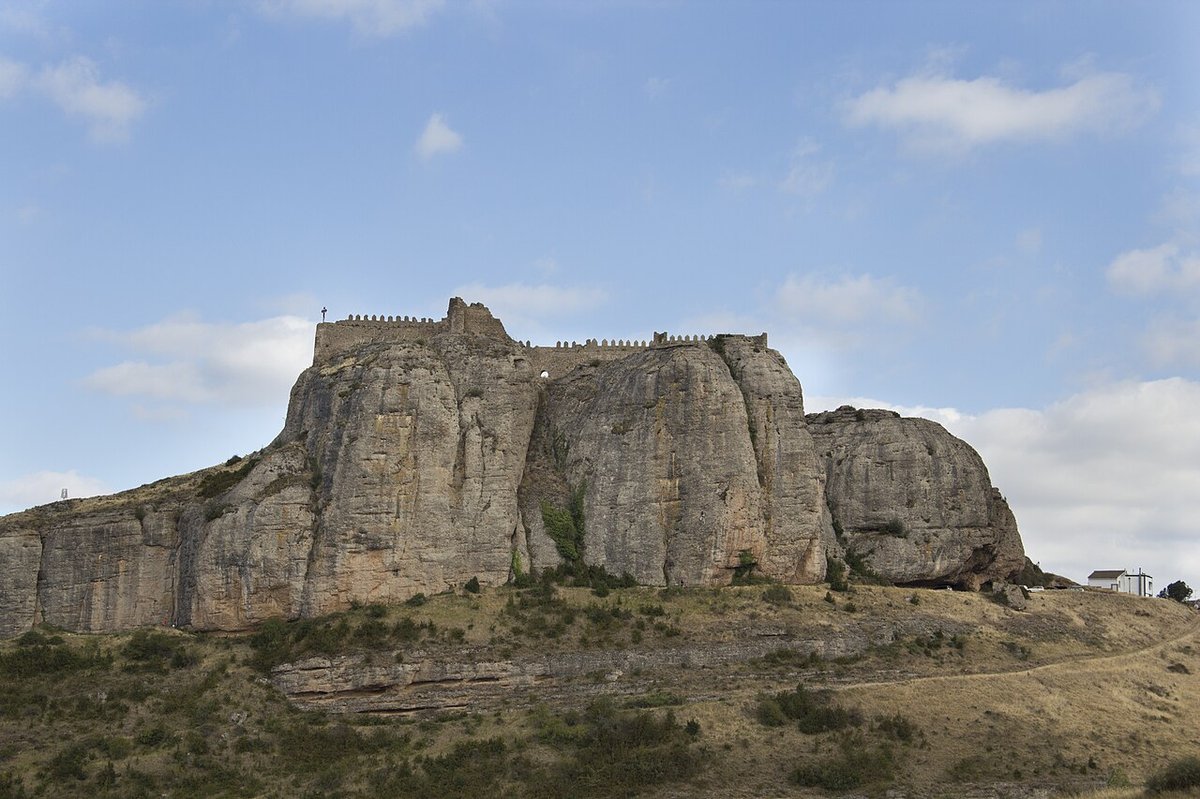
Around two kilometres from the town centre, the ruins of the monastery of San Martín rest directly against the limestone rock of a hill. The monastery was founded in the 10th century during the reign of Sancho Garcés I. For centuries it was one of the most active cultural centres in medieval La Rioja.
This is where the Códice Vigilano was produced, a manuscript known for including one of the earliest representations of Indo-Arabic numerals in western Europe. That detail alone gives a sense of how far the influence of this small place once reached.
The setting still feels secluded. Several caves carved into the hillside served as an eremitic retreat for monks. Today, a circular path loops around the hill and passes beneath the remains of the church, leading visitors to these caves. From the top, the reasoning behind the monastery’s location becomes clear. The Iregua valley stretches out in full view, with cultivated land spreading towards Logroño.
In the opposite direction, less than a kilometre away, stands the Visigothic chapel of Las Tapias. This small 7th-century building was identified at the start of the 20th century. Fragments of mural painting have survived, helping to place the importance of this natural corridor between the Ebro valley and the nearby mountains.
Local tradition adds another layer. Some accounts suggest that one of the earliest documented pilgrims to Santiago de Compostela set out from here, although this detail does not always appear in standard Camino guides.
A Jewish quarter that travelled far
Between the monastery and the medieval town lay the Jewish quarter, known as the judería. It is documented from at least the 10th century and remained active until the late 15th century. Several dozen families are thought to have lived here, concentrated along a single street whose outline can still be recognised today, even if the current buildings are later.
The name Albelda appears in Hebrew texts from across the Mediterranean in the early modern period. One of the most frequently cited figures is Moisés Albelda, a 16th-century biblical commentator. His work circulated in manuscript form and is now preserved in specialised libraries.
It is one of those cases where the name of a small town travels much further than expected, carried through scholarship rather than geography.
The working landscape of the Iregua plain
The vega del Iregua is one of the most recognisable areas of intensive farming in La Rioja. Its appearance shifts with the seasons. In spring, ridges of white asparagus emerge from the soil. Soon after come strawberries grown under plastic covers. By summer, fruit trees fill much of the valley.
A large share of the produce passes through cooperatives and food processing companies across the region. Nearby canning factories have worked with these fields for decades, so the movement of lorries and crates of fresh produce is part of the daily scene.
On the edge of the town runs the Senda del Iregua, a path that follows the course of the river. From here, a straightforward stretch connects Albelda with Nalda. It is flat and widely used by locals for walking and cycling. Spring and autumn are particularly appealing, when agricultural activity is at its peak and the valley feels most alive.
Traditions tied to the land
The local calendar remains closely linked to the agricultural cycle. At the end of April, the romería of San Prudencio takes place. San Prudencio is the patron saint of La Rioja, and on this day many residents head up towards the sanctuary carrying food and wine to spend the day outdoors.
In October, the Fiesta de la Acción de Gracias marks the traditional end of the farming season. It usually includes religious events alongside displays of agricultural machinery and produce.
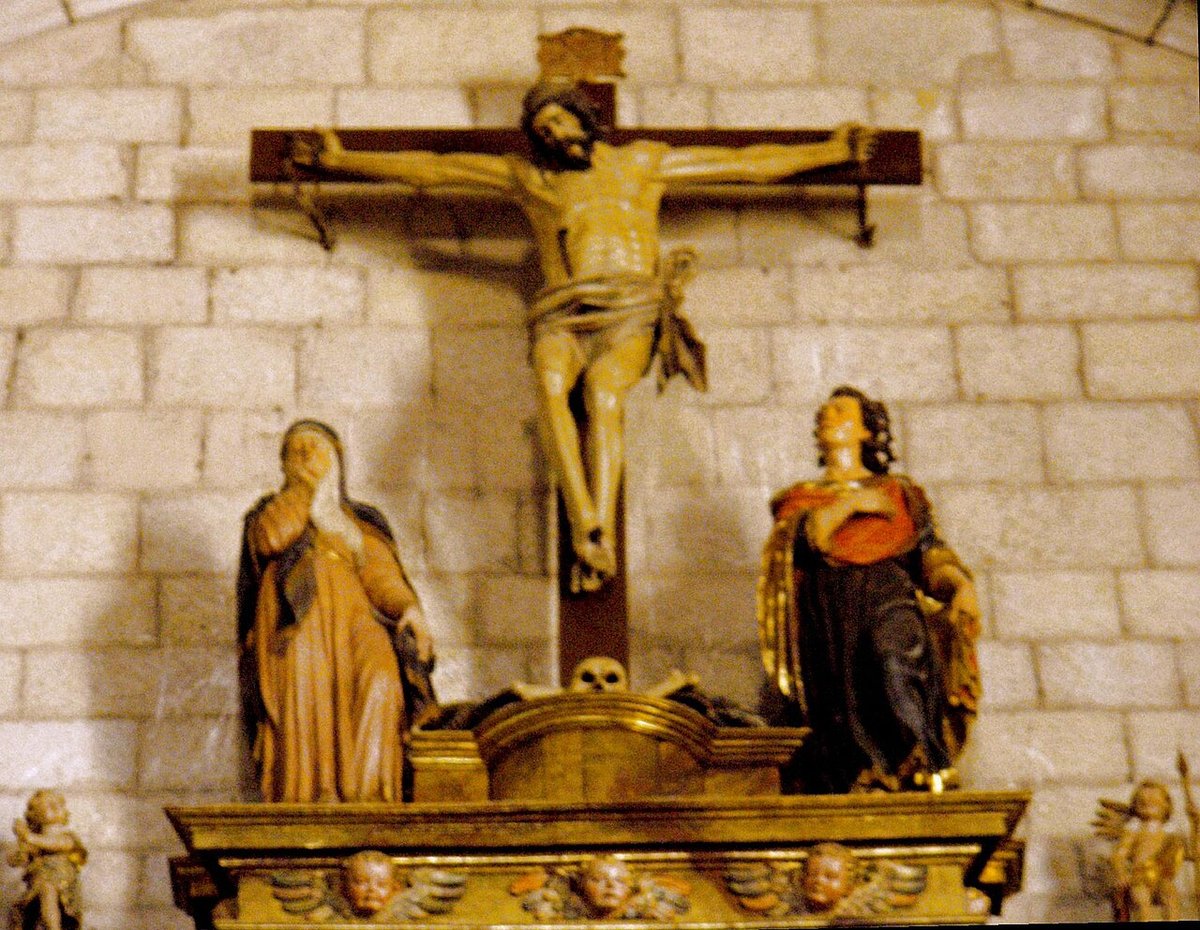
At the centre of the town stands the parish church of San Julián. Much of the current building dates from the 16th century, though later modifications have been made. Inside, a carved wooden Gothic altarpiece has been preserved. The church is modest in scale, but it reflects the historical dimension of the town: a community shaped over centuries by the productivity of its surrounding fields.
Getting a sense of place
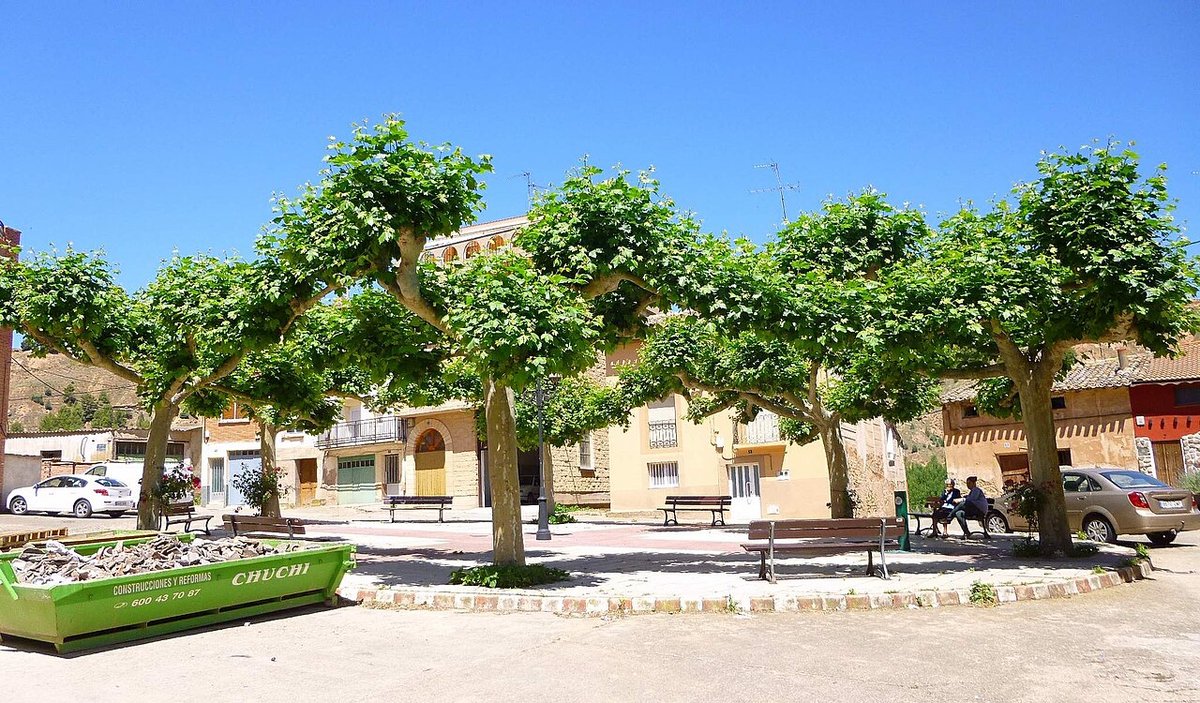
Albelda de Iregua lies about ten minutes by car from Logroño via the Autovía del Camino. An interurban bus route also passes through, linking several villages in the valley.
The town itself can be explored quickly on foot. To understand it more fully, it makes sense to look beyond the streets and towards the surrounding landscape, where agriculture, history and everyday life continue to overlap.