Full Article
about Alberite
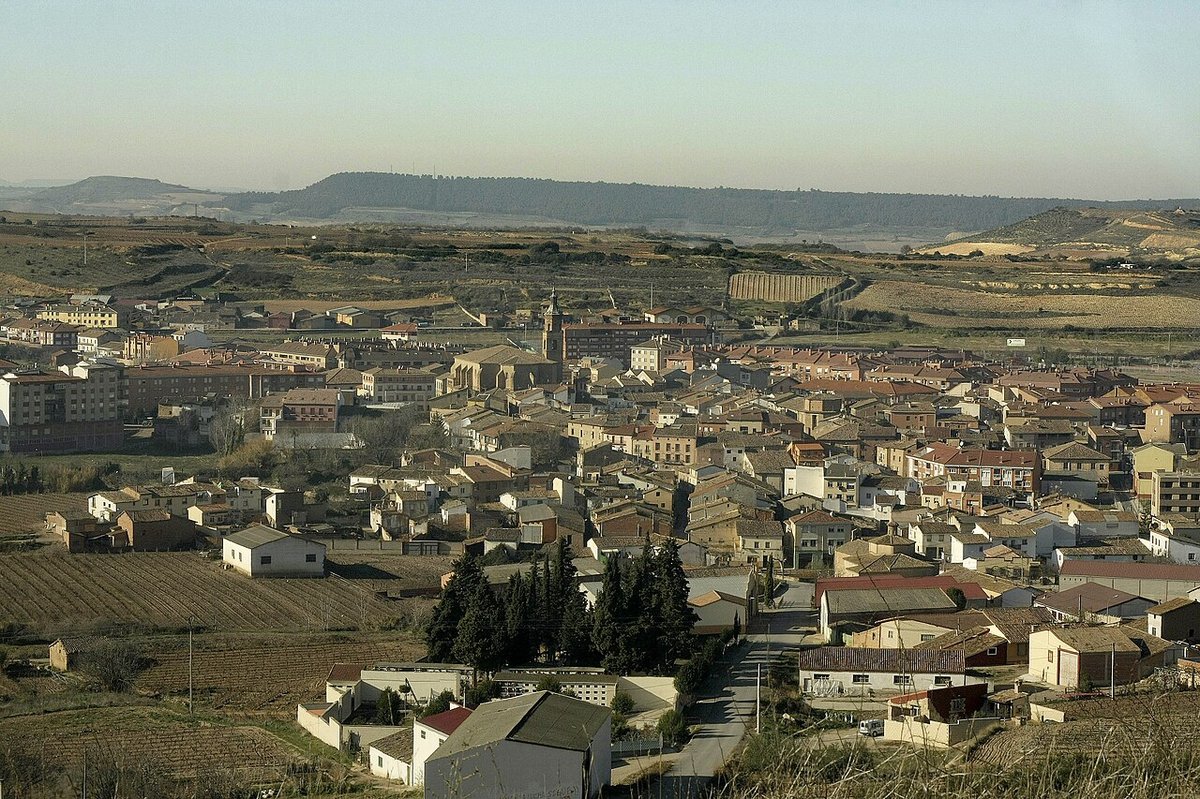
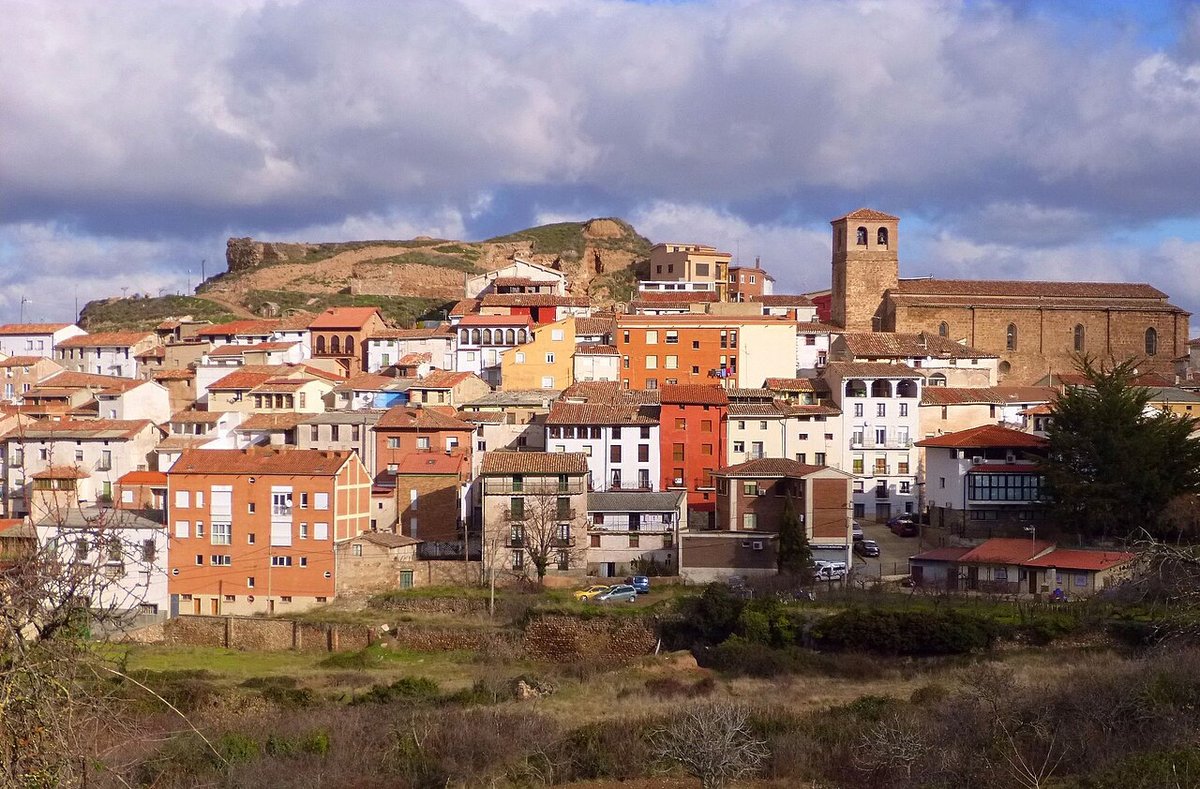
A municipality very close to Logroño with a strong agricultural character and residential services; its Mudéjar tower stands out.
Hide article Read full article
A place where the chuletón sets the tone
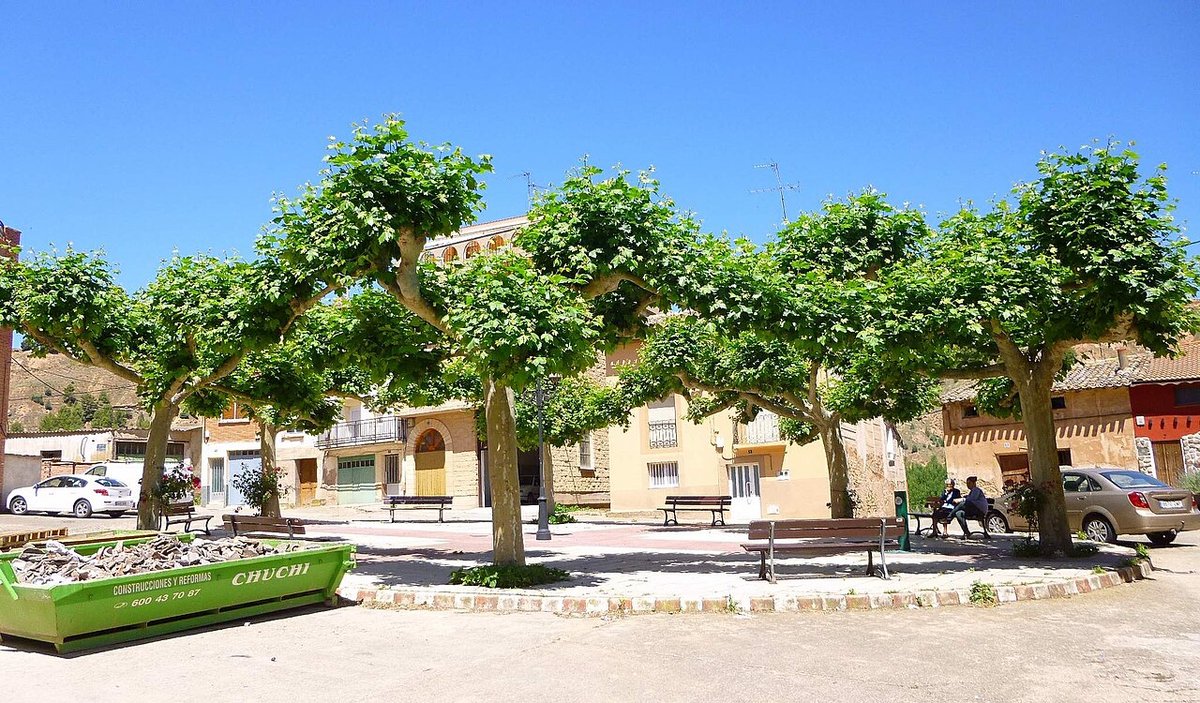
Mention Alberite and sooner or later the conversation turns to chuletón, the thick-cut T-bone steak that carries serious weight in La Rioja. It has a way of commanding attention. In the village square, the smell of vine shoots on the grill drifts through the air, and talk can suddenly pause when a particularly good cut arrives.
That reaction says a lot about the place. Food here is not rushed, and it is rarely just fuel. It is something that gathers people, slows everything down and sets the rhythm for the day.
Seven kilometres from the centre of everything
Alberite sits very close to Logroño, close enough that many people treat it almost as a residential extension of the city. The distance is short. By car it takes very little time, and some people even walk or cycle back and forth along the route that follows the Iregua river.
Despite that proximity, the atmosphere shifts once you step into the old part of the village. Life revolves more around the surrounding market gardens and the bars where farmers start their day early. Very early. It is common to see people with coffee and a substantial plate of food before sunrise has properly settled in. For many, work began long before six.
One of the liveliest moments in the year comes in September during the Fiesta de la Sardina. The celebration usually spills out into the streets, with grills set up outdoors and groups gathering around the fire. Sardines cook in circles of people, bread passes from hand to hand, and the whole scene feels informal and shared. It is the kind of occasion where people eat standing up and leave with the smell of smoke lingering in their clothes.
A tower that was never quite a castle
The Torre de San Martín, also known as the Torre de Doña Urraca, hints at a deeper past than the village first suggests. It is not a full castle, but a defensive tower that has endured through the centuries.
Stories gather around it. Some locals speak of a tunnel that supposedly ran from the tower to the hill of El Castillar. That hill once held a medieval settlement which was destroyed in the 11th century during campaigns led by Rodrigo Díaz de Vivar in the area. The tunnel story circulates easily, although not everyone takes it at face value. There are those who recall relatives searching for it for years, only to find what looked more like an old conduit than a hidden passage.
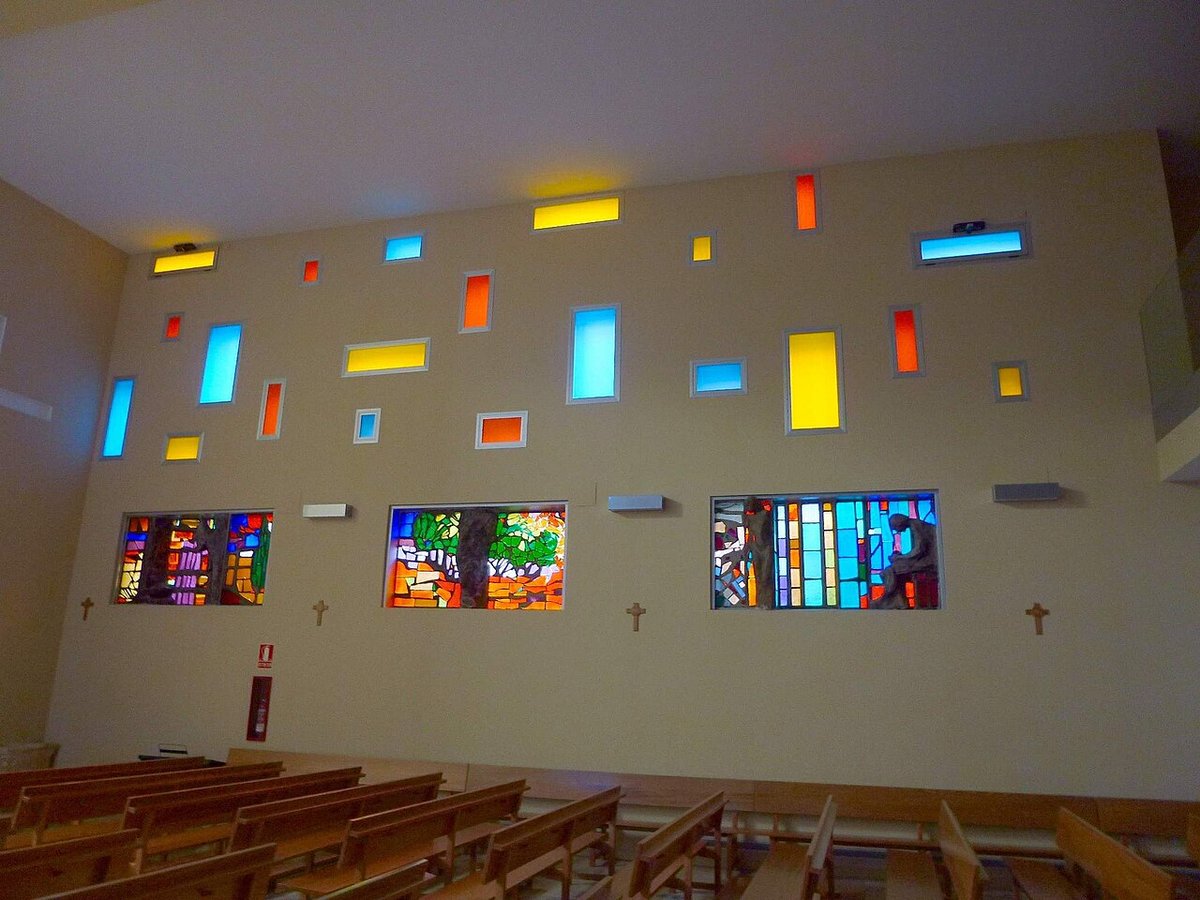
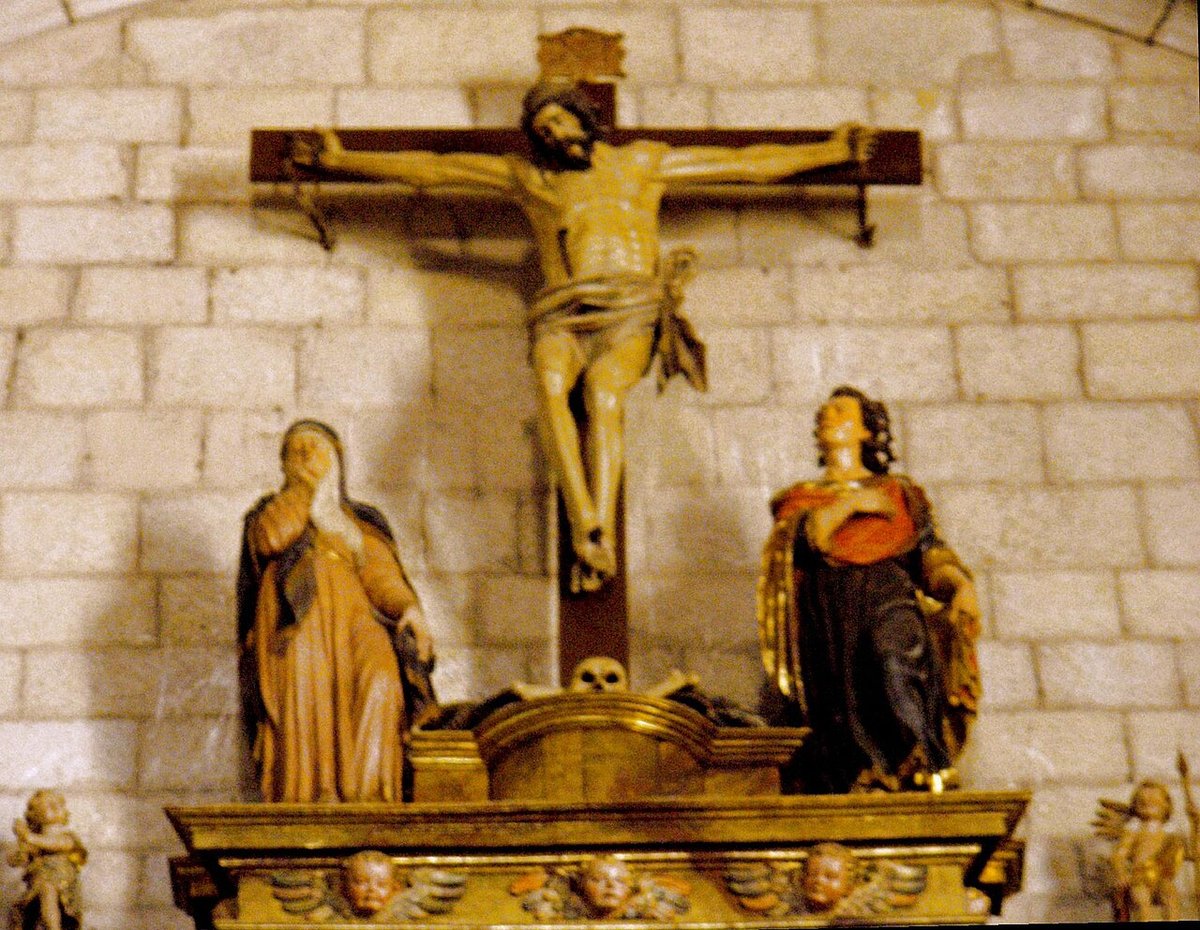
Right next to the tower stands the church of San Martín. It does not impress through size, yet it carries the quiet atmosphere typical of small village churches, with the scent of wood and wax lingering inside. On a weekday, it is often empty. Sundays bring a different feel, with mass and a stronger sense of local parish life rather than occasional visitors.
The Iregua, constant and close
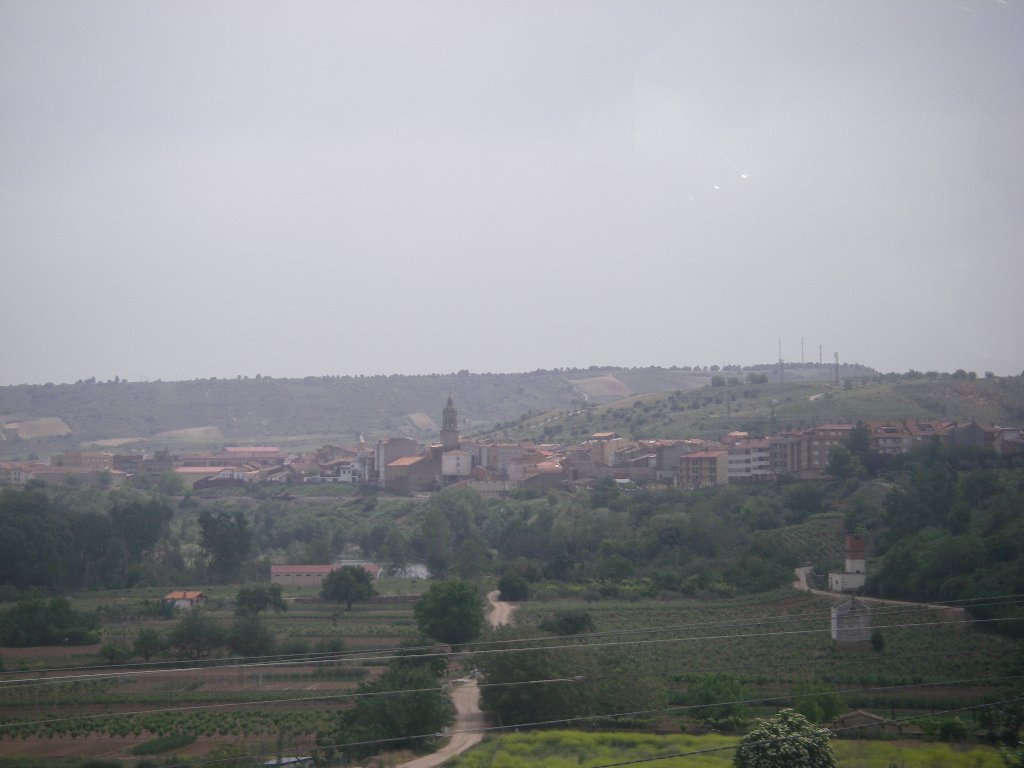
The Iregua river shapes Alberite more than anything else. The village sits closely alongside it, and many walks begin at its banks.
One of the main routes is the Vía Verde del Iregua, a greenway that follows the river towards Logroño. It is a long and relatively easy path, suitable for walking or cycling, with stretches of shade and the steady sound of water nearby. People often use it as a simple plan for the day: leave Alberite on foot, follow the river, reach Logroño, and then return at an unhurried pace.
For a shorter option, the route towards Albelda runs through the Iregua park. This walk is more modest in length and is a common choice among locals heading out for an afternoon stroll.
Wine below ground level
Wine culture in Alberite does not centre on large visitor facilities or structured tours. Instead, much of it survives in traditional bodegas tucked beneath houses, either dug into the ground or adapted over time.
Some families still make wine for their own consumption, continuing practices passed down through generations. Stepping into one of these spaces brings an immediate sensory shift: damp earth, wood, and the unmistakable scent of must. There are no polished displays or explanatory panels. What you find instead are barrels, old tools and someone explaining how their grandfather used to do it.
At certain times of year, particularly during festivals or wine-related events, some of these bodegas open their doors. Visiting them offers a different perspective on Rioja wine, one rooted in daily life rather than tourism.
Come hungry, take your time
Alberite does not rely on large monuments or dramatic viewpoints. It makes more sense without a tight plan. A visit works best when you arrive, find somewhere to park, and start walking.
The streets near the square are a good place to begin. From there, it is easy to drift towards the river and follow the path for a while. Sit on a bench and the village reveals itself gradually: people out walking their dogs, cyclists heading towards Logroño, older residents chatting about the day.
Food naturally becomes part of the rhythm. Meals tend to be simple in structure but generous, often stretching into long conversations at the table. Chuletón appears often in those conversations, though it is far from the only option. In colder weather, traditional Rioja spoon dishes also take their place.
Alberite does not try to impress. It sits only minutes from Logroño, yet moves at its own pace. That difference is precisely what draws people back.