Full Article
about Alcanadre
Town on the Ebro with farming roots, known for its Roman aqueduct and caves.
Hide article Read full article
An Unhurried Arrival
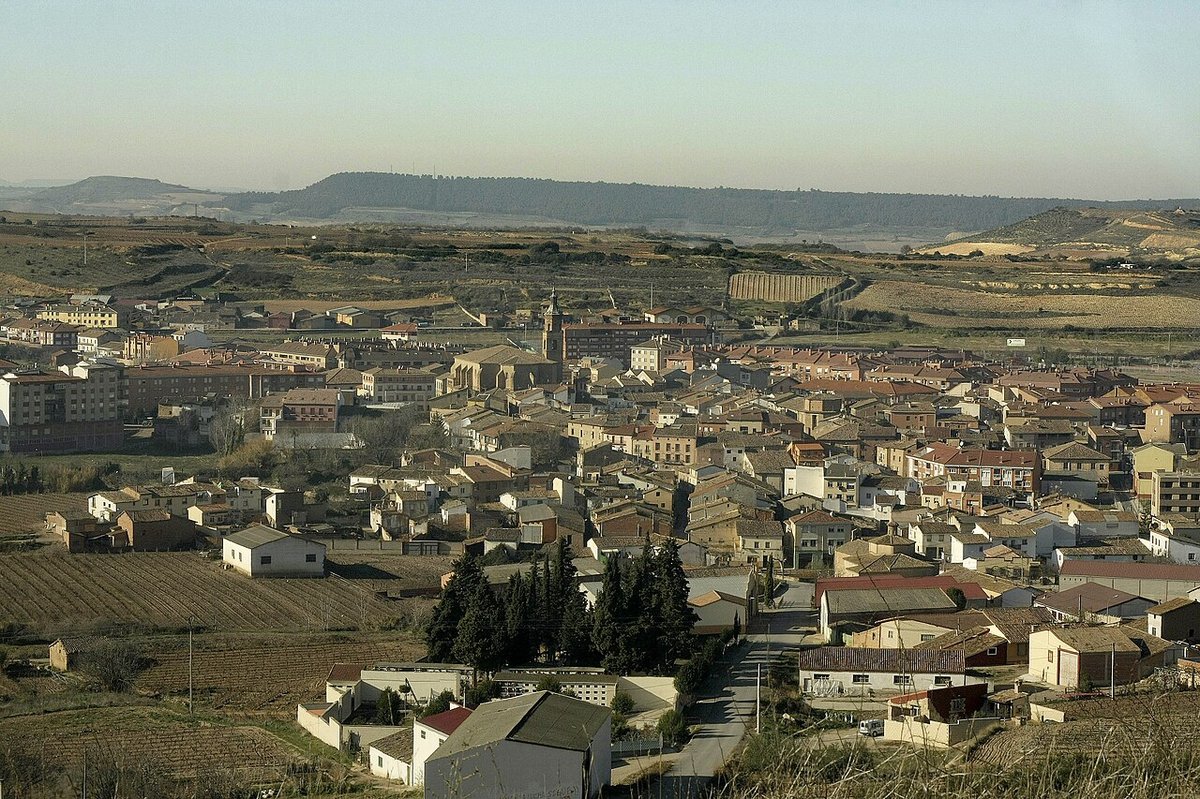
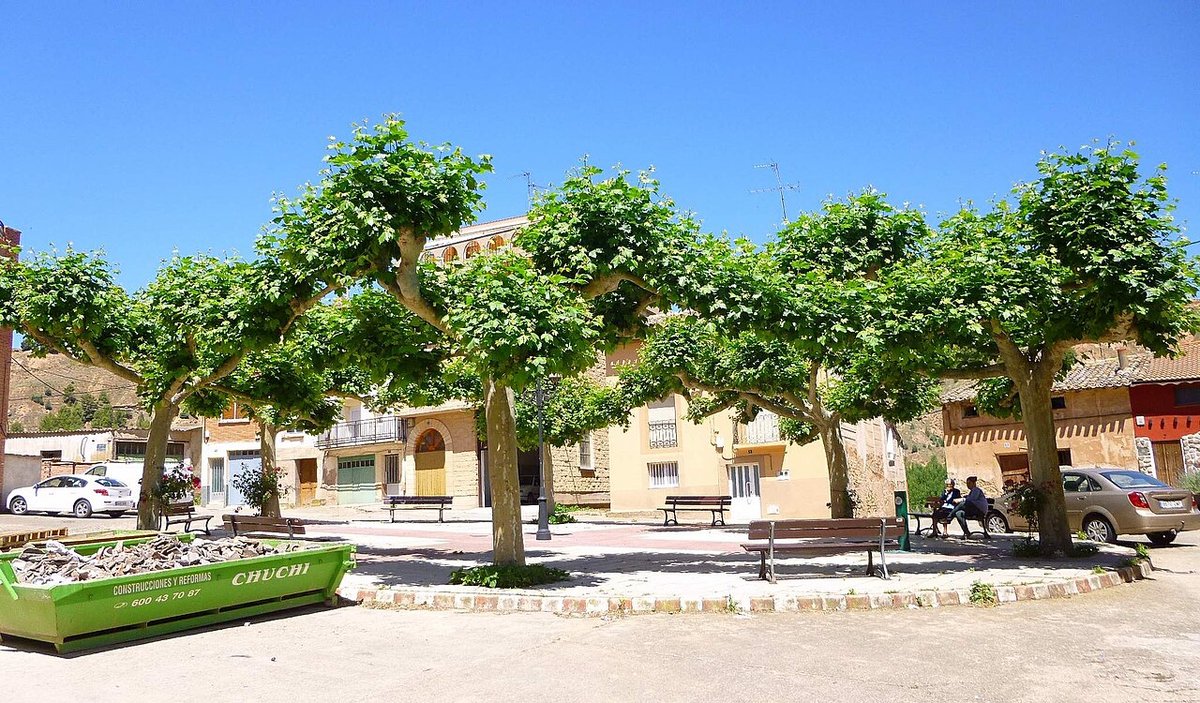
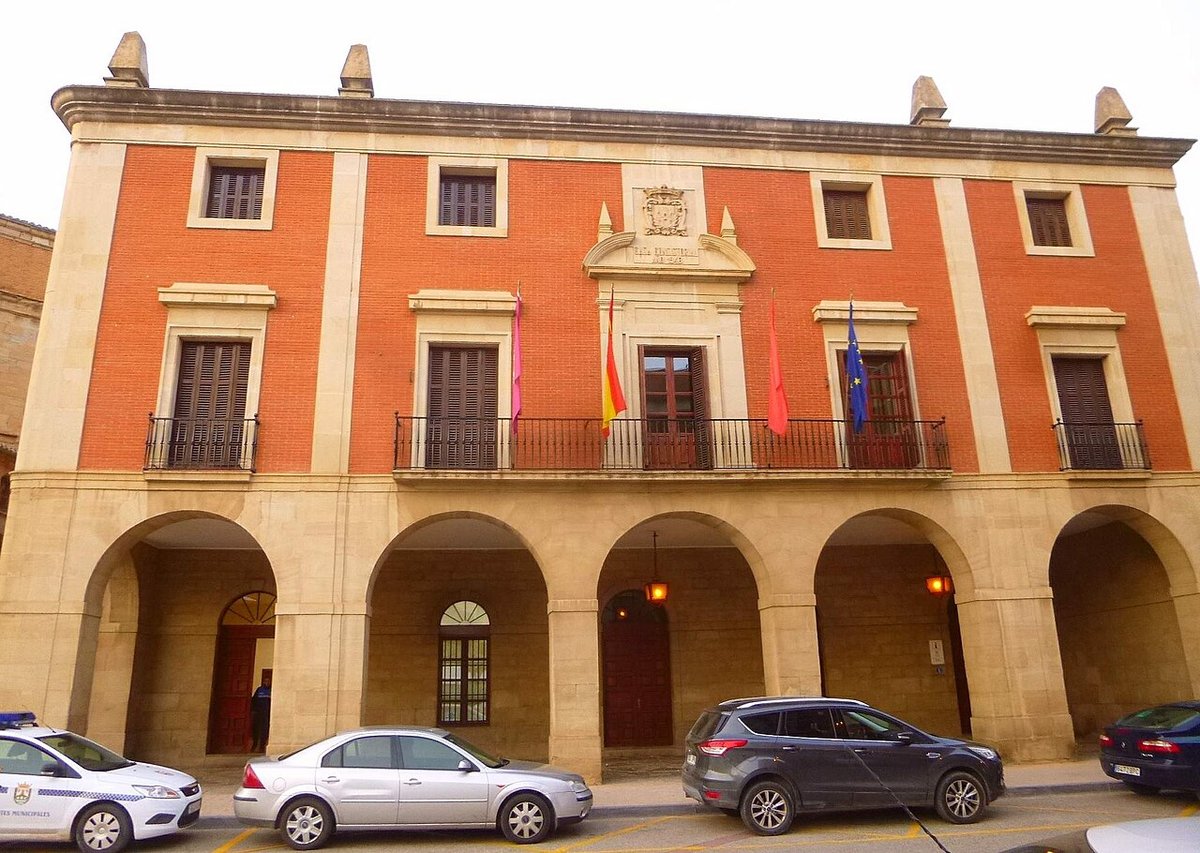
In the early afternoon, when the sun falls sideways across pale stone, the square of Alcanadre grows almost silent. A door closes somewhere, a car passes slowly, and little else breaks the stillness. Tourism in Alcanadre begins like this, at an unhurried pace, wandering without a fixed plan through short streets that eventually turn their gaze towards the River Ebro.
The village is small and can be explored easily in a short time. Yet it rewards attention. Old iron window grilles, worn coats of arms on façades, heavy wooden doors that have endured many winters. Nothing demands to be photographed, but details accumulate as you walk.
Alcanadre sits in La Rioja, a region widely associated with wine. Here, however, the first impression is not of cellars or tasting rooms, but of stone, quiet corners and the rhythm of a place shaped by the land around it.
The Church of San Miguel Arcángel
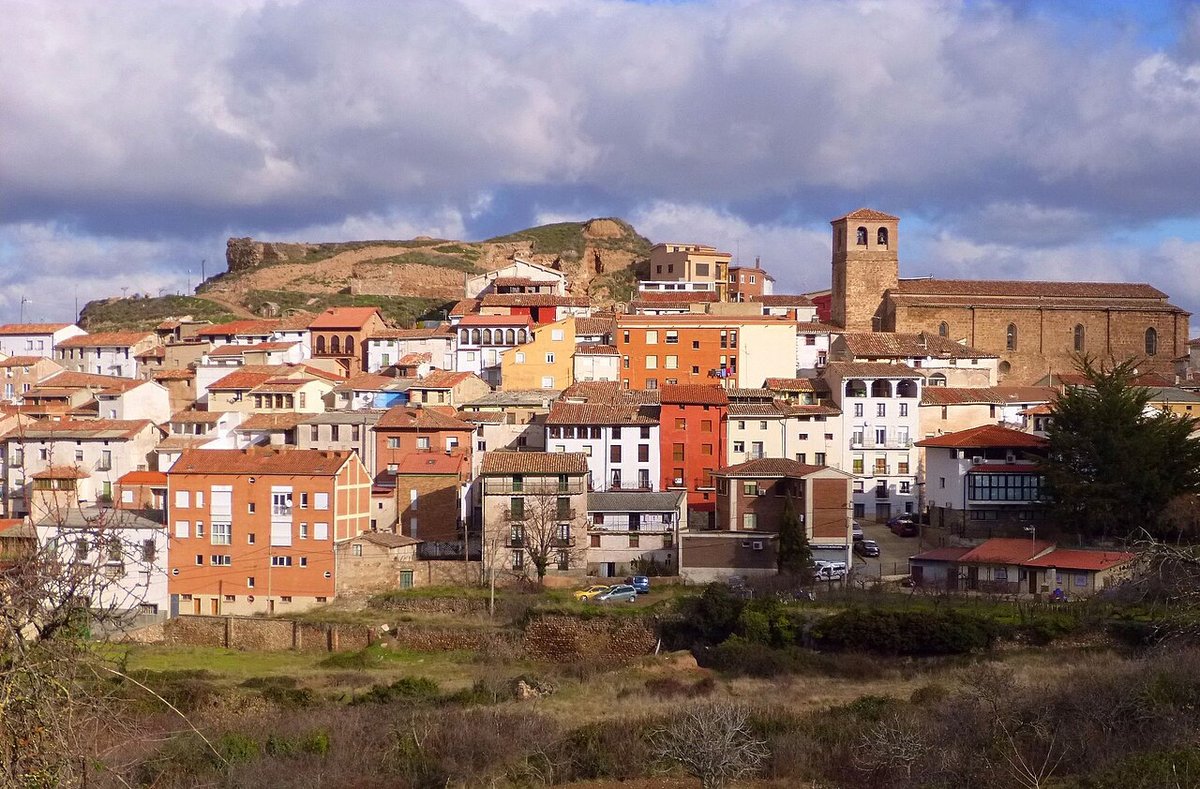
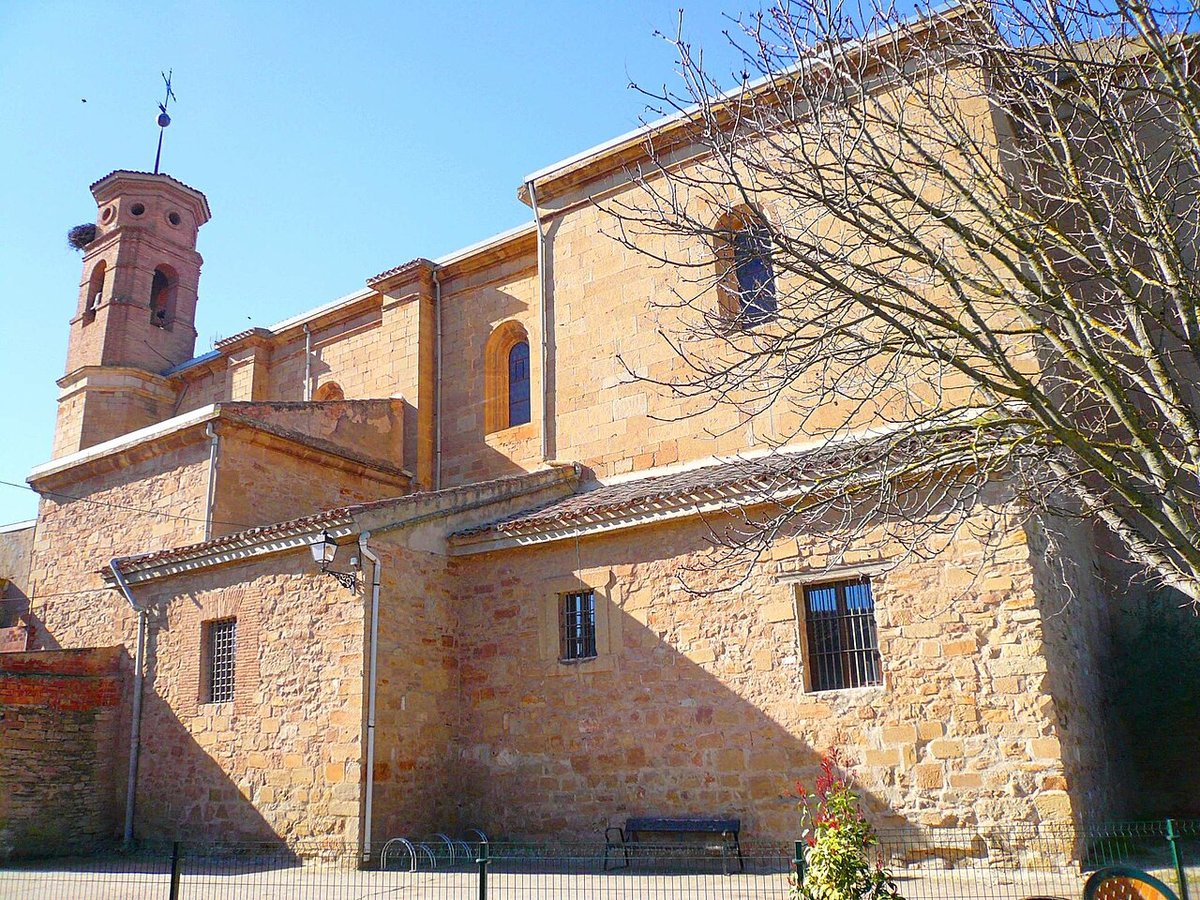
The Iglesia de San Miguel Arcángel rises among the houses with solid presence, built in thick stone. Parts of the structure date back to the Middle Ages, although it has been altered over the centuries. On the façade there is a carved coat of arms that can easily be missed if you arrive in a hurry.
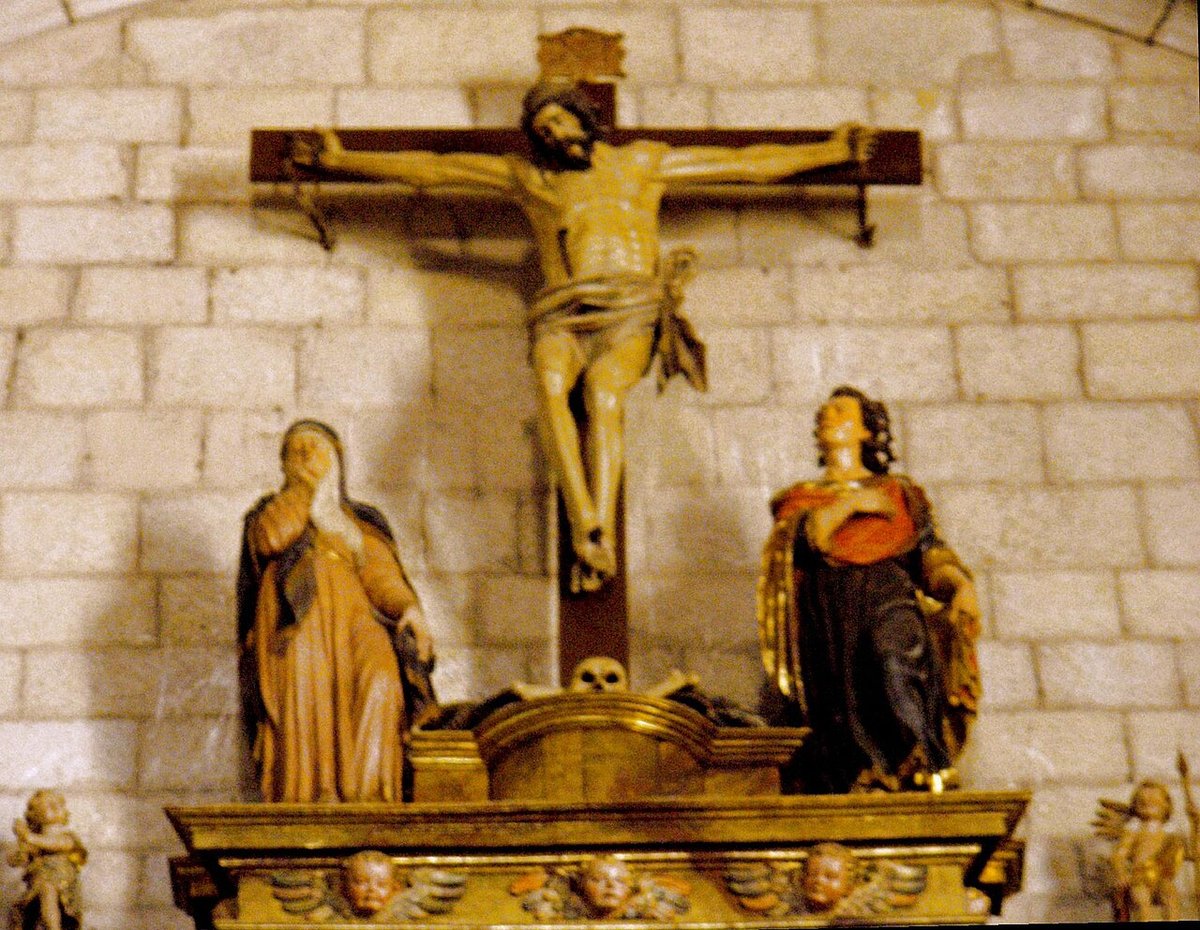
When the door is open, soft light filters through the high windows. Inside, attention usually turns to the Baroque altarpiece and to the image of the patron saint, San Miguel, where traces of original polychrome can still be made out on closer inspection.
It is not always possible to step inside. The church is generally accessible during religious services or at certain moments of the day, so it is worth asking locally if you are keen to enter. That sense of uncertainty is part of visiting a small working village rather than a monument set to a timetable.
Streets Sloping Down to the Ebro
Several streets lead away from the square, descending gradually towards the riverbank. They are short stretches lined with fairly austere stone houses. Many have wrought-iron balconies and wide eaves that cast shade over the pavement.
Family coats of arms appear on some façades. They point to a past closely tied to the land, to vineyards and to vegetable plots. There are no grand palaces or monumental buildings. What draws the eye lies in smaller things: a wall subtly bowed by time, an old door with flaking paint, the smell of firewood in winter.
The River Ebro, one of Spain’s great rivers, runs beyond these streets. At certain points the view opens out and the valley comes into sight, the river resting at the bottom. The sound of water sometimes carries upwards, mingling with the distant noise of a tractor at work.
Vineyards on the Valley Slopes
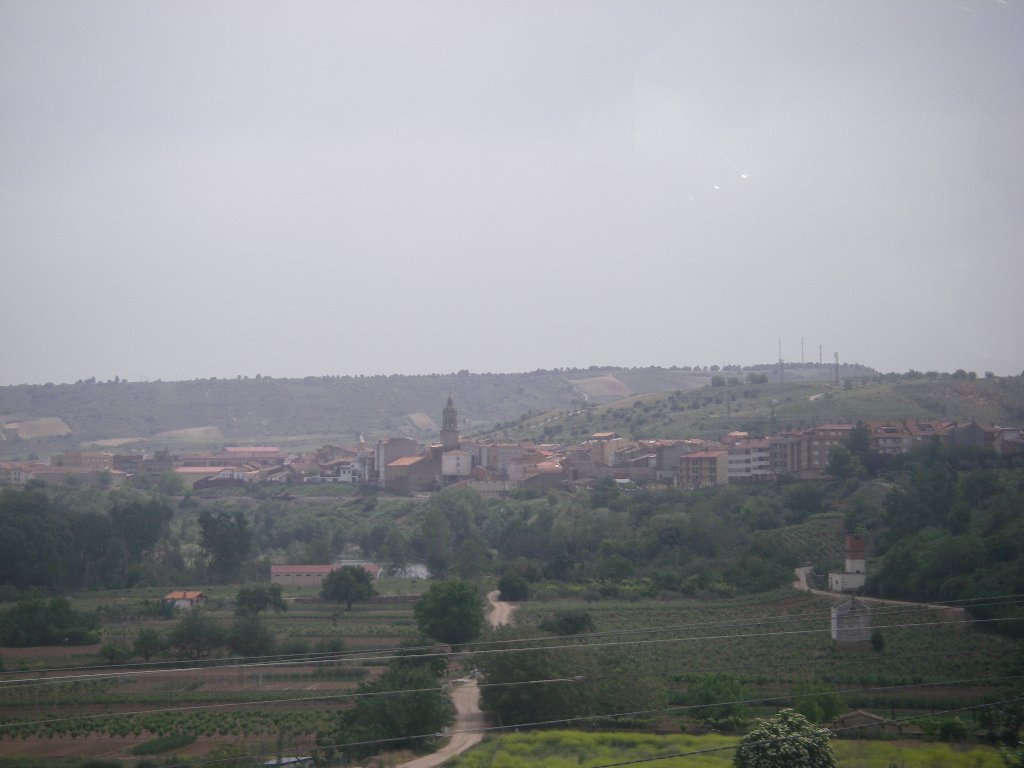
A few kilometres from the built-up centre, vineyards begin to spread across the gentle hills of the Ebro valley. Regular rows of vines cover the slopes in tidy lines that shift with the seasons.
In autumn, the landscape changes colour almost overnight. Yellows, reds and copper tones appear against the dry soil. In summer, darker green leaves dominate, and the dust of the tracks hangs lightly over the fields.
From some of the higher points, with little in the way of signposting, there are broad views across the valley. The river lies in the distance, and on quieter days its presence is sensed more than seen. The setting remains agricultural rather than arranged for visitors.
Those with an interest in wine often ask about family-run wineries in the area. Many work at their own pace, closely linked to the cycle of the vine, and do not always keep fixed visiting hours. The relationship between village and vineyard feels practical and ongoing rather than staged.
Walking the Farm Tracks
Around Alcanadre, several dirt tracks branch out from the village. Farmers use them to reach vineyards and cultivated plots, and they also serve as simple walking routes. The terrain is mostly flat and straightforward, running between vines and fields.
Shade is scarce, particularly in summer. It makes sense to walk early in the day or towards evening, when the heat eases. Carrying water proves more useful than expected when the sun falls directly over open ground.
After rain, some stretches become heavy with mud. When the earth is dry, by contrast, the surface hardens and progress is easy. There is no elaborate infrastructure, just agricultural land that can be crossed with a bit of common sense.
These tracks offer a way to understand how closely Alcanadre is tied to its surroundings. The village does not sit apart from the fields. It is woven into them, connected by paths that have been used for generations.
Festivals and the Rural Calendar
The rhythm of the year in Alcanadre remains closely linked to the countryside. Harvest time, the vendimia, brings increased activity in late summer or early autumn, depending on the year. During those weeks, there is more movement along the tracks and among the vines.
The patron saint festivities are traditionally held at the end of September in honour of San Miguel. They usually include religious events and popular activities in the streets. The atmosphere shifts as neighbours gather, and the square that can seem so quiet in the afternoon fills with conversation and sound.
In summer, there are also celebrations connected to the Virgen del Carmen. The mood varies from year to year, depending on local participation. As in many small Spanish villages, the scale of festivities reflects the involvement of the community itself.
When to Visit Alcanadre
Autumn is often a good time to come. The changing colours of the vineyards alter the appearance of the valley, and the air no longer carries the weight of August heat.
Summer can be intense during the central hours of the day. The most pleasant moments arrive towards evening, when the light softens and the streets fill again with people stepping outside for fresh air.
Alcanadre does not require long. Half a day is enough to walk through the centre and venture onto the tracks that look towards the Ebro. What remains in the memory are not grand monuments, but the blend of stone, open fields and valley silence that settles over the village as the afternoon fades and calm returns.