Full Article
about Arrúbal
Industrial and farming municipality near the Ebro; it has a major industrial estate and nearby Roman remains.
Ocultar artículo Leer artículo completo
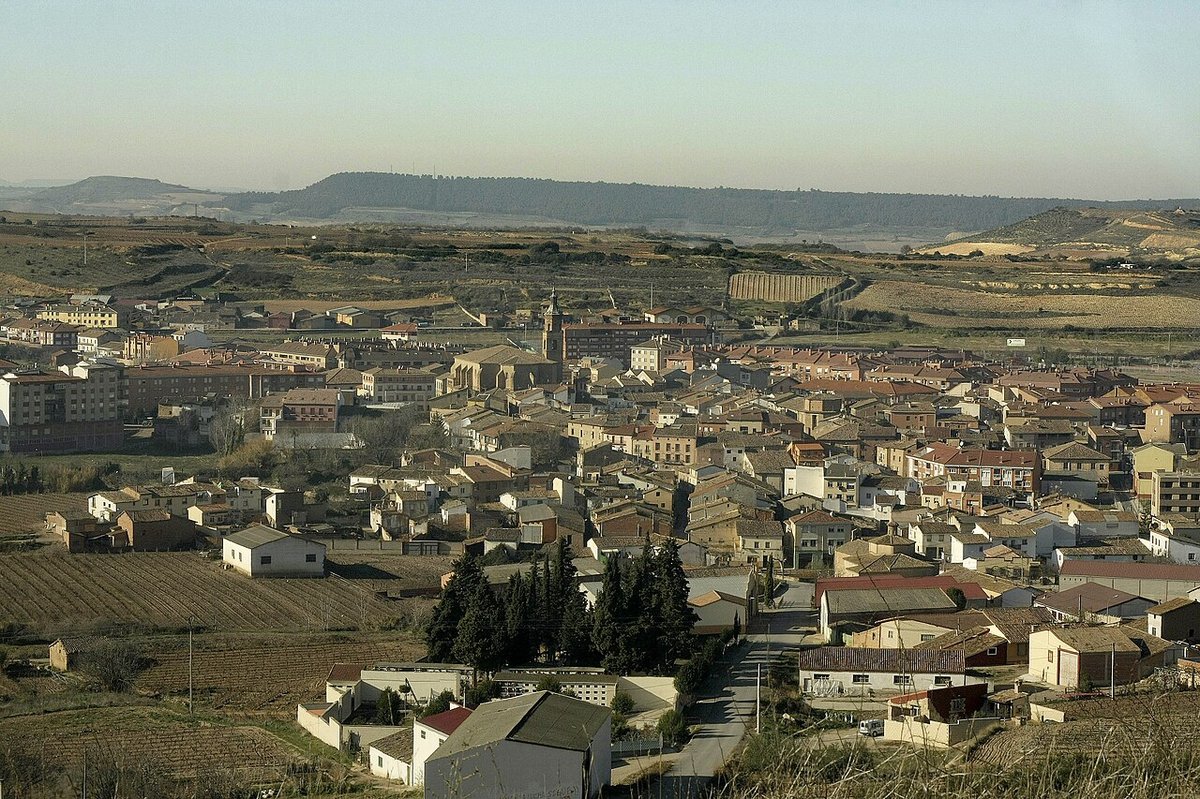
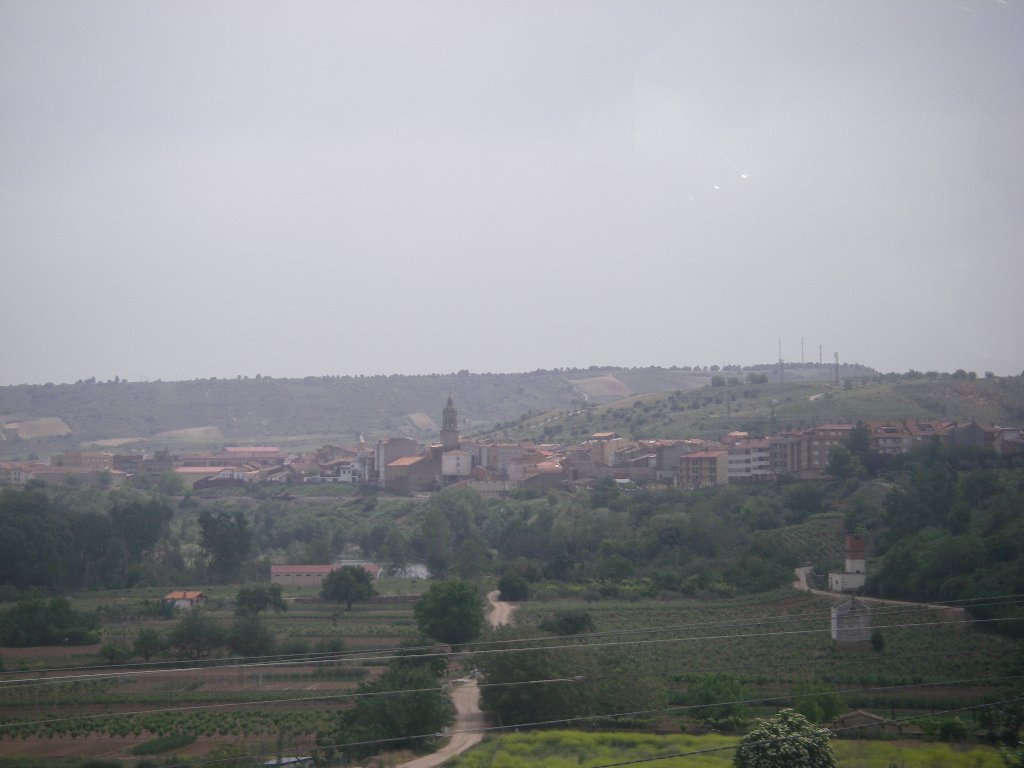
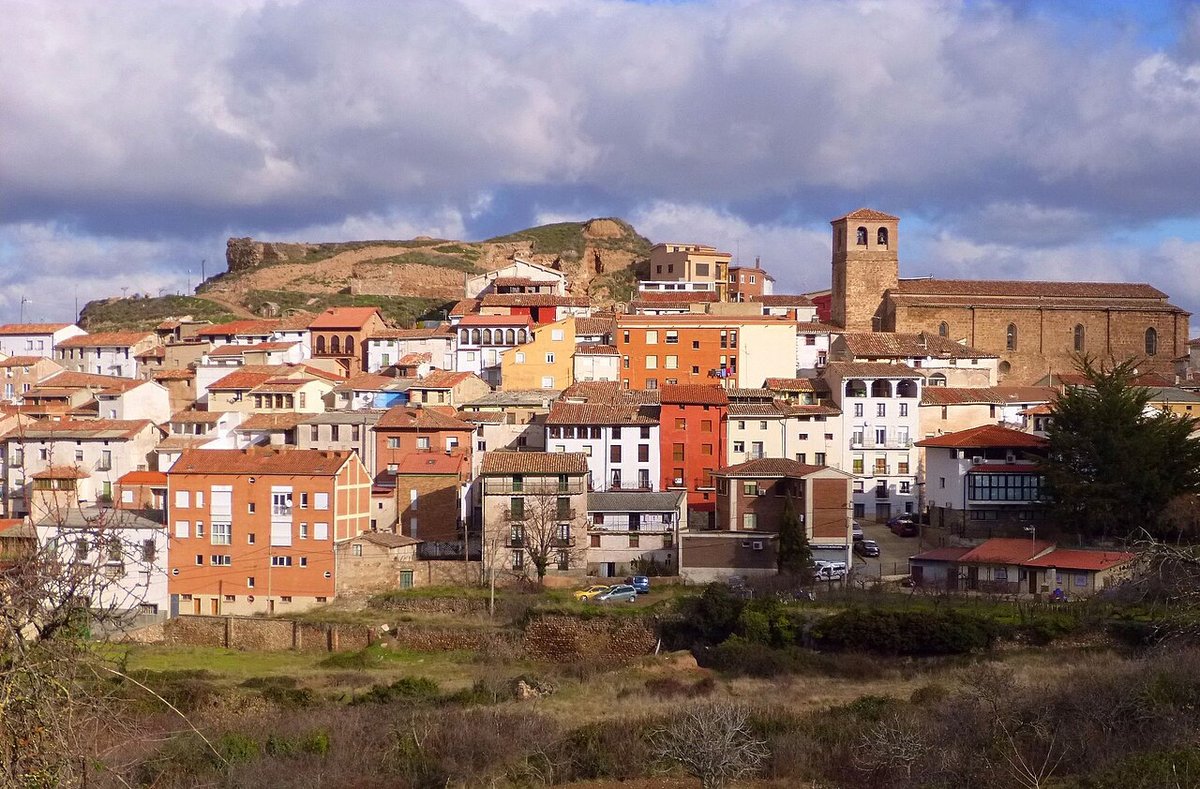
The church bell strikes eleven and the only other sound is a tractor turning into a field of young tempranillo. Arrubal, 25 minutes south-east of Logroño, doesn’t announce itself with drama; it simply lets the morning light show off the red soil between the vines and the chalk-white tower of San Martín de Tours. Five hundred and sixty-eight people live here, plus a handful of returning swallows, and the village feels exactly that size: small enough to greet the postman twice, large enough to support one proper bar and a bakery that still closes for siesta.
A grid of wine and brick
The layout is tidy: three parallel streets run down a low ridge, draining towards the Ebro which slides past two kilometres away. Houses are built from the cheapest materials that still cope with Riojan weather – clay brick, rough limestone, the occasional stripe of sandstone around a door. Balconies are for drying laundry rather than posing, and most façades end in a neat rectangle of corrugated roof. The impression is workmanlike, not pretty, yet the proportions are satisfying; every third doorway still carries a stone coat of arms or a 1920s ceramic number plate, proof that someone once cared.
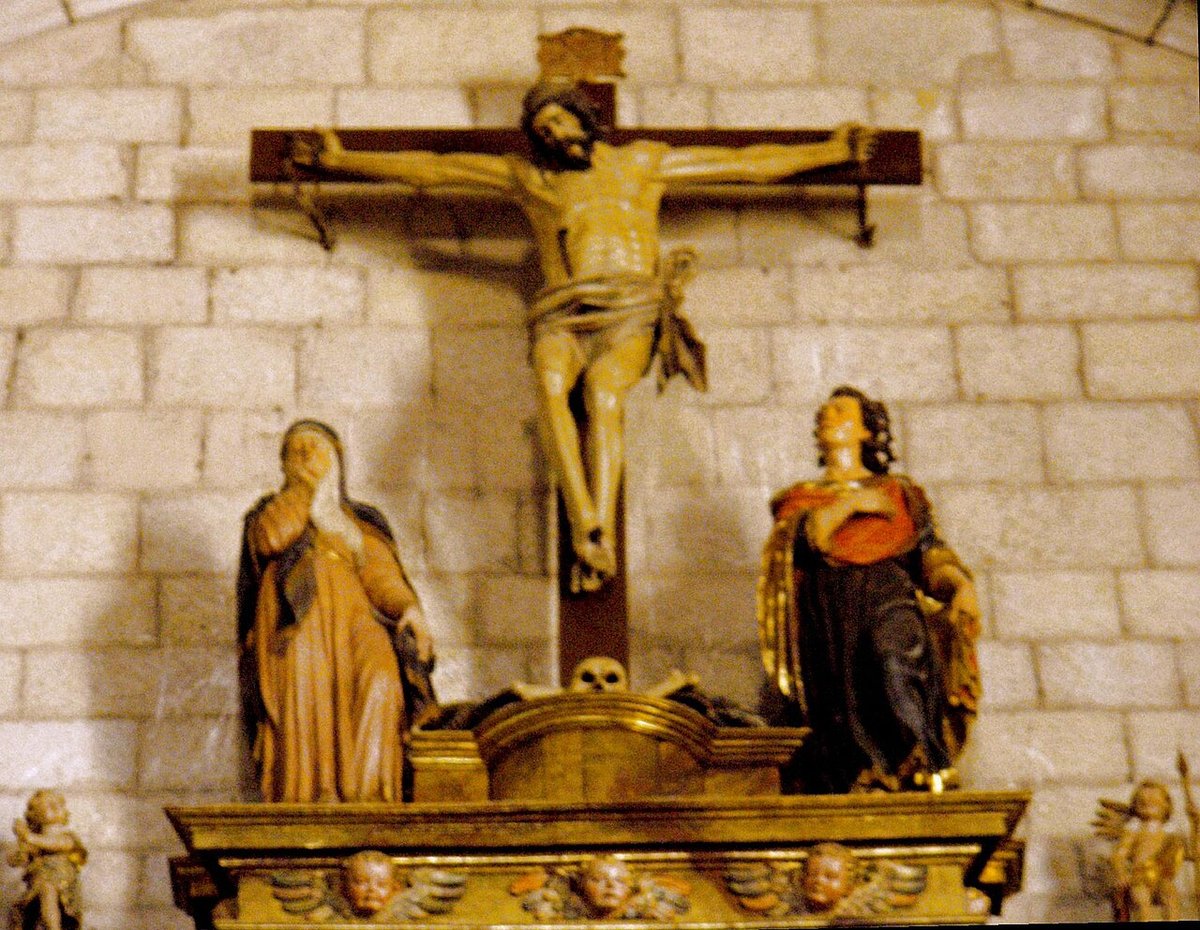
Park on the edge; the interior streets were laid out when donkeys set the width. A slow circuit takes twenty minutes if you resist peering into patios. Half-way along Calle San Martín the church blocks the view like a ship run aground: thick tower, slate cap, ochre render peeling in scales. The door is usually locked – Mass is advertised for Sundays and feast days only – but step into the porch and you’ll find temperature drops of five degrees, welcome in July when the plain holds 38 °C.
Walking the flat between vines
Arrubal sits on the south bank of the Ebro, the river that irrigates Rioja’s most productive vegetable belt. From the last houses a grid of farm tracks heads off across loamy soil, ruler-straight for kilometre after kilometre. There are no waymarks, no elevation profiles, just the occasional hand-painted sign warning “Cuidado con la aspersión” – mind the crop-sprayer. The walking is ridiculously easy; the biggest decision is whether to do a 40-minute loop to the river or keep going until boredom wins.
Head east first. After ten minutes the village is reduced to a pale smudge and the track is flanked by trellised garnacha on your left, alfalfa on your right. Irrigation channels glint with slow water and every fifty metres a concrete hut houses a pump that hums like a fridge. In April the vines are still grey stubs; by mid-May the first cotton-fluff of leaf appears, followed so fast by green corduroy that you can almost watch it grow. September turns the rows into corridors of garnet and the air smells of crushed blackcurrant – harvesters’ white vans appear at dawn, radios competing with cicadas.
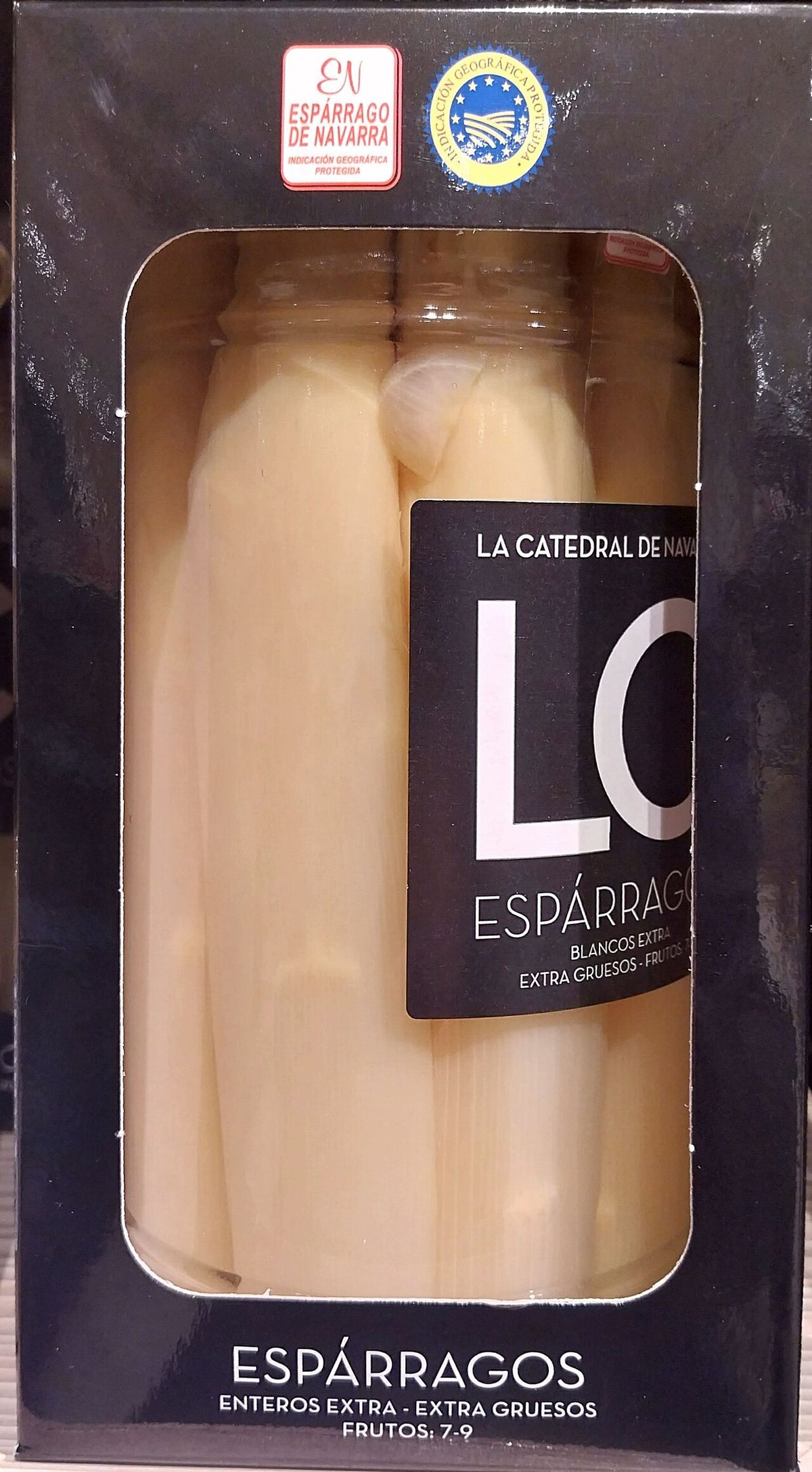
Turn south at the first Y-junction and the soil lightens to chalk. Here the plots belong to smallholders who still bundle their asparagus in the patchy shade of poplars. You’ll meet more dogs than people: lean mastiffs that lope alongside the fence but rarely bark. After another kilometre the track dips, poplars thicken, and suddenly the Ebro slides into view – wide, slow, the colour of builder’s tea. Kingfishers zip across the surface; on the far bank the cliffs of Murillo de Río Leza glow apricot in late light. A sandy spur allows you to reach the water, but swimming is pointless: the current is deceptive and farmers freely admit the agricultural run-off is “nothing you’d want in your ears”.
Lunch without tasting notes
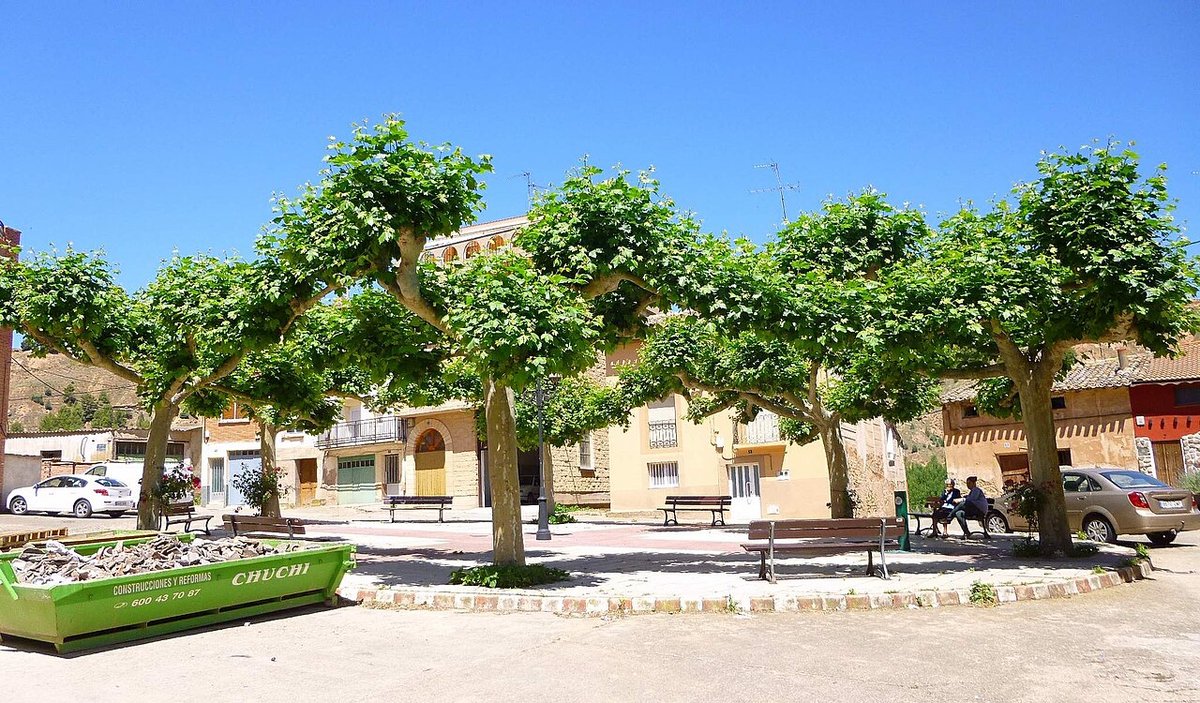
Back in the village, hunger is best solved at Bar Las Palmeras, the only table-service option on Plaza de la Constitución. The menu is laminated and never changes: menestra de verduras (a spring stew of artichoke, pea and asparagus), chuletón al estilo riojano (a 700 g rib steak for two, cooked rare unless you protest), and house red served in a glass that costs €1.80. Locals eat at 14:00 sharp; arrive at 15:30 and the kitchen is mopping the floor. Vegetarians survive on tortilla and piquillo peppers; coeliacs should bring their own bread – the supermarket is tiny and shuts at 13:30.
If you need something smarter, Logroño’s Calle Laurel is 22 km away, a ten-minute dash up the A-12. That same road makes Arrubal doable as a half-day detour from the Camino de Santiago: take the bus towards Calahorra, hop off at the Arrubal crucero, and you can be walking vines before the pilgrims in Logroño have finished their second croqueta.
Seasons that show their teeth
Spring is the sweet spot: almond blossom first, then orchards of white cherry against red earth, temperatures in the low 20s and the smell of wet clay after night rain. Summer is uncompromising – the plain turns into a reflector oven and the village emptes as families head to the coast. Shade is scarce on the farm tracks; carry at least a litre of water per person and start early. Autumn brings colour and the grape harvest, but also thick mist that can sit until noon and reduce driving speeds to a crawl. Winter is surprisingly sharp: the Ebro basin traps cold air and frosts can be -5 °C by dawn, great for photos of iced spider webs, less fun when your hire car refuses to start.
When a short stop is enough
Arrubal won’t fill a weekend unless you’re content to read a book in the plaza and see how many times the bakery can justify “we’ve only got the one loaf left”. Treat it as what it is: a breather between wine cellars, a leg-stretch on the drive back from Bilbao, or a quiet place to stay if Logroño’s fiestas have tripled hotel prices. Book accommodation only if you want the soundtrack of village Spain – church bell, scooter, distant irrigation pump – rather than nightlife. There are no boutique guesthouses; the nearest rooms are in El Cortijo, a working farmstead 3 km out, where €70 gets you a spotless double, a breakfast of churros and coffee, and a Labrador that escorts you to the gate each morning.
Come with modest expectations and Arrubal delivers a concise hit of Rioja life: soil you can crumble between your fingers, vegetables that taste of the river silt they grew in, and the realisation that some of Spain’s most valuable landscape is worked, not worshipped. Stay longer than two hours and you may start counting the cars; stay for lunch and you’ll probably count yourself lucky to have found somewhere still governed by tractors rather than tour buses.