Full Article
about Ausejo
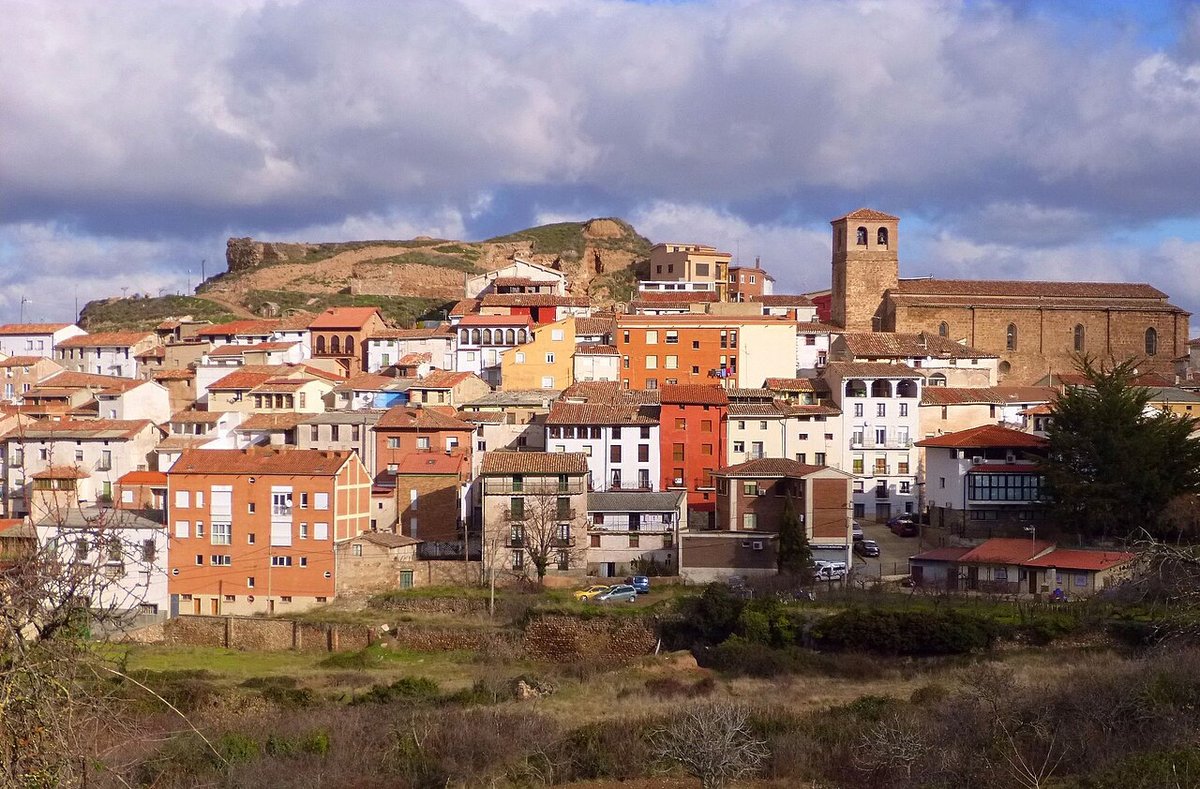
Set on a hilltop with sweeping views; known for its ruined castle and mushroom-growing tradition.
Hide article Read full article
A village shaped by the land
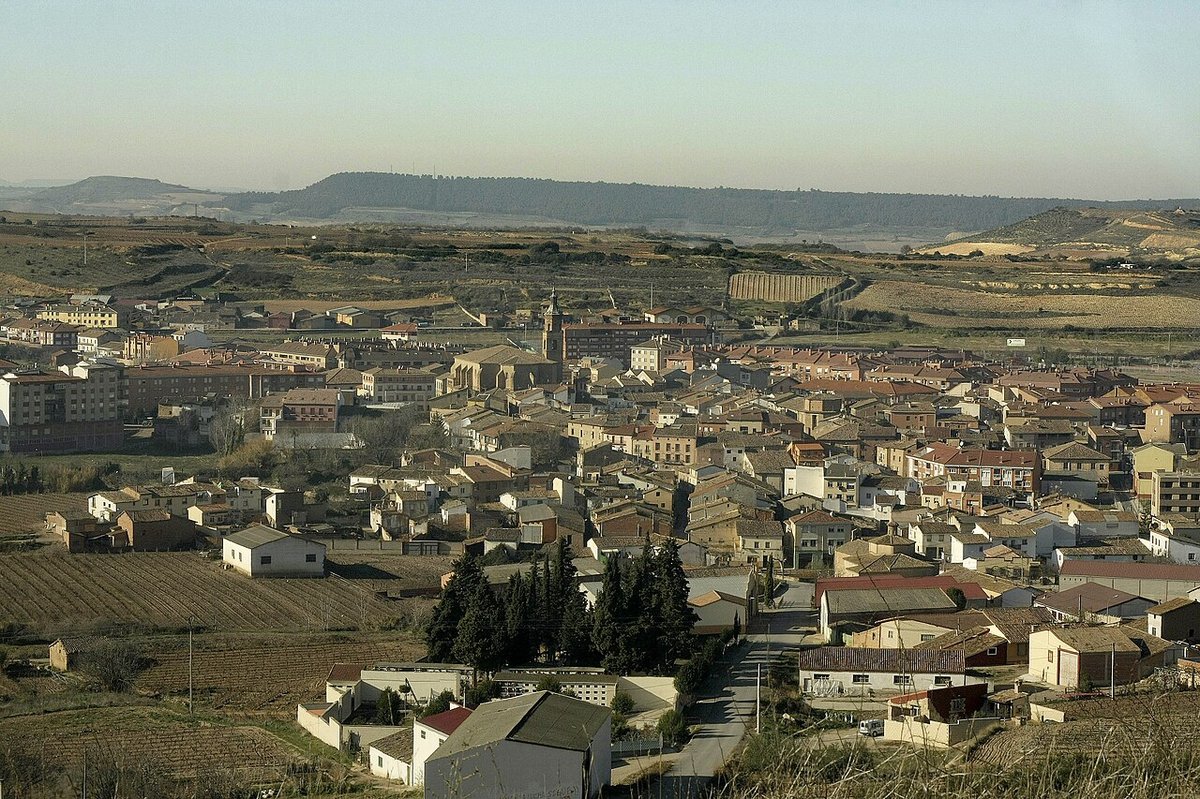
Ausejo sits in the central part of La Rioja, in a landscape where agriculture still sets the pace of daily life. With around 774 inhabitants, it remains a small settlement with a clear, practical layout. Its streets rise and fall gently, lined with stone houses built according to the needs of farming rather than any grand design.
Beyond the last houses, the surroundings open straight onto cultivated land. Vineyards and crop fields form a patchwork that explains much of the local economy and how the area has been used over generations. The relationship between village and countryside is direct and visible, with no real separation between the two.
San Millán and the rhythm of the square
The parish church of San Millán is the most recognisable building in Ausejo. It is generally dated to the 16th century, although it has been altered over time. From the outside, the tower stands out above the rooftops, acting as a useful point of reference when walking through the centre.
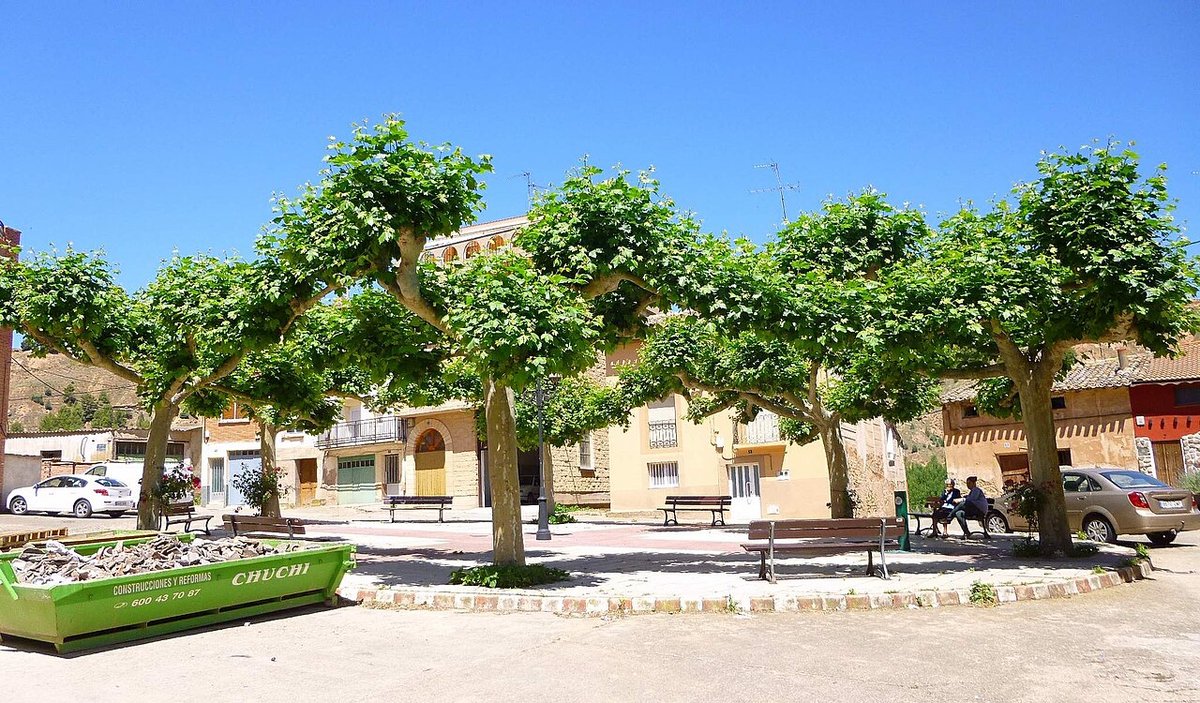
The church faces the Plaza Mayor, a small, functional square that serves everyday life rather than ceremonial purposes. This is where the old public fountain once stood, and a few remains can still be seen. Like in many villages of this size, the church is not always open. When it is, the interior contains a modestly sized Baroque altarpiece.
The square itself does not aim to impress. Instead, it reflects how the village is used: a place to pass through, to meet, to pause briefly before heading elsewhere.
Streets that follow the slope
Ausejo is easy to understand on foot. From the Plaza Mayor, several main streets branch out towards the edges of the village. There are no large manor houses or palaces, but there are plenty of details that reveal local building traditions. Carefully carved stone doorways, occasional old inscriptions and façades adapted to the terrain all appear along the way.
In some areas, the houses are slightly staggered along the slope. The gradient is never steep, yet it is enough to create small inclines and changes in level that break up the layout. This gives the village a subtle sense of movement, rather than a flat or uniform plan.
The architecture is practical and consistent with its surroundings. Everything feels tied to the land and its uses, rather than to display or ornament.
Fields, vines and changing colours
Leaving the built-up area, the landscape opens almost immediately. A network of agricultural tracks surrounds Ausejo, offering clear views of how the village sits within a mosaic of crops. Vineyards are prominent across much of the area, combined with cereal fields that shift in appearance depending on the season.
Spring brings strong greens across the fields. In summer, the dry cereal turns the land golden. Autumn darkens the vineyards, introducing more muted tones. These seasonal changes shape the visual character of the area throughout the year.
The terrain is not entirely flat. Small ravines and gentle undulations interrupt the surface, adding variation to what might otherwise seem like a wide, open plain. These subtle features become more noticeable when walking rather than viewing the landscape from a distance.
Paths on the edge of the village
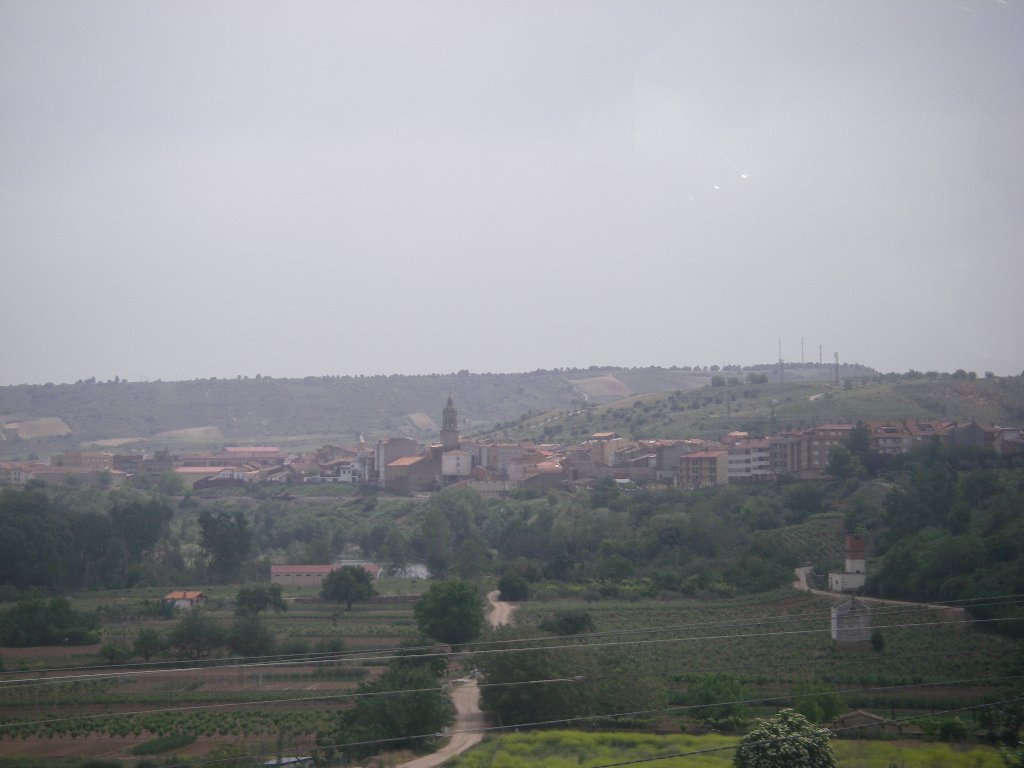
Several rural paths begin directly from Ausejo, making it easy to take short walks without much planning. Within minutes of leaving the centre, there are clear views back towards the village, with the church tower rising above the cluster of houses.
After rainy days, some stretches can become muddy, so suitable footwear is a good idea. It is also important to respect access points to fields and vineyards, as many of them are actively worked.
The tracks are generally quiet and can also be explored by bicycle. However, the wind, which is common in open areas like this, can feel stronger than expected once out in the fields. What looks calm from within the village can be quite different when exposed on the paths.
Traces of traditional rural life
Scattered around Ausejo are elements of rural heritage that are not always signposted. Among them are old wine cellars dug into the rock and traditional ovens once used for domestic bread-making.
Many of these structures remain private or are not set up for visits. Even so, they are part of the everyday landscape and offer clues about how agricultural life was organised in the past. They are not presented as attractions in the usual sense, but rather as features that still belong to the living fabric of the village.
A simple way to visit
Ausejo can be explored without difficulty. The urban centre can be walked in about twenty minutes, though it is worth extending the visit into the surrounding paths to better understand the setting.
There are no marked routes or clearly defined visiting hours. The place is best approached as a relaxed walk: starting around the square and the streets near the church, then continuing out towards the fields.
In summer, the heat can be intense in the middle of the day, especially since there is little shade beyond the built-up area. Spring and autumn tend to be more comfortable for walking and for observing the agricultural landscape that defines Ausejo.