Full Article
about Cenicero
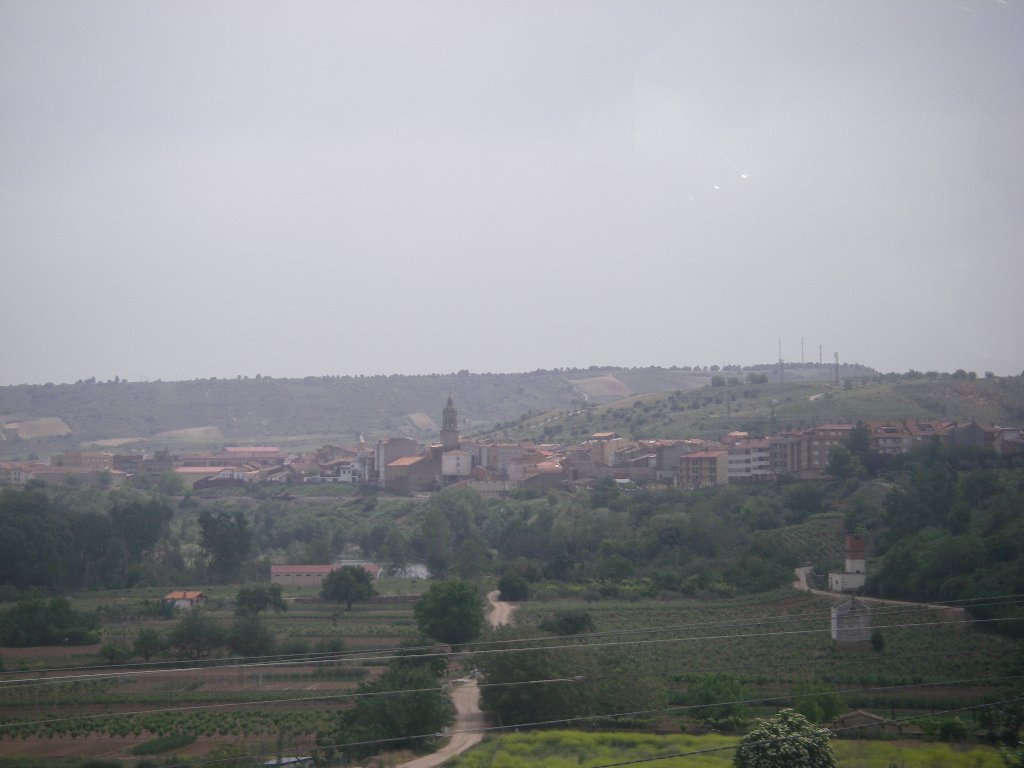
Wine town with several renowned bodegas; on the right bank of the Ebro.
Hide article Read full article
A town that smells of wine
Early in the day, the air in Cenicero carries a distinct scent of fermenting must. It is not poetic licence. The smell drifts out from wineries when ventilation hatches are opened, a sweet, slightly sharp note that lingers in the throat and makes clear that wine here is not decoration but routine.
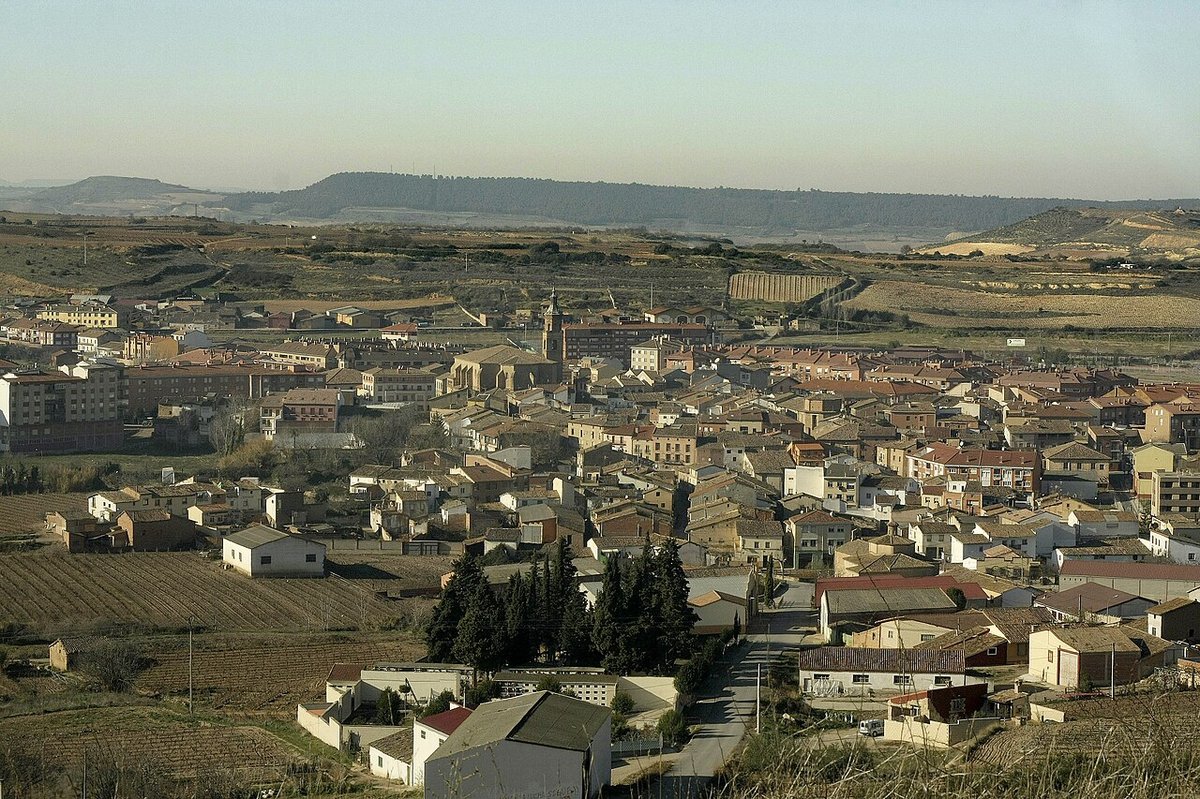
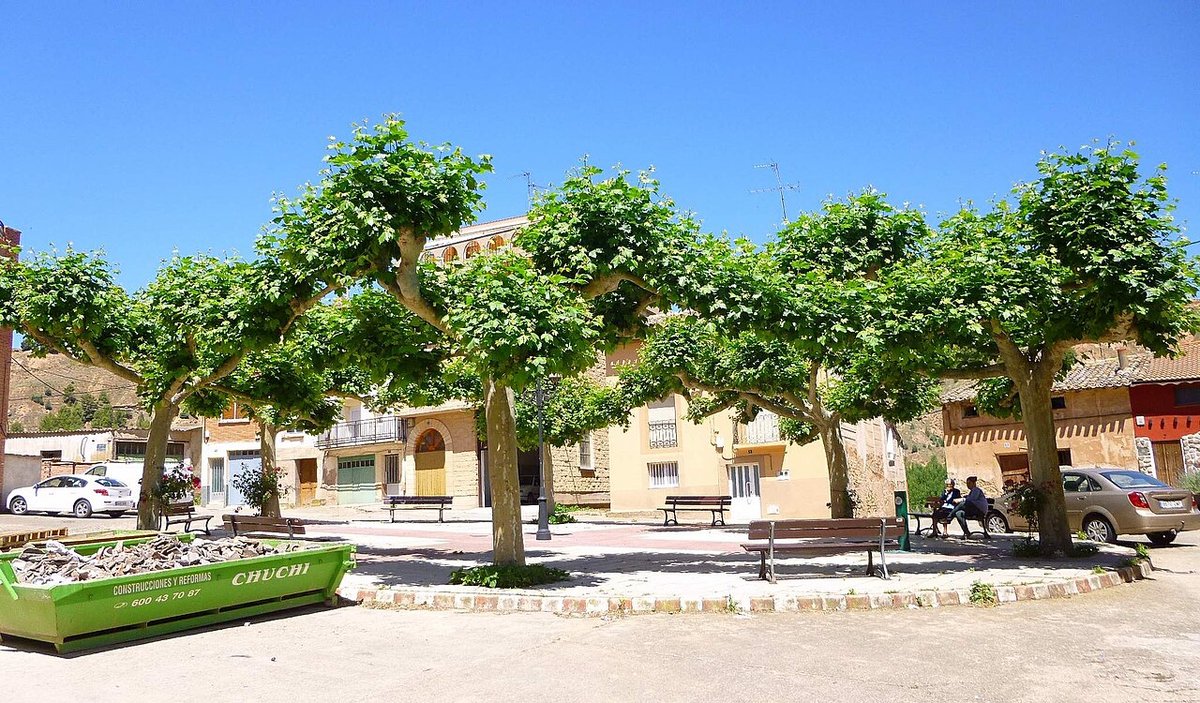
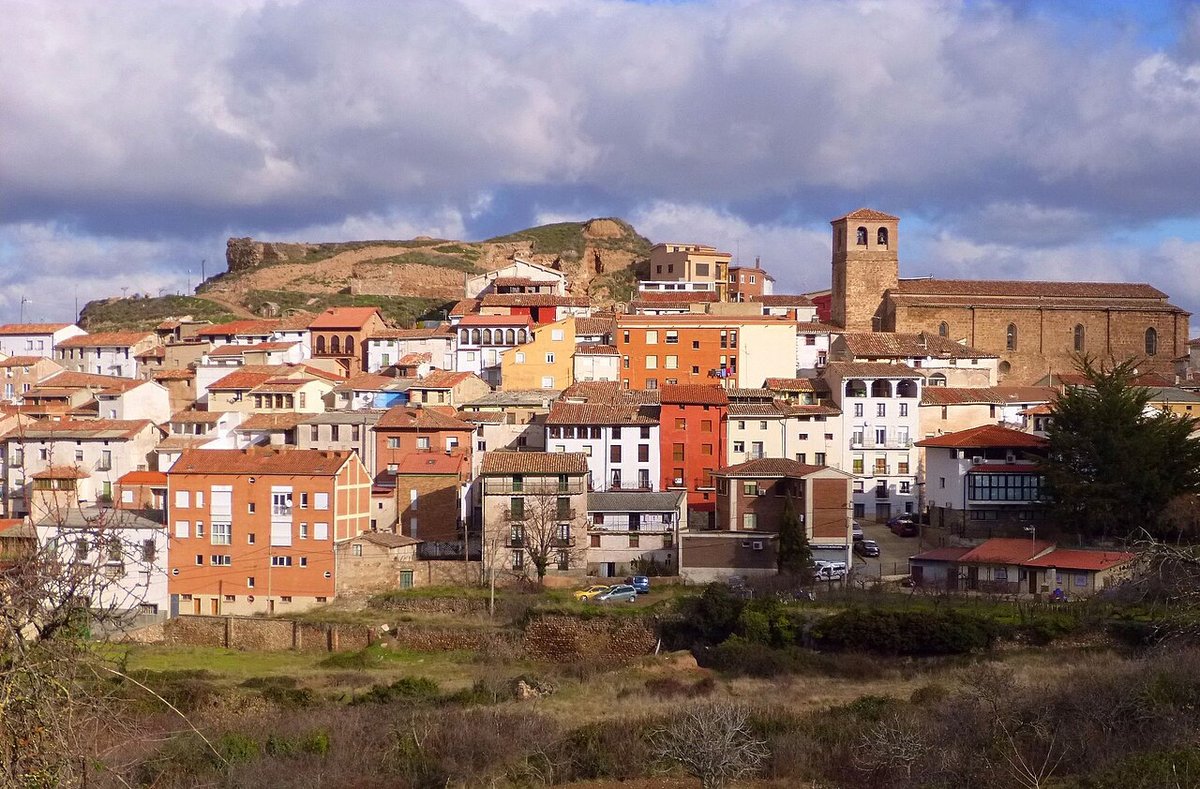
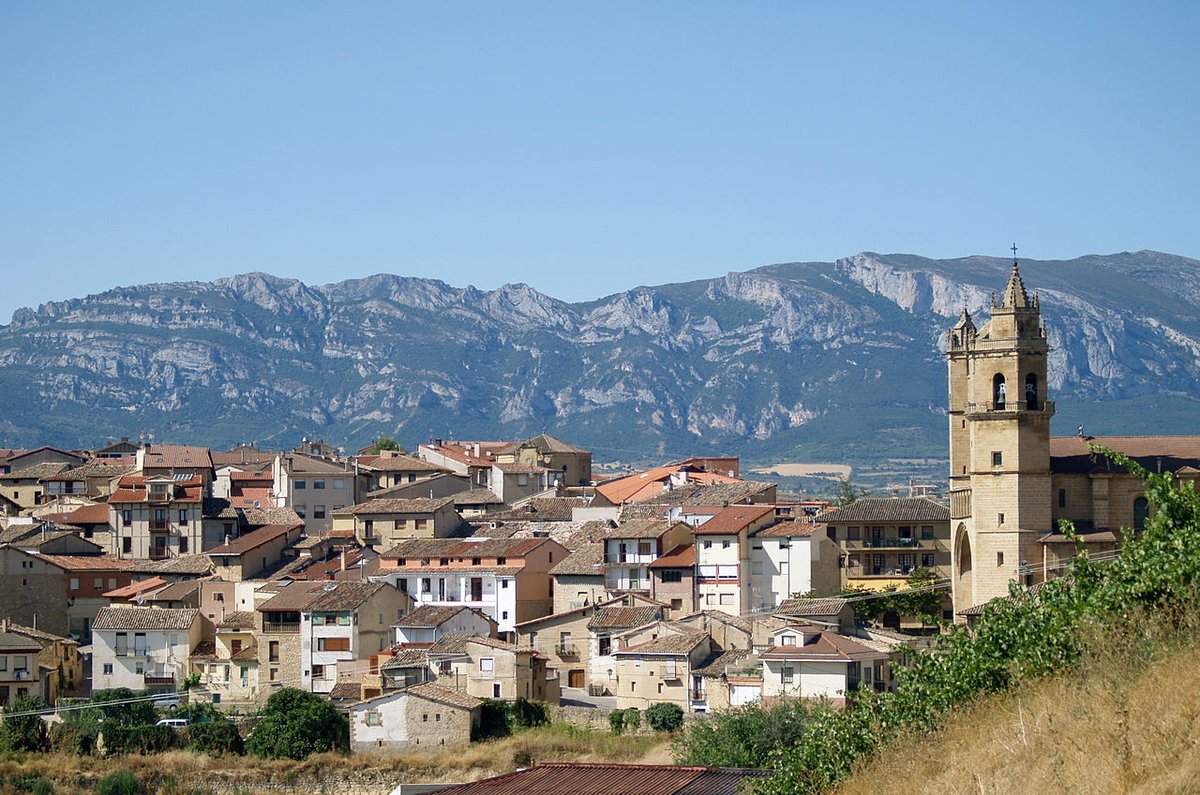
From the Plaza Mayor, often still quiet at that hour, the outlines of the town tell their own story. Old reddish brick buildings with round windows sit alongside ordinary homes, revealing wineries that have been part of the fabric of the place for generations. Daily life unfolds around them. Someone sweeps the pavement outside a newly opened bar. A dog dozes by a butcher’s shop while cuts of beef are arranged inside. Nothing feels staged. Cenicero works at its own pace, shaped by the same activity that defines the wider region of La Rioja.
Wine before it becomes wine
Wineries in Cenicero are not set apart on the outskirts. They are woven into the town itself, appearing between houses, down narrow streets, and behind simple doors that give little away from the outside. Turn a corner and the smell shifts, damp wood, young wine, the faint trace of grapes in transformation.
Some producers have been here for more than a century, while others are small, almost domestic in scale. During the grape harvest, or vendimia, the rhythm of work becomes visible from early in the day. Tractors move in and out of the streets. Trailers arrive loaded with grapes. People rinse crates outside, water running along the pavement. The scent of must hangs over the whole urban area for days at a time, settling into the atmosphere.
Anyone interested in visiting a winery should ask ahead or make arrangements in advance. Not all places organise visits, and during the working week many simply follow their own routines without opening to the public. The sense is of a working town first, with visitors fitting around that rather than the other way round.
The tower above the Ebro plain
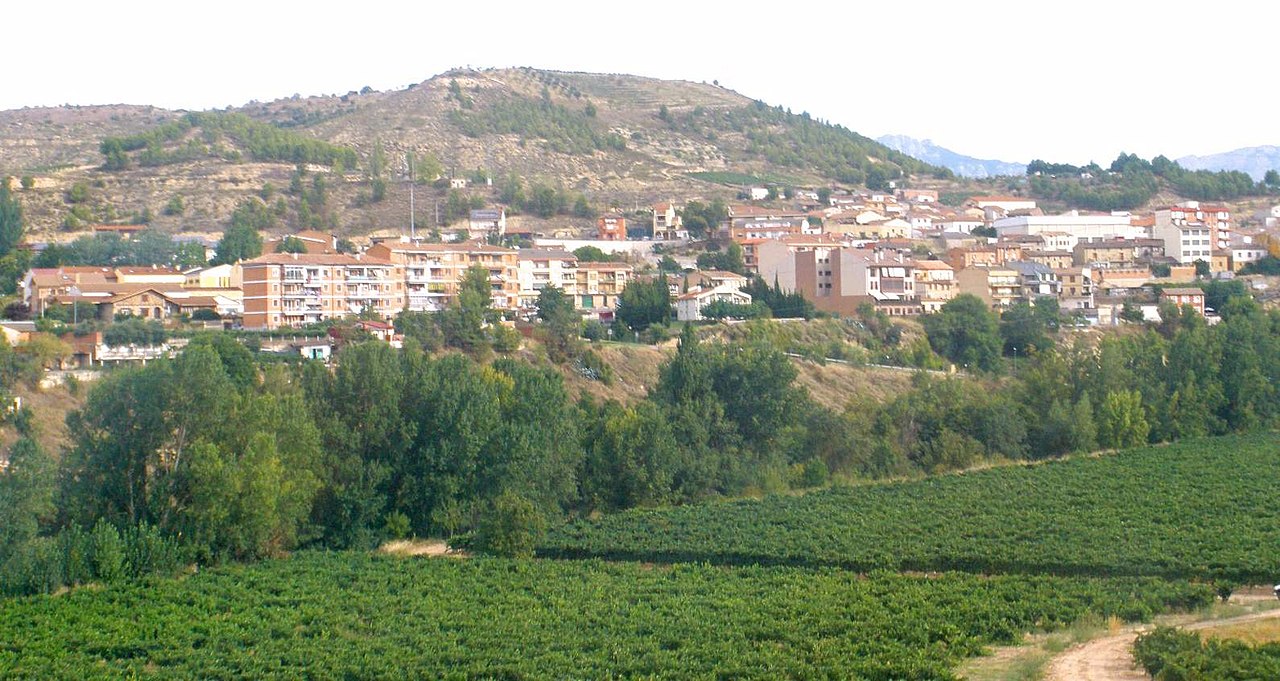
Leaving the centre along Calle San Pedro, the transition from town to countryside happens quickly. Houses give way to open land, where neat rows of vines stretch across pale soil. The order of the vineyards contrasts with the tighter streets left behind.
In the middle of this landscape stands the Torre de los Urbanos. Only part of the wall remains today, though the outline of the old fortification can still be made out. Local tradition places it in the 19th century during the Carlist Wars, when it is said to have been the site of a siege defended by residents of Cenicero.
From this point, the geography of the area becomes clearer. The plain of the Ebro River extends towards the east, marked by plots of vineyard laid out in straight lines. On clear days, mountains appear in the distance, defining the edge of the region. The setting feels open and exposed compared to the enclosed streets of the town.
As the day draws to a close, the light changes the colour of the stone. Wind moves through the vines with a dry, papery sound. It is a quiet place, shaped as much by what is no longer there as by what remains.
When the streets fill with tables
September brings a noticeable shift. With the vendimia comes a different atmosphere, one that spreads through the streets and squares. Groups gather, music appears, and long tables are set up outdoors. It becomes common to see neighbours eating outside, cooking over open embers, sharing dishes passed from hand to hand.
Local social clubs, known as peñas, set up their own spaces, and a band typically moves through the streets. At certain moments everything overlaps: the smell of grilled meat, young wine poured into plastic cups, conversations that continue late into the night. The town becomes louder, more crowded, and more collective in its rhythm.
Those who prefer a quieter visit may want to avoid that particular weekend of festivities. The contrast with the rest of the year is marked. Outside the harvest celebrations, Cenicero returns to a much slower pace, where the presence of wine is constant but less visible.
Food that stays close to home
Cooking in Cenicero is straightforward and centred on ingredients and heat. Chuletón, a large cut of beef, is cooked over wood embers and served with coarse salt still crisp on the surface. The vegetables of the Ebro’s fertile plain also feature strongly, especially when in season. Artichokes, cardoon, and menestra, a mixed vegetable dish, appear regularly on the table.
There are also more domestic preparations that rarely leave private kitchens. One example is torta de chicharrones, a dense, sweet cake made with lard and small pieces of pork crackling. Traditionally, it was prepared in winter after the pig slaughter, a moment that shaped much of the rural food calendar.
These recipes do not often appear on menus or in shop windows. Instead, they continue to circulate between neighbours, carried on trays and covered with cloths. Food here remains closely tied to home, season, and shared habits rather than display.
Getting there and choosing the moment
Cenicero lies a short drive from Logroño and is easily reached by road. The town itself is manageable on foot. The centre is compact, and many streets still have traditional cobblestones that can become slippery when it rains.
The vendimia at the start of autumn is when activity peaks, and when the smell of must spreads across the entire town. For those who prefer quieter surroundings, spring or clear winter days offer a calmer experience, with the vineyards easier to take in at a slower pace.
One of the most telling moments comes early in the day. There are few people in the streets, and the air carries a mix of fresh bread and open winery. That brief window says a great deal about how Cenicero functions when it is not in celebration, grounded in routine, shaped by wine, and quietly consistent.