Full Article
about Corera
A village in the Ocón Valley with rural charm, known for its olive-oil mill and almond-tree landscape.
Hide article Read full article
A Small Detour from Logroño
Corera lies around 25 kilometres from Logroño, reached via the LR‑134. The drive is straightforward and, on arrival, parking is easy just as you enter the village. There is no need for complicated planning. Corera is small enough to understand at a glance.
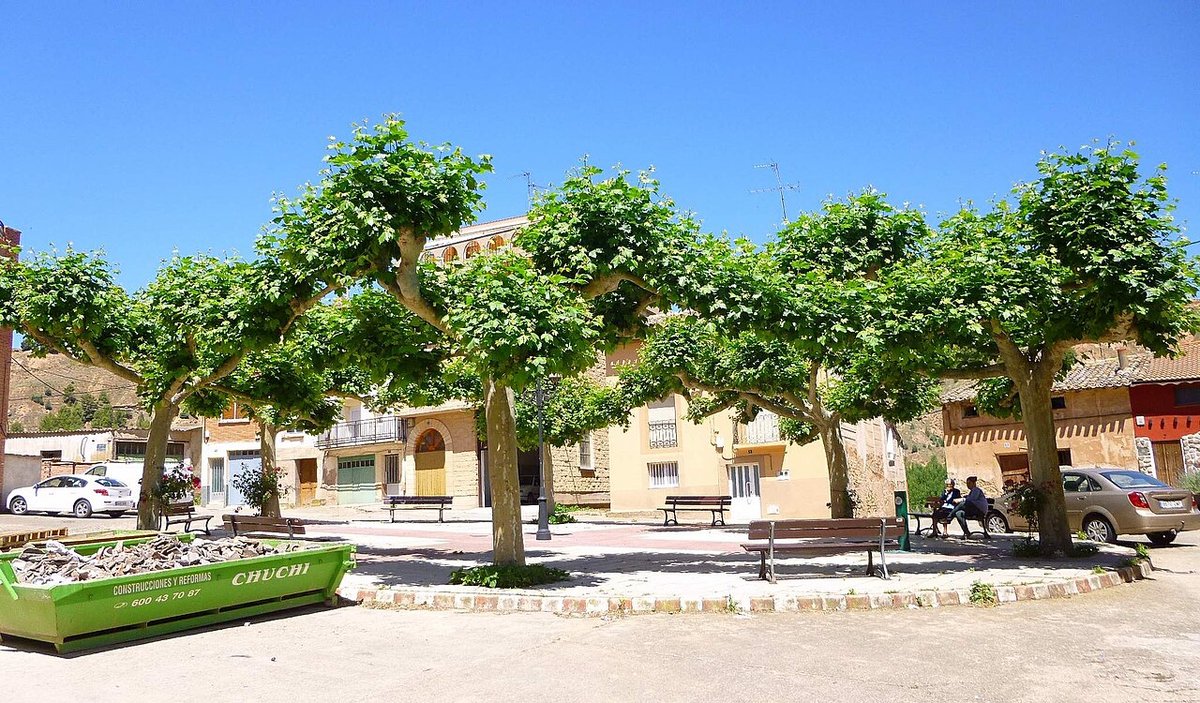
If visiting in summer, it is wise to avoid the middle of the day. Shade is scarce and the heat lingers in the narrow streets. This is an exposed, agricultural setting rather than a leafy town square with trees to shelter under. The climate makes itself felt, particularly in the warmer months.
Corera suits a short stop rather than a full day’s itinerary. It works best as part of a wider journey through rural La Rioja, offering a quick look at everyday village life in this part of northern Spain.
The Shape of the Village
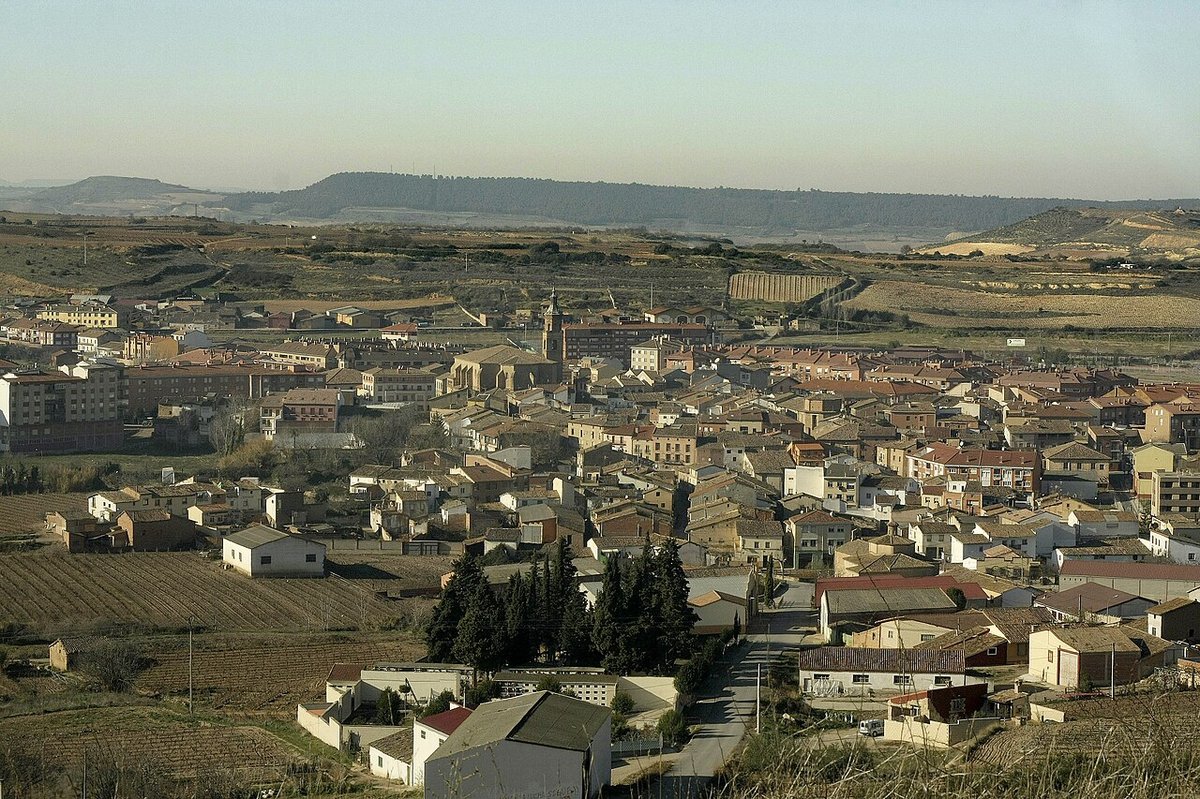
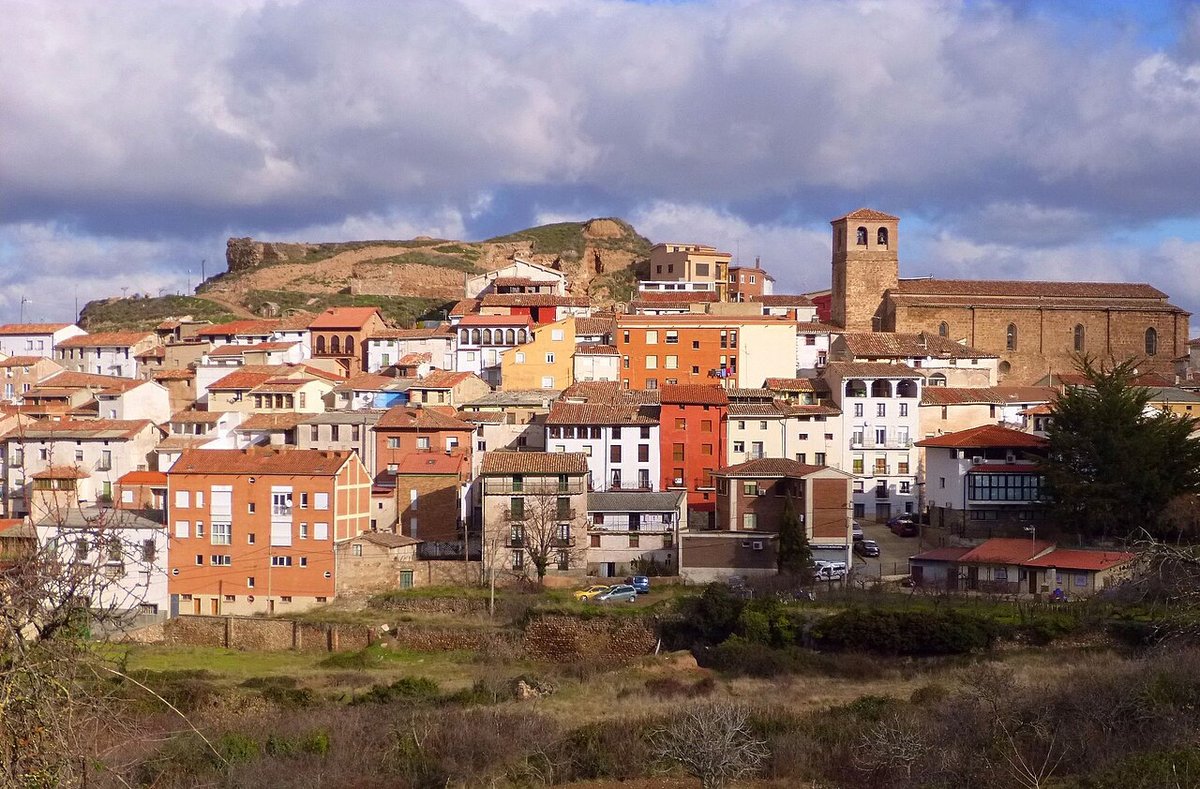
With just over two hundred residents, Corera can be walked end to end in a short time. The streets are narrow and quiet. Some houses still show masonry walls and coats of arms on their façades, details that hint at earlier centuries. These features are not unusual in this area of La Rioja, yet the overall impression is of a place that has been well kept.
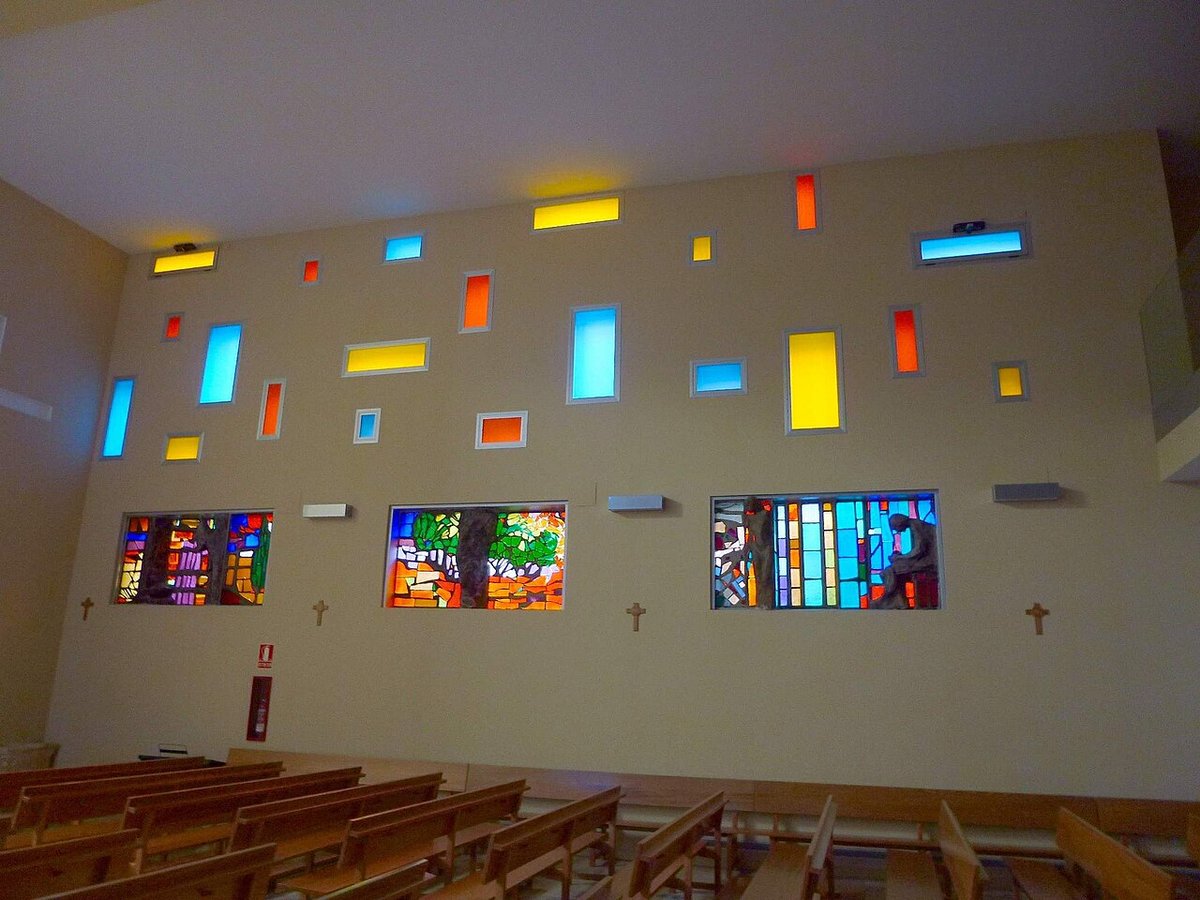
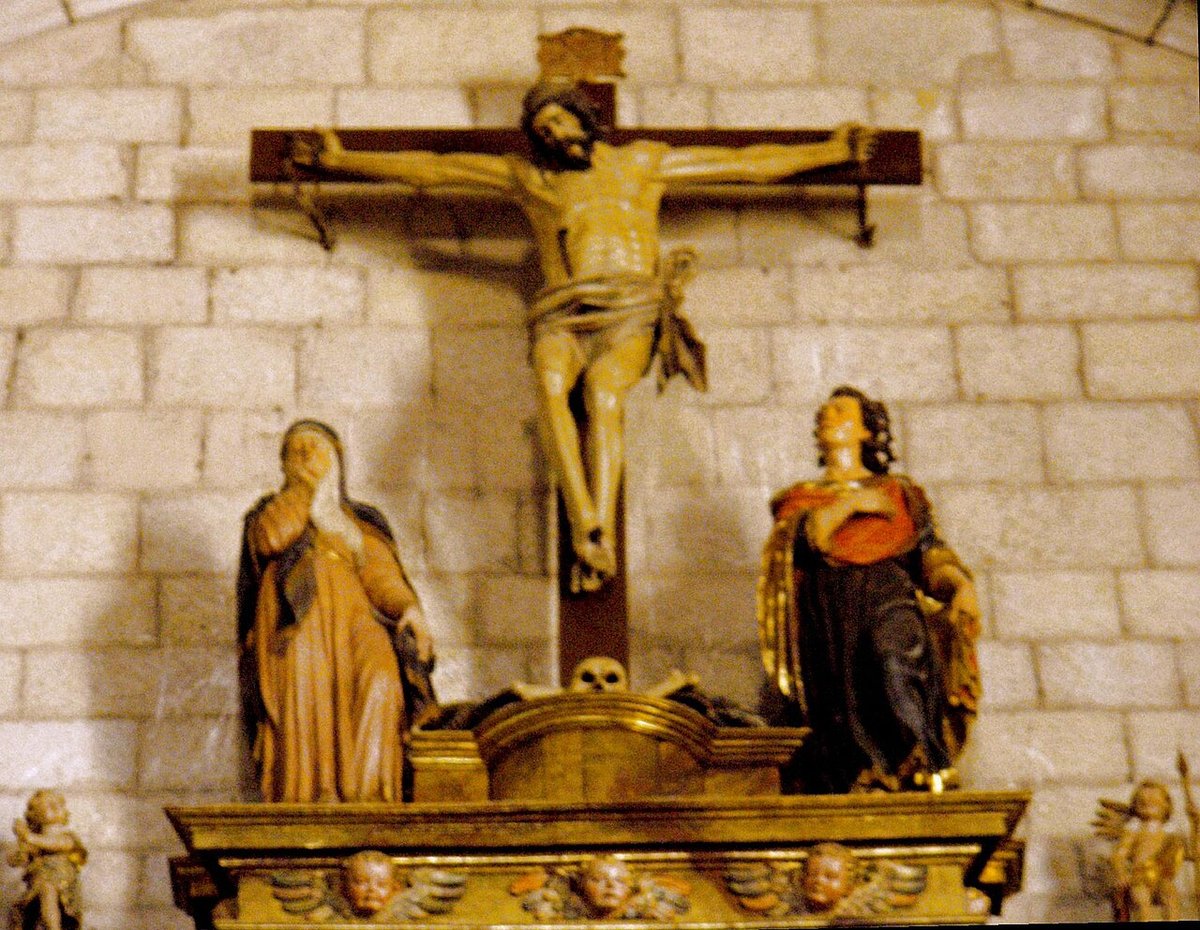
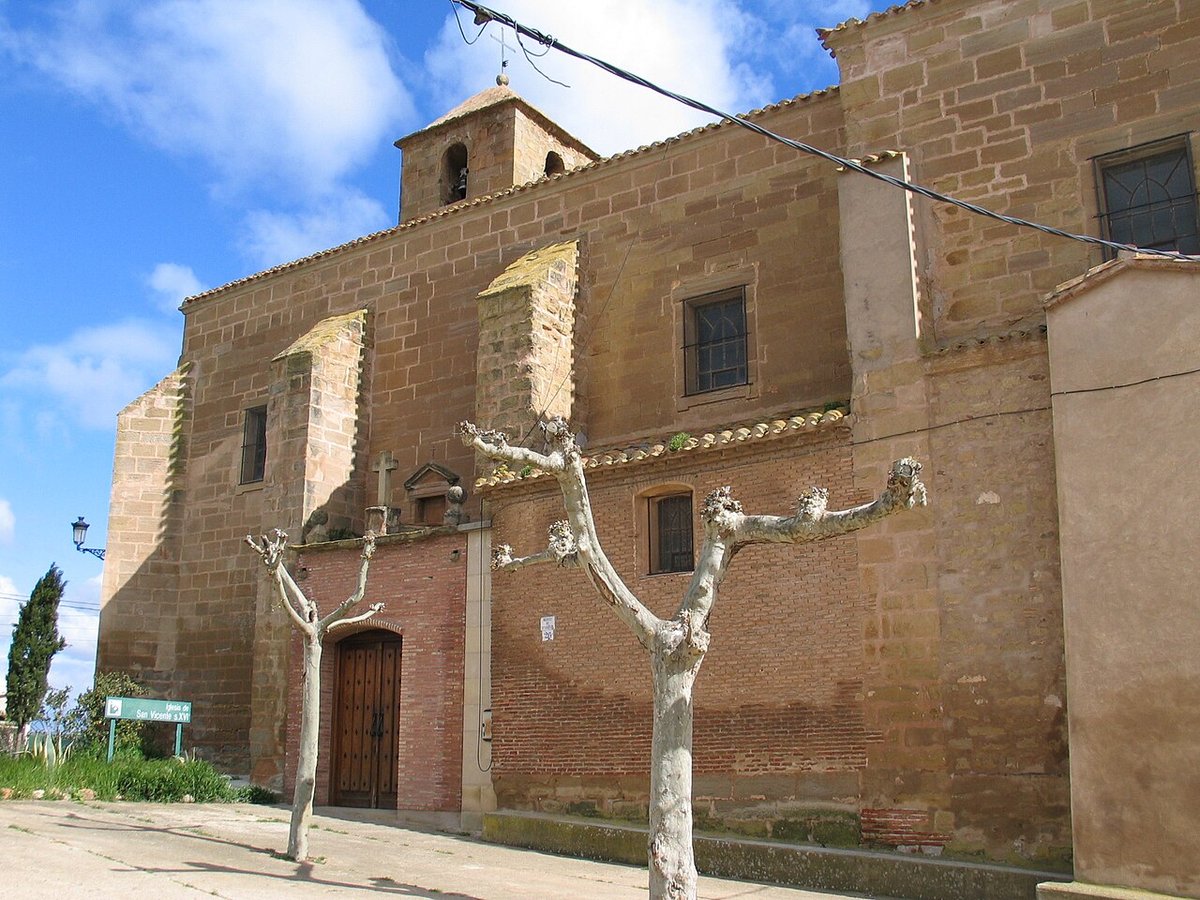
At the centre stands the Iglesia de San Martín de Tours, the most visible building in the village. It anchors the historic core and is the natural reference point for a walk around. Over the years it has undergone alterations, but inside there are still older elements to notice, including the sacristy and several windows with a medieval feel. The mixture of periods reflects the gradual changes common to many parish churches in rural Spain.
Beyond the church, the architecture remains simple. Most houses are low, with tiled roofs and modest doorways. Street names follow familiar patterns for villages in the region: Mayor, Real, and occasional lanes that recall former trades or agricultural plots. There is nothing monumental or grand in scale. Corera’s interest lies in its ordinariness, in how clearly it represents a small agricultural settlement of La Rioja.
Fields and Open Land
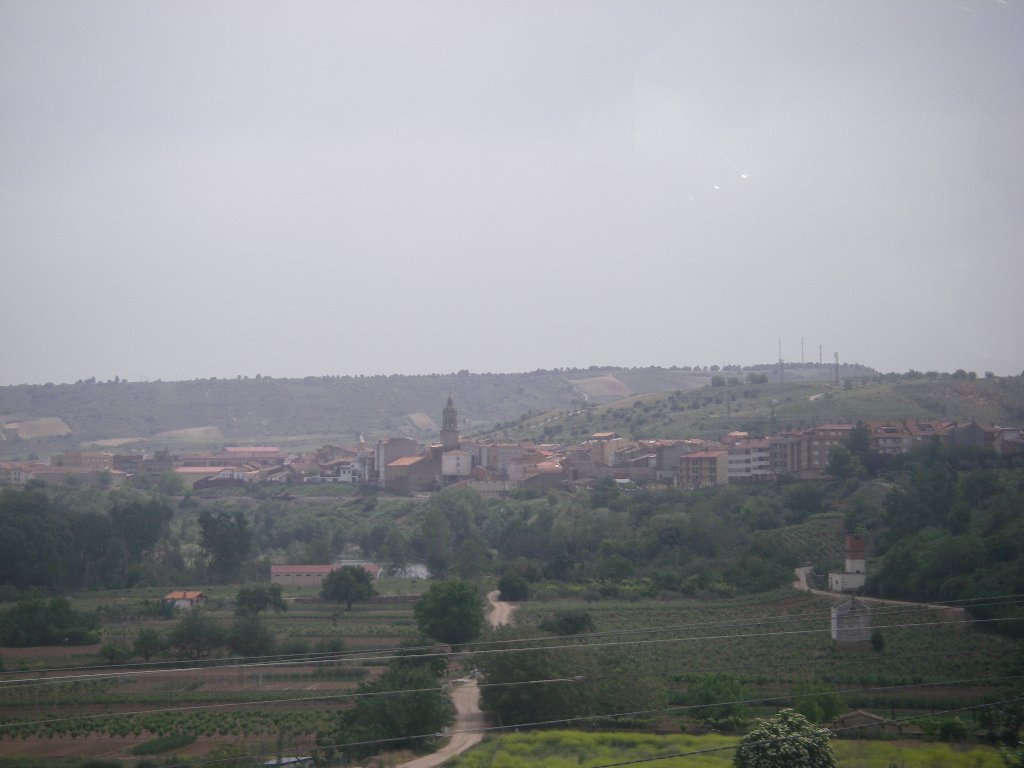
Step outside the built-up area and the landscape opens immediately into farmland. Cereal crops dominate. Where the terrain allows, there are also patches of vineyard, a reminder that this is wine country even if Corera itself does not present grand wineries or visitor centres.
The scenery is practical rather than decorative. During the day it is common to encounter tractors or local people working in the fields. This is an active agricultural environment, not a staged rural backdrop.
There are no officially signposted walking routes. Even so, several dirt tracks lead out from the village and can be followed without difficulty. The ground is fairly flat, so walking does not require much effort. After rainfall, puddles and mud can appear, which is worth bearing in mind.
For photography, the most rewarding viewpoints are outside the village rather than within it. From these tracks, the cultivated plain surrounding Corera stretches out clearly. The sense of space and the geometry of fields often provide better images than the narrow streets.
Everyday Life and Local Celebrations
Corera does not run a programme designed for visitors. Daily life revolves around agricultural work and the village calendar.
The feast of San Martín is usually held in November. As in many Spanish villages, this celebration is tied to the patron saint, in this case San Martín de Tours, who also gives his name to the parish church. In summer there are additional activities organised by residents. These are small-scale events, primarily intended for the local community rather than to attract outsiders.
Anyone arriving during these periods should expect a modest atmosphere. The focus remains on neighbours gathering together, not on large stages or major cultural line-ups. Outside festival dates, the rhythm returns to the routines of the countryside.
How Long to Spend
Corera can be seen quickly. A walk to the Iglesia de San Martín de Tours, a turn along a couple of surrounding streets, then an outing along one of the nearby tracks is enough to gain a clear impression. One or two hours give a realistic sense of the place.
There is no extensive historic quarter to explore, nor a collection of major monuments to tick off. The scale is intimate and the experience brief. That is part of its character.
Parking at the entrance and moving around on foot is the simplest approach. Distances are short and there is little traffic. It also allows the layout of the village to be understood more naturally.
Corera does not promise headline sights. Instead, it offers insight into how a small agricultural village in this part of La Rioja functions and looks today. For travellers already exploring rural Rioja, stopping here for a short while fits comfortably into the journey. Arrive, walk, observe, then continue on. In the context of the surrounding countryside, that feels entirely in keeping with what Corera has to offer.