Full Article
about Daroca de Rioja
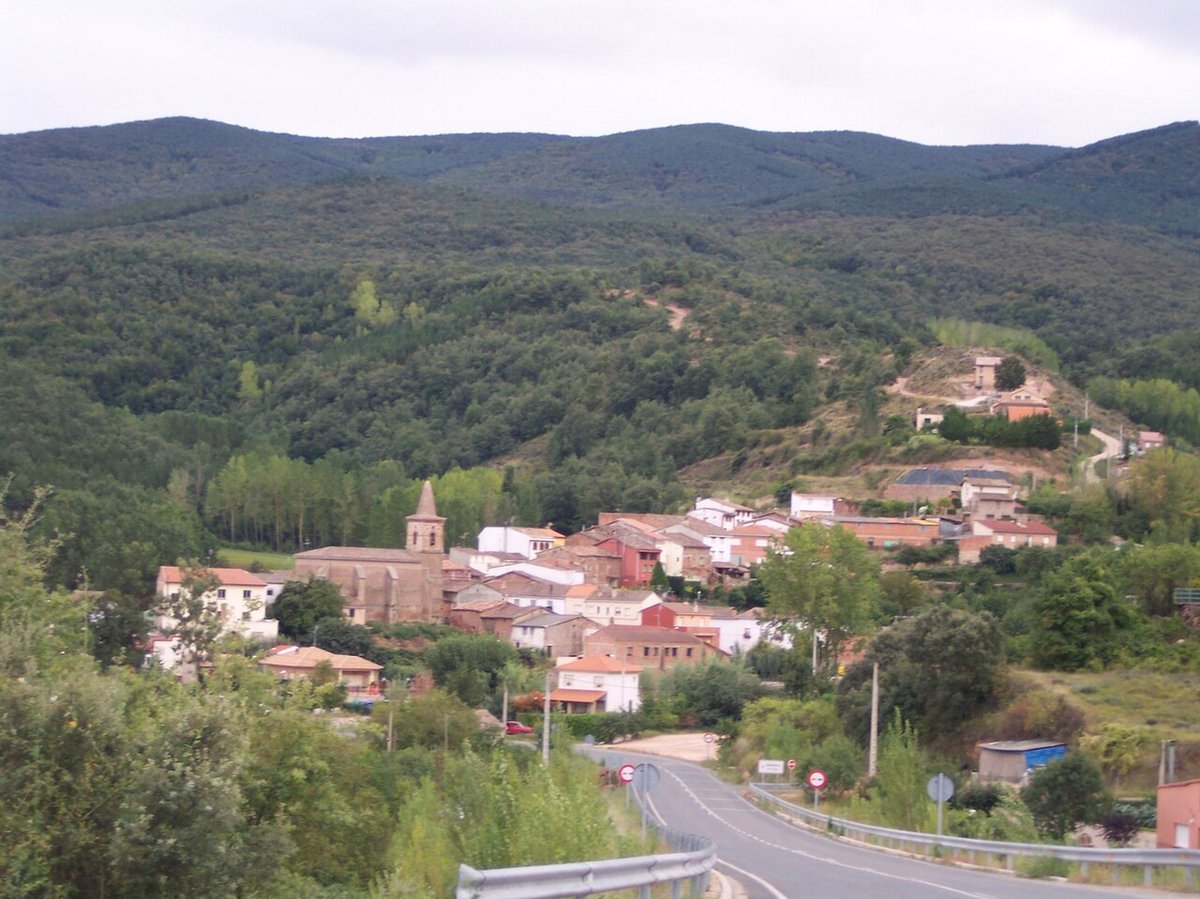
Small municipality on the slopes of Moncalvillo; known for its restaurant and natural setting.
Hide article Read full article
Daroca de Rioja: El pueblo que no te espera
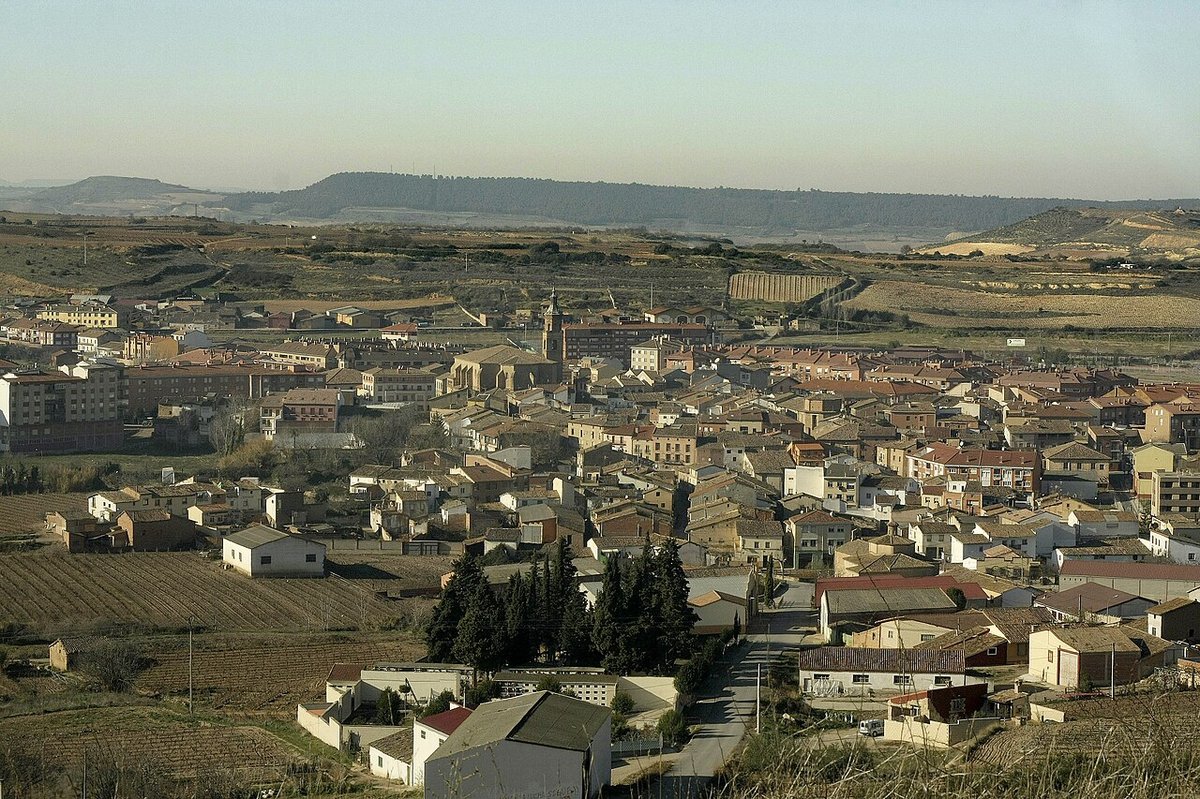
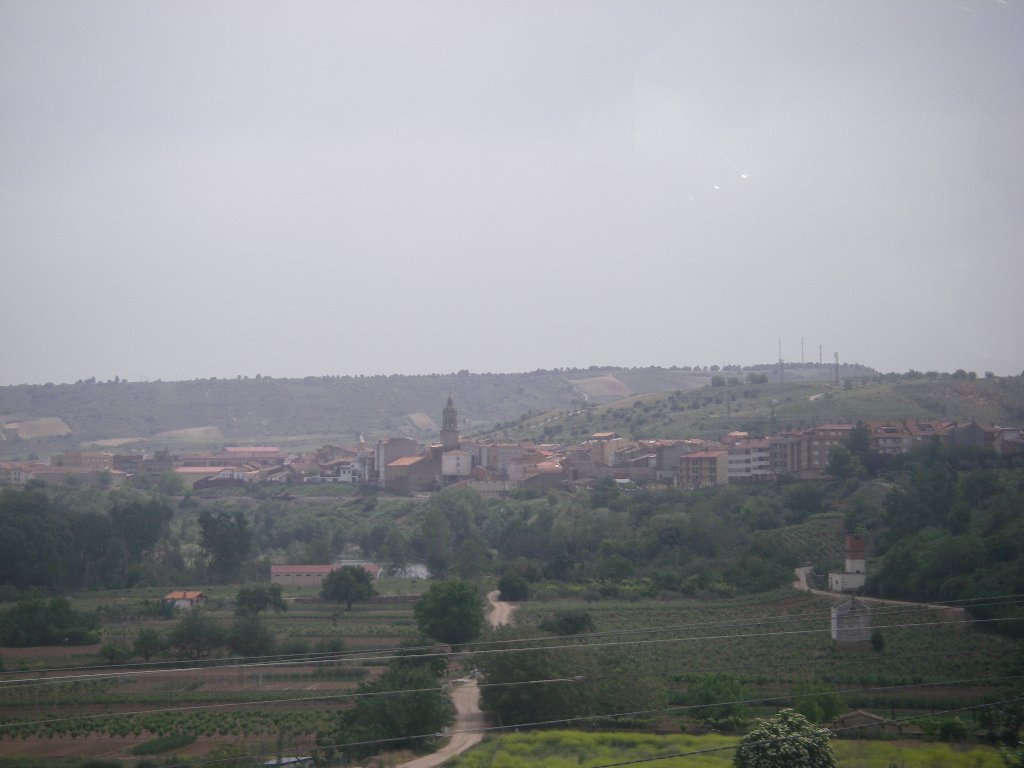
Daroca de Rioja es como cuando buscas una dirección y, al llegar, piensas "¿aquí?". Es ese tipo de lugar. Sales de Logroño, conduces veinte minutos por carreteras locales entre campos de cereal y alguna viña suelta, y de repente aparece un grupo de casas. No hay rotonda anunciándolo, ni cartel grande. Simplemente está.
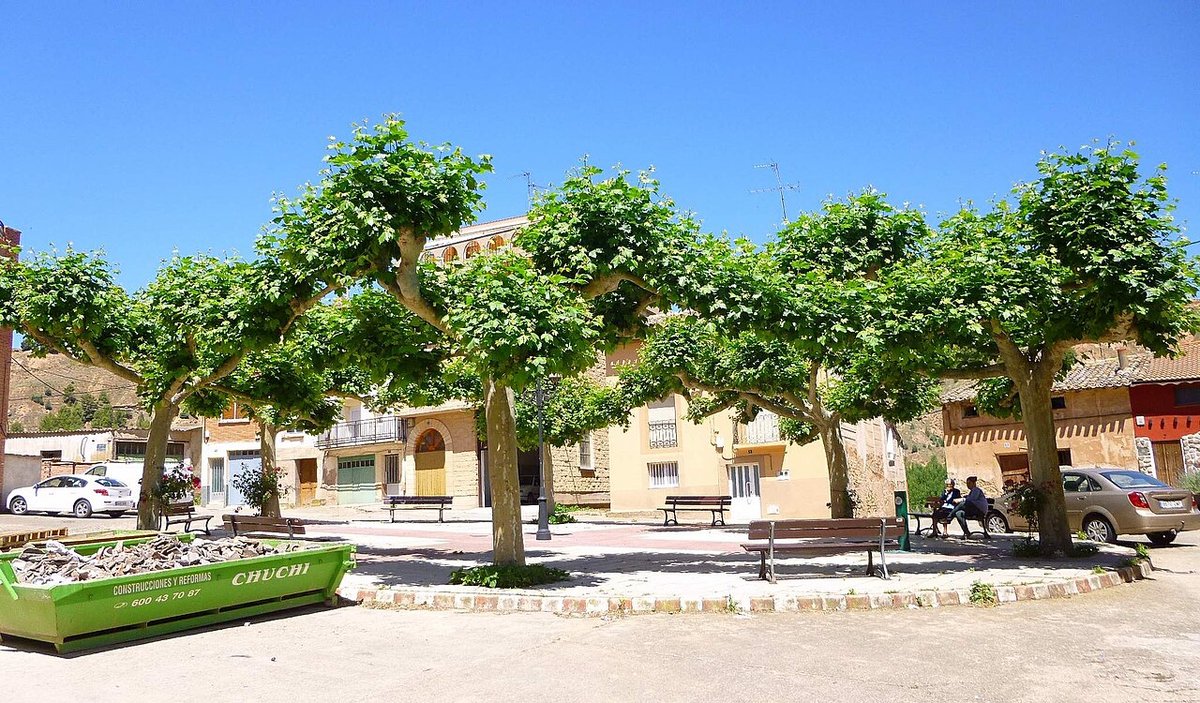
No vengas buscando tiendas de souvenirs o un paseo marítimo. Aquí el único ruido lo pone el viento entre los muros de piedra y algún tractor a lo lejos. La vida va a otro ritmo, el suyo.
La iglesia que lo vigila todo
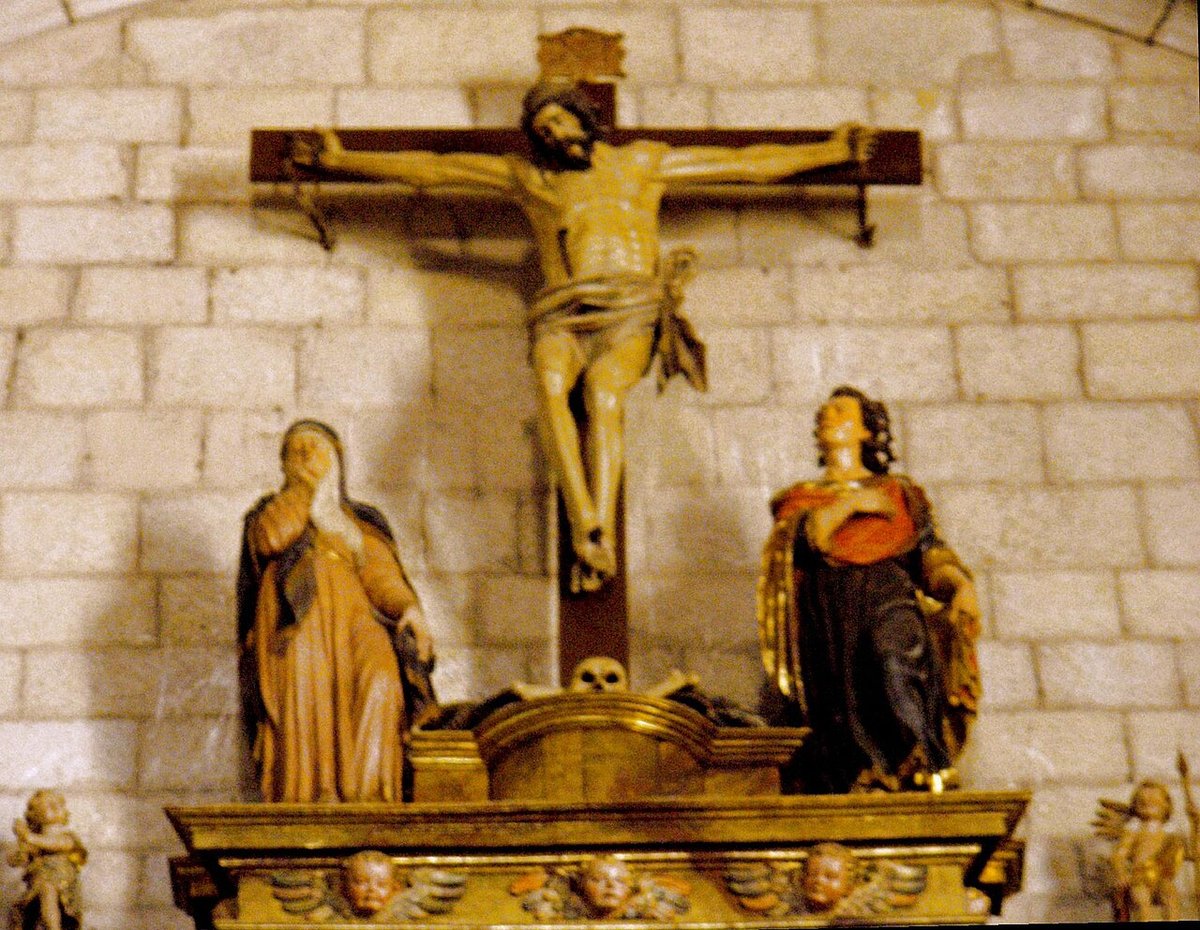
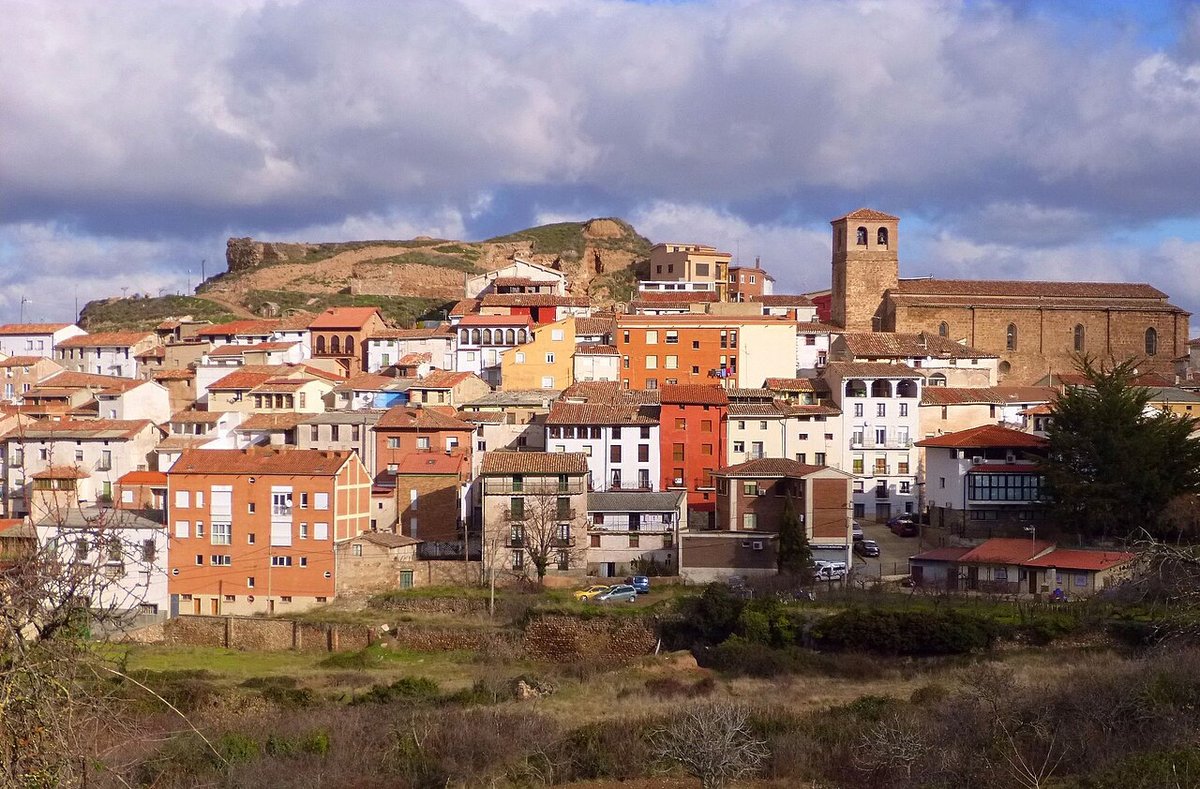
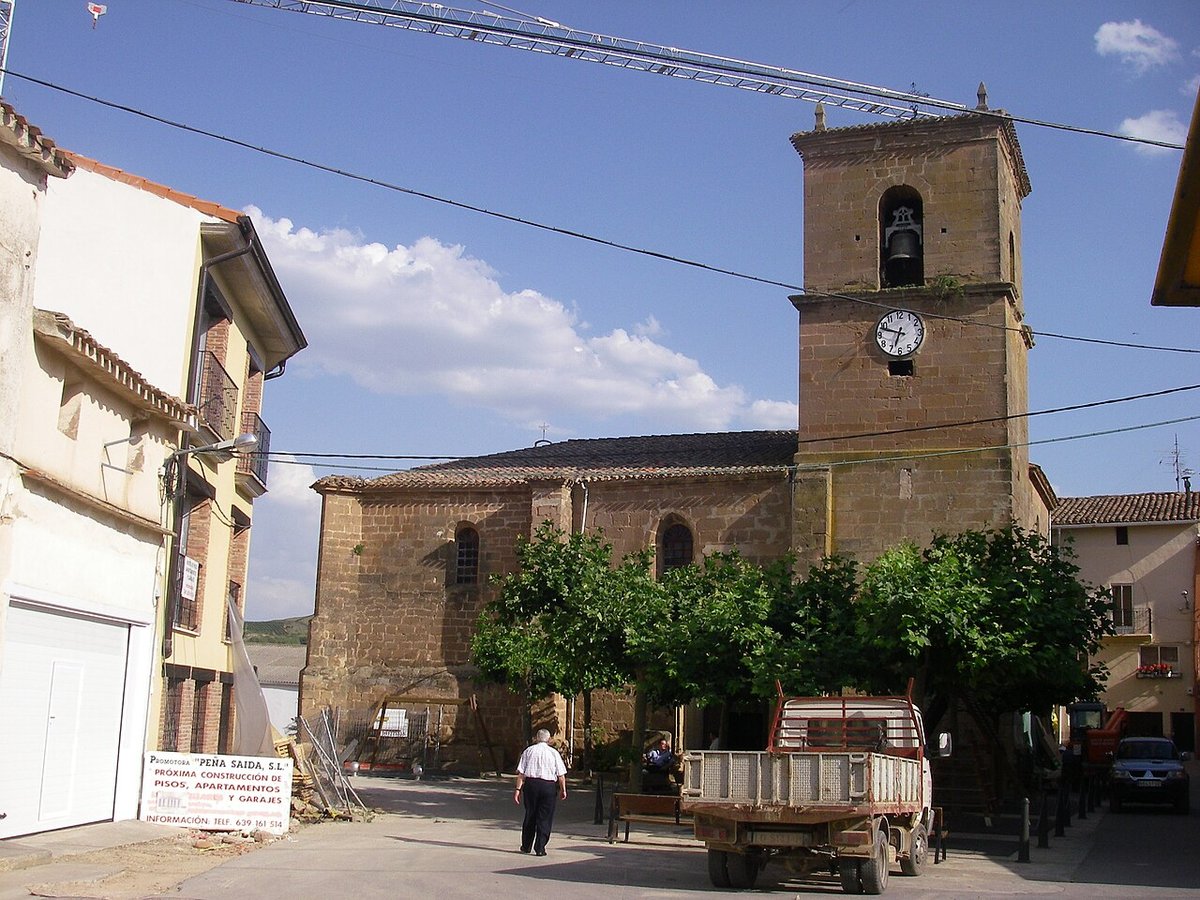
Lo primero que ves al entrar es la torre de la Iglesia de Nuestra Señora. Es del siglo XVI, aunque parece que se construyó sobre algo anterior. Como pasa en pueblos tan pequeños, puede que la encuentres cerrada. Si tienes suerte y está abierta, dentro verás un retablo barroco y algunas tallas. Te das cuenta entonces de que este sitio, con sus 63 habitantes ahora, fue algo más grande hace siglos.
Alrededor de la iglesia se lee el pueblo como un libro abierto. Las casas están apiñadas, con portones grandes pensados para meter carros y animales a los corrales de dentro. No es decoración; es arquitectura funcional pura y dura. Un paseo por aquí te explica mejor que cualquier manual cómo se vivía cuando todo giraba alrededor del campo.
Pasear sin objetivo
Aquí no hay lista de "imprescindibles". Lo mejor que puedes hacer es callejear sin prisa por la Calle Mayor –que cruzas en cinco minutos– y fijarte en los detalles: unas herramientas oxidadas apoyadas en una pared, una puerta de madera gastada por el tiempo, un gato dormido al sol.
Si sigues caminando más allá de las últimas casas, en dos pasos estás en los campos. Los caminos agrícolas llevan a parcelas de cereal o a viñedos familiares pequeños. Si miras con atención hacia las laderas, puedes ver algunos lagares viejos excavados en la roca. Eran para hacer el vino de casa. No hay ningún cartel que los señale; si no sabes que están ahí, pasas de largo.
En media hora andando tienes el pueblo rodeado por completo de campo abierto. Eso define Daroca: no es un pueblo junto al campo; es una parte más del paisaje.
La luz y la tierra
El paisaje aquí es Rioja sin postales ni bodegas espectaculares: un mosaico de campos dorados, alguna viña y manchas de encinas.
La luz lo cambia todo. A primera hora tiene un tono dorado suave que dura poco. Cuando el sol sube, se vuelve más blanca y cruda. Y al atardecer es cuando merece más la pena estar fuera, con esa calma plana que se instala sobre los campos.
Lleva calzado cómodo y que no te importe manchar. Los caminos son tierra compacta y si ha llovido se ponen pesados. Aquí no han allanado nada para los visitantes; las condiciones son las mismas que para quien trabaja la tierra.
Lo que más llama la atención es justo lo contrario: la falta absoluta de espectáculo. No hay miradores preparados ni experiencias empaquetadas. El interés está en ver cómo cambia la luz sobre el mismo terreno y en reconocer las huellas del trabajo agrícola que lleva marcando esta parte de La Rioja generaciones.
Cuando el pueblo respira
Con 63 vecinos censados, Daroca parece dormido buena parte del año. Pero tiene sus momentos. En verano vuelven familias enteras con raíces aquí. Se llenan las casas vacías, se oyen voces en los corrales donde se hacen comidas largas y se recupera algo del bullicio perdido. Las fiestas del patrón suelen ser entonces: celebraciones sencillas con juegos tradicionales, música local y una procesión corta por las calles principales. En otoño, si coincides con la vendimia en algún pequeño viñedo familiar cercano al pueblo (que aún quedan), verás el trabajo como siempre se ha hecho: sin folclore añadido. Son destellos breves donde el ritmo cambia durante unos días antes volver a su pulso habitual.
Venir sin hacerse ilusiones
Vamos a ser claros: Daroca no es un plan para todo el día. Funciona mejor como una parada técnica mientras recorres otros pueblos cercanos con más vida comercial. Si llegas esperando bares abiertos o ambiente callejero… probablemente te lleves un chasco. Su valor está precisamente en lo contrario: en el silencio casi total (salvo algún gallo) y en esa sensación rara hoy día de estar en un sitio donde nada finge ser otra cosa distinta a lo que es –un núcleo rural pequeño donde aún se vive mirando al campo–. Desde Logroño son unos veinte minutos en coche por carreteritas locales hacia el oeste; la última parte ya estrecha entre campos. Con una hora tienes suficiente para caminar sus calles e irte hasta donde empiezan los primeros surcos. No busques monumentos ni fotos para Instagram; ven si quieres entender cómo respira todavía este rincón tranquilo –y cada vez más vacío–de La Rioja Baja