Full Article
about Redal (El)
Village in the Valle de Ocón with restored flour mills; valley-to-mountain transition landscape.
Ocultar artículo Leer artículo completo
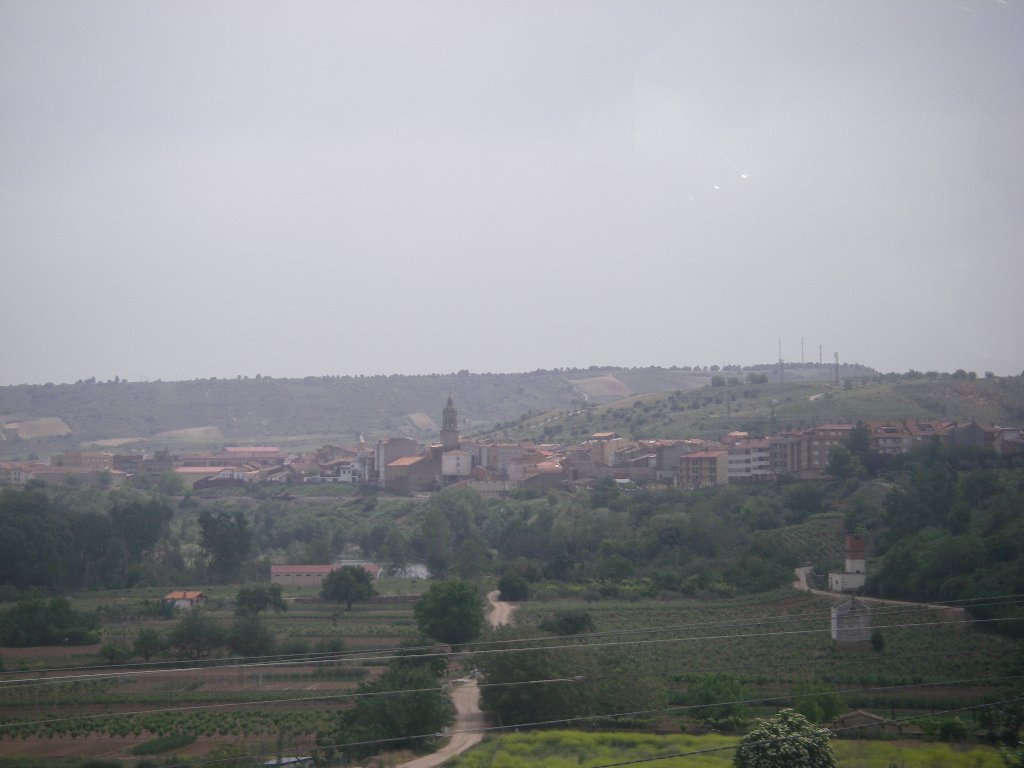
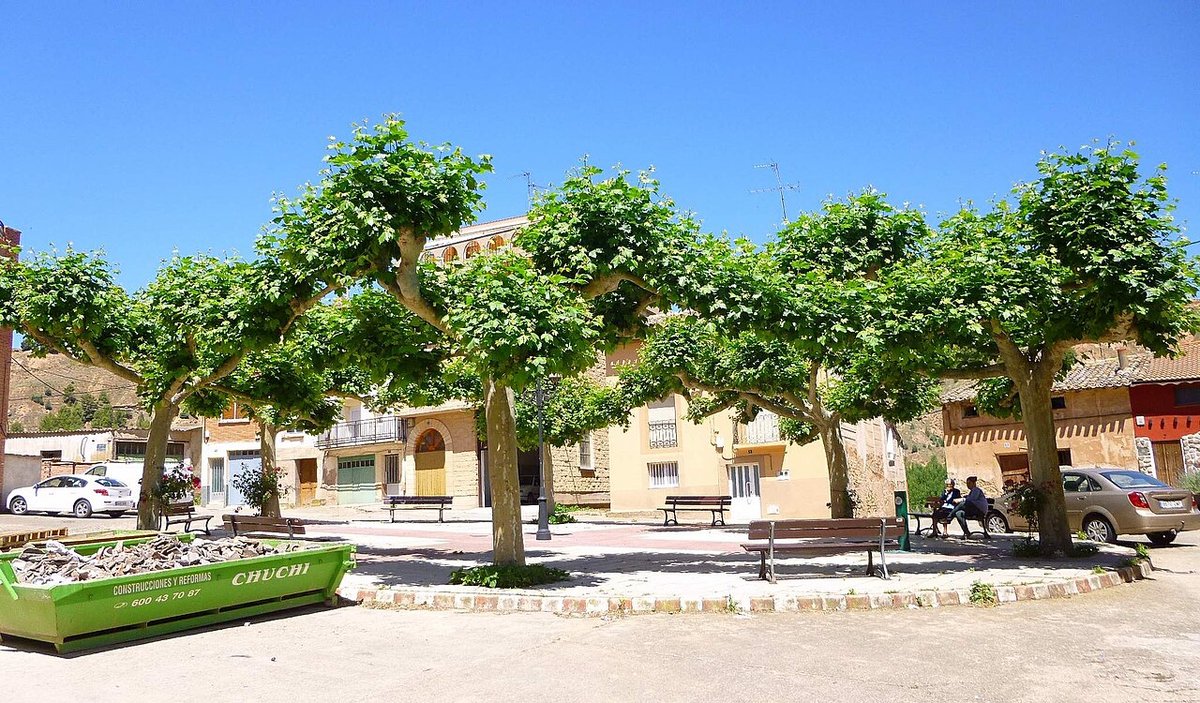
The tractors start at dawn. Not the rumble of massive machinery you'd expect in East Anglia, but the steady chug of modest farm vehicles that have been working these Riojan fields for decades. From El Redal's single main street, you can watch them disappear between rows of vines, their drivers raising a hand to neighbours already sweeping doorways or carrying bread from the tiny alimentación that's just unshuttered for the morning rush.
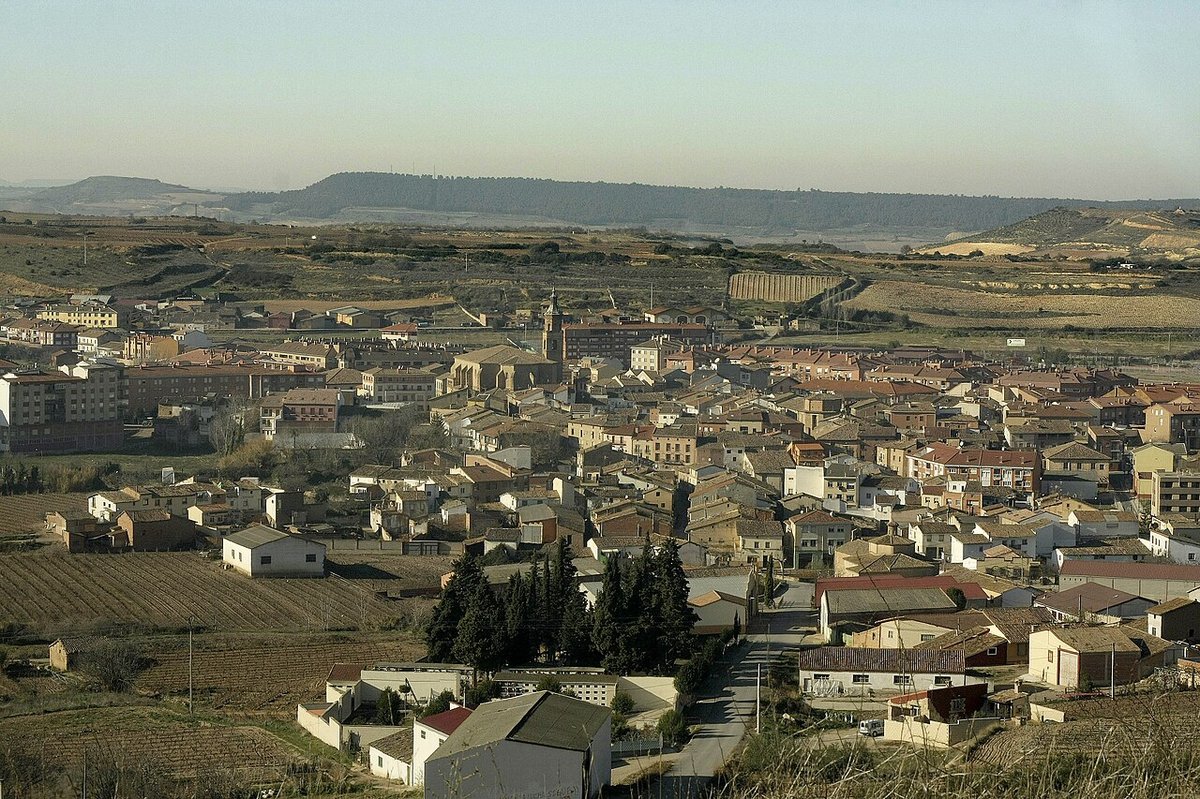
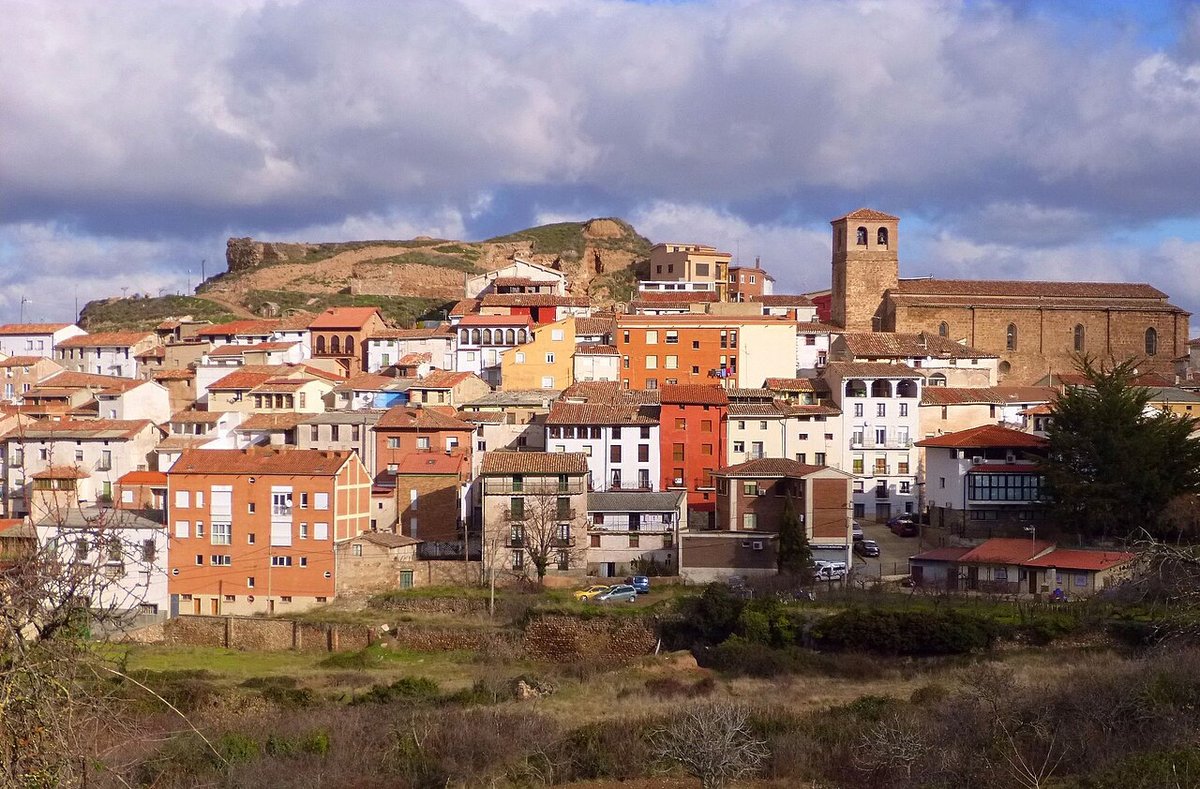
At 530 metres above sea level, this scatter of stone houses feels higher than it sounds. The air carries a clarity that makes the Sierra de la Demanda seem close enough to touch, though they're a good thirty kilometres distant. It's this altitude – modest by Alpine standards, significant for La Rioja – that gives El Redal its particular character. Summer mornings arrive fresh, even when Logroño's streets below are already radiating heat. Winter can bring proper frost, occasionally snow, and the village's population of 150 swells briefly with returning family members escaping city apartments for proper fireplaces and thick stone walls.
Walking Through Time and Terroir
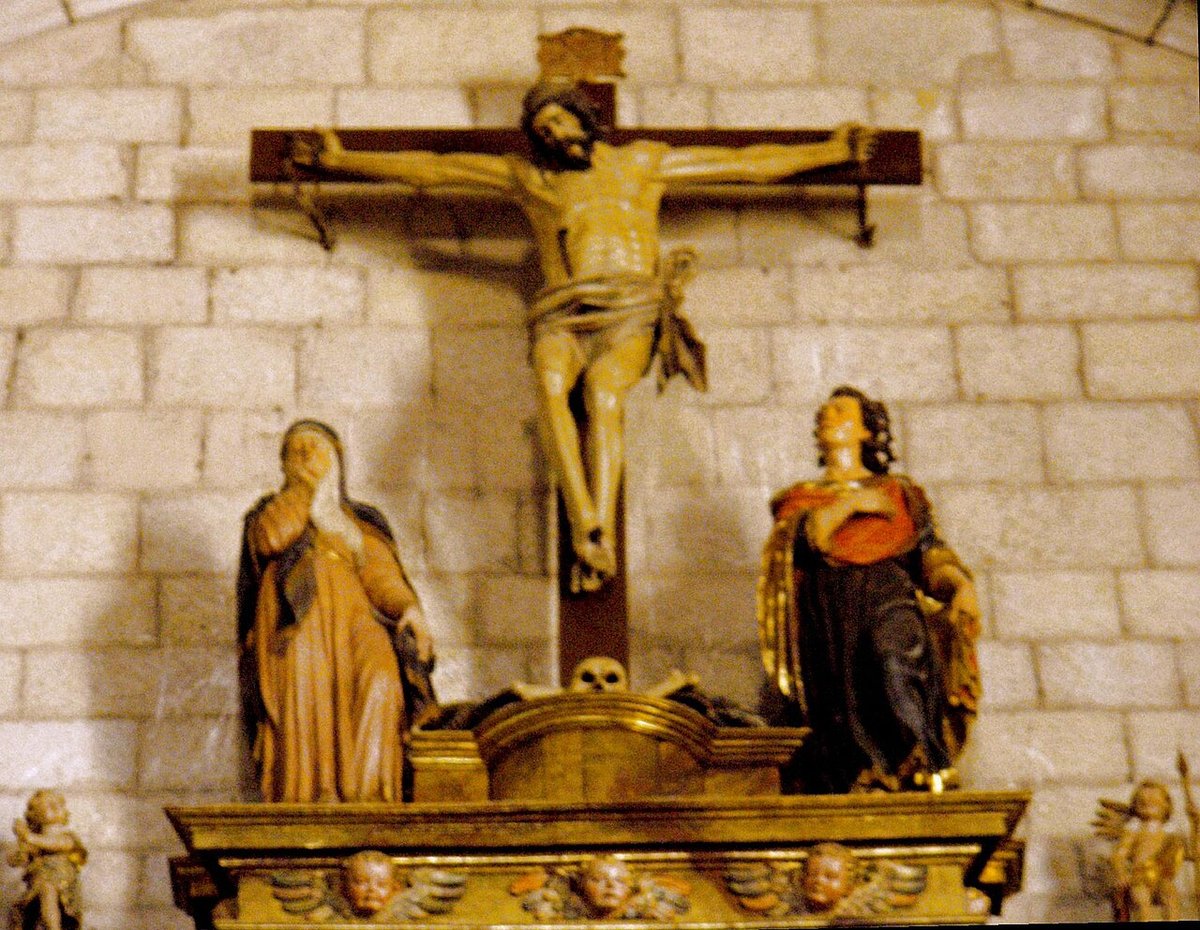
There's no official tourist office, no glossy map pointing towards 'sights'. Instead, the village reveals itself through walking. Start at the church tower, its stone weathered to a honey colour that photographers prize in late afternoon light. The interior won't overwhelm – this is practical Spanish Catholicism, maintained through centuries of agricultural prosperity and decline rather than baroque excess. Step outside and follow any lane that leads downhill. Within five minutes you're between vineyards, the soil sandy and pale, punctuated by gnarled vines that look impossibly old until you notice the fresh green shoots of recent plantings.
The walking here suits those who prefer proper exploration to signposted routes. Paths split and rejoin according to ancient field boundaries rather than modern waymarking. Take the track heading south-east and you'll reach an ermita so modest it could be mistaken for a farm outbuilding. Inside, the single altar bears fresh flowers from someone's garden – proof that these buildings still serve their communities rather than existing as museum pieces. Beyond lies the real reward: a ridge that drops away to reveal the Ebro valley spread like a map, vineyards giving way to cereal fields, the river a silver thread in the distance.
Season transforms everything. April brings luminous green, young vines plotting neat lines across hillsides. By July the landscape has shifted to gold, fields bleached by sun that makes midday walking unpleasant rather than impossible. October delivers the photographers' favourite palette: ochre earth, reddening vines, and stone walls warm against sharp blue sky. Each season demands different footwear – spring paths can turn to clay, summer requires solid soles against baked ruts, autumn might need something waterproof for morning dew.
Practical Realities Beyond the Postcards
Let's be honest about what El Redal isn't. There's no cash machine, no petrol station, no Sunday morning market. The alimentación opens at 9 am, closes for lunch, and might shut early if trade is slow. The nearest supermarket sits twelve kilometres away in Arnedo – plan accordingly. Mobile signal varies between patchy and non-existent depending on your network; Vodafone users seem to fare better than those on EE, though everyone eventually finds the sweet spot outside the church where four bars appear like magic.
None of this constitutes hardship, merely preparation. Fill your wallet in Logroño before heading up the LR-123, a road that winds through agricultural country where traffic consists largely of tractors and the occasional hire car containing British wine enthusiasts who've read about Rioja's 'undiscovered' villages. The thirty-minute journey feels longer than the distance suggests, not through poor road conditions but because you're climbing steadily, leaving behind the city's modern apartment blocks for something altogether more timeless.
Accommodation options reflect the village's scale. Casa de la Condesa offers four rooms in a converted manor house, its stone courtyard perfect for evening wine consumption. They'll light the barbecue on request, producing chuletón – massive lamb chops grilled over vine cuttings – that would satisfy the most demanding British carnivore. Alternatively, treat El Redal as what locals intend it to be: a peaceful base for exploring wider Rioja. Stay in Logroño or Arnedo, drive up for morning walks and afternoon star-gazing, retreat downhill when you need restaurants, shops, or simply more people.
When Darkness Falls
Here's where altitude delivers something special. El Redal sits within a certified Starlight Reserve, protected from light pollution by geography and legislation. On moonless nights the Milky Way appears with embarrassing clarity – that river of light we remember from childhood holidays but rarely see at home. Bring a red-light torch (Casa de la Condesa lends them) and walk five minutes beyond the last streetlamp. The village drops away below, vineyards become dark masses, and above unfolds a planetarium display that requires no ticket beyond sensible shoes and perhaps a bottle of local clarete – that chilled Riojan rosé which British visitors describe as 'summer in a glass'.
Winter transforms the night sky experience. Cold air carries less moisture, stars sharpen to pinpricks, and proper darkness arrives early enough that you needn't sacrifice dinner. Wrap up properly – mountain cold sneaks up on those accustomed to Mediterranean Spain's milder evenings – and reward yourself with patatas a la Riojana, that potato and chorizo stew whose mild spice won't traumatise sensitive palates.
The Honest Verdict
El Redal won't suit everyone. If your Spanish holiday requirements include beach bars, late-night clubs, or extensive shopping opportunities, keep driving. If you need constant digital connection for work emergencies, book elsewhere. But for those seeking what several British visitors have called "the Spain we hoped still existed" – where tractors set the daily rhythm, where neighbours know each other's business, where lunch remains the day's principal event – this tiny mountain village delivers authenticity without artifice.
Come for the walking, certainly. Come for the wine, inevitably. But perhaps come primarily for the reminder that places still exist where darkness means stars, where silence isn't absence but presence, and where the day's highlight might be watching evening light turn stone walls gold while somewhere below, a tractor heads home after the final vineyard pass.