Full Article
about Entrena
A farming and commuter village near Logroño, known for its pears and the Convento de Santa Clara.
Hide article Read full article
A short stop near Logroño
If you are heading to Entrena, leave the car on one of the streets at the edge of the village and continue on foot. The centre is compact and there is no need to drive through it. From Logroño, the capital of La Rioja, the journey takes only a few minutes. During the grape harvest, however, there is often heavy tractor traffic on the surrounding rural tracks.
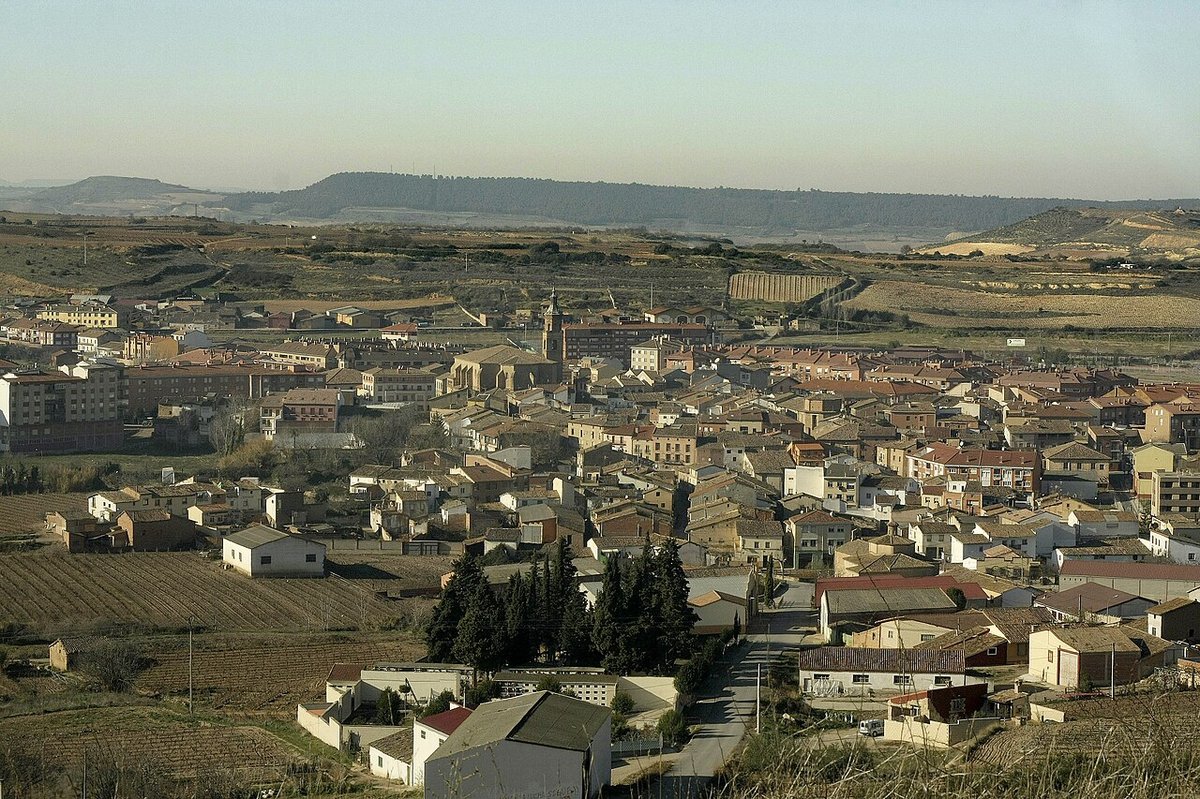
Entrena has around 1,600 residents and lives closely tied to its vineyards. It belongs to the comarca of Logroño and sits a short distance from the city. This is not a place designed to fill an entire day. It can be seen quickly, and what lies beyond the houses, the fields and the bodegas, explains more about Entrena than any single monument.
The shape of the village
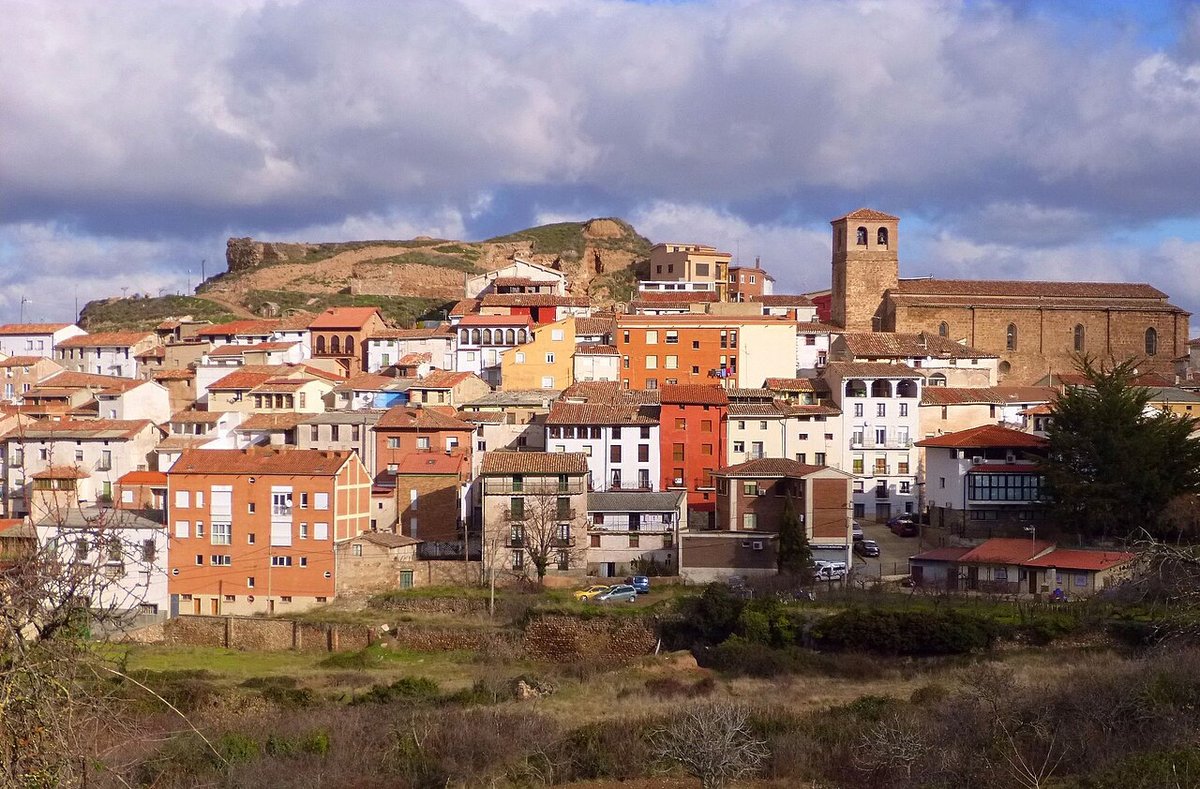
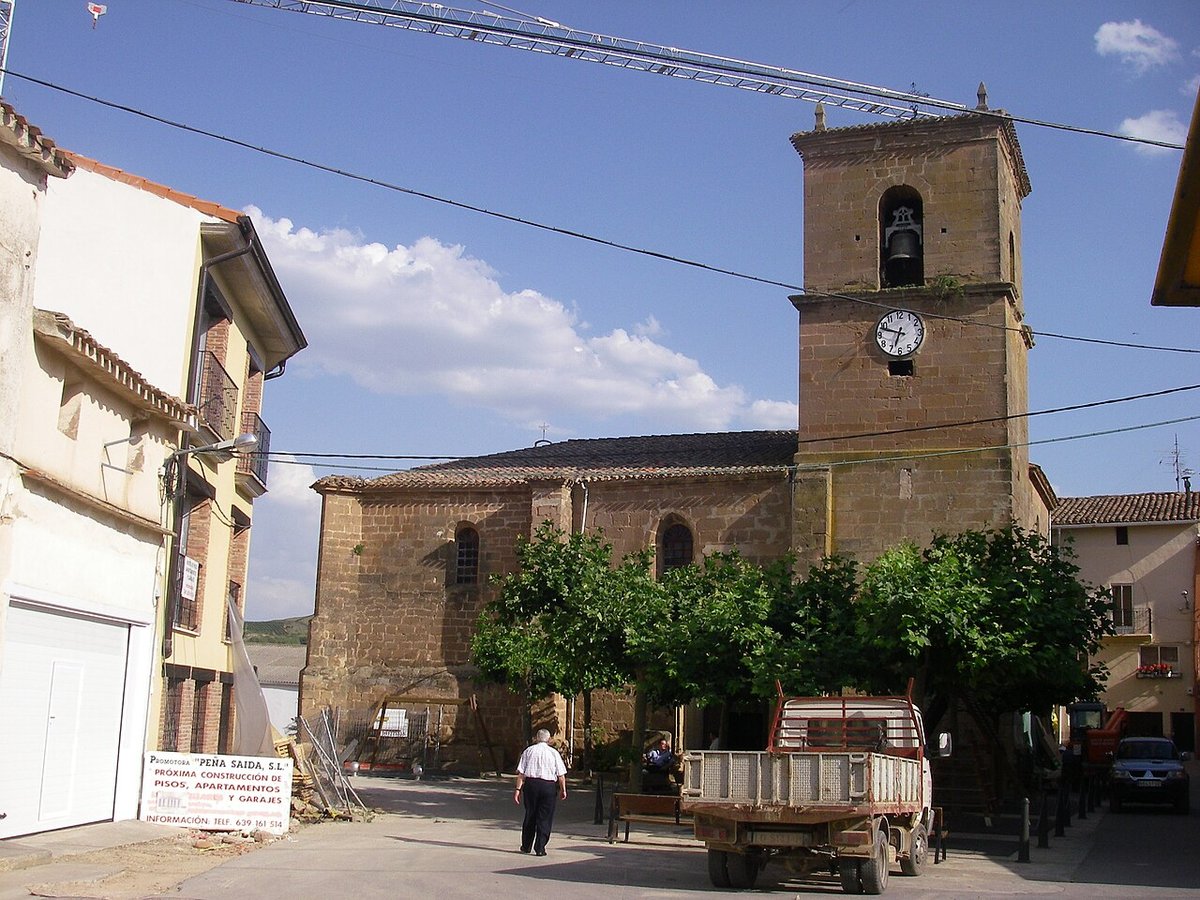
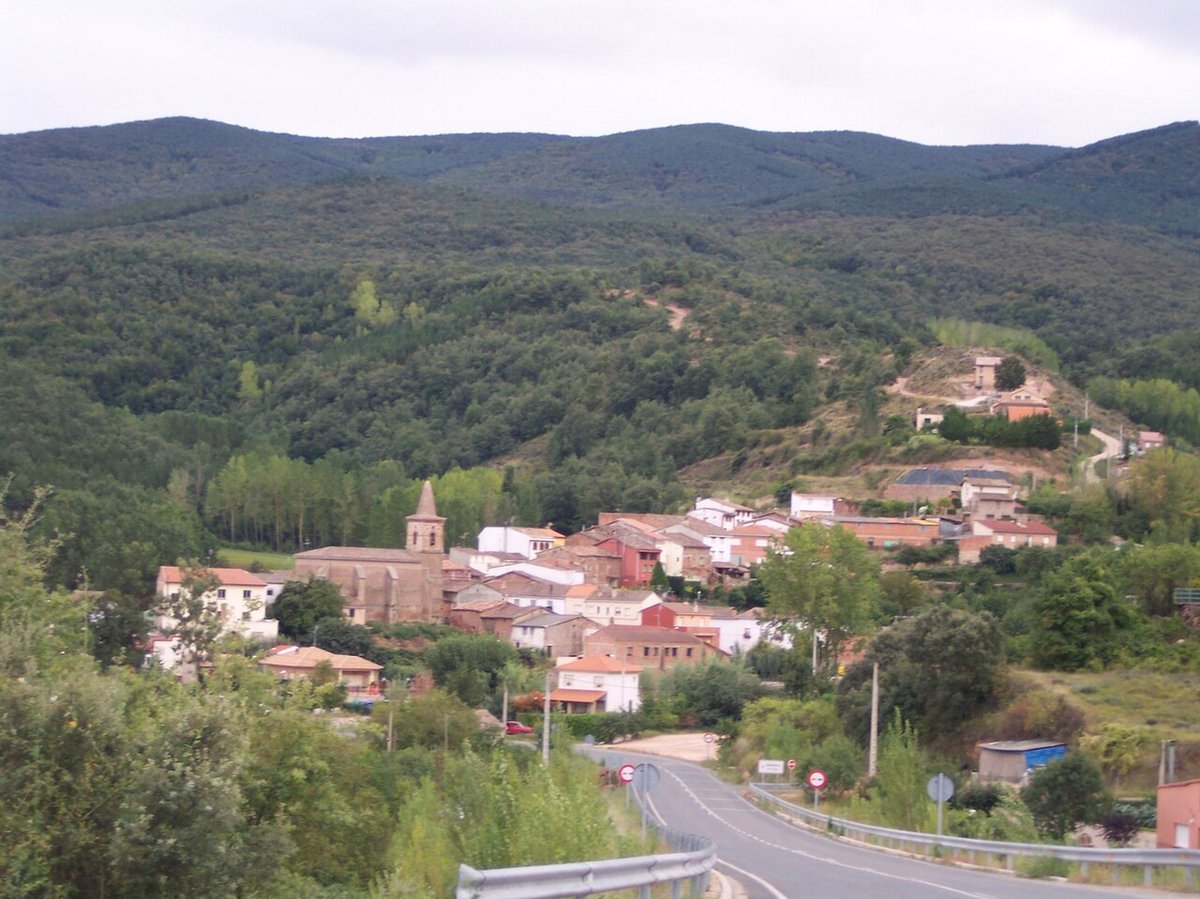
The obvious landmark is the church of San Andrés. It is large for a village of this size. Construction took place in different phases between the 16th and 17th centuries, which shows in the variation of materials and in some less uniform sections of the building. It is sometimes open during the day.
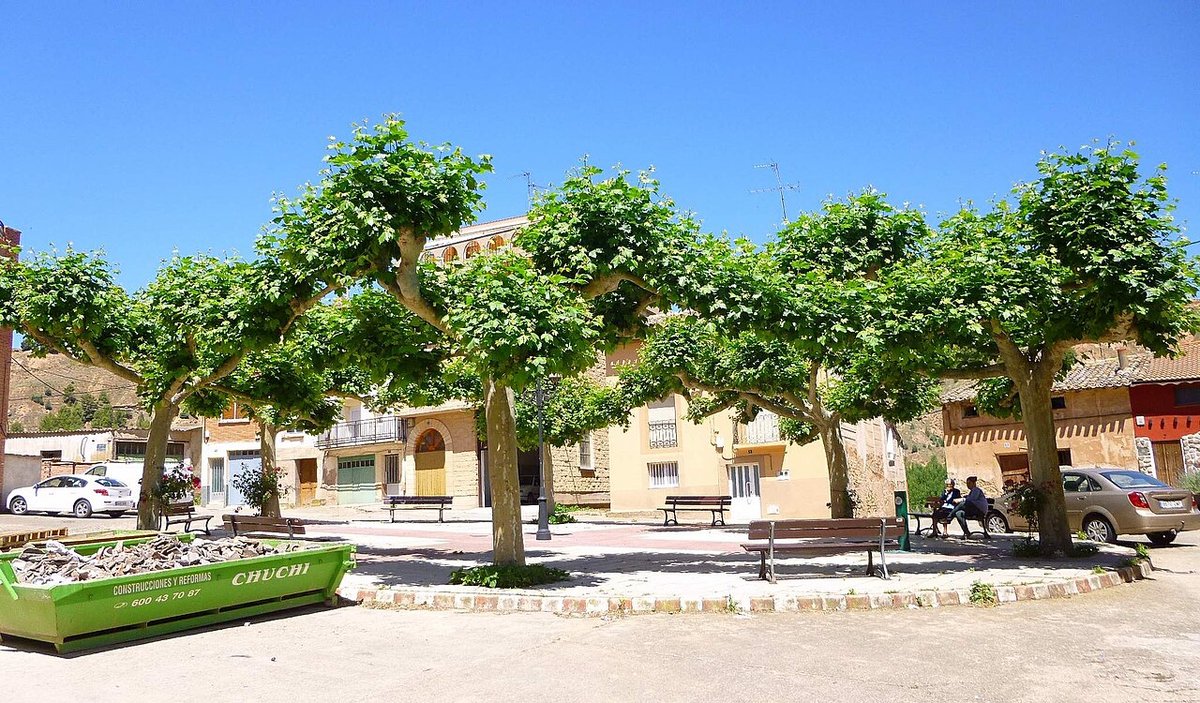
Around it are the main square and a handful of short streets. Brick houses stand beside a little stone, with wooden eaves typical of rural La Rioja. There are no major architectural surprises here. A brief walk is enough to understand how the village grew around the church and the square, expanding in small stretches rather than grand plans.
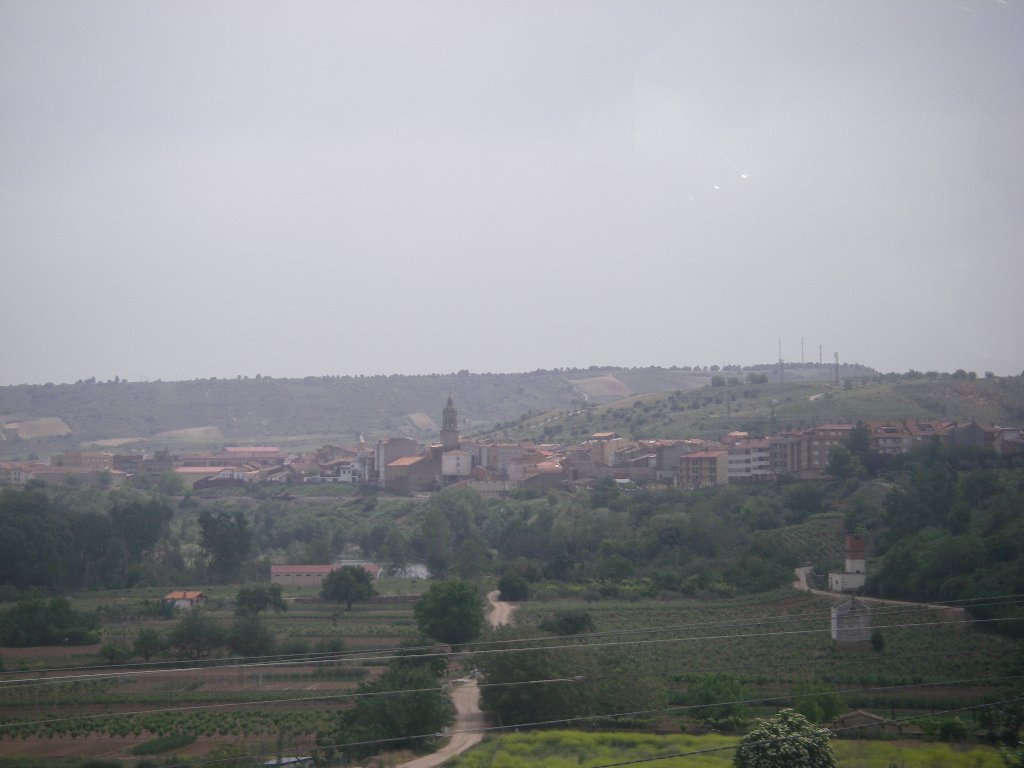
Once you leave the built-up area, the vineyards begin almost immediately. There is barely any transition. Within minutes, paved streets give way to open fields.
Walking through vineyard country
The most logical thing to do in Entrena is to walk along the agricultural tracks. Several paths circle the village and cross gently sloping vineyard plots. They are neither long nor dramatic routes, but they help make sense of the valley landscape.
The scenery shifts noticeably with the seasons. In winter the vines are stripped back, their bare branches standing over dry soil. Spring turns everything green. Autumn brings tractors loaded with grapes and increased activity at the bodegas as the harvest gets under way.
On clear days, the Sierra de Cantabria can be seen to the north, with a broad sweep of the Ebro valley stretching out below. The setting makes it clear why wine has shaped life here for generations.
Wine and small bodegas
Entrena lies within the classic territory of Rioja wine. Small, family-run bodegas are scattered across the municipal area. Some usually accept visitors if contacted in advance.
There are no large visitor centres and no facilities designed for coach tours. Wine here remains closely linked to daily agricultural work. If you happen to visit during the vendimia, the grape harvest, you are more likely to encounter working tractors and busy cellars than organised groups of tourists.
The pace is set by the needs of the vineyard. Plans tend to follow the rhythm of the countryside rather than the expectations of visitors.
If you only have two hours
With limited time, begin at the church of San Andrés. Take a look around the square and the nearby streets. In about twenty minutes, the core of the village can be covered at an unhurried pace.
Afterwards, leave the houses behind on foot and follow any of the tracks that run between the vines. Half an hour outside the urban area is enough to form a clear impression of the landscape that surrounds Entrena. The open views, the ordered rows of vines and the occasional passing tractor tell you more about the place than additional sightseeing would.
Before you come
Entrena does not have a long list of monuments. Travellers expecting an extensive historic quarter may find it limited. The church is the main architectural focus, and the rest is an active agricultural village.
During the vendimia, some rural tracks are occupied by machinery. It is best not to drive along narrow farm lanes at that time. Walking remains the simplest way to explore.
If you would like to visit a bodega, contacting them in advance is the usual approach. Arriving without prior notice does not always work. This is a community where everyday work in the fields comes first and tourism fits around it.
Entrena works best as a short stop near Logroño, a place to understand how closely village life in La Rioja is bound to the vineyard. The streets may be few, and the sights limited, but step beyond the last row of houses and the wider landscape quickly takes over.