Full Article
about Fuenmayor
Major wine hub with large bodegas; lively town full of noble mansions.
Hide article Read full article
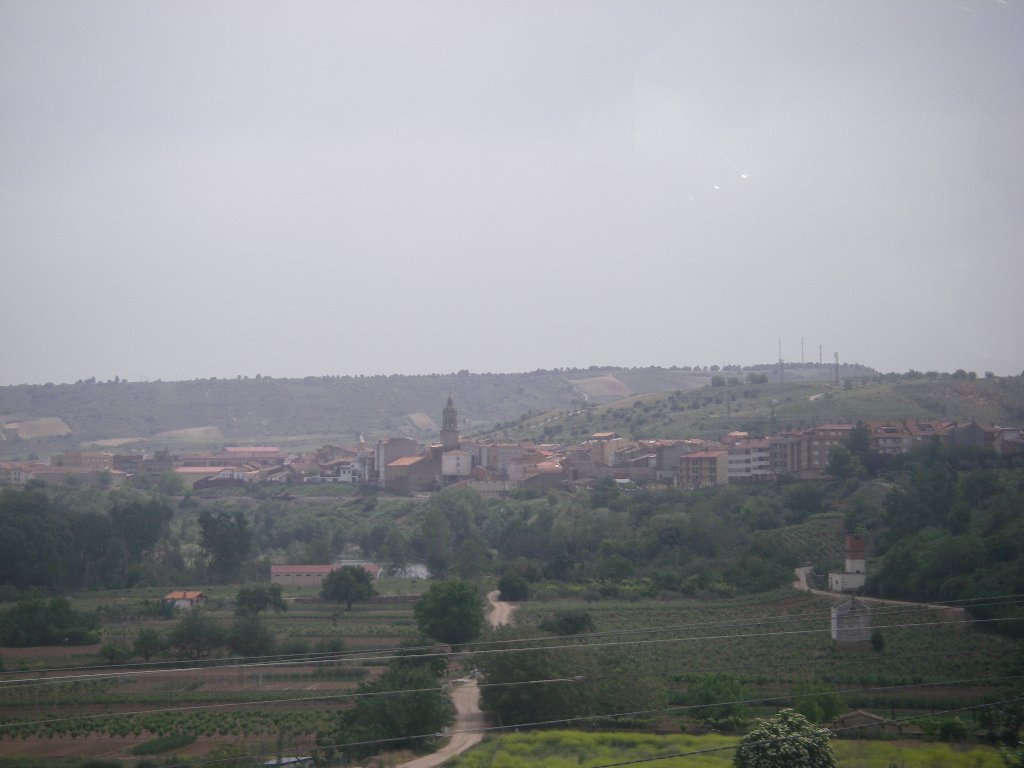
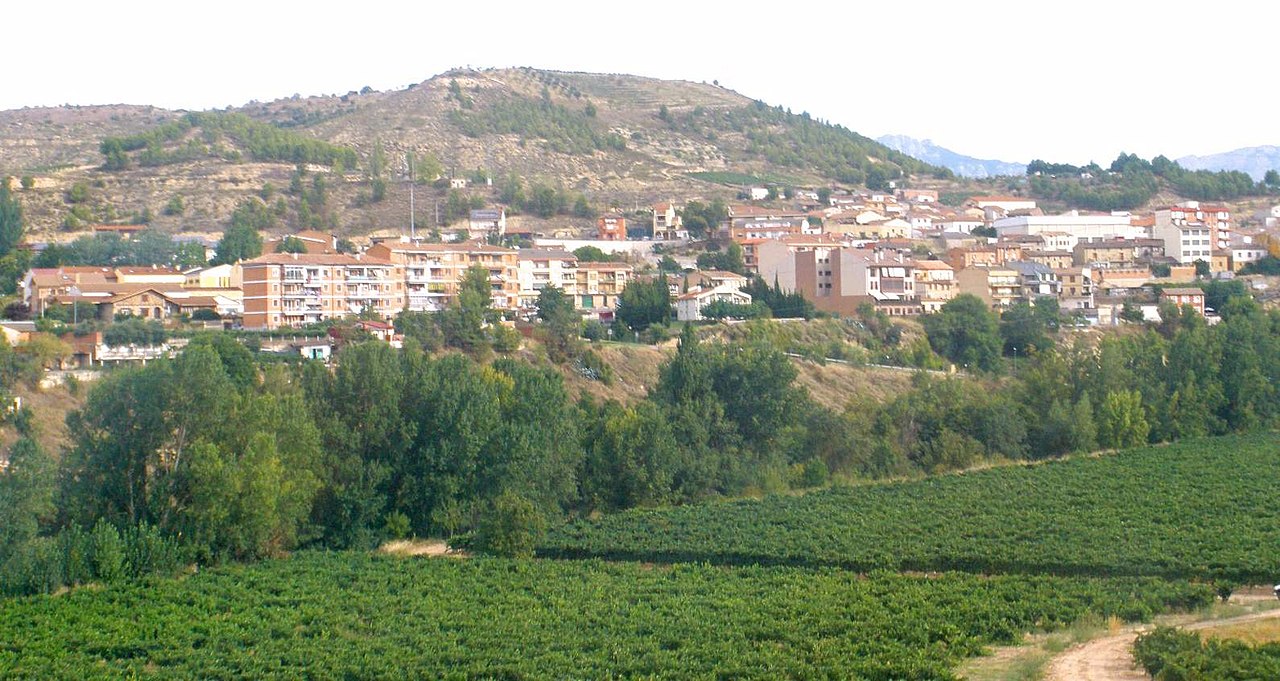
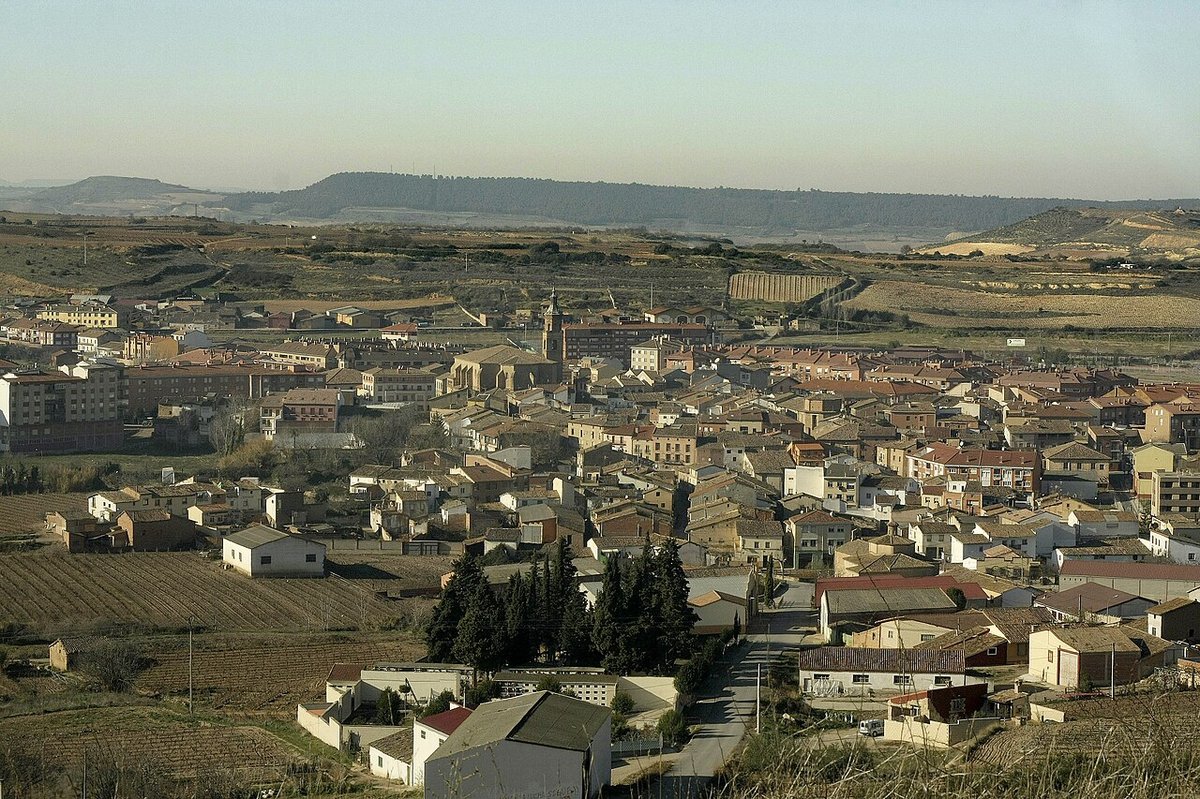
Eleven kilometres from Logroño, in the wide valley of the Ebro, tourism in Fuenmayor inevitably revolves around wine. By mid-morning, when the sun is already warming the vineyards, tractors often pass through the centre of the village loaded with crates during the grape harvest. It is not a staged scene. Fuenmayor continues to function as an agricultural community that has been tied to the vine for centuries.
Much of the municipal area is planted with tempranillo, garnacha and mazuelo, grape varieties that shape the wines of Rioja. In autumn, when the northerly cierzo wind blows, the smell of fermenting grape must can reach even the most central streets.
From Medieval Lordship to Wine Organisation
Fuenmayor appears in 11th-century documents linked to the monastery of Santa María la Real de Nájera, one of the major centres of power in medieval La Rioja. Like many settlements in this part of the Ebro valley, it first grew around cereal farming and later turned increasingly towards vineyards.
The episode that helps explain the present weight of wine came much later. In the 18th century, the Palacio de los Marqueses de Terán hosted meetings of the so-called Real Junta de Cosecheros de Rioja. In those rooms, growers discussed matters that now seem standard, prices, quality control and harvest dates, but which at the time represented an early attempt to regulate and organise the wine trade in the region.
That cooperative spirit remains visible. Numerous bodegas are concentrated in and around the urban centre, many of them family-run. Some preserve underground cellars, known locally as calados, dating back to the 19th century. These spaces, dug beneath houses and streets, kept wine at a stable temperature long before modern technology.
A Rebuilt Church and an Unusual Cinema
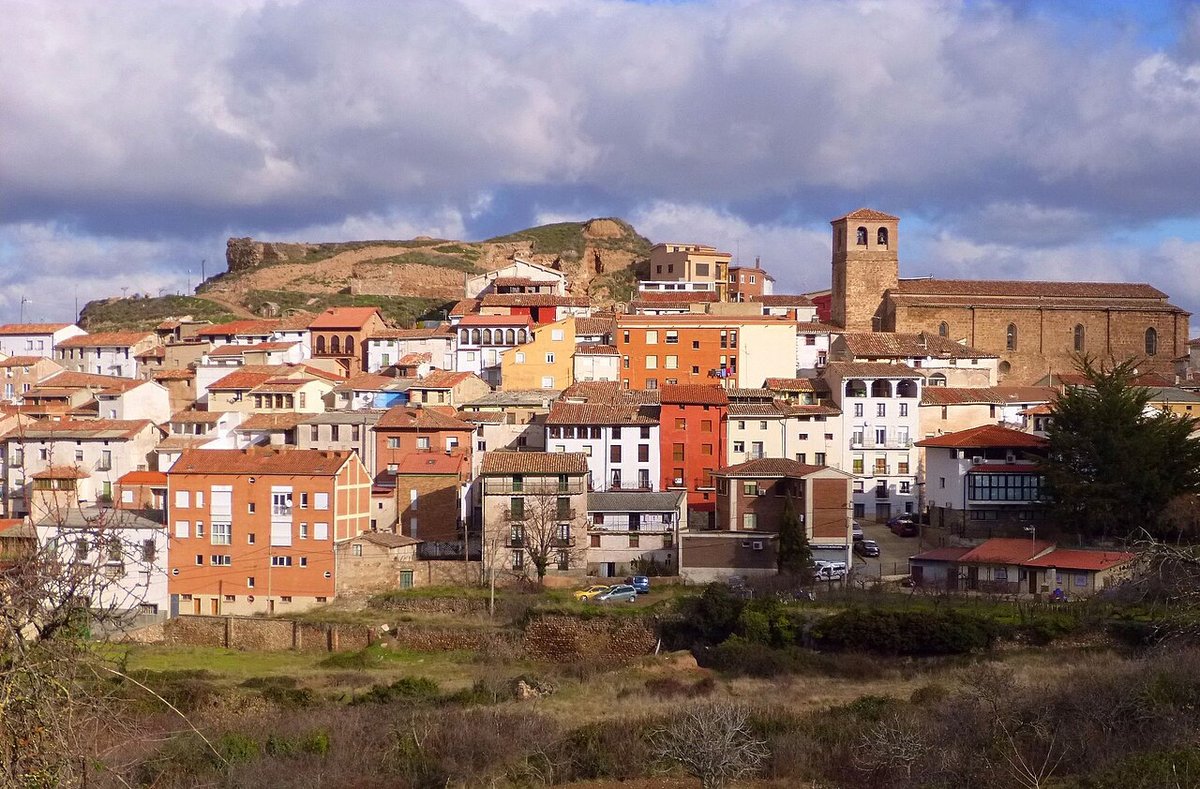
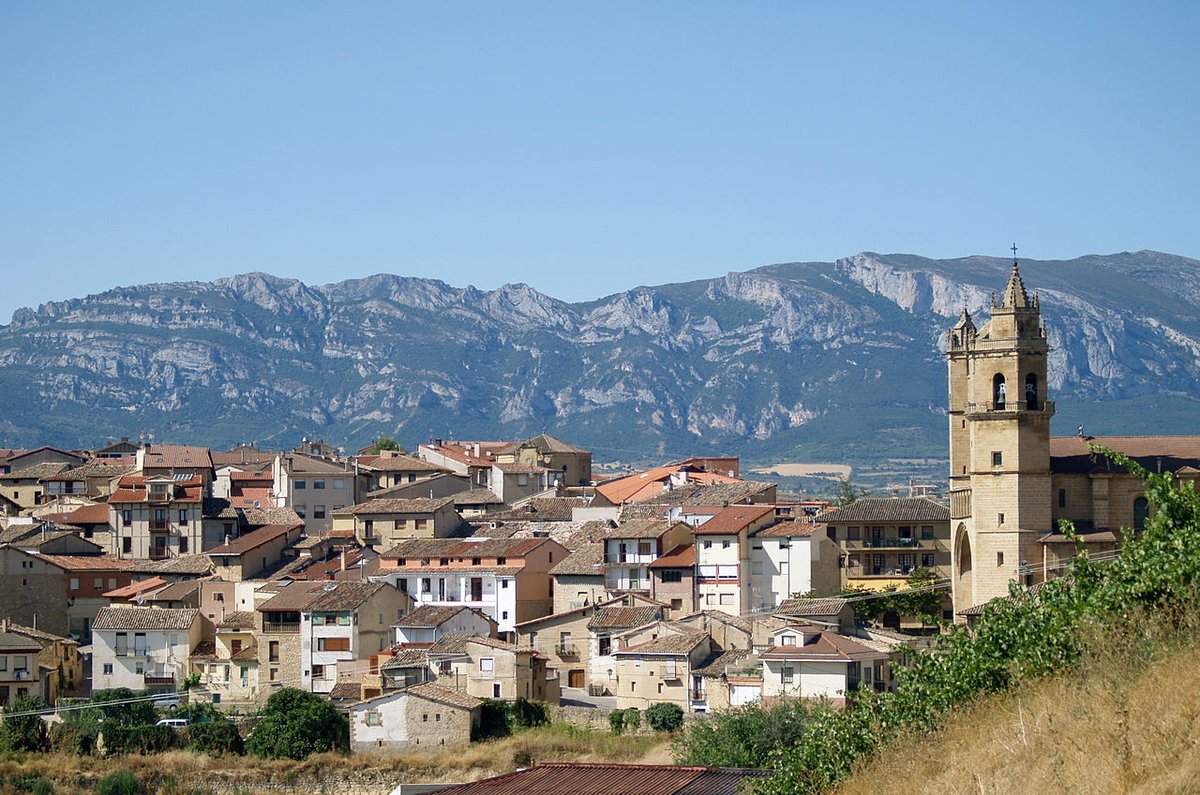
The parish church of Santa María dominates the village skyline. The main nave dates to the 16th century and records show that work was completed around 1540, with the involvement of stonemasons who were also active in other churches across the region.
The tower, however, is not the original. The previous structure collapsed in the 18th century after years of deterioration. The current spire is far more recent, erected at the end of the 20th century following a fire.
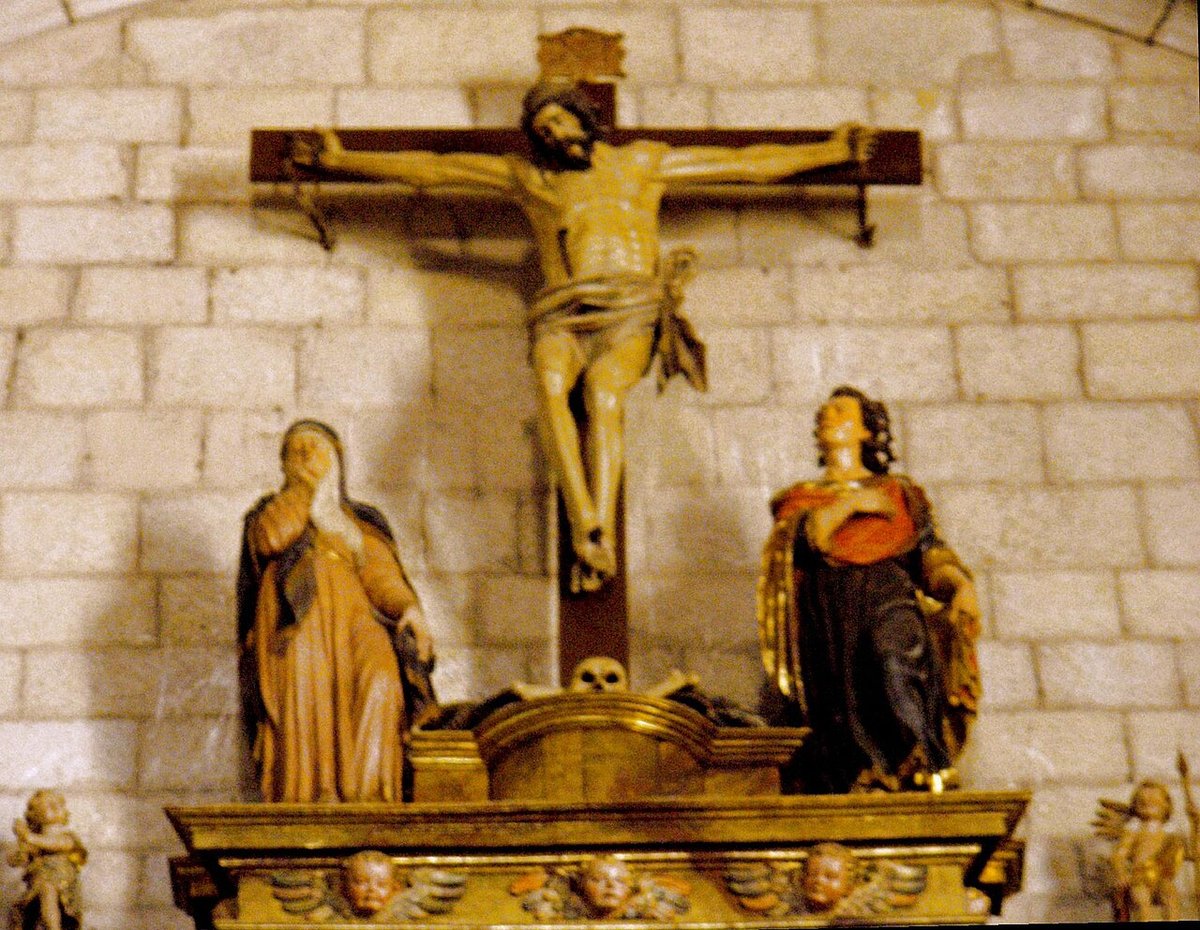
Inside, the atmosphere is restrained. The main altarpiece follows Neoclassical taste and does not aim for dramatic effects, yet certain architectural details recall the solidity of Renaissance construction. A stone staircase leading up to the choir is one such feature. During the Spanish Civil War, local accounts say that part of the parish archive was hidden in that space for safekeeping.
A short distance away stands the former village cinema, inaugurated in the 1930s. The building is frequently mentioned for its auditorium, which includes a suspended balcony without intermediate columns, a technical solution that is unusual in cinemas of small towns. The design is attributed to the architect Secundino Zuazo, who at the time was working on several major projects in Madrid. The hall is still used occasionally.
Los Marchos: Fire in December
On the night of 7 December, Fuenmayor celebrates one of its best-known traditions, the Fiesta de los Marchos. The custom, documented at least since the 19th century, consists of lighting bonfires at different points around the village.
For weeks beforehand, firewood is gathered, traditionally holm oak. At dusk the piles are set alight in doorways and squares. Potatoes are placed directly in the embers and roasted on the spot, then split open by hand and eaten simply with salt or paprika. Wine circulates from house to house, often coming from family bodegas.
By the following morning, the smell of smoke still lingers in the streets. Some of the ashes have traditionally been taken to nearby vineyards, a domestic practice that many residents remember even if it is no longer widespread.
Between the Ebro and Moncalvillo
The municipality lies between two contrasting landscapes. To the north, the river Ebro flows past groves and farmland. The long-distance footpath GR‑99, which follows the course of the river, passes through this area and allows walkers to continue towards nearby towns along largely flat stretches.
Heading south, the terrain changes quickly as the first slopes of the Sierra de Moncalvillo appear. From certain agricultural tracks and mountain paths, there are clear views across the valley, where a patchwork of vineyards extends towards Logroño.
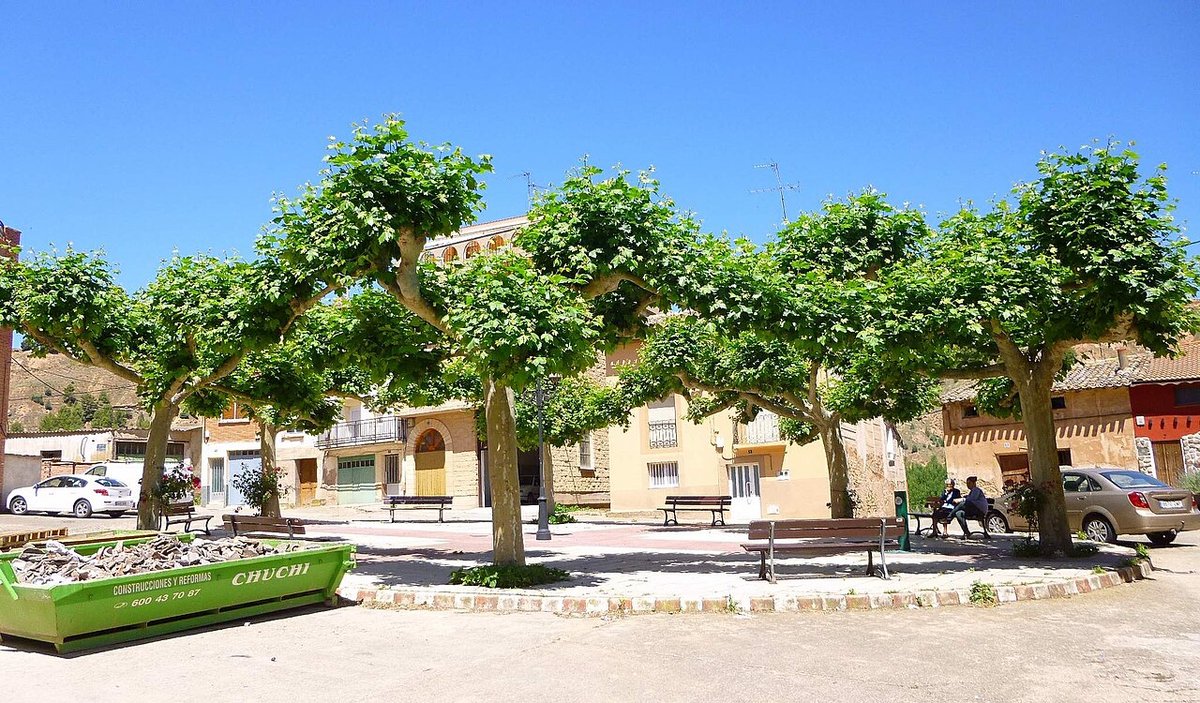
Within the village itself, a short signposted route links palaces, former bodegas and several historic calados. It is a brief walk, yet it helps explain how local architecture adapted over centuries to the needs of wine production. Houses, storage spaces and underground galleries form part of the same story.
Planning a Visit
Fuenmayor is very close to Logroño and can be reached in just a few minutes by road. The village is easy to explore on foot.
Bodegas generally welcome visitors, although many operate by prior appointment and it is wise to arrange this in advance, especially during the harvest season. In the urban centre, several civil buildings from the 17th and 18th centuries remain standing, and the parish church is usually the best starting point for orientation.
If time allows, it is worth leaving the immediate centre and walking towards the surrounding agricultural tracks. From there, the relationship between village and vineyard becomes clearer. Fuenmayor does not present wine as a museum piece. It remains part of daily life, visible in the landscape, the buildings and the calendar of local traditions.