Full Article
about Galilea
Ocón Valley village with an olive-growing tradition; overlooks the Ebro valley.
Hide article Read full article
A Village That Moves at Its Own Pace
Some places work like those old neighbourhood bars where you step in for five minutes and end up staying far longer than planned. Nothing dramatic happens, yet the rhythm shifts. Tourism in Galilea, in La Rioja, follows a similar logic. It sits just a few kilometres from Logroño and has around four hundred inhabitants, but on arrival the prevailing feeling is of somewhere that refuses to rush.
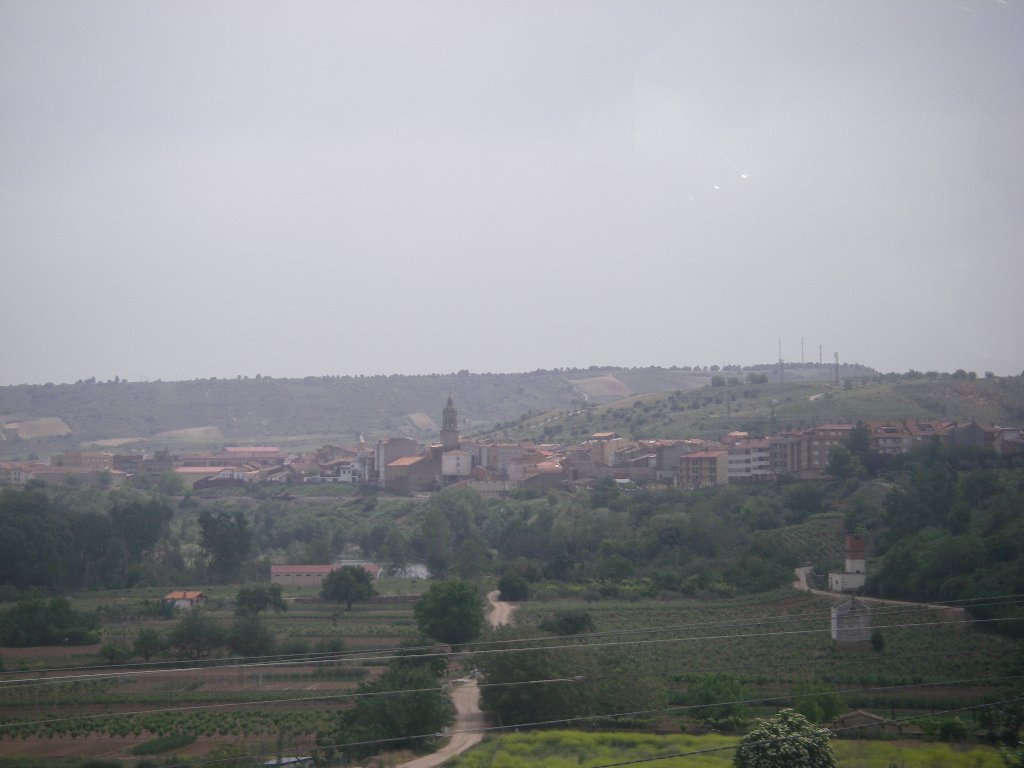
Life here has revolved around the land for generations: vineyards, some cereal crops and that particular silence that appears when you switch off the engine and hear only the wind or a tractor in the distance. The setting is straightforward, agricultural and lived-in. There is no attempt to dress it up.
Galilea does not announce itself with headline attractions. It simply continues with its routines, whether visitors are passing through or not.
The Heart of the Village
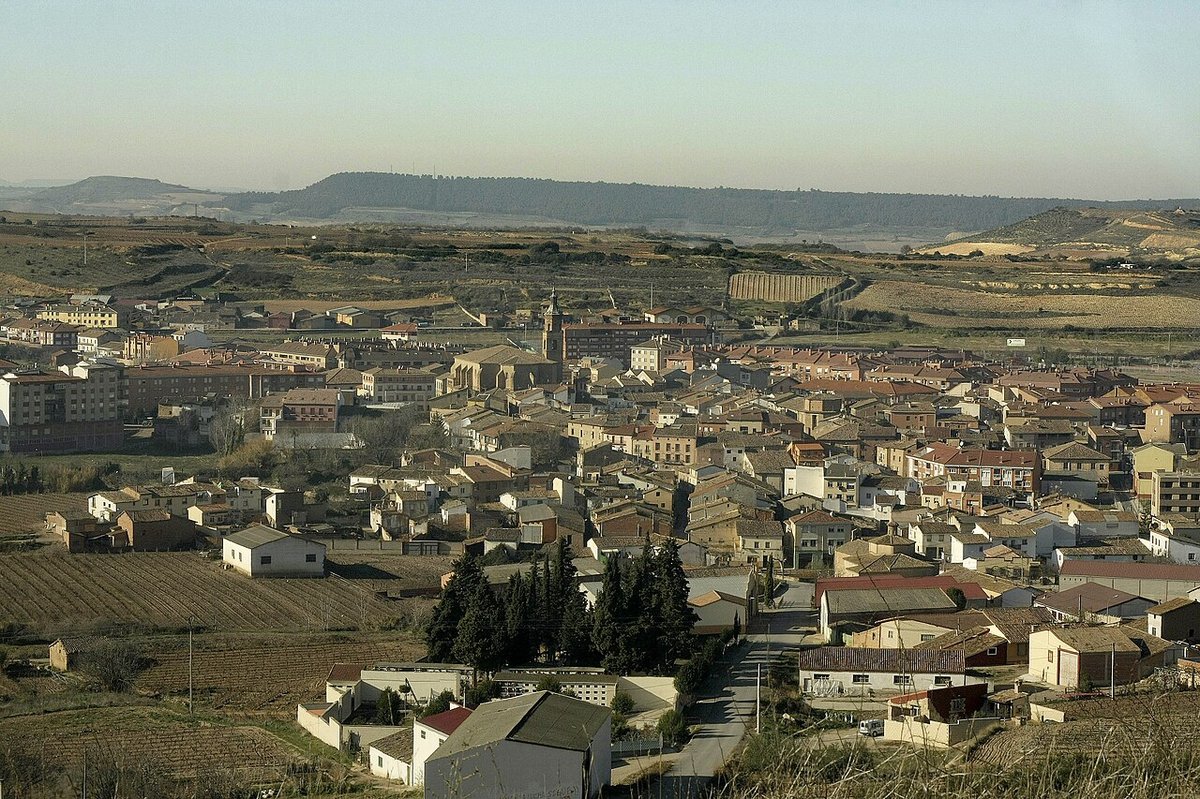
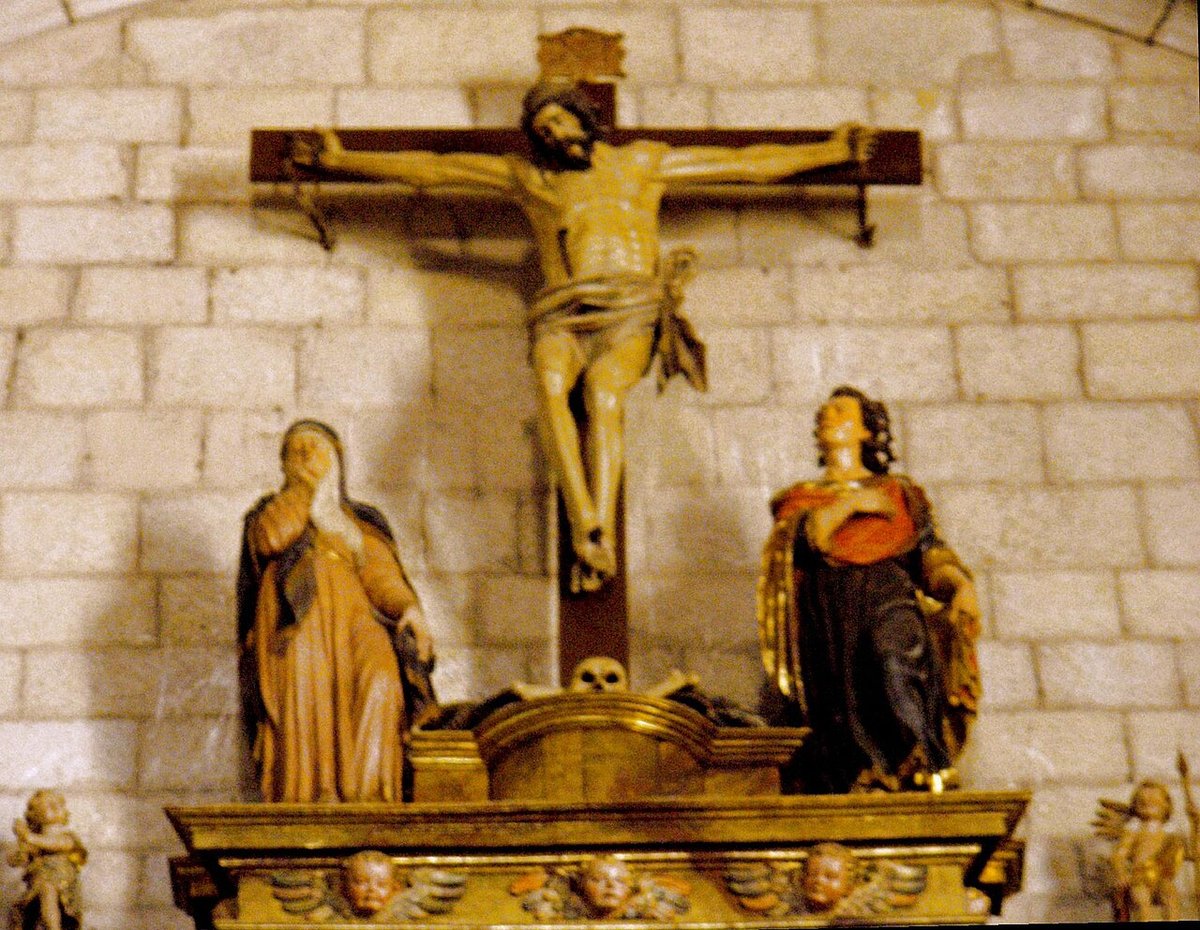
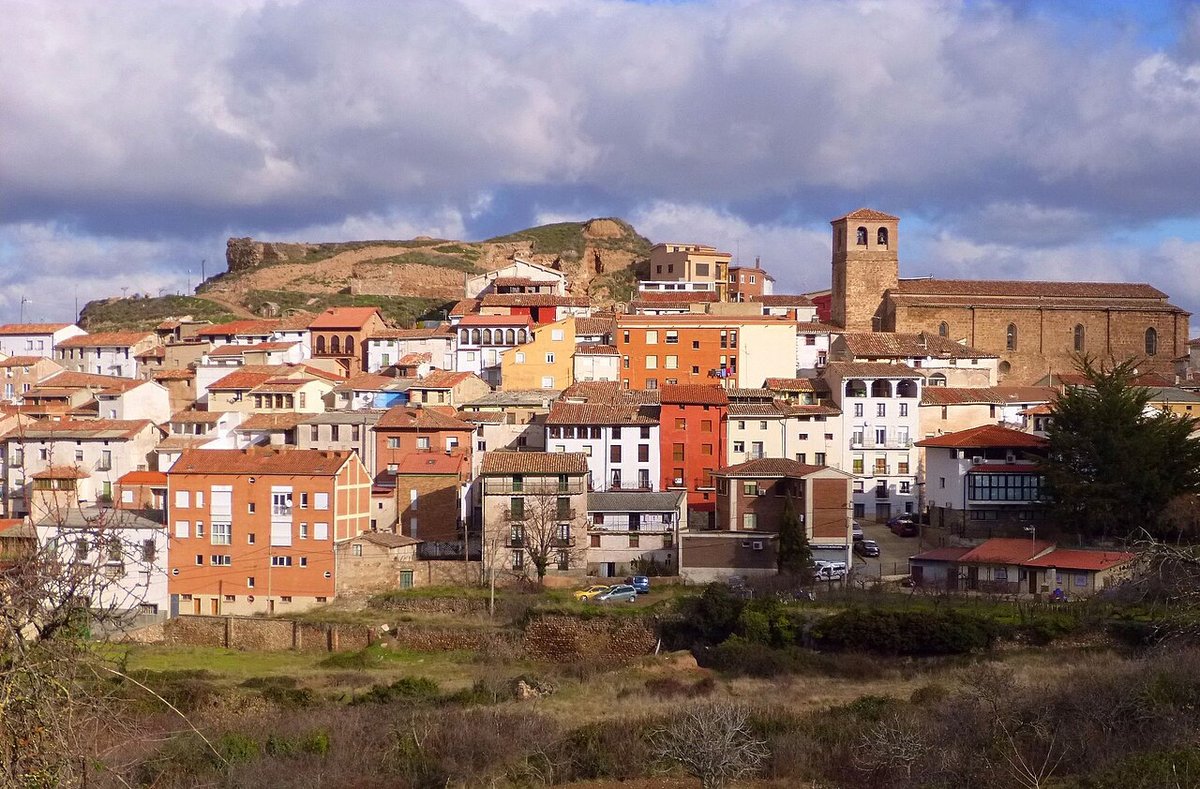
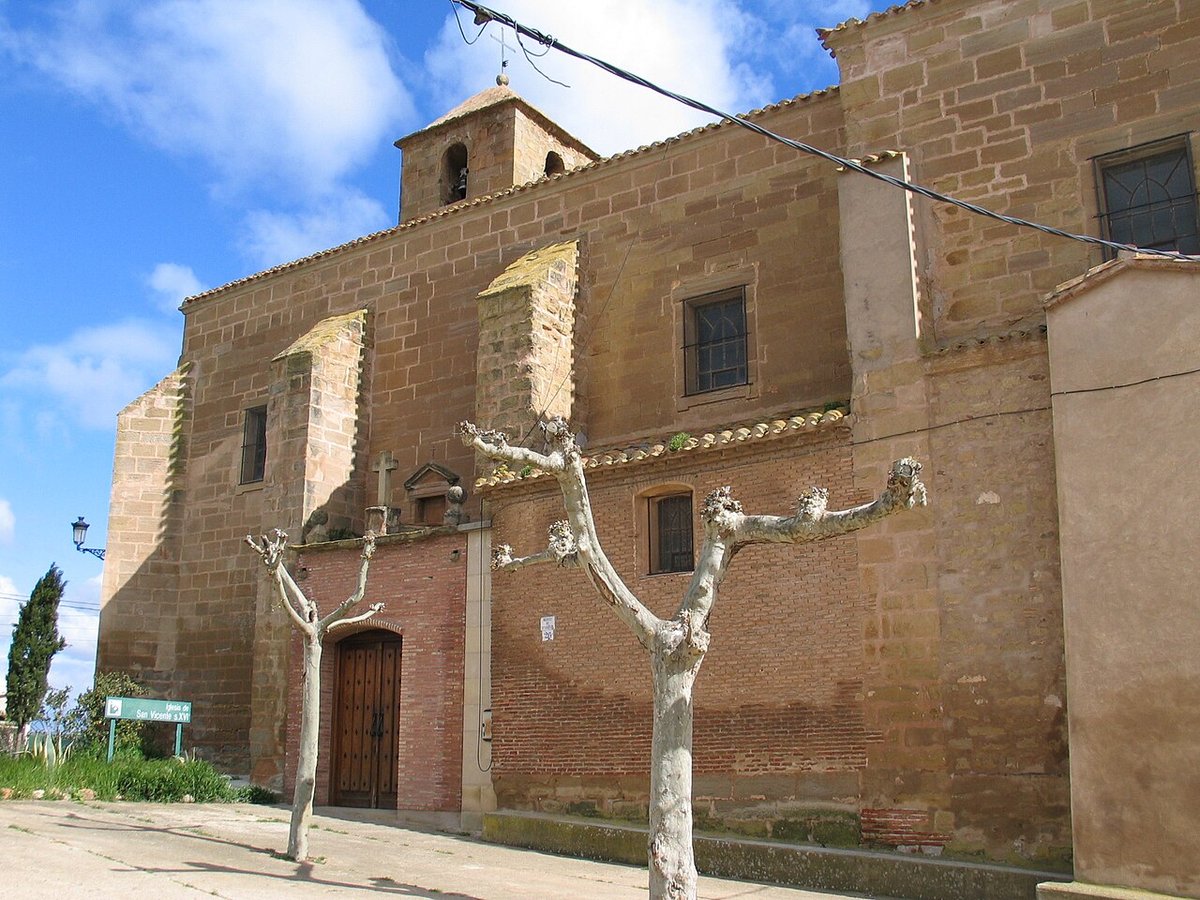
The centre of Galilea gathers around the parish church of the Inmaculada Concepción. It is not an imposing monument. Instead, it is the kind of building that has served its purpose for centuries without needing to draw attention to itself: brick construction, solid proportions and a bell tower visible from almost anywhere in the urban area.
A short wander around the surrounding streets is enough to understand the character of the place. The roads are brief, with a few gentle slopes. Houses show layers of time rather than restoration projects: wrought-iron balconies, heavy wooden doors worn by years of use and, here and there, a coat of arms on a façade hinting that certain families have been here much longer than any visitor.
Walk towards the edges of the village and the landscape opens quickly. There are no grand features to frame or interpret. Instead, vineyards stretch out alongside cultivated plots and soft hills. In spring the scene leans towards green. By summer and autumn, the palette shifts to drier, reddish tones so closely associated with this part of La Rioja.
The transition from street to field happens almost without noticing. One moment you are beside brick and timber, the next you are looking across rows of vines.
Paths Through Vines and Fields
Several agricultural tracks lead out from Galilea, connecting farms and neighbouring villages. They are the sort of routes locals use for a walk or a bike ride without needing specialist equipment. Expect dirt tracks, the odd gentle incline and plenty of open horizon.
For anyone who enjoys walking without checking the time, they work well. The route passes vineyards, the occasional farm building and, every so often, a view back towards the outline of the village receding behind you.
During the grape harvest, or vendimia, the atmosphere changes noticeably. There is more movement along these tracks, trailers piled high with grapes and teams working from early in the day. It is not an organised display for outsiders. It is simply the year’s work in progress. In those weeks, the vineyards see more activity than the road.
Galilea’s relationship with wine is practical rather than theatrical. The vines are there because they are part of the local economy and daily life, not because they form a scenic backdrop.
Dates That Still Shape the Year
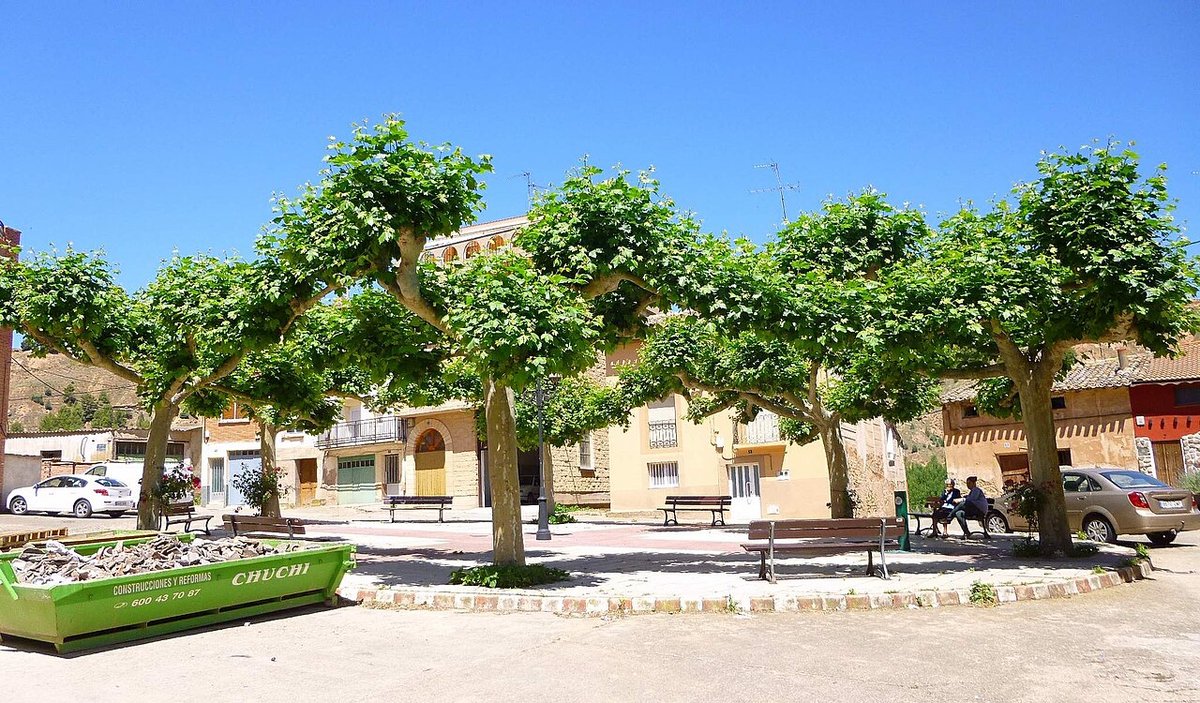
As in many small villages in La Rioja, the calendar in Galilea still revolves around local festivities. The celebrations dedicated to San Pedro tend to bring the liveliest days of the summer. They are simple affairs: events in the street, gatherings among neighbours and a noticeable increase in life around the main square.
In January, the tradition of San Antón continues with the blessing of animals. To an outsider it may seem like something from another era, yet in places where there remains a direct link to farming and livestock it retains its logic. The ceremony reflects that connection between community and countryside.
And then there is the vendimia. It is not framed as a formal festival, but it sets the rhythm of autumn all the same. For several weeks, work in the vineyards becomes the dominant activity. The season defines the pace of the village more than any scheduled programme could.
These dates matter because they are woven into everyday routines. They are less about spectacle and more about continuity.
Two Hours to Get Your Bearings
Galilea is not a destination that demands a full day of structured sightseeing. There is no need to pretend otherwise. In a couple of hours, it is possible to explore the urban centre at an unhurried pace, step inside or at least view the church of the Inmaculada Concepción, wander through the streets and then head out along one of the tracks between vineyards to look back at the village from outside.
Places like this often resemble the pause in the middle of a long journey, when you stop to stretch your legs. It was not the main objective, yet it lingers in the memory. Galilea fits comfortably into a wider route through La Rioja, especially for those moving between Logroño, the area of Rioja Baja or following a wine-focused itinerary across the region.
Most people arrive in passing. In that sense, the village functions well as a short stop that resets the pace before continuing elsewhere.
What Often Goes Unnoticed
There are no major monuments or dramatic viewpoints here. What Galilea offers is more discreet: the sense of a working agricultural village that continues to operate as such. If you pause and pay attention, tractors come and go, neighbours greet each other by name and the rhythm feels different from that of a city.
The appeal lies in observing that normality. Nothing is staged. Daily life unfolds whether or not anyone is watching. The fields still require attention, the vines still need tending and the church bell still marks time.
In a region known internationally for its wine, it is easy to focus on large wineries or more prominent towns. Galilea shows another layer, one grounded in small-scale agriculture and local routine.
Practical Notes Before You Go
Arrive without inflated expectations. Galilea is not a historic quarter packed with monuments, nor a village designed to receive coaches of visitors.
Parking is usually straightforward on the streets near the centre. The village can be covered on foot in a matter of minutes, so it makes sense to leave the car and walk.
If heading out along agricultural tracks, use common sense. When the ground is wet they can become muddy, and during busy periods in the farming calendar it is important not to obstruct machinery at work.
One final detail: if you would like to enter the church or visit one of the wineries in the surrounding area, it is normal to ask in advance. Many things here still depend on the timetable of the countryside rather than a fixed sign on the door.