Full Article
about Hornos de Moncalvillo
Town on the Moncalvillo slope; known for its old mines and forested setting.
Hide article Read full article
A small village that slows everything down
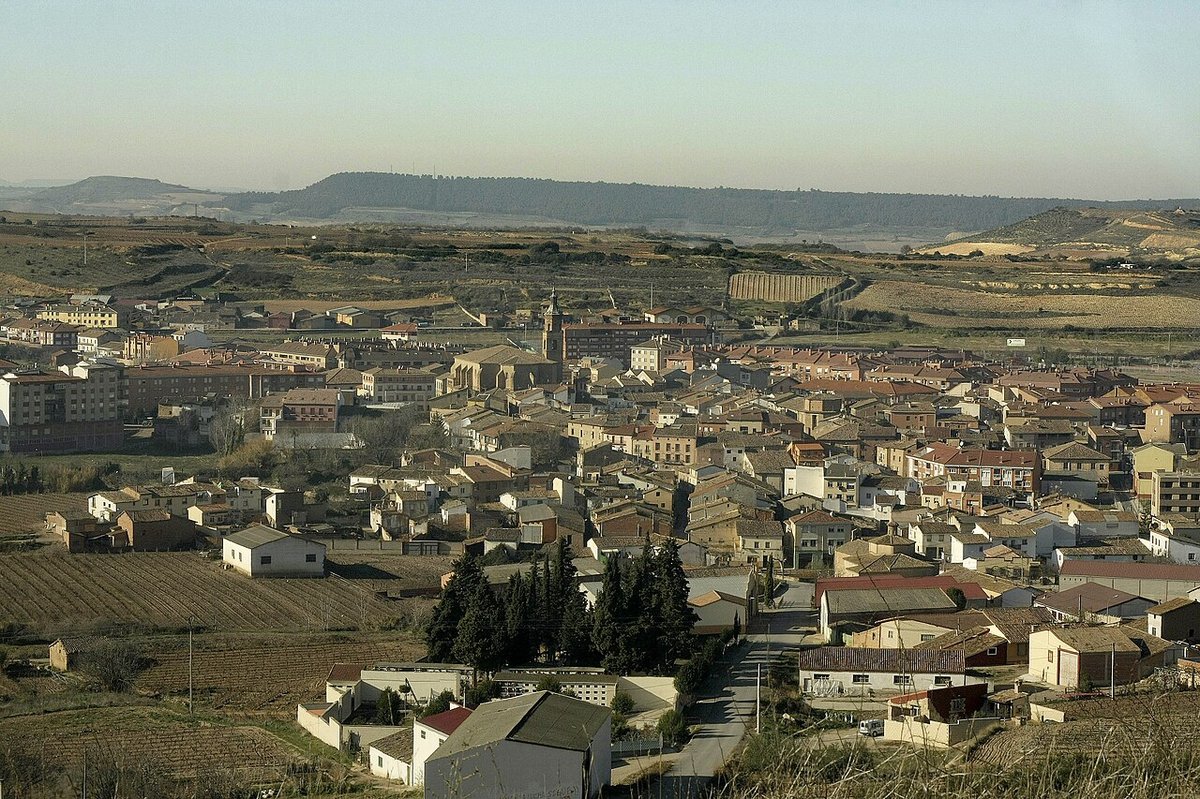
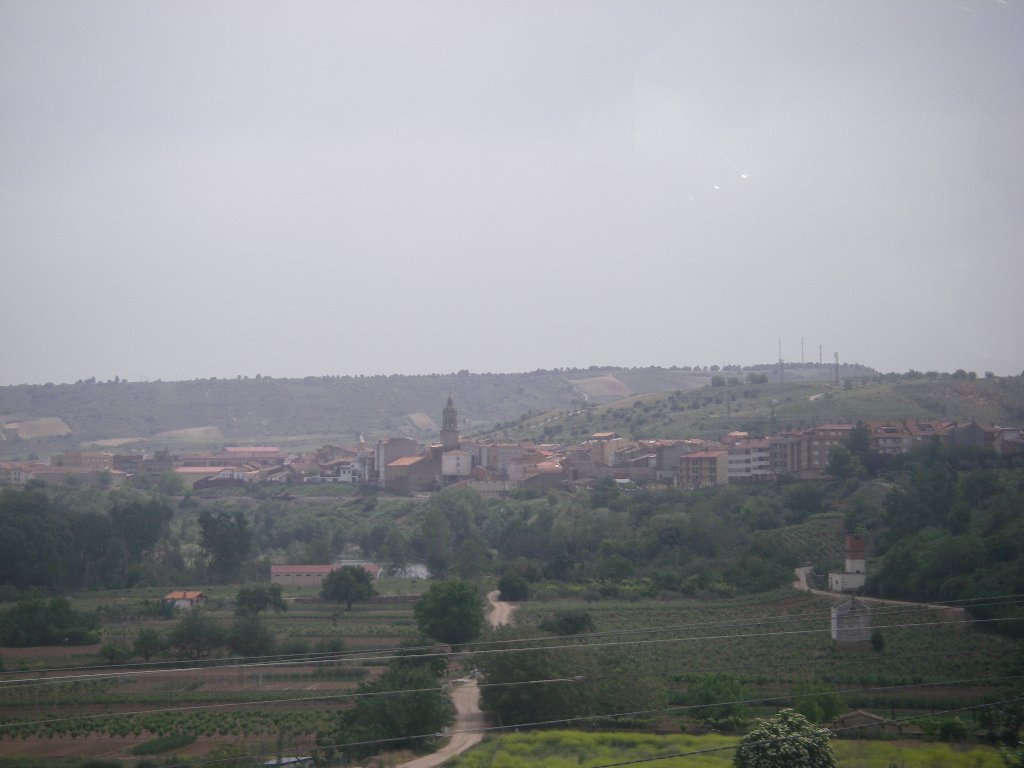
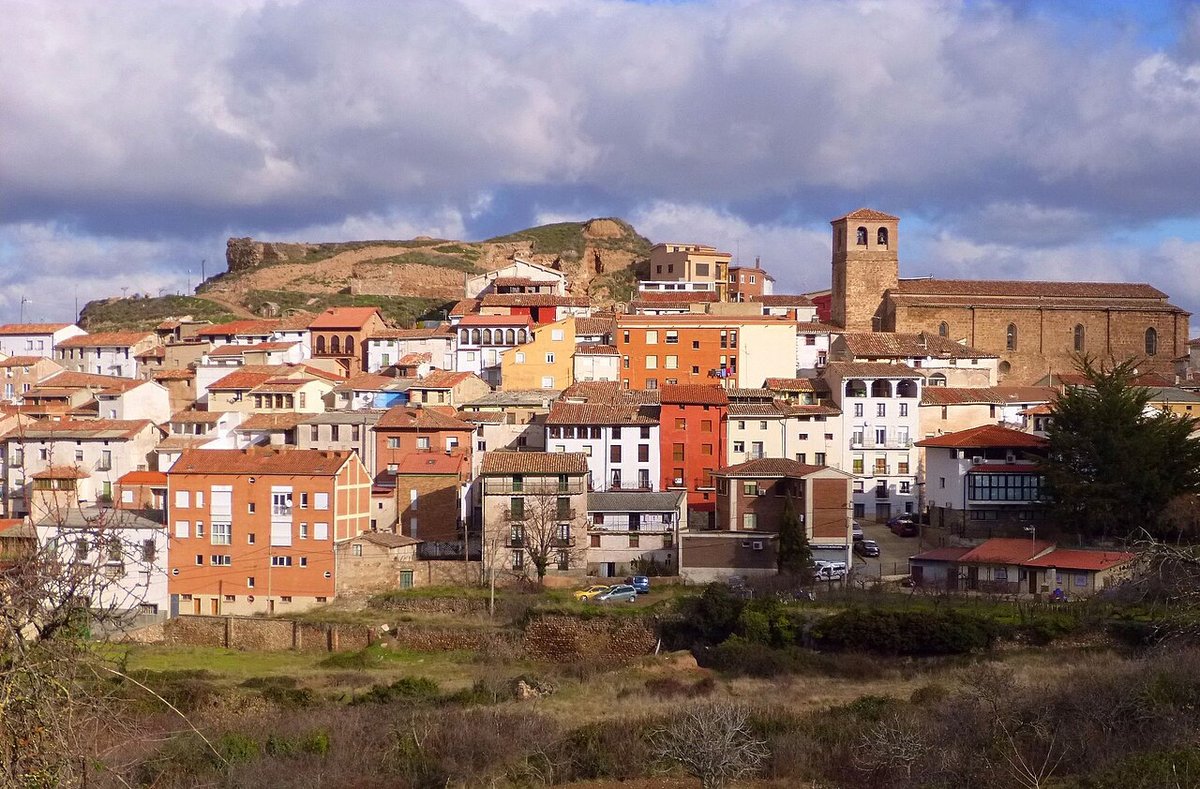
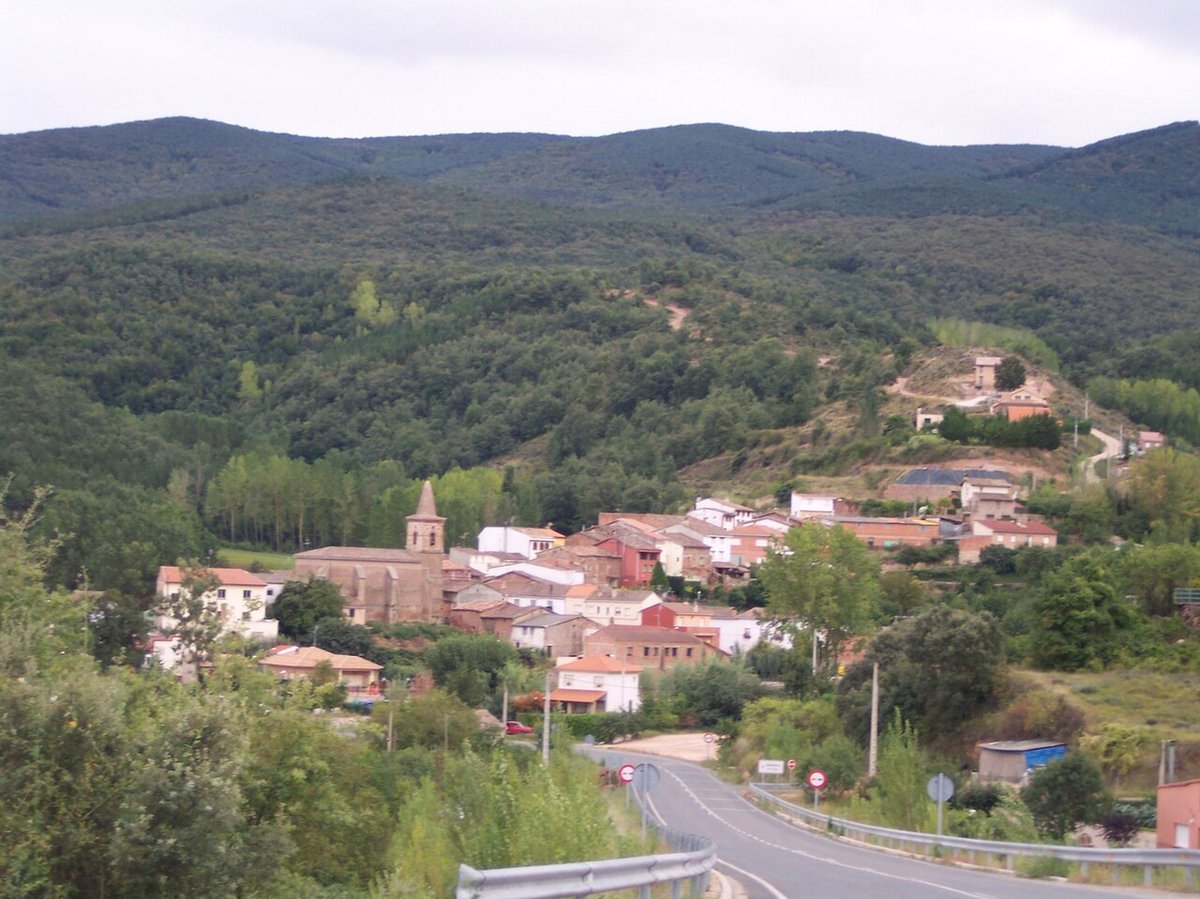
Hornos de Moncalvillo is the kind of place that turns a quick roadside stop into a longer pause than expected. You pull over, step out, and the first thing you notice is the quiet. Open fields stretch out, a handful of houses sit together on a rise, and there is very little movement. Fewer than a hundred people live here, so the pace is naturally slow.
It lies just a few kilometres from Logroño, yet the atmosphere shifts quickly as you approach. The village grew around old kilns once used to fire lime and bricks, which explains its name. Today, what remains is more a matter of local memory and references than visible structures.
The church and streets shaped by time
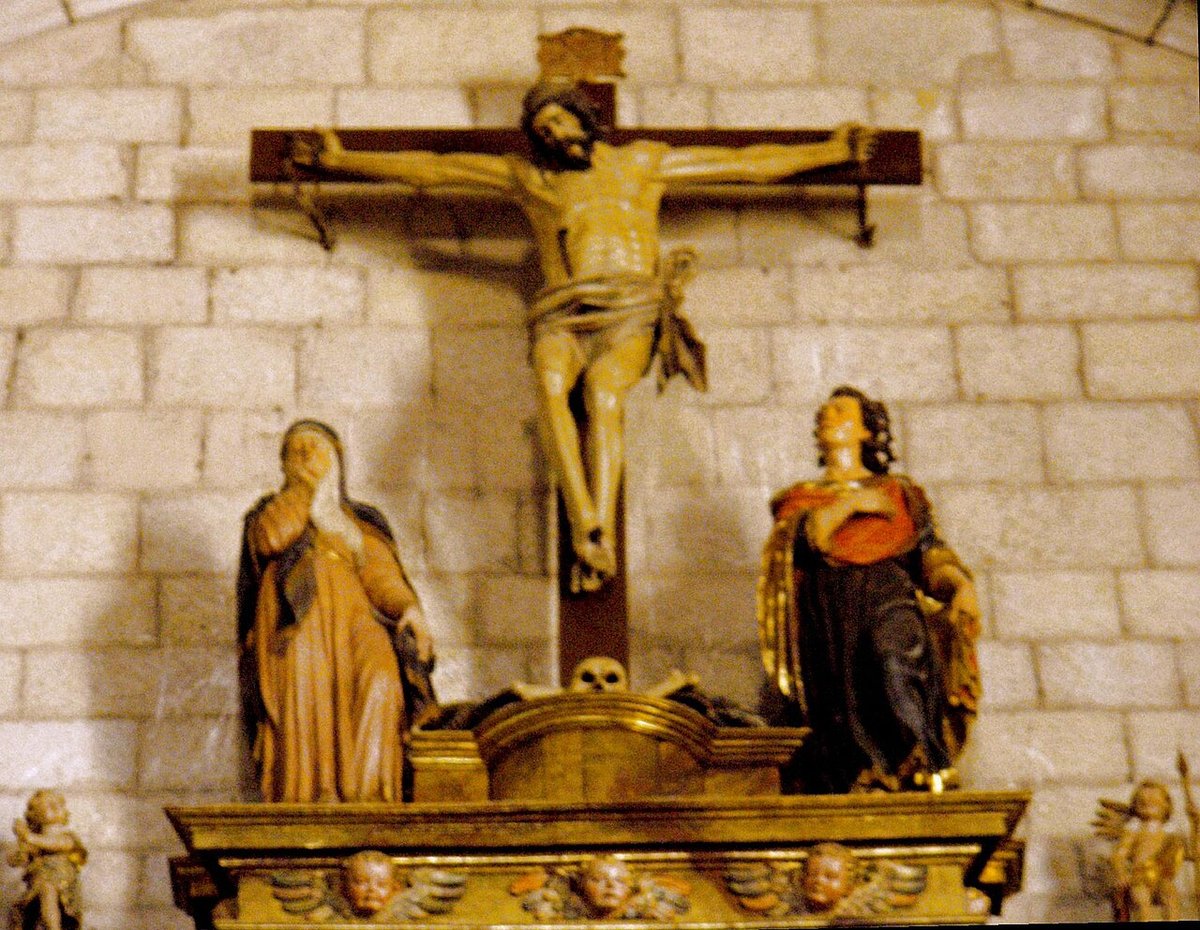
The parish church of San Miguel Arcángel stands out as soon as you enter the centre. It is not an elaborate building, but it has a solid presence, the kind that has watched generations pass by. If it happens to be open, inside there is a rather interesting Baroque altarpiece. That said, it is often closed outside of services, so finding it accessible is not guaranteed.
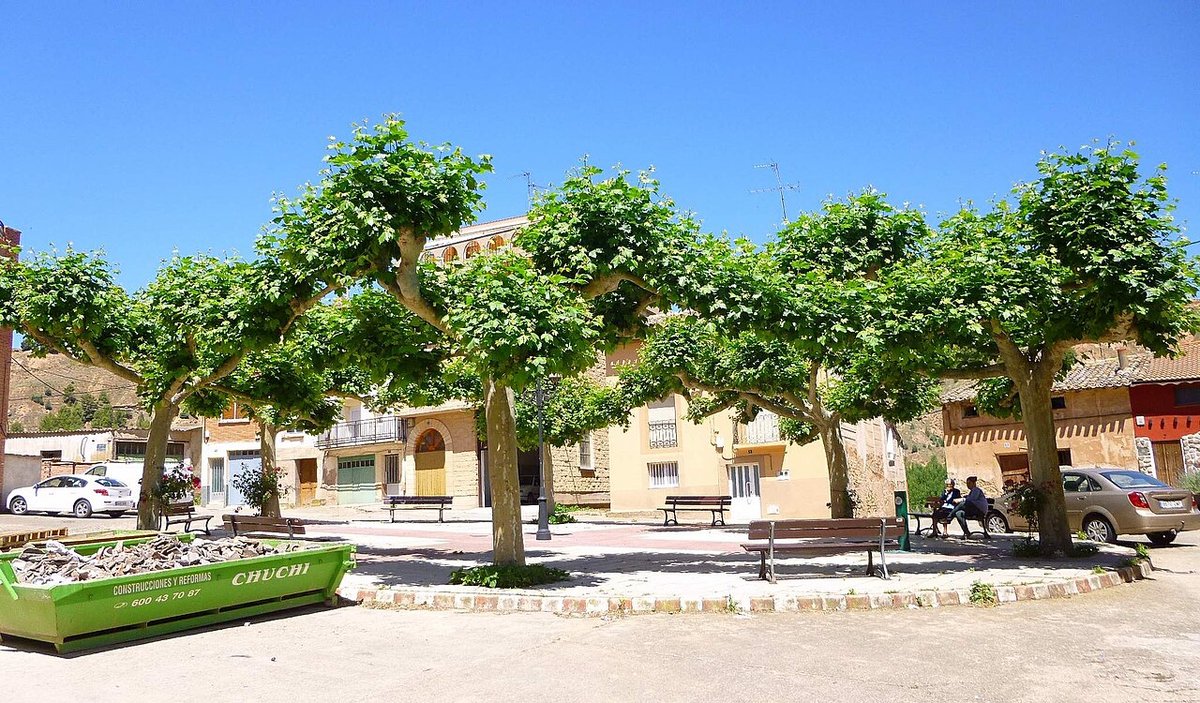
The rest of the village can be covered in very little time. The streets are short, lined with stone houses mixed with adobe, and occasional iron balconies. Walking through them, small details begin to stand out. Large wooden gates that once opened into animal yards, overhanging timber eaves, and small entrances leading to cellars carved into the rock.
Many of these cellars are still there, even if they are no longer used for wine. Some have taken on a more practical role as storage spaces, while others serve as informal meeting spots during colder months.
There are also renovated houses, some more in keeping with the original style than others. This mix is common in villages of this size, where very old walls sit alongside more recent alterations that do not always blend in.
If you follow any of the paths leading out of the village, on clear days you can see parts of the Ebro valley and, further away, the area around Logroño. There are no formal viewpoints or information panels, just dirt tracks and open countryside.
Walking the land around Hornos
Several rural paths branch out from Hornos de Moncalvillo, linking it to nearby villages. These are long-established agricultural routes, used for moving between plots of land. Because of that, there are no marked hiking trails or signposts at every junction.
Even so, walking here is straightforward. The terrain is open, with dirt tracks and cultivated landscapes all around. Comfortable footwear and a bit of water are enough for a relaxed walk.
Food in the area follows the traditional cuisine of La Rioja. Typical dishes include patatas a la riojana, a hearty potato stew, and chuletillas al sarmiento, lamb chops grilled over vine shoots when the occasion calls for it. Meals tend to be substantial and rooted in local habits. In the village itself, options are limited, so many visitors combine the stop with a meal elsewhere in the region or in Logroño.
Local celebrations with a close-knit feel
The main festivities are dedicated to San Miguel Arcángel, held towards the end of September. These are modest celebrations, centred on residents and those who return to the village for those days.
Another date that is still observed is San Blas, on 3 February. In many villages across La Rioja, this day involves the blessing of bread or sweets. Here, that custom is kept in a simple, almost family-like way.
A short visit, unhurried
Hornos de Moncalvillo does not require much time, and that is part of its appeal. With a couple of hours, there is more than enough to see.
Start around the church, wander through the streets of the old centre, and then head out along one of the surrounding paths. Within minutes of leaving the houses behind, you are among fields, with that sense of open space typical of this part of La Rioja.
It is the kind of short walk that clears your head more effectively than a packed itinerary.
What to expect, and what not to
A common mistake is arriving with the expectation of a lively tourist destination. That is not what Hornos de Moncalvillo offers. There are no shops, no busy terraces, and no streets designed for constant photo stops.
It works best as a quiet pause during a wider route through the area. You park at the entrance, take a walk, and that is enough. The village itself is small, you can cross it from one side to the other in about five minutes.
If you arrive in a rush or hoping to tick off many sights, it may feel underwhelming.
When to go and getting there
Spring and autumn are usually the most pleasant times to visit. The surrounding fields shift in colour, and the temperatures are well suited to walking.
In summer, it is better to come early in the day or towards evening. Shade is limited and the sun can be strong. On colder or windy days, visits tend to be shorter, as there are few places to take shelter.
From Logroño, the drive takes around half an hour, depending on traffic and the route chosen. The final stretch follows quiet local roads that pass through fields and small settlements.
For that reason, many people visit Hornos de Moncalvillo as part of a short trip from the city, a brief stop where very little happens, and that is precisely the point.