Full Article
about Lagunilla del Jubera
Municipality in the Jubera valley; includes several villages and stands out for its rugged setting.
Ocultar artículo Leer artículo completo
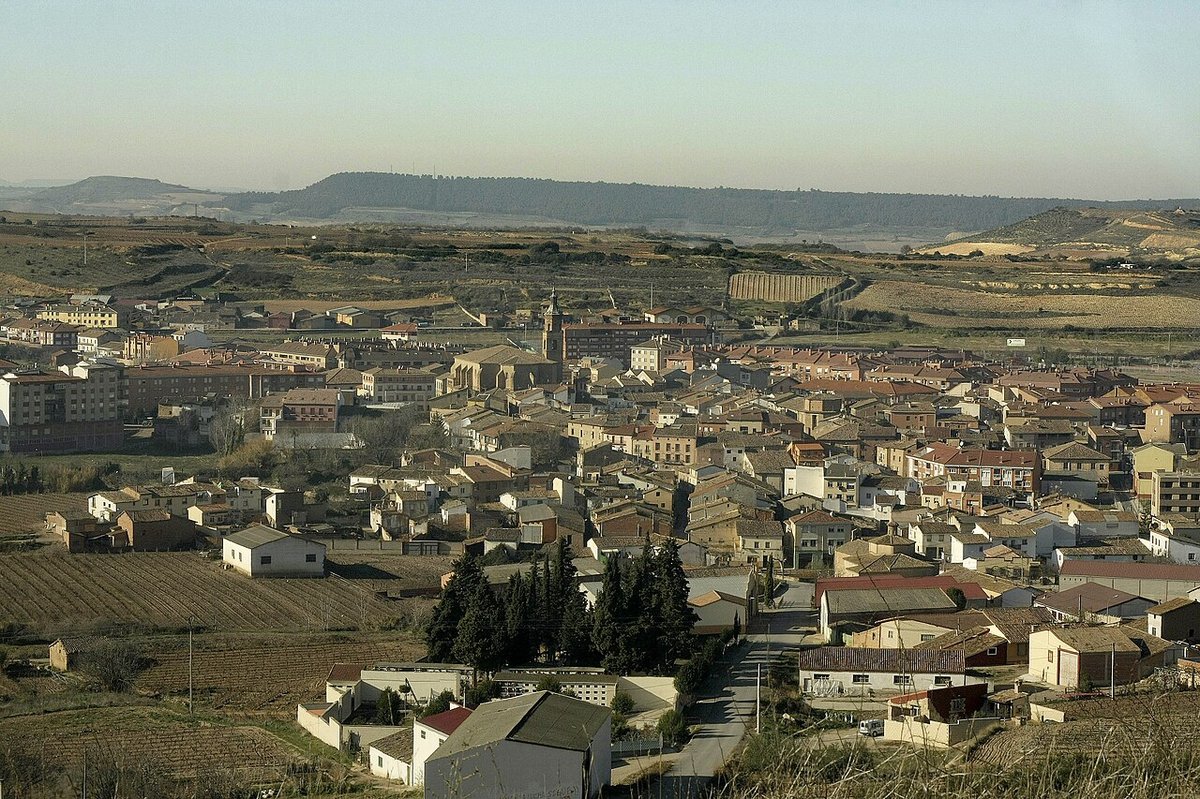
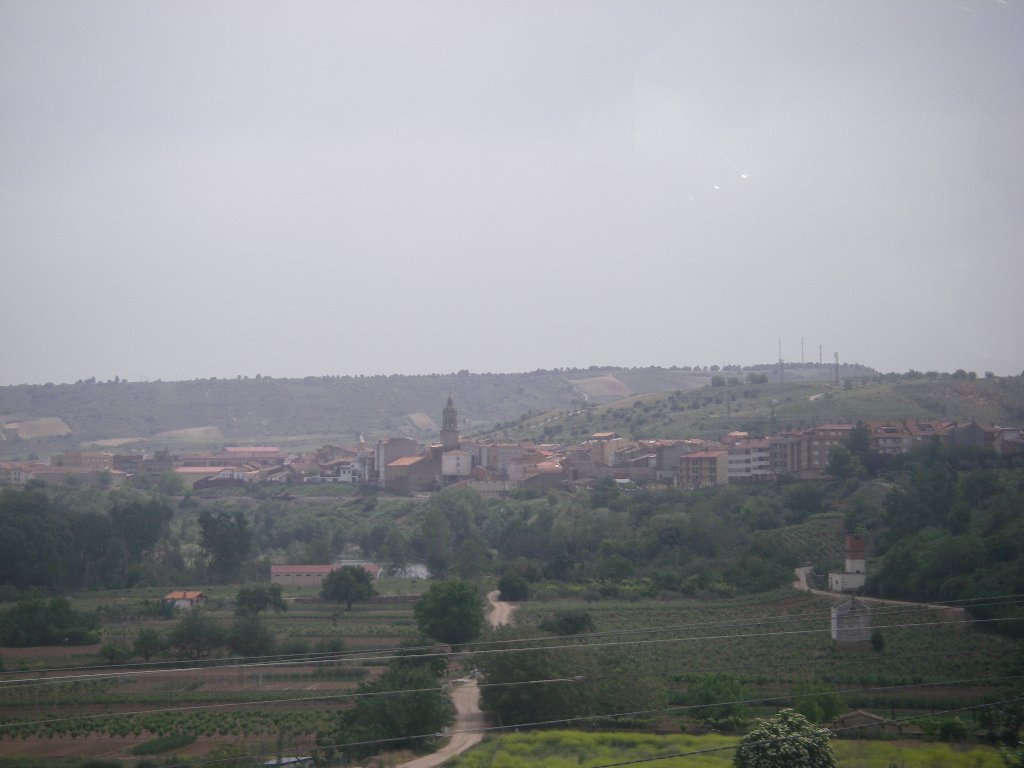
The thermometer drops three degrees between Logroño’s ring road and the Jubera valley. Thirty kilometres south-east of the regional capital, Lagunilla sits at 612 m on a sun-bleached ridge where cereal fields fade into holm-oak scrub. Stone walls the colour of burnt toast absorb the afternoon heat; when the wind shifts you smell damp earth from the irrigation channels rather than fermenting grapes that dominate the adverts.
This is Rioja’s interior, the bit left off the cellar-door circuit. Holidaymakers whizz past on the A-12, bound for the “wine routes” of Elciego or Haro, never realising that a ten-minute detour buys silence broken only by swallows and the occasional tractor in third gear.
What the village actually looks like
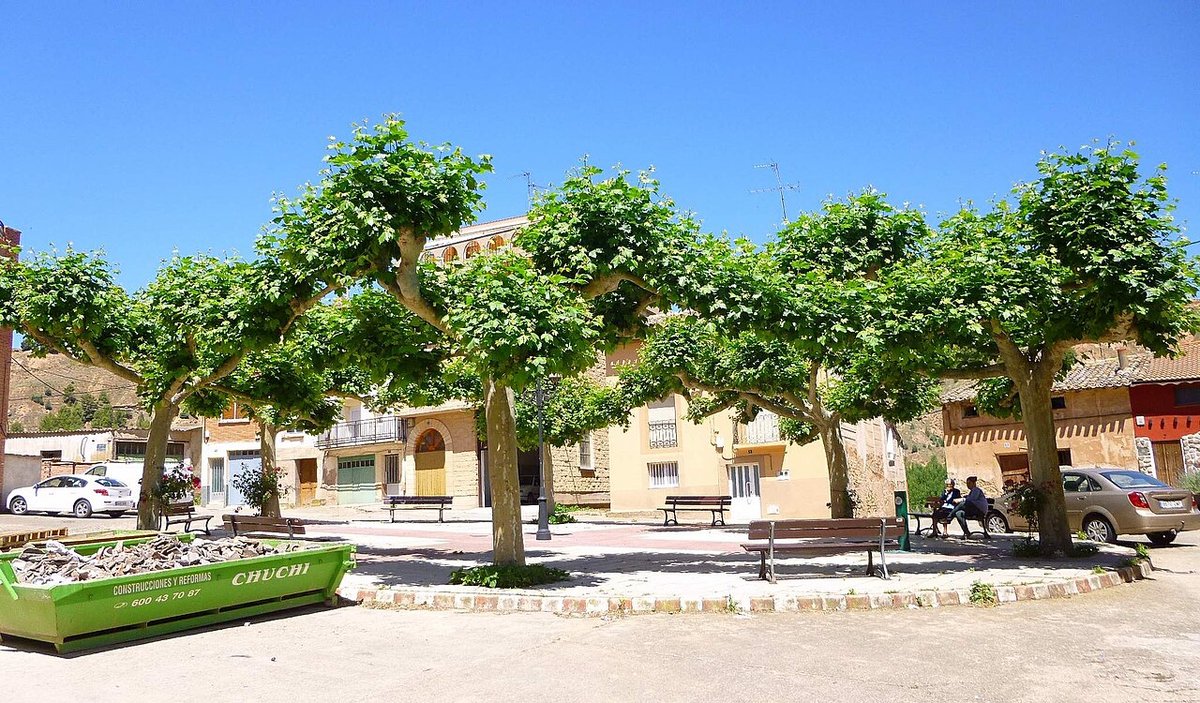
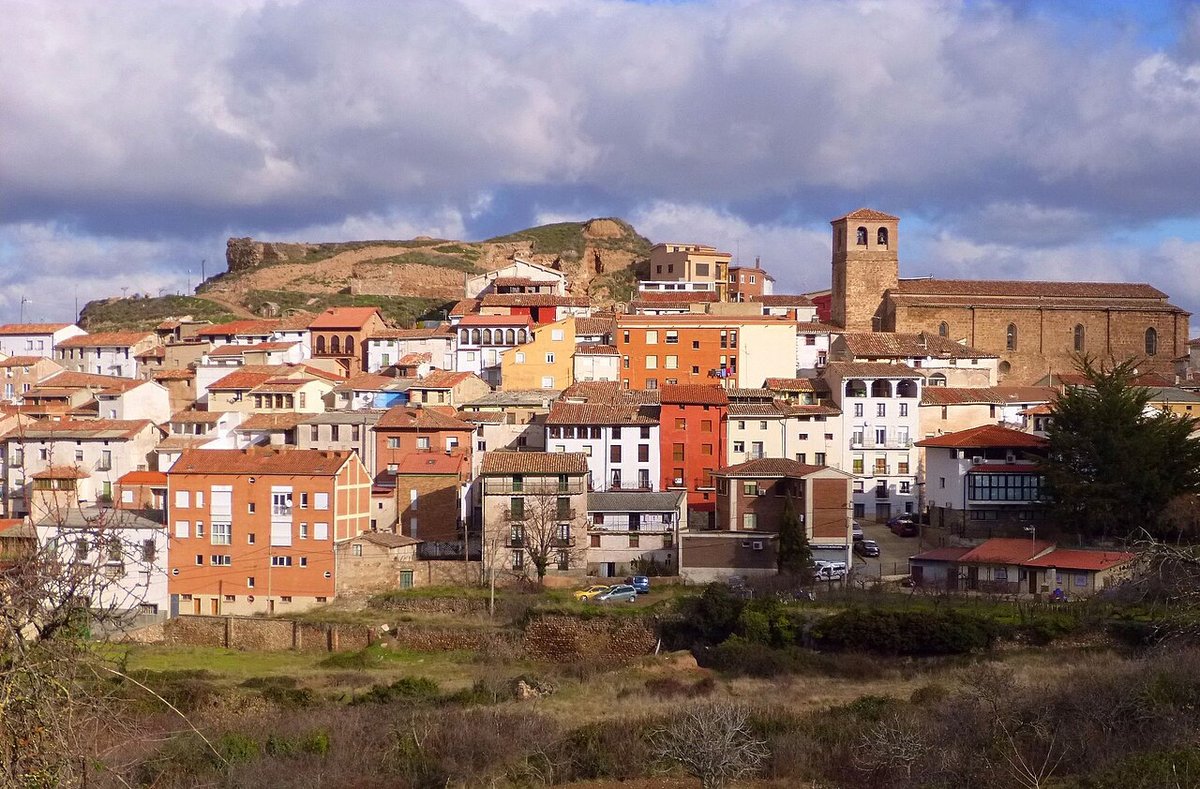
Lagunilla needs no more than twenty minutes to walk end to end. One road dips past the stone trough that still serves as a communal laundry, climbs past the church, then unravels into a farm track. Houses are built from whatever the ground provided: lower courses of chunky limestone, upper walls of ochre adobe braced with timber galleries. Doorways are sized for people in 1850; anyone over six foot instinctively ducks. The parish church of San Martín de Tours squats at the highest point, its Romanesque doorway off-centre because the builders followed bedrock rather than a spirit level. Stand on the porch at 19:00 and the western light turns the stone peach-pink; half an hour later it’s nicotine yellow. No filter required, but bring a jumper – altitude cools the air fast once the sun drops.
Paths for legs, not Strava
Footpaths here are farm tracks first, leisure routes second. They’re signed with the same discreet markers the council uses for refuse collection: a daub of paint on a telegraph pole, sometimes nothing at all. Head south past the last vegetable patch and the lane narrows into a hollow-way between stone terraces. After twenty minutes the cereal gives way to holm oak and rockrose; buzzards start to appear overhead. The itinerary is simple: keep going until you fancy turning round. A circular loop east to Navarrete del Río and back adds 7 km and 250 m of climb; sturdy shoes suffice, boots only if the forecast threatens rain on the clay soil.
Winter alters the deal. At 600 m frost lingers until noon; snow that barely dusts Logroño can block the valley road for half a day. Come December the village thins to core residents, bar shutters rattle, and the only reliable heat is inside the bakery on Thursday morning. Summer, by contrast, is tolerable: nights drop to 16 °C even when the capital swelters at 30 °C, making Lagunilla a cheap dormitory for heat-averse city workers.
Eating (or not)
There is no restaurant. The socioeconomic mix runs to retirees, remote-working teachers, and almond growers who keep chickens behind wrought-iron gates. Hospitality means the weekend barbecue at the social club, invitation optional if you bring your own steak. Mid-week hunger is solvable at the tiny grocer’s opposite the church: tinned squid, local chorizo, and a loaf that arrives frozen from a Logroño bakery each Tuesday. Expect to pay €1.80 for a quarter-wheel of sheep’s cheese that would cost £6 in Borough Market. If you need tablecloths and wine lists, drive ten minutes to Nalda where Casa Cosme grills lamb chops over vine cuttings and pours young Rioja by the copper jug.
Getting there without a hatchback
Public transport exists, barely. Autobuses Jiménez runs one bus out from Logroño at 13:15 and one back at 06:45, timed for pensioners cashing pensions rather than tourists. A same-day visit therefore requires wheels. Hire cars at the airport start around £30 a day for a Fiat 500; the last 8 km from the N-111 to Lagunilla wriggle through poplar groves wide enough for one lorry and a prayer. Passing places are cut into the rock – use them. Cyclists appreciate the 450 m climb from the river but should refill bottles in Nalda; fountains inside the village run only when neighbours remember to prime the pump.
Staying the night (or don’t)
Accommodation totals three rural houses, two owned by the same extended family. Prices hover at €80–€100 for a two-bedroom cottage, minimum two nights at weekends. Interiors replicate your aunt’s 1978 semi in Preston: brown sofa, brass clock, Wi-Fi that buffers when more than one phone connects. The payoff is darkness so complete you’ll trip over the doorstep finding the loo, and a dawn chorus that starts with cockerels and ends with the neighbour’s hunting dogs. Hotels lie 25 km away in Logroño; book there if you need minibars or taxis after 22:00.
When to bother turning up
Late April brings wild marjoram and a haze of green wheat; photographic light is soft until 09:30. September smells of crushed grapes on the lanes – Lagunilla grows a few small plots for home wine, not commerce – and mornings are clear enough to spot the Sierra de la Demanda 60 km south. August fiestas (15th weekend) squeeze 500 visitors into streets designed for 200; fireworks echo off stone walls like gunshots and someone will insist you taste his uncle’s gin-clear aguardiente. Brave it if you like street parties, otherwise pick the following weekend when the village exhales and you can park without reversing into a goat.
The honest verdict
Lagunilla del Jubera offers a slice of upland life rather than a checklist of sights. It suits walkers who don’t need way-marked confidence, or travellers who measure success by how many pages of a novel they finish undisturbed. Treat it as a half-day add-on between vineyard visits, or as a cool base for hiking the entire Jubera valley circuit. Arrive expecting Michelin stars and you’ll leave hungry; arrive with a baguette, a pocket knife, and curiosity about how Rioja ticks when the tour buses aren’t watching, and 612 m of altitude feels like the right height to breathe.