Full Article
about Lardero
Bedroom community attached to Logroño; rapid population growth and modern services.
Hide article Read full article
From sudden growth to everyday life
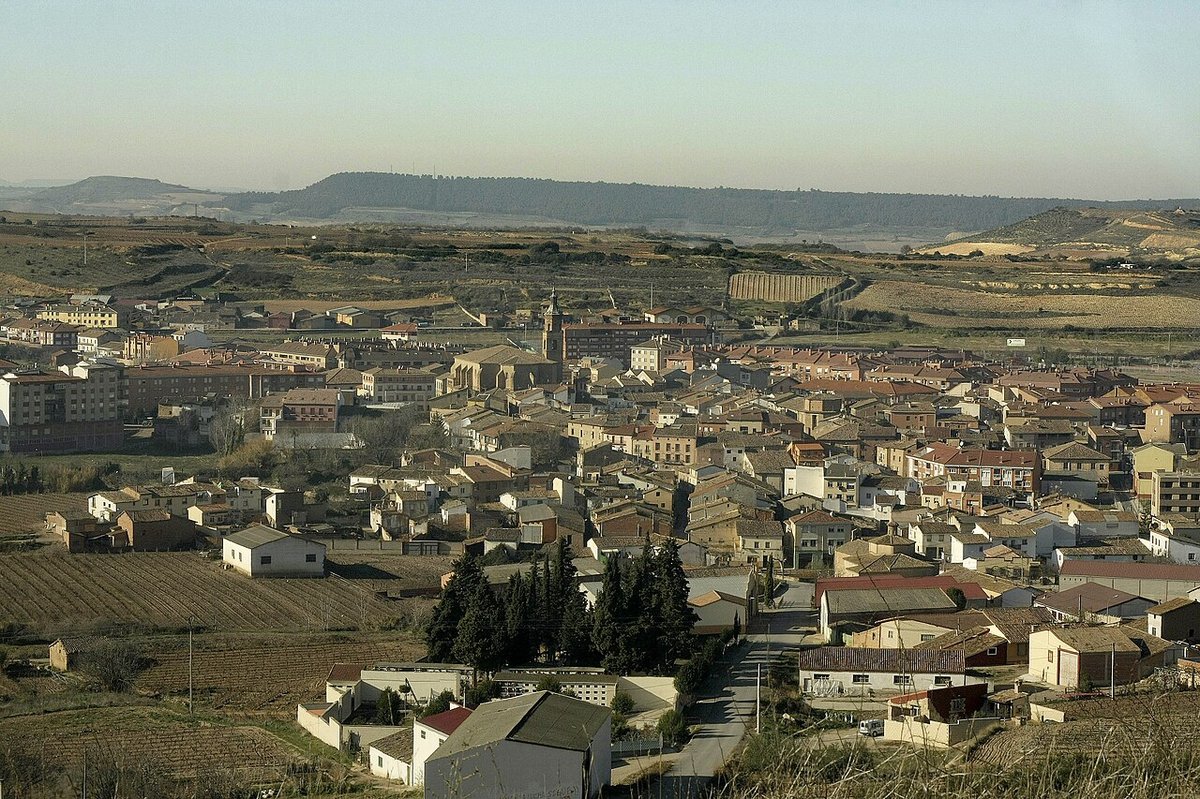
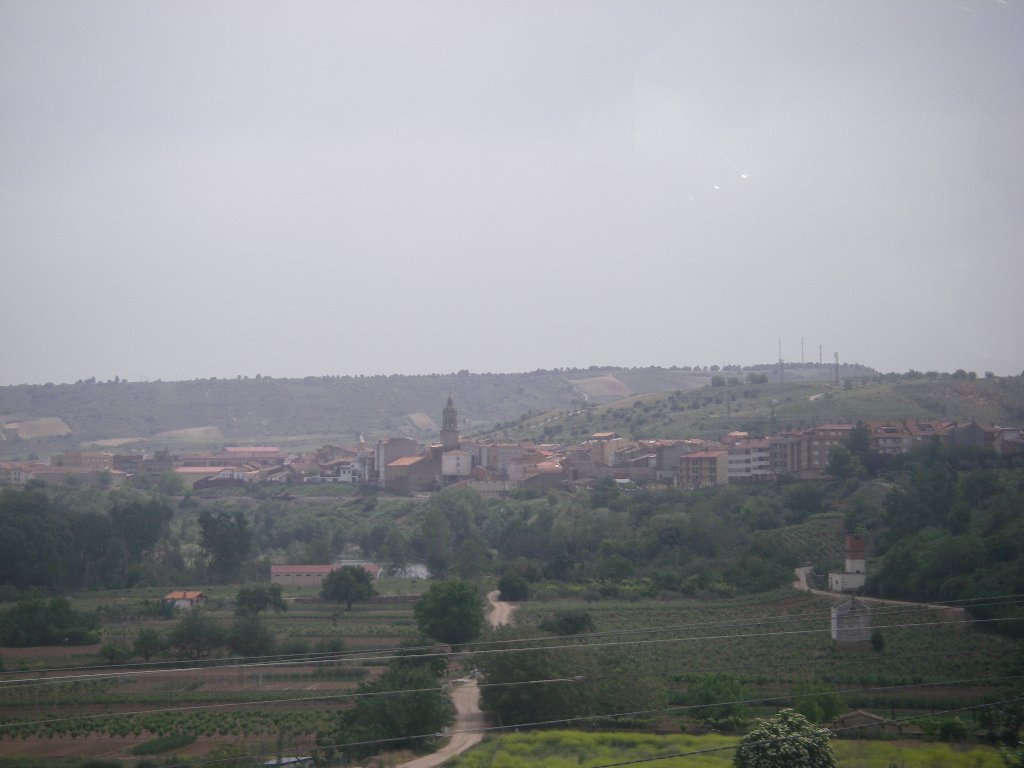
Lardero did not grow gradually. It expanded in a burst. In the mid-2000s, several hundred new residents arrived within a single year, one of the fastest increases in La Rioja at the time. They were not drawn by vineyards or lamb farming. They came because nearby Logroño had run out of space, and Lardero, just four kilometres from the regional capital, had land available and a direct road connection.
What had been peach orchards and vineyards quickly turned into housing estates, industrial areas and blocks of flats. The speed of that change is still visible. Recently built streets end abruptly at fields of asparagus or beside a family winery that remained in place as everything else shifted around it.
From royal status to commuter town
In 1629, Philip IV granted Lardero the title of villa real, a royal town. By then, it had already spent centuries cultivating vines and paying tithes to nearby monasteries. Earlier still, in the 11th century, Queen Estefanía, wife of García Sánchez III of Nájera, passed Lardero to her daughter Urraca. A document from around 1040 mentions a Juan de Lardero donating land to the monastery of San Millán. The settlement clearly existed long before developers began sketching out roundabouts and new streets.
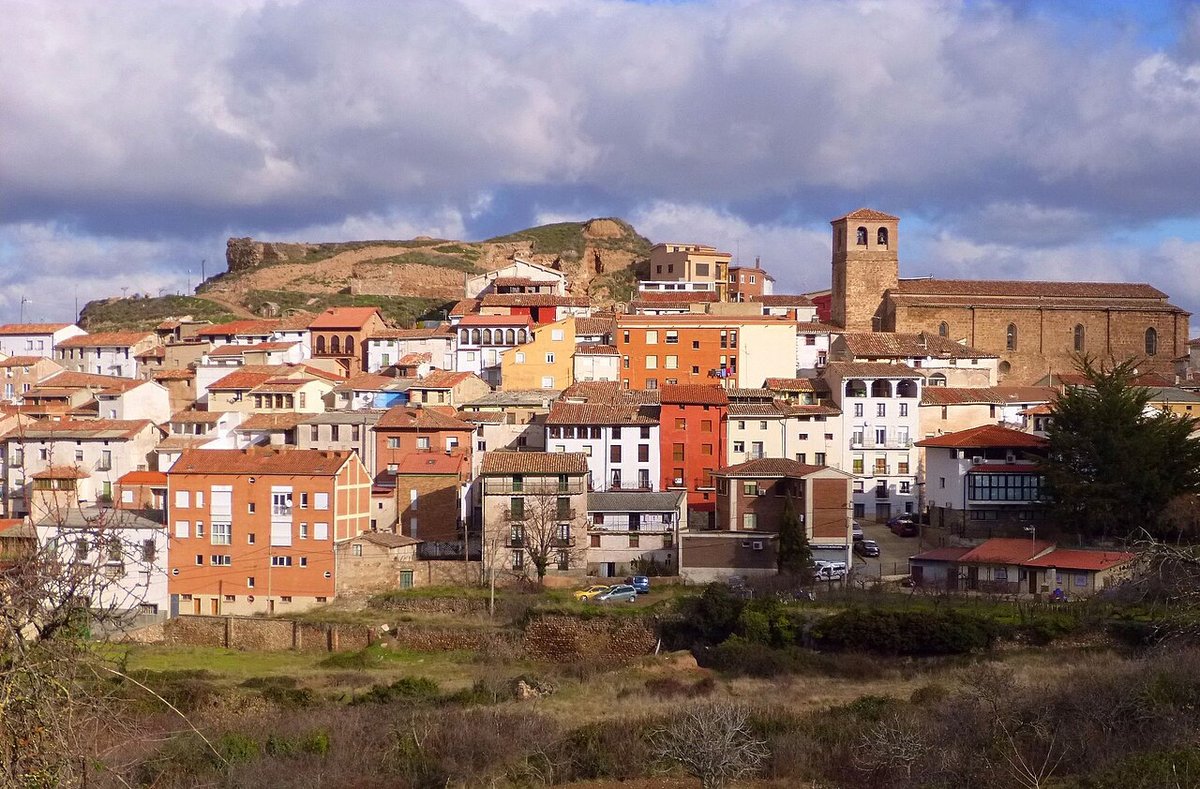
The church of San Pedro offers the clearest link to that earlier history. Built in the 18th century on the site of an older temple, it is not especially large or elaborate, yet its exposed brick tower continues to define the outline of the old centre. Even among newer neighbourhoods, it remains an easy point of reference.
Near the old road towards Entrena stands a 16th-century Renaissance cross. These roadside crosses were once common across La Rioja. They marked boundaries, offered symbolic protection to travellers and served as a reminder that movement along these routes long predates modern traffic.
Traces that remain
Within the municipal area, close to the present-day N-111, remains of the late antique settlement of Atayo have been found. Pottery from the late Roman period suggests that this elevated spot above the Iregua valley was already inhabited more than 1,500 years ago. It is not a large archaeological site, but it does point to continuous human presence in this stretch of land near the Ebro.
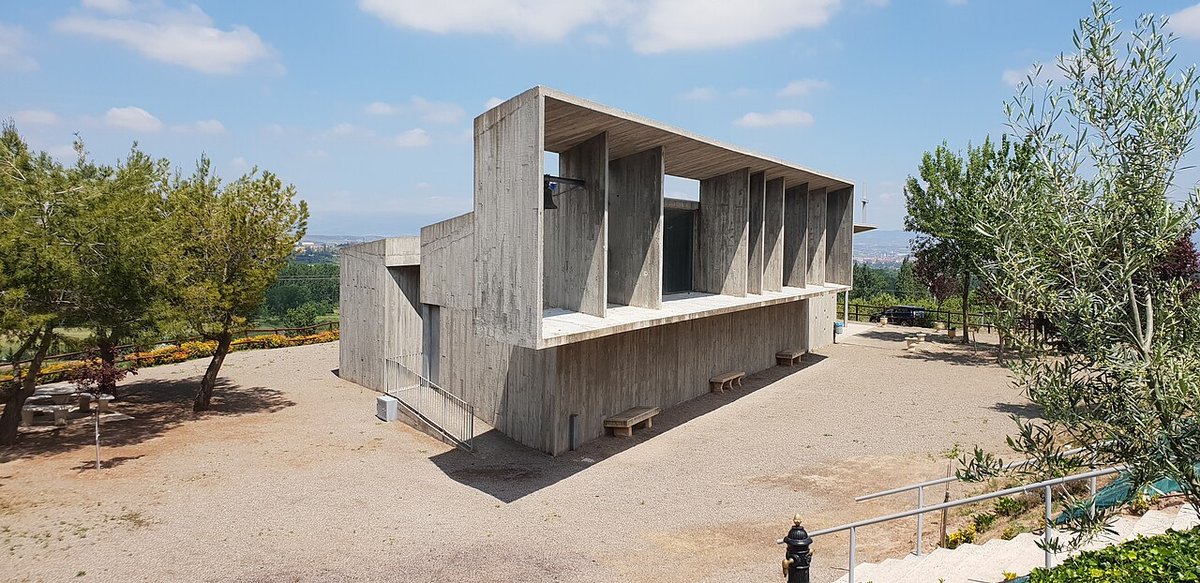
Closer to modern history, the Civil Cemetery–Memorial of La Barranca holds the remains of more than four hundred people executed during the Spanish Civil War. The site was inaugurated in the late 1970s and has since become a place of remembrance. It is not somewhere for a casual visit, but anyone walking along the path of the same name should be aware of its past. The hillside, once used as a mass grave, now looks out towards Logroño from one of the higher points in the area.
Dates that shape the year
The calendar in Lardero is marked by a sequence of local celebrations tied to both religion and agriculture. San Blas, at the beginning of February, is often considered the oldest. Fruit is blessed and traditional flatbreads are handed out, a gesture that echoes older rural rituals in the middle of winter.
On 29 June, the feast of San Pedro brings the main local celebrations. Streets fill with music, dances and community events, spreading from the historic centre into the newer neighbourhoods that now make up much of the town.
In September, as the grape harvest begins across the region, activities linked to wine take centre stage. There is traditional grape stomping and tastings of must, the freshly pressed juice before fermentation. Later in autumn comes a more recent addition to the calendar, the Trashumancia. Flocks of sheep are guided through the main streets, a nod to the seasonal livestock movements that were once a defining feature of life in this part of Spain.
Eating from the surrounding land
The food in Lardero reflects the wider cooking of central La Rioja, closely tied to what grows in nearby fields and hills. Menestra, a vegetable stew, often includes asparagus from the Iregua valley along with peas and green beans when they are in season. Potaje riojano, a traditional stew, uses dried pimiento choricero, a local red pepper that gives both colour and depth of flavour.
In the colder months, wild mushrooms such as setas de cardo and níscalos appear in kitchens, either folded into stews or cooked into omelettes. Meat, as in much of the region, is typically grilled over holm oak and shared at the table.
Sweets follow the rhythm of the year. Hojuelas are associated with carnival season, while fardelejos, almond-filled pastries, appear as Christmas approaches and are particularly linked to this part of La Rioja.
Three ways to read the landscape
The Senda de la Barranca begins near the Iregua riverside path and climbs up the slope to a natural viewpoint. From there, the view opens out across Logroño and the Ebro valley. The ascent is not long, but it helps explain the geography of Lardero. To the north, the land drops away quickly, leaving limited room for expansion.
Another simple route passes through what remains of the area’s former farmland, crossing between vineyards and peach trees. Information panels along the way explain how these plots were organised before urban growth reshaped the surroundings in recent decades.
A variant of the Camino de Santiago also passes through Lardero before entering Logroño from this side of the city. The stretch is short and largely urban, yet it reflects a much older pattern. Pilgrims have been moving through this area for centuries, long before Lardero became what it is today.