Full Article
about Leza de Río Leza
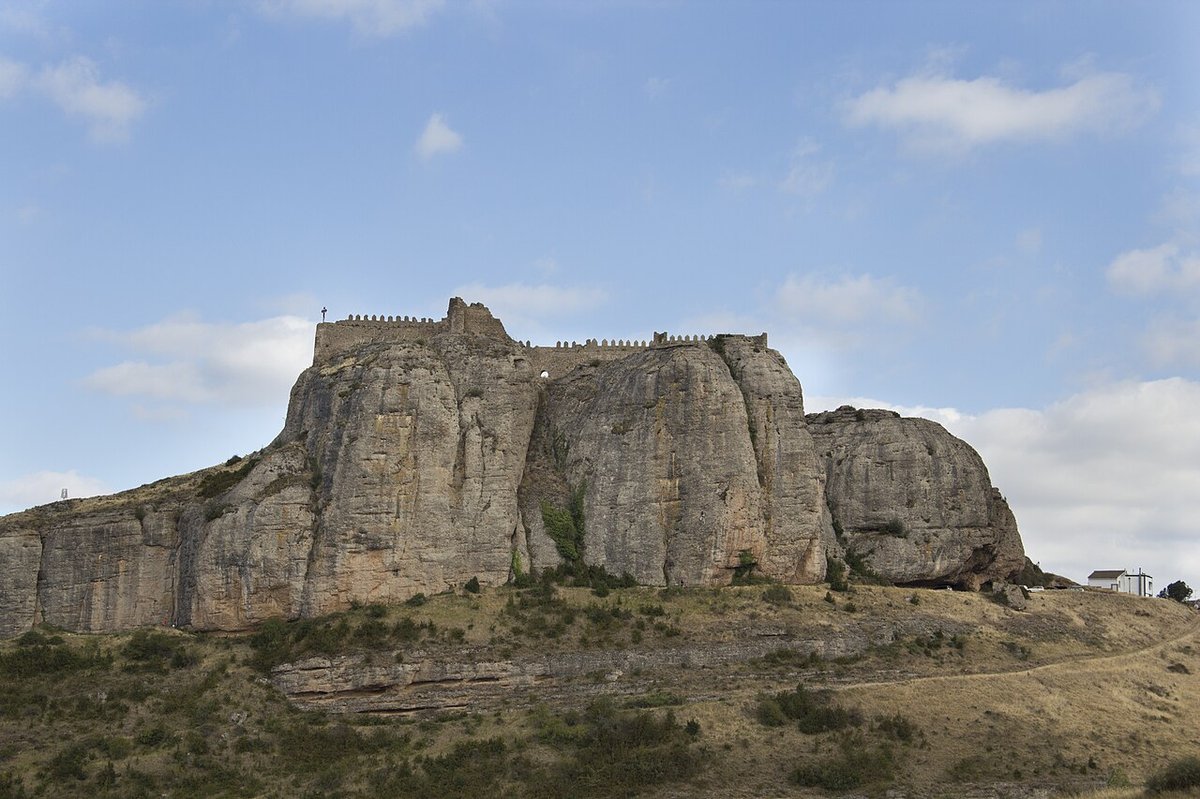
Gateway to the Leza canyon; a striking landscape of rock walls and griffon vultures.
Hide article Read full article
A village that makes you slow down
Some villages appear because you were on your way somewhere else. Others make you ease off the accelerator almost without realising. Leza de Río Leza, in La Rioja, belongs firmly to the second group.
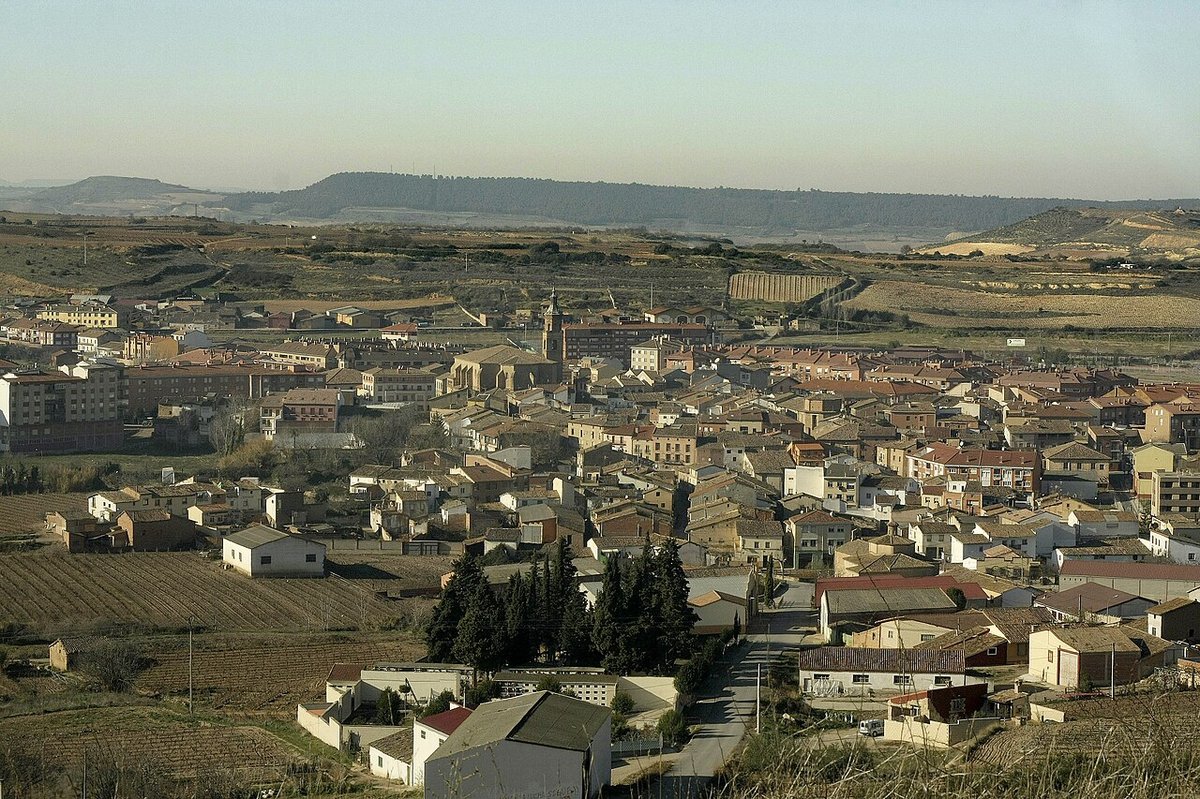
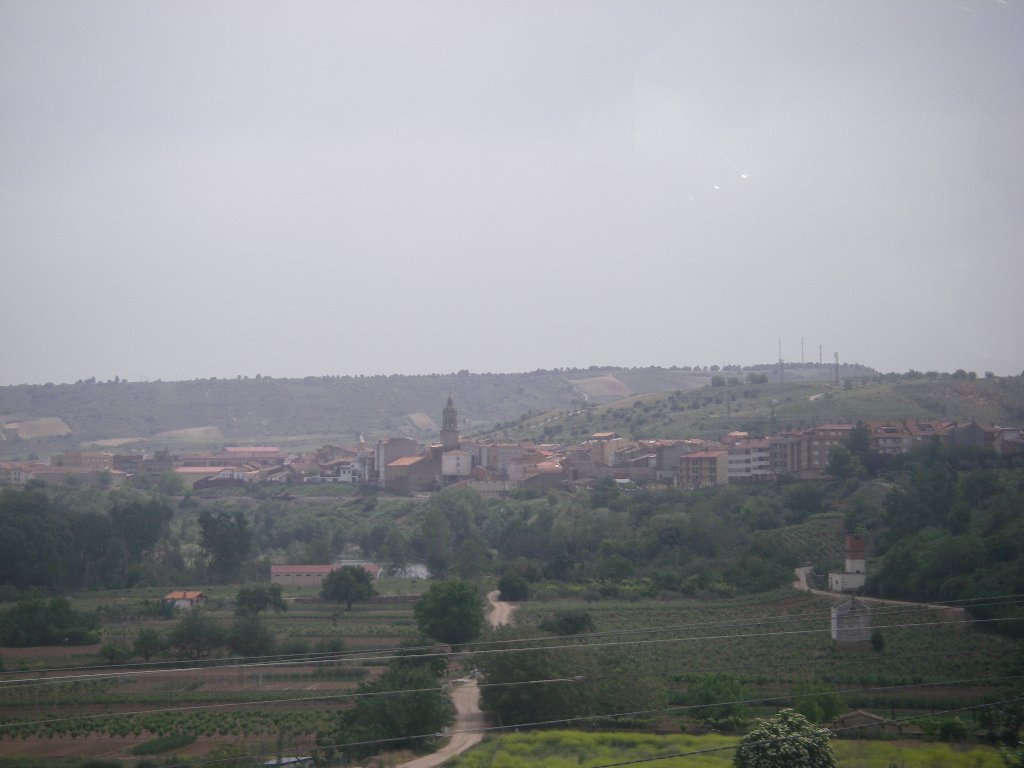
As the road drops into the valley, a small cluster of houses comes into view beside the river. The first thought is usually how few people must live here, and how calm it feels. There are no grand entrances or bold claims. Just a compact settlement resting quietly by the Río Leza.
This is not a place designed for crowds, nor does it try to be. Leza moves at its own pace. Time seems to tick by a little more slowly, and the simplest plan often works best: look around, breathe, and let the rhythm shift down a gear.
The village and its setting
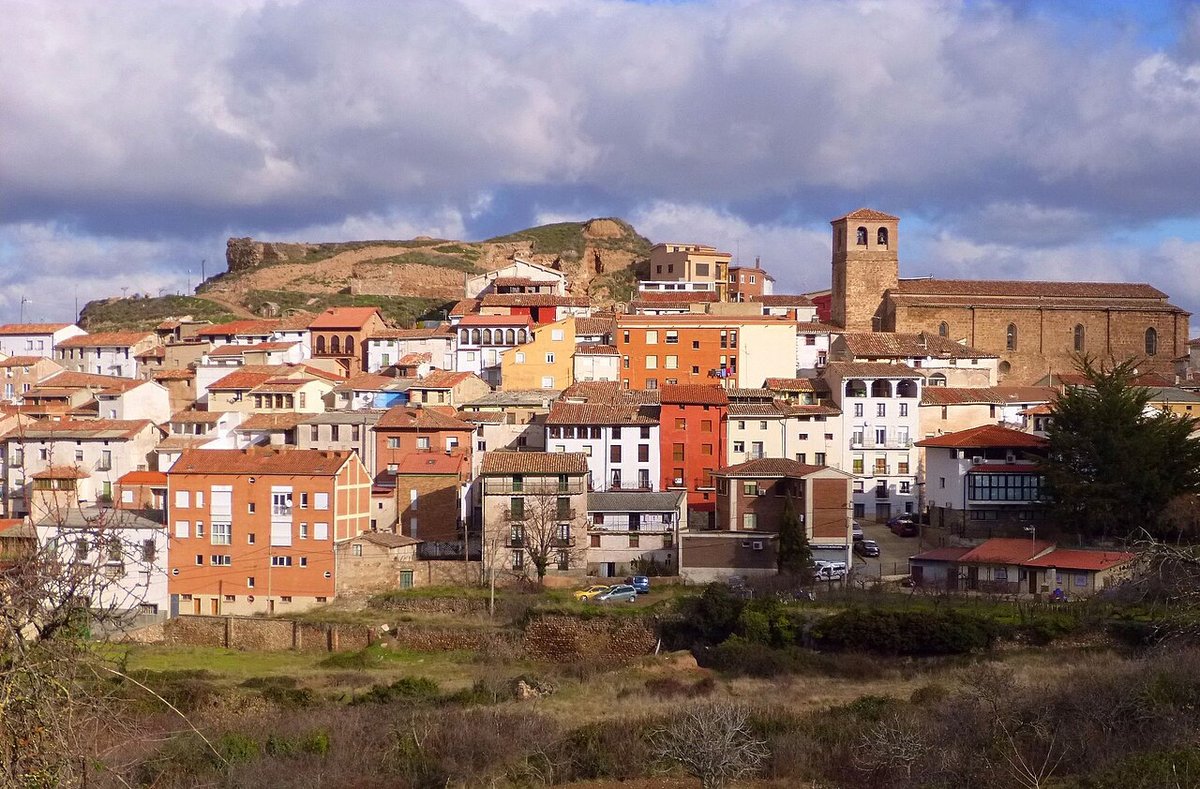
The main landmark is the church of San Pedro. It rises slightly above the surrounding houses and works as a natural point of reference as you enter the village. Everything else feels modest and practical. Stone and adobe dominate the façades, built for everyday life rather than for display.
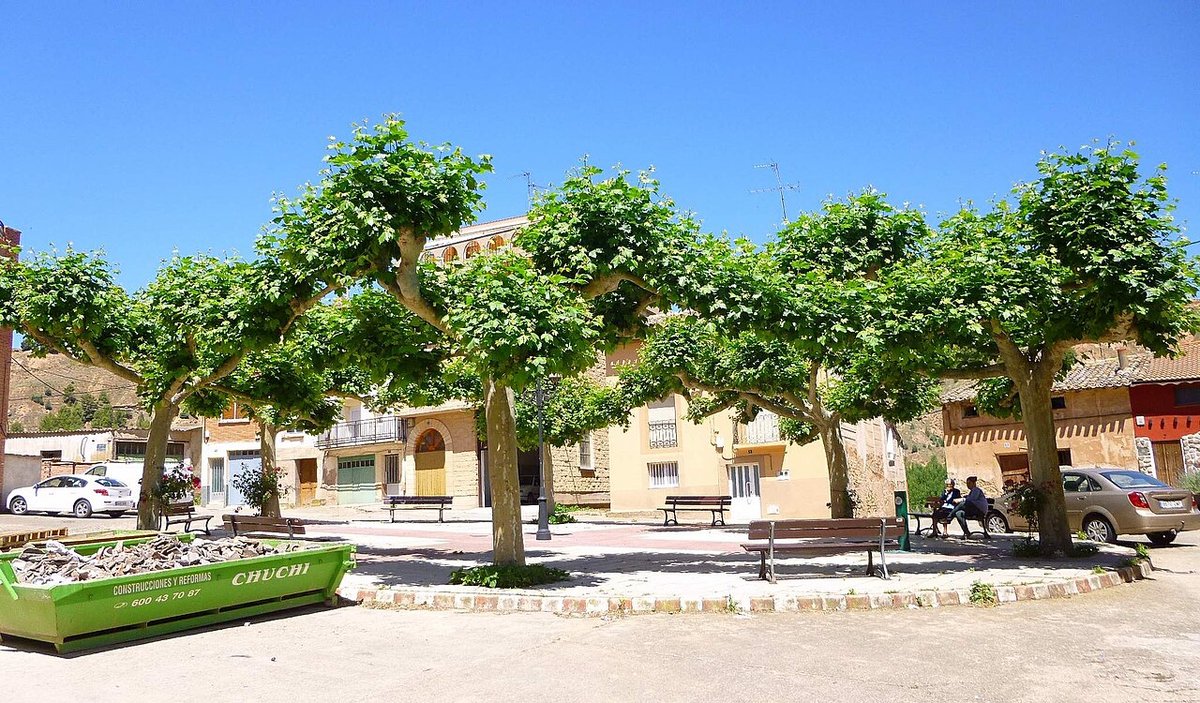
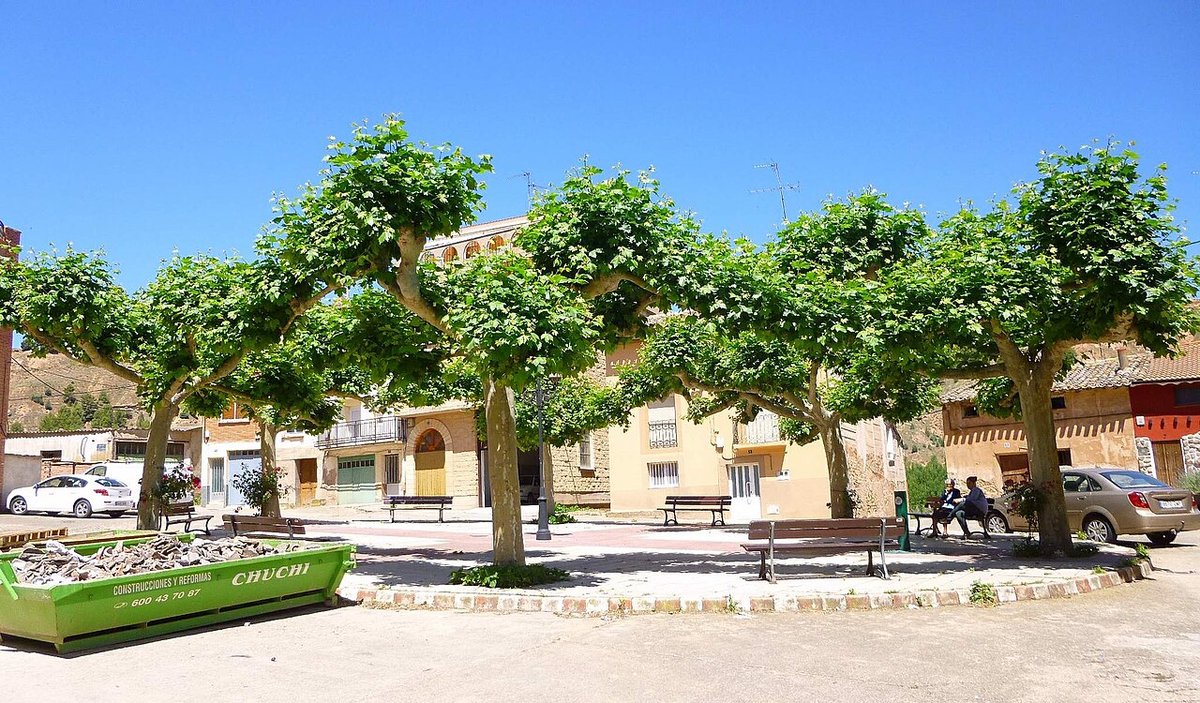
The streets follow the slope without much ceremony. There are no grand squares or carefully laid-out grids. Instead you find short climbs, tight corners and the occasional house that opens out towards the valley with wide views.
Step beyond the last houses and the focus changes quickly. The valley of the Río Leza takes over. Close to the water, rows of poplars line the banks. A little further out, cereal fields stretch across flatter ground. Beyond them, the terrain becomes drier and more uneven as it rises towards the harsher ranges of the Sistema Ibérico. On a clear day, the transition is easy to read: the plains of the Ebro give way to rougher hills in a matter of kilometres.
Late afternoon brings a noticeable shift in colour. The light turns golden and sweeps across the fields, sometimes transforming the valley in minutes. It is a brief moment, just long enough for a photograph or simply for standing still and watching the change.
A simple way to spend your time
Leza de Río Leza does not require a packed itinerary. The most natural thing to do here is to walk.
Several agricultural tracks leave the village and head into the surrounding countryside. These are working paths rather than marked hiking routes, used daily for farming. There is no signage to guide you and no prepared circuits to follow. That is part of the appeal.
After only a few minutes on foot, the village slips out of sight. The landscape opens up, the river remains close, and the usual soundtrack consists of birds or the distant hum of a tractor. With a little patience, birds of prey can sometimes be seen circling above the hills, and other species gather near the water. No specialist knowledge is needed to enjoy it. The key requirement is time and a willingness to move slowly.
For those exploring the wider Leza valley, the village works well as a short stop between other nearby settlements. It does not demand a full day. Instead, it offers a chance to stretch your legs and reset the pace before continuing along the valley road.
Traditions that shape the year
The calendar reaches its high point around San Pedro, towards the end of June. These are the days when the village feels most animated. Residents who live elsewhere often return for a short time, and the atmosphere shifts noticeably.
The celebrations remain simple. A procession forms part of the festivities, neighbours gather, and the tone stays local rather than outward-looking. There are no large-scale programmes or events designed to draw visitors from afar. What stands out is the sense that certain routines continue much as they have for years.
Outside those days, Leza returns to its usual quiet rhythm. That contrast is part of the village’s character.
If you only have two hours
A short visit can be enough to understand the place.
Park near the centre and walk without a strict plan. In ten or fifteen minutes you will have passed through most of the streets. The scale of the village makes it easy to cover on foot.
Afterwards, head down towards the river and follow one of the nearby tracks. Half an hour of walking is usually sufficient to gain broad views of the valley. From there, the best approach is simply to turn back slowly.
Leza de Río Leza is the kind of place that rewards an unhurried visit. Watching the light, listening to the quiet and taking in the shape of the land matter more than ticking off sights.
Things to bear in mind
Summer brings strong sun, especially along the exposed tracks. Shade is limited and the heat can feel intense in the middle of the day.
It is also important to arrive prepared. This is a very small village, and it is not realistic to expect a range of services or shops. Bringing water or something to eat makes sense if you plan to stay for a while.
Spring and autumn tend to show the valley at its most expressive. In one season the fields turn green, in the other they shift towards ochre tones. Strong wind or rain can reduce the clarity of the views, although a stroll through the village itself retains its usual calm.
Getting there and staying nearby
From Logroño, the usual route heads towards Albelda de Iregua. From there, secondary roads lead into the Leza valley, passing through several small villages along the way.
The final stretch includes curves and narrow sections that naturally encourage a slower speed. By this point, the change in atmosphere is clear. The valley feels noticeably quieter than the area around the regional capital.
Anyone planning to stay overnight will generally find it more practical to look for accommodation in nearby villages or in Logroño. The size of Leza de Río Leza makes its role clear. This is a place to visit, take a walk and continue along the valley, carrying a little of its calm with you.