Full Article
about Logroño
Administrative and economic capital; famous for Calle Laurel and its quality of life.
Ocultar artículo Leer artículo completo
The queue outside Bar Soriano starts at 19:45 and never looks dramatic—ten locals, two guidebooks, one spaniel tied to a lamppost. By 20:05 the line has doubled, the barman is sliding foil trays of mushrooms into the oven, and the smell—garlic, butter, sea-sweet shrimp—drifts the length of Calle del Laurel. This is Logroño’s nightly ritual: a single street, fifty-odd bars, each devoted to one pincho and one only. Order anything else and you’ll be politely redirected to the house speciality, usually chalked on a board the size of a postcard.
Between the River and the Vines
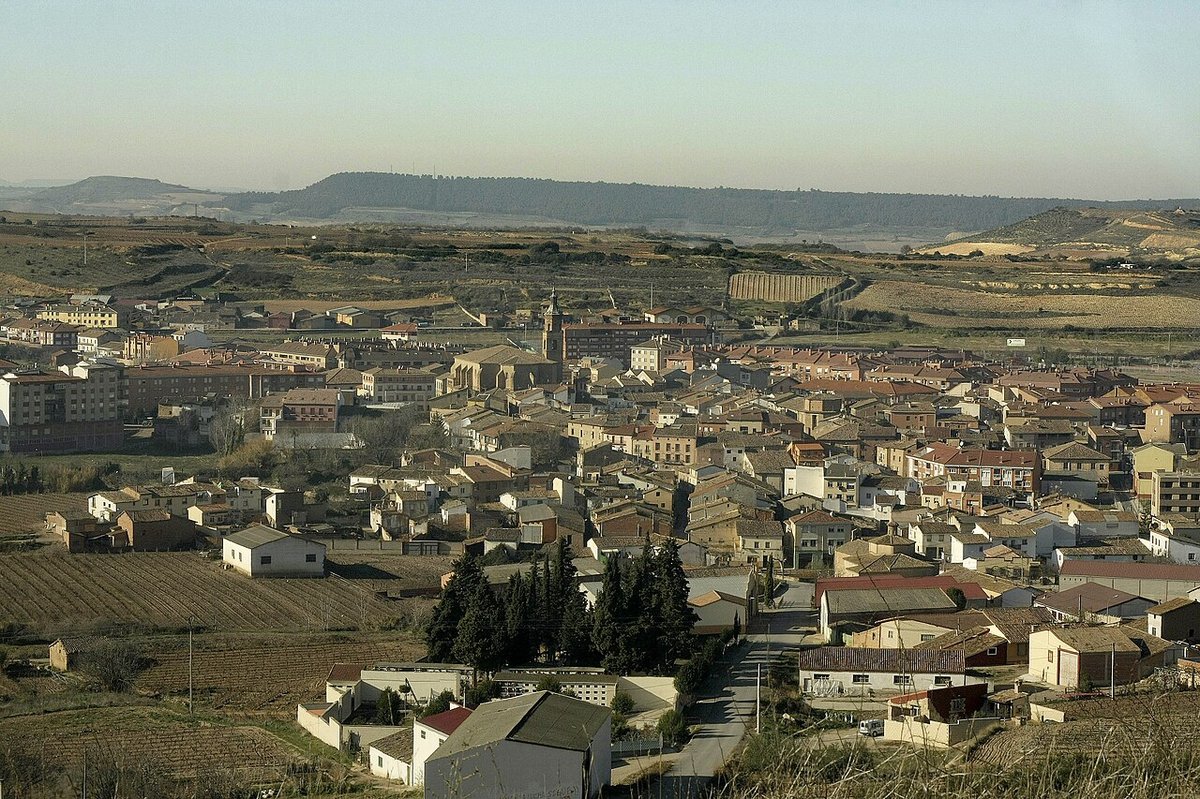
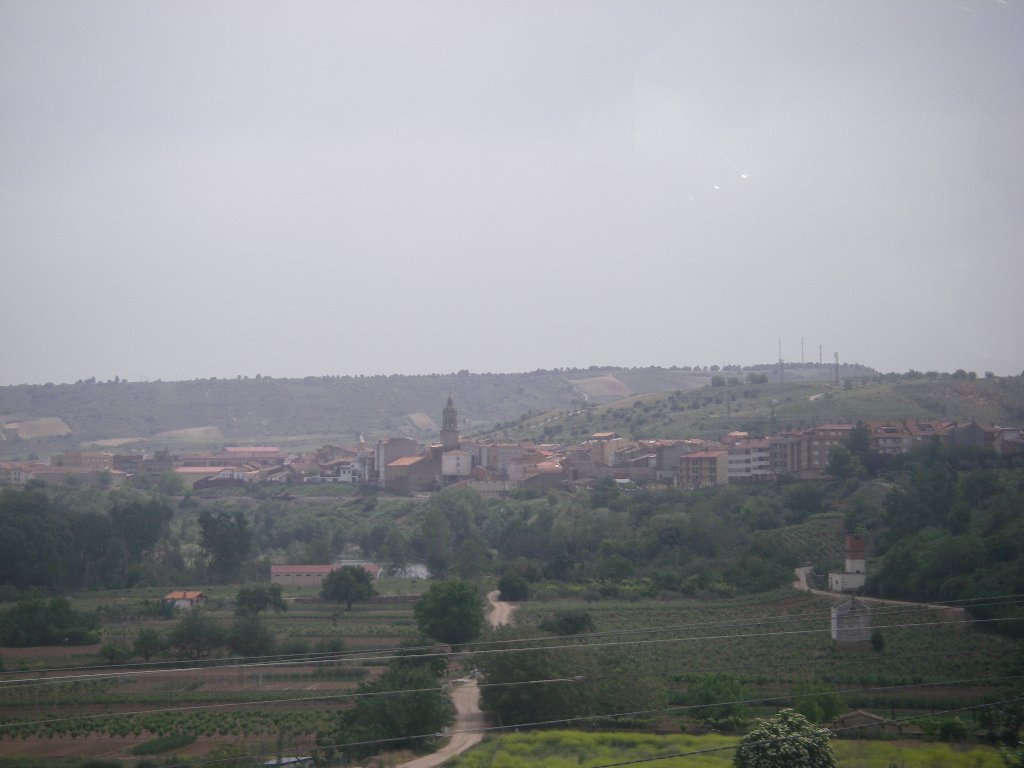
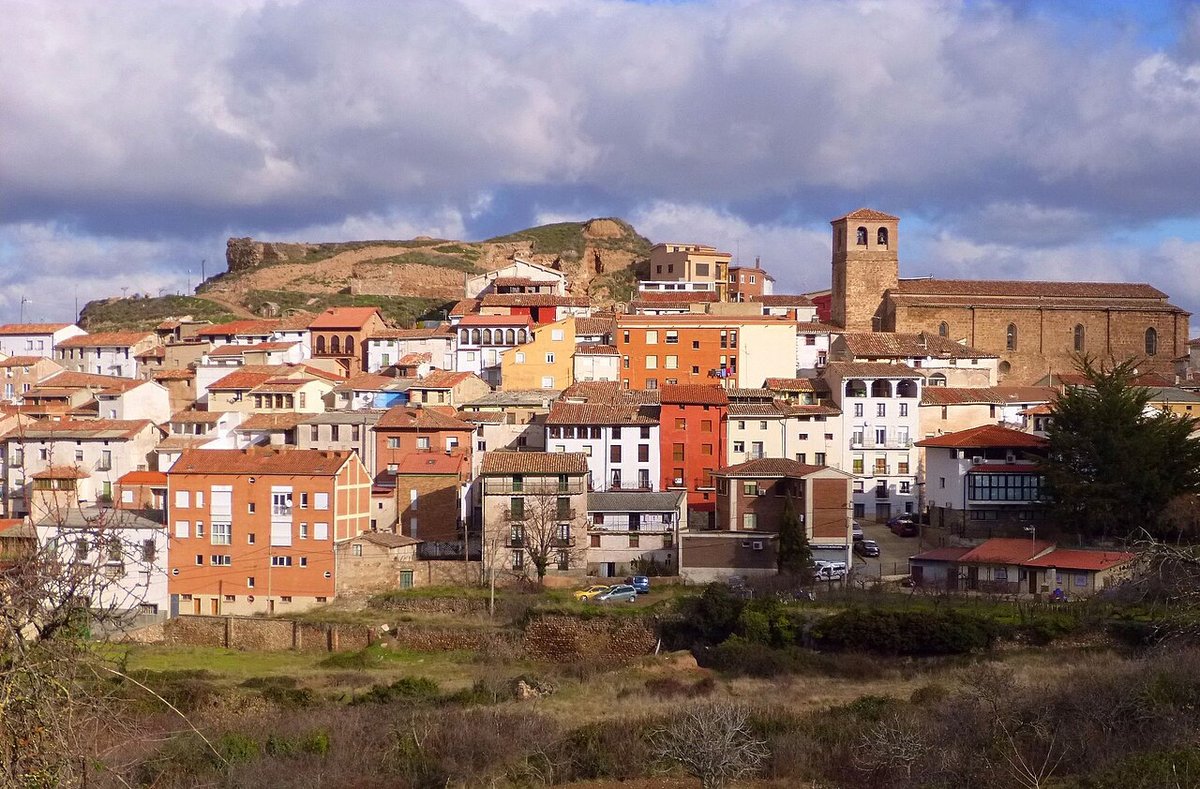
Logroño sits 384 metres above sea level in the wide trough of the Ebro, ringed by patchwork vineyards that turn bronze after harvest. The city is small enough—150 000 souls—to feel neighbourly, yet large enough to keep a cathedral, two medieval churches, a provincial museum and a 2-kilometre riverside park within walking distance of the tapas zone. Pilgrims on the Camino de Santiago stride in from Navarre in the morning, fill their water bottles at the fuente outside the Renaissance church of Santiago el Real, and are gone again before the first txistorra hits the plancha.
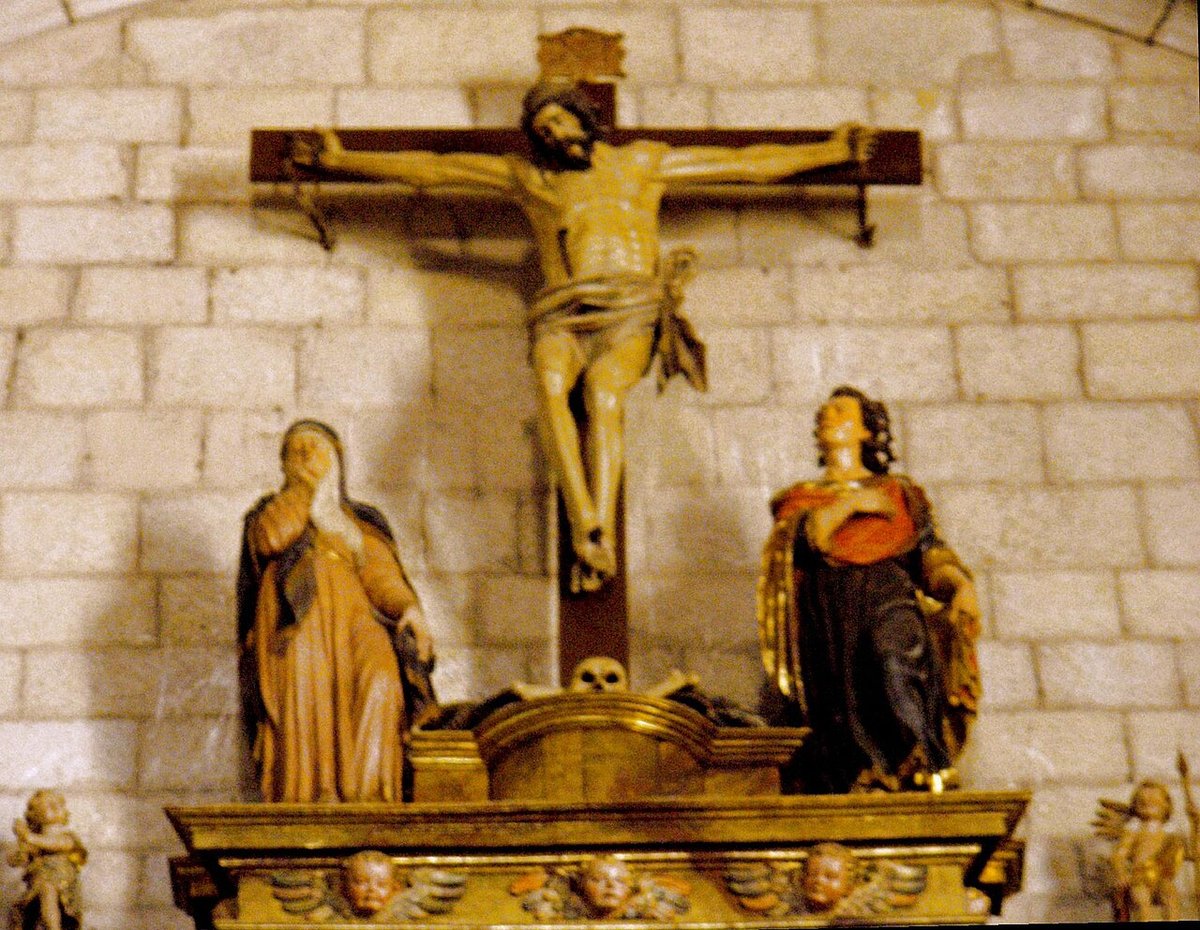
Start at the twin-barrelled towers of Santa María de la Redonda, known locally as “Las Gemelas”. The interior is late Gothic with a whiff of Baroque swagger; the main altarpiece, all gilt and writhing saints, is free to view, though a discreet sign suggests a euro for the lights. From the cathedral door it is three minutes to San Bartolomé, whose fourteenth-century portal is carved like lace, and another two to Santa María de Palacio with its odd pyramid spire. None of the sites demand more than twenty minutes, which leaves plenty of margin for the important business of lunch.
A Crawl with Rules
Calle Laurel and its parallel sibling, Calle San Juan, operate on a strict etiquette. One drink—usually a glass of crianza at €1.80—buys you the right to one pincho. Stand at the bar, eat, pay, move on. Attempt to order patatas bravas in a bar famous for pork cheek and you will be advised, kindly but firmly, to walk twenty metres. Sunday to Thursday the circuit is relaxed; Friday and Saturday the street turns into a slow-moving party after 21:30, with hen dos from Bilbao singing 1990s Britpop between mouthfuls.
First-timers should head for Soriano (mushrooms with shrimp), then Juana La Loca (foie-gras-and-apple tosta), then Angel (slow-cooked rib that collapses at the sight of a fork). Vegetarians survive on grilled piquillo peppers and the accidental tortilla; vegans struggle. If the crowds feel oppressive, duck one block north to Travesía del Laurel, where the same chefs run overflow bars with shorter queues and identical kitchens.
Beyond the Barrel
Rioja’s wineries begin at the city limits. Campo Viejo’s stainless-steel cathedral is a twenty-minute taxi (€18) or a bus from the intercambiador at 11:15 weekdays. English-language tours run at midday and 16:00, last ninety minutes, and end with three wines plus the sight of six million bottles ageing in cathedral-sized tunnels. Book online the day before; walk-ins are turned away even when the car park looks empty. Closer to the centre, the smaller Bodegas Franco-Españolas (ten minutes on foot from the bus station) offers a shorter tasting in nineteenth-century cellars for €12—useful if you’ve mislaid your driving spectacles.
Back in town the Museo de La Rioja occupies the former palace of General Espartero. The collection romps from Celtiberian pottery to nineteenth-century portraits of local worthies in improbable sideburns. Admission is free, and the air-conditioning provides reliable sanctuary during the fierce afternoon heat of July and August.
The Ebro Promenade
Logroño’s riverfront was redesigned in 2009 with eight kilometres of cycle path, exercise bars and pop-up cafés underneath pollarded plane trees. Hire a bike from the municipal scheme—€2 for the first hour, docking stations every 200 metres—and pedal eastwards past the old stone bridge towards the wetlands of La Grajera. Herons fish among the reeds; the skyline of towers and wine warehouses shrinks to toy-town size. Evening joggers appear after 20:00 when temperatures drop below 30 °C; in winter the same path is floodlit and mercifully empty.
Fiestas and Traffic Jams
The third week of September belongs to San Mateo, the grape-harvest festival. A steel vat is rolled into Plaza del Mercado, barefoot volunteers climb in to tread bunches, and purple juice sluices down the gutters. Concerts, fireworks and a bull-running section (encierros cortos, less lethal than Pamplona’s) bring 200 000 visitors to a city with 1 400 hotel beds. Book accommodation early, expect triple rates, and carry cash—card machines overload.
Semana Santa is quieter but still disruptive; the Santo Entierro procession on Good Friday closes the entire old town from 15:00 until after midnight. If you arrive by car, park in the underground garage beneath Plaza de Abastos: free 14:00–16:00 and 20:00–09:00, otherwise €1.35 per hour. The surface streets inside the ring-road are residents-only; a single camera-enforced sign can ruin an otherwise pleasant weekend.
When to Go, When to Skip
April to June serves up long daylight and vine buds soft as suede; restaurants spill onto the pavement and hotel balconies cost the same as January. September adds harvest colour but also crowds. August is hot—35 °C is routine—and many riojanos desert the city for the coast; some bars close for the fortnight. Winter means mist rolling off the river and menus heavy on chorizo-and-bean stew, but daylight is scarce and the cathedral façade is under restoration scaffolding until at least 2025, so photographs suffer.
A Two-Hour Circuit
Late train from Zaragoza? Store your bag in the left-luggage office opposite the bus station (€3.50 up to 24 h) and walk. Start at the cathedral, drift down Calle Portales with its glass-roofed colonnade, peek into San Bartolomé, then cross the stone bridge for the obligatory river selfie. Double back through Parque del Ebro, cut up to Calle Laurel for one mushroom and one glass of white Rioja, and you’ll still reach the station in time for the 21:04 to Madrid. The entire loop is barely two kilometres—Logroño is a city that measures itself in mouthfuls, not miles.
Parting Advice
Leave the dining plans loose. Bars change hands, chefs experiment, and the best recommendation is still the shortest queue of locals. Bring small notes—many places refuse cards under €10—and resist the urge to “do” every venue in one night. Rioja has been patient for centuries; it will still be there tomorrow morning, ready to pour another glass.