Full Article
about Medrano
Municipality at the foot of the Sierra de Moncalvillo; known for its waters and green surroundings.
Ocultar artículo Leer artículo completo
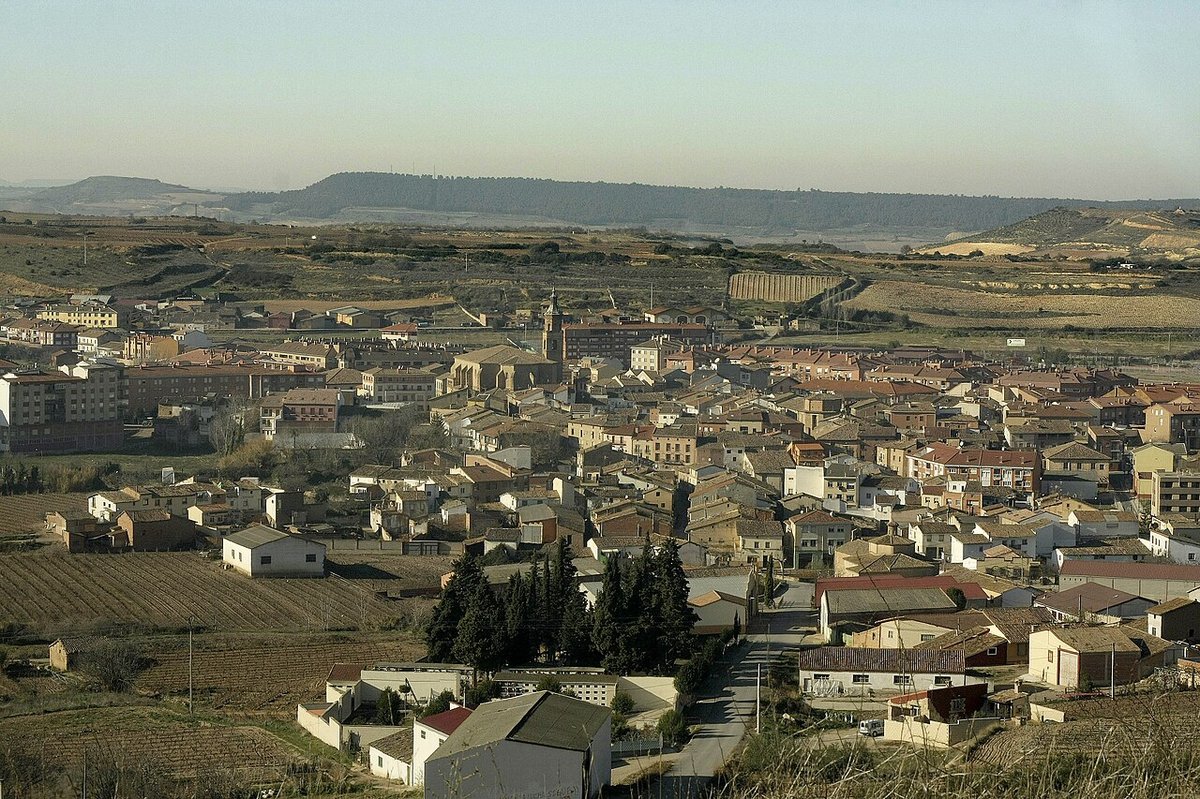
The church bell strikes noon as an elderly gentleman in a beret shuffles across the stone bridge, walking stick tapping against medieval masonry. Above him, swallows dive between terracotta rooftops, their shadows flickering across whitewashed walls that have seen six centuries of similar scenes. This is Medrano—not quite the high Pyrenees, not quite the Ebro Valley floor, but suspended somewhere between at 596 metres above sea level.
The Village That Time Forgot to Rush
Most visitors barrel past Medrano on the A-12 motorway, bound for Logroño's tapas bars or the wine cathedrals of Haro. Those who turn off at kilometre 69 discover a settlement that never quite caught Spain's acceleration bug. The population hovers around 350 souls, enough to keep the bakery going but few enough that everyone knows whose courgettes are flourishing in the allotments below the church.
The altitude makes a difference. Even in August's furnace, when Logroño swelters at 38°C, Medrano catches whatever breeze stirs across the Sierra de Cantabria. Winter tells another story—January mornings arrive with hoar frost silvering the vines, and the occasional snow that would never settle on the valley floor turns the village into a Christmas card scene for exactly three hours before melting to muddy slush.
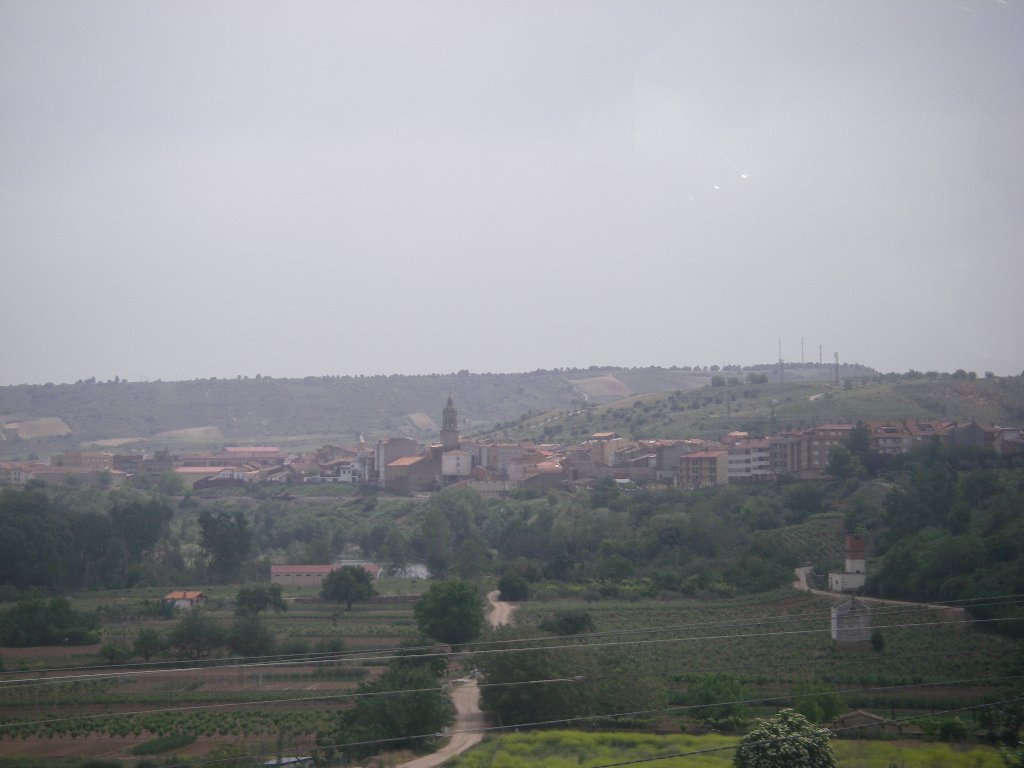
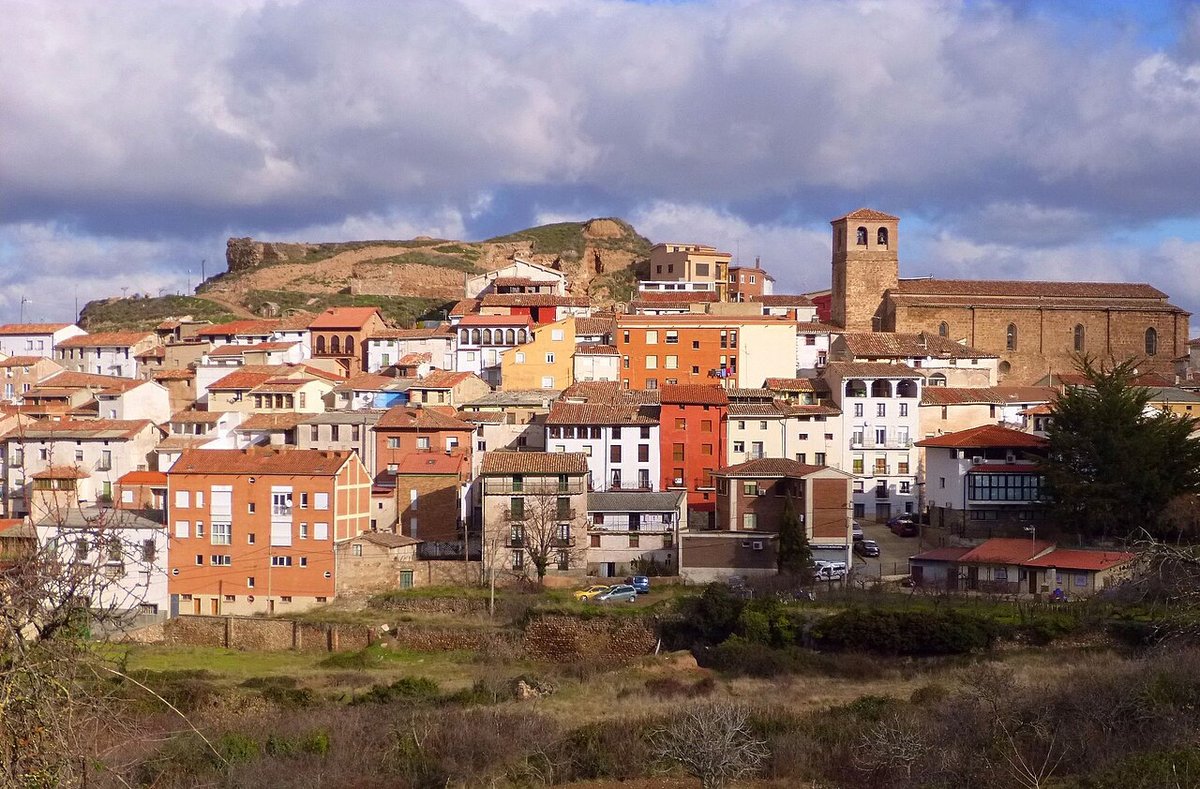
Getting here requires wheels. There's no train station, and the twice-daily bus from Logroño operates on a timetable best described as theoretical. From Bilbao airport, it's 90 minutes via the AP-68 toll road (£12.50 each way), then a winding climb through vineyards that shift from tempranillo to cereal to oak scrub as the altitude increases. The final approach reveals Medrano perched on its ridge, houses clustered around the 16th-century church tower like children huddled for warmth.
Stone Walls and Soil That Sings
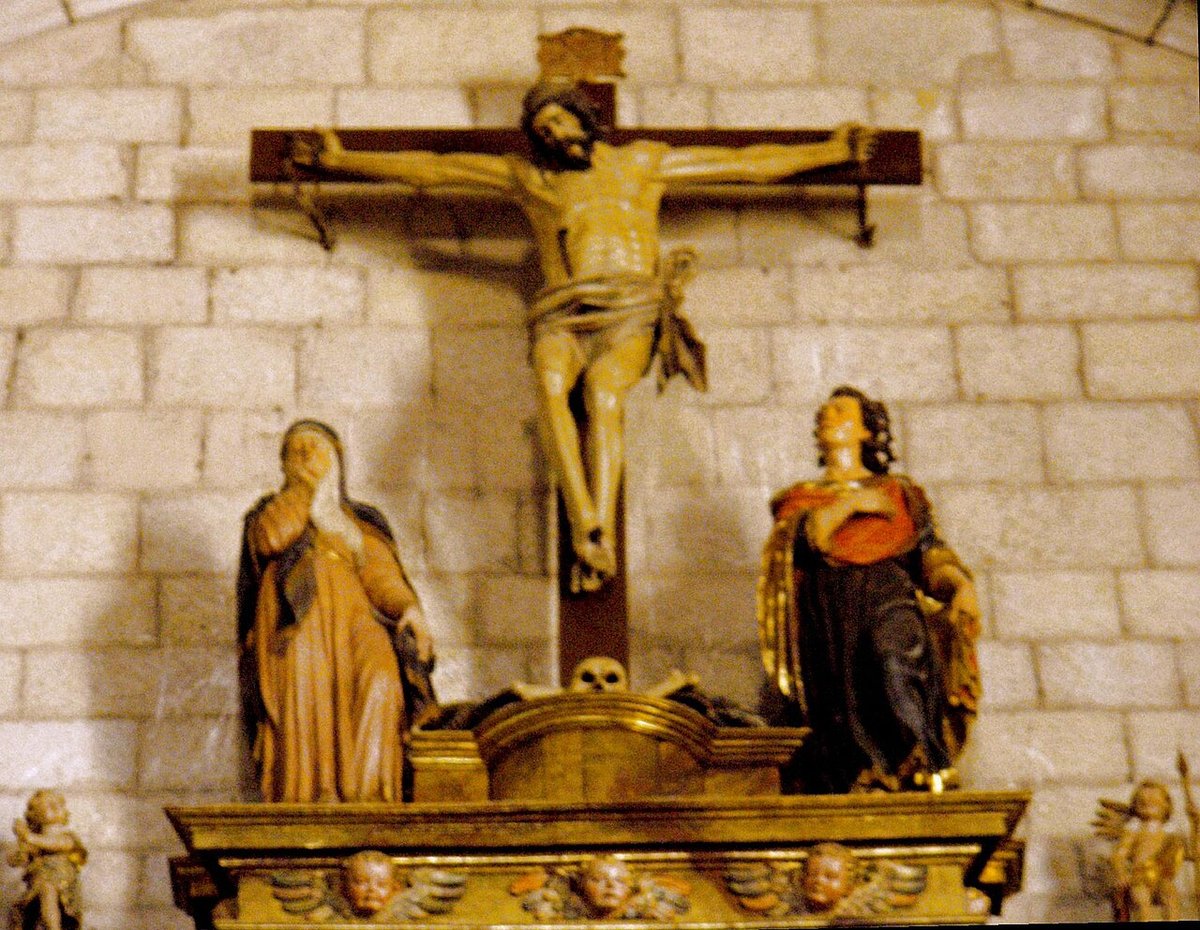
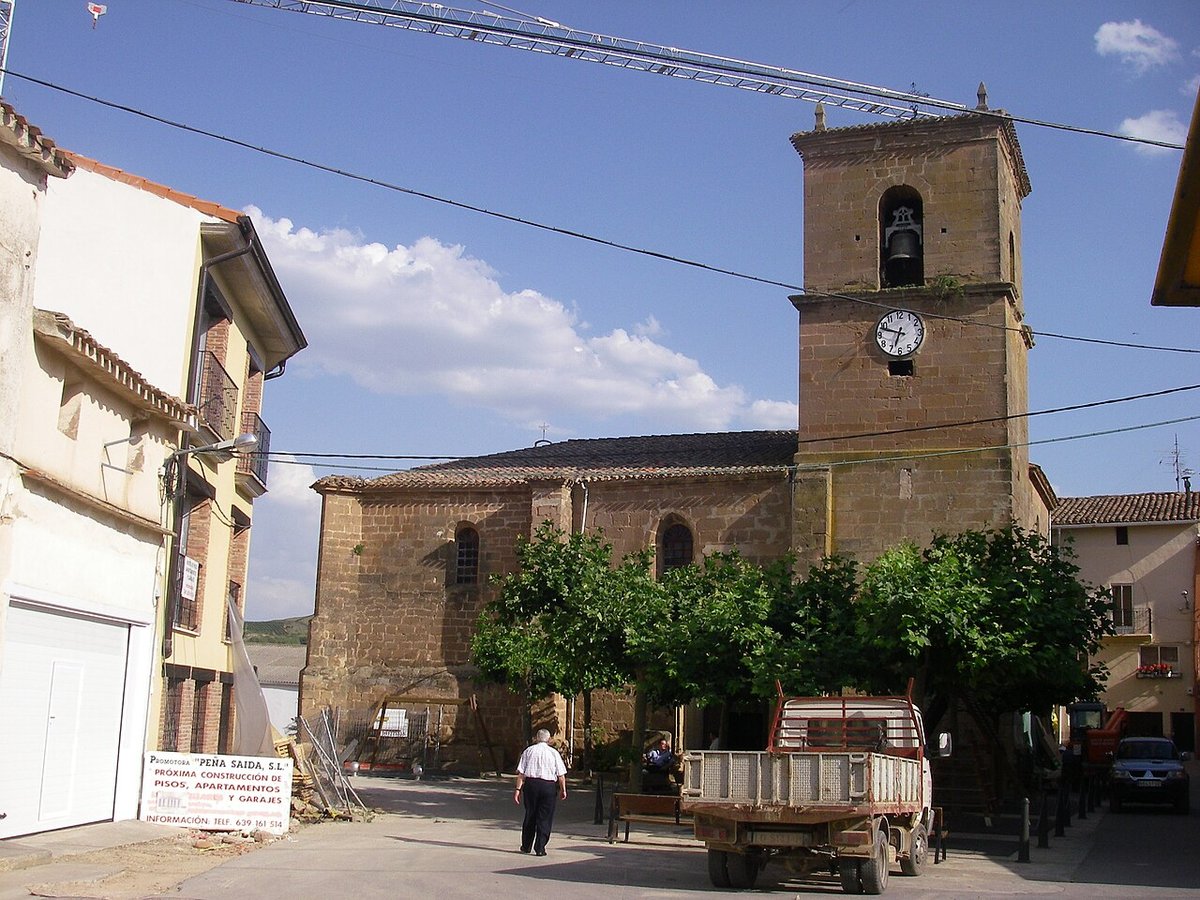
The Iglesia de San Martín de Tours won't feature in any architecture textbooks. It's a mishmash—Romanesque bones, Gothic additions, Baroque bell tower tacked on during a moment of 18th-century enthusiasm. Inside, the air smells of beeswax and centuries of incense. The altarpiece needs restoration work that'll probably never happen; funds ran dry around the same time Spain's property bubble burst. Yet there's something honest about its imperfection, the way local stone has weathered to soft ochres that change colour with every shift of light.
Outside, the village reveals itself in layers. Medieval core around the church, 19th-century expansion along what became the main road, a few modern houses that their owners probably regret building now the young have moved to Bilbao. The stone here isn't the honey-coloured limestone of neighbouring Soria—it's darker, iron-rich, the same geology that gives Rioja wines their particular mineral edge. Every wall contains fossils: tiny shells pressed into the fabric when this land lay under ancient seas.
The agricultural patchwork surrounding Medrano tells Spain's rural story in microcosm. Small plots—never more than two hectares—divide between vines, wheat, and the occasional olive grove. Mechanisation arrived late; many fields remain too steep for modern combines, so local farmers still use the old methods their grandfathers employed. It's inefficient, romantic, and economically marginal. The EU subsidies that kept villages like this alive are shrinking. Whether Medrano survives another generation remains an open question.
When the Mistral Blows
Morning arrives with choices. The GR-130 long-distance path skirts the village, following ridge lines that once marked medieval kingdom boundaries. A three-hour circuit heads south towards Badarán, dropping through pine plantations before climbing back via the Ermita de Santa Lucía, a 12th-century hermitage that sees more hikers than worshippers these days. The going's moderate—nothing that requires technical gear, though decent boots prove wise after rain when the clay paths turn to something resembling chocolate mousse.
Cyclists find a different challenge. The LR-404 that connects Medrano to nearby Cárdenas gains 200 metres in altitude over 4 kilometres—manageable for anyone who's tackled Yorkshire's hills, though the Spanish sun adds an extra layer of suffering. Mountain bikes can follow agricultural tracks that contour around the hills, passing through landscapes that haven't changed since Goya painted similar scenes. Bring water; the only bar in San Martin de Berberana, 7 kilometres distant, opens unpredictably.
Birdwatchers should pack binoculars. The mosaic of habitats—Mediterranean scrub, cereal fields, cliff faces—supports a catalogue of species that would make a British nature reserve weep with envy. Griffon vultures wheel overhead, their 2.5-metre wingspites casting moving shadows across the paths. Booted eagles hunt the thermals during spring migration, while nightjars churr from the scrub after dark. The best viewing comes at day's extremities: dawn, when the valley below fills with mist, and dusk, when the setting sun turns the western slopes to burnished copper.
What Passes for Gastronomy
The village bar doubles as the village shop, the village post office, and on Fridays, the village social centre. It serves what it always served: tortilla that arrives still bubbling from the pan, chorizo whose paprika comes from peppers grown in the next valley, wine that started life in grapes you walked past on the approach road. Nothing costs more than €6. The menu doesn't change because nobody wants it to.
Venture further and you'll hit the Rioja wine route proper. Bodegas Bilbaínas in nearby Haro offers tours in English (£15, book ahead), though their industrial scale feels galaxies removed from Medrano's subsistence plots. Better to continue to Bodega Carlos San Pedro in San Vicente de la Sonsierra, where the owner still foot-treads his tempranillo grapes because his grandfather did. Tastings happen in the family kitchen, accompanied by cheese from the neighbour's goats and stories about the 1968 vintage that nobody quite remembers accurately.
Accommodation options remain limited. There are precisely two rental properties in the village itself—a converted barn sleeping four (£85 nightly), and a townhouse that belongs to a Barcelona family who visit twice yearly. Otherwise, it's back to Haro or Logroño, twenty-five minutes distant, where the Hotel los Agustinos occupies a former monastery with rates from £120 including breakfast that would make a London hotel weep with shame.
The Quiet After the Storm
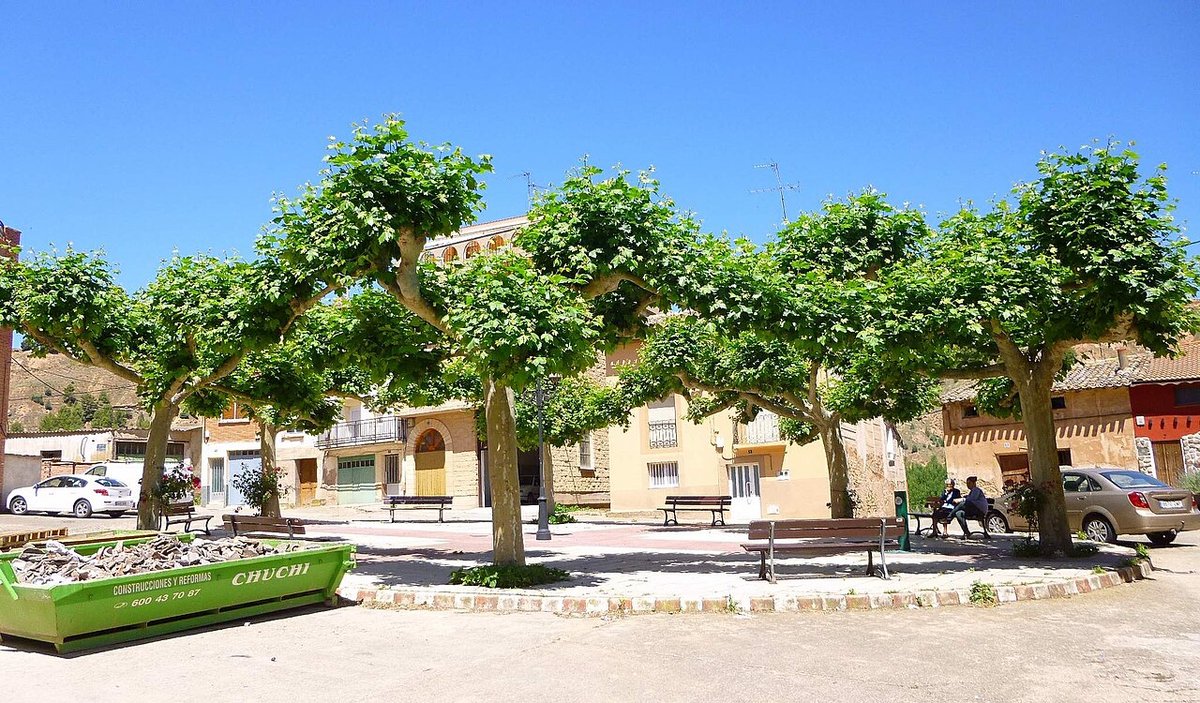
November's San Martín festival brings temporary resurrection. Former residents return from Bilbao and Madrid, cars lining the narrow streets with city number plates. The population quadruples for three days of processions, communal meals, and teenage drinking in the plaza that their parents pretend not to notice. Then Monday arrives, the cars depart, and Medrano settles back into its century-old rhythm.
Perhaps that's enough. Not every Spanish village needs to become the next Ronda or the next Frigiliana. Some places are content to exist as they've always existed—marginal, beautiful, slowly fading into the landscape that created them. Medrano offers no Instagram moments, no bucket-list experiences, no revelations that will change your life. It offers something rarer: the chance to walk paths that see more sheep than humans, to drink wine made from grapes grown within sight of your bar stool, to understand that Spain's real magic lies not in its monuments but in its refusal to hurry.
Come for the walking, stay for the silence, leave before the loneliness seeps into your bones. And if you find yourself on that stone bridge at noon, watching swallows trace patterns against a sky that seems impossibly high, remember that some places don't need saving. They just need witnessing before they disappear.