Full Article
about Murillo de Río Leza
Key town at the confluence of the Jubera and Leza rivers; wine-growing and farming tradition.
Hide article Read full article
A village that doesn’t try too hard
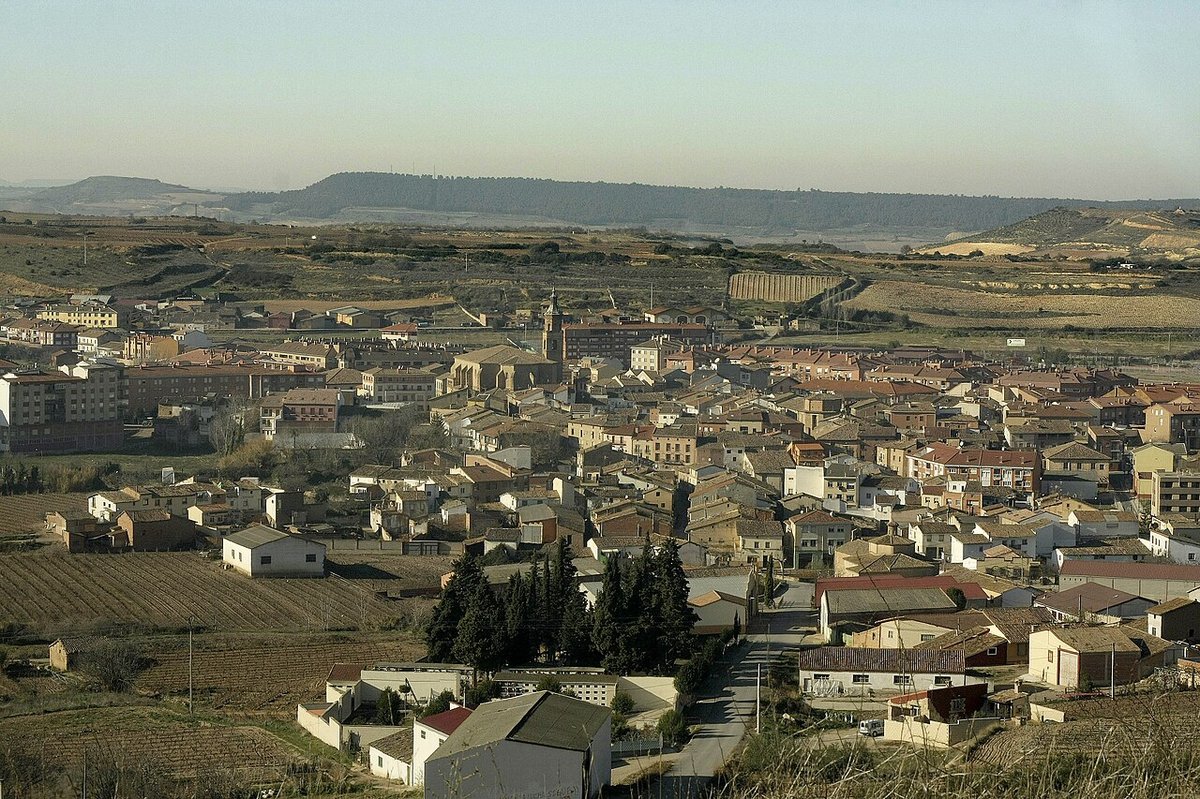
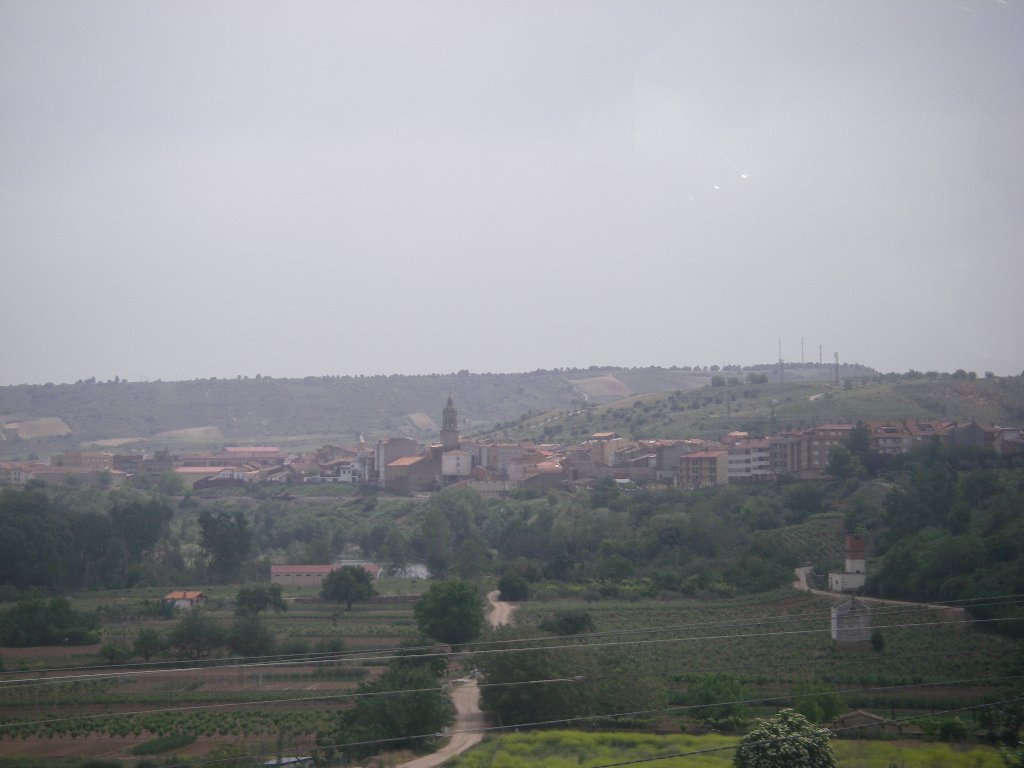
Some places feel like stepping into a family home where no one is trying to impress. Everything seems ordinary at first, yet the longer you look, the more details begin to stand out. Murillo de Río Leza, in the Logroño area of La Rioja, has that kind of atmosphere. Quiet streets, houses altered over time, and a nearby river that quietly shapes daily life.
This is not a destination packed with landmarks or a perfectly preserved historic quarter. Instead, it is a working Riojan village, surrounded by farmland, where neighbours still know each other and routines carry on much as they always have.
The church that anchors the village
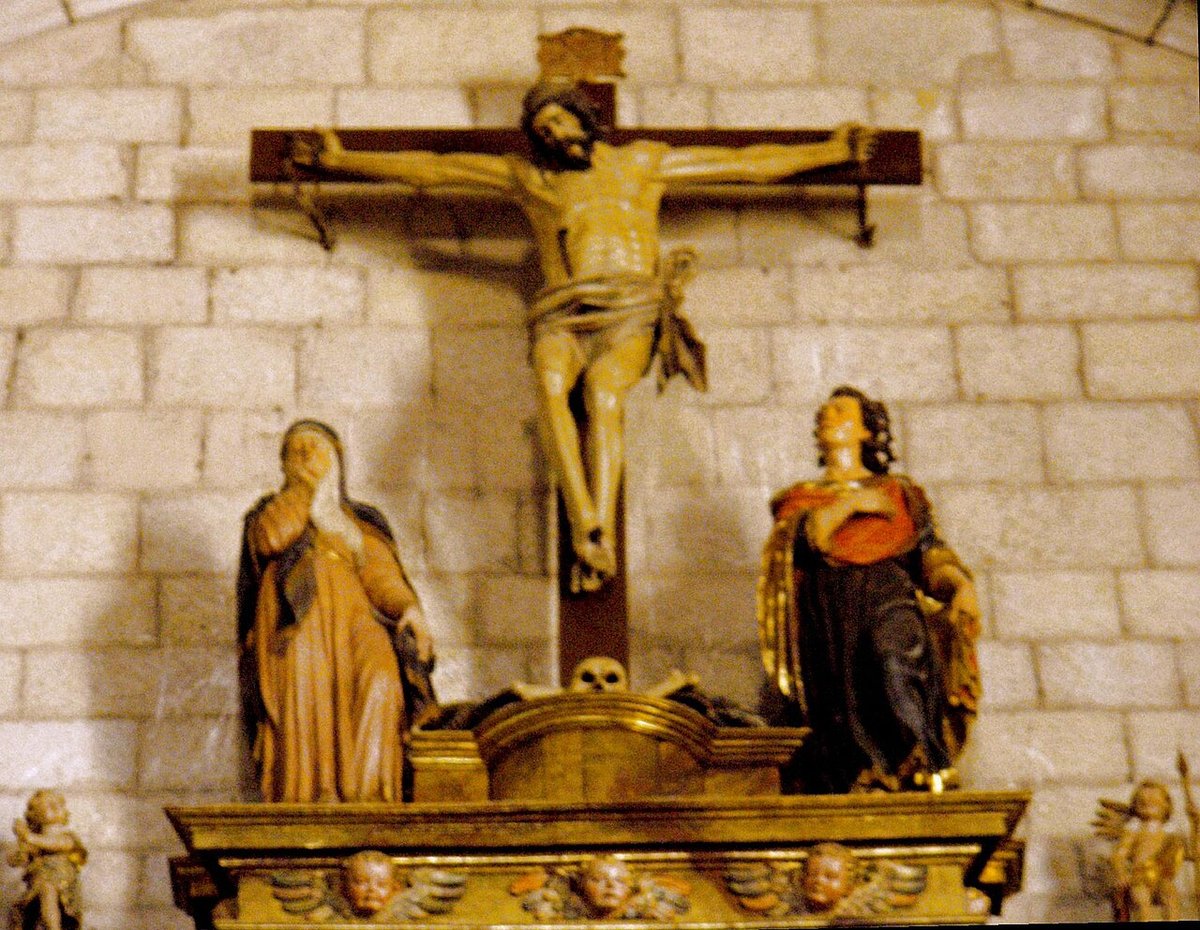
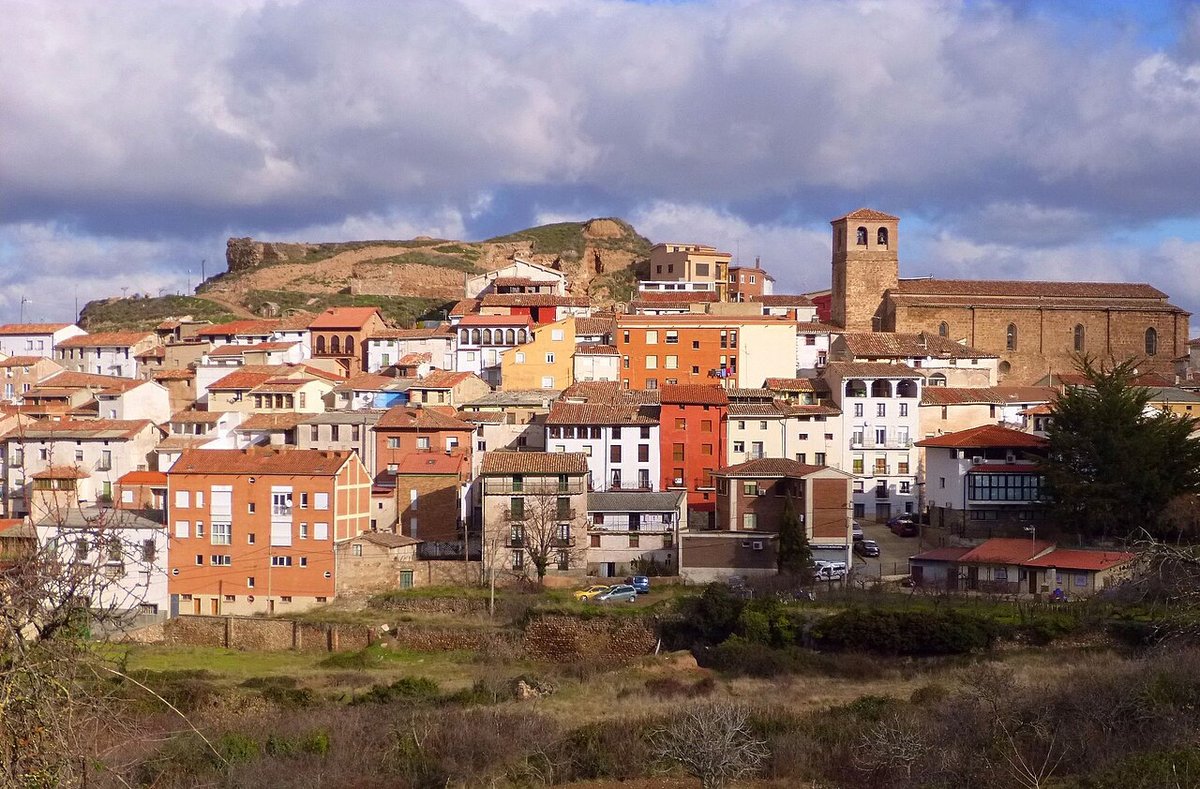
On arrival, the tower of the Iglesia de San Esteban usually becomes the point of reference. Built in the 16th century, the church has been altered over time, which is typical for buildings that have remained in use for centuries.
The tower is square and visible from several streets. It does not dominate the skyline, yet it defines the centre of Murillo. From there, the best approach is simply to wander. Some façades reveal coats of arms or carved stones, details that appear almost by accident as you pass by rather than something formally displayed.
Streets shaped by everyday life
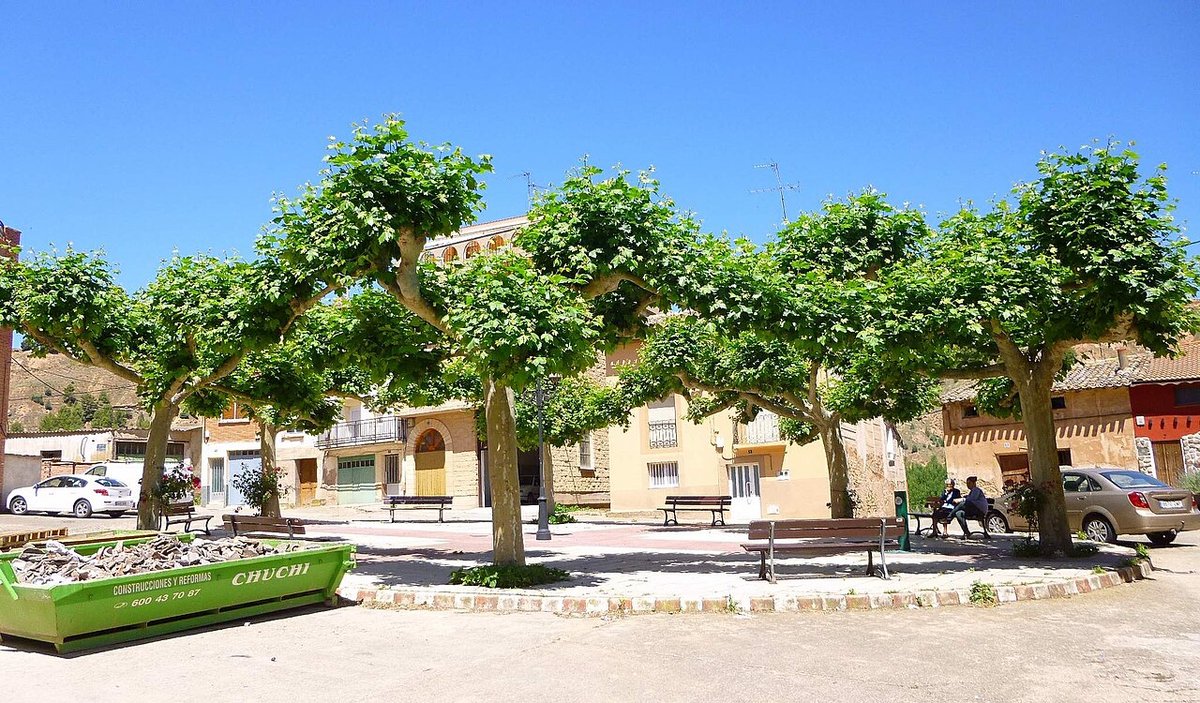
The village centre is small. Within ten minutes, it is easy to understand its layout, though it is worth slowing down rather than rushing through.
Many houses combine stone with exposed brick. Some still keep old doorways or inscriptions carved into the stone. This is not an open-air museum. People continue to live in these buildings, and that gives the place a more natural feel than something arranged for visitors.
There is a recurring contrast. A fairly ordinary façade might suddenly reveal a worn coat of arms above the door, softened by time. These small discoveries are scattered throughout the streets and reward a more attentive walk.
The River Leza and the surrounding paths
Murillo de Río Leza makes more sense when you step beyond the built-up area. The River Leza runs close by, and the land around it is crossed by dirt tracks between fields.
These are not landscaped promenades or formal parks. They are practical paths used by locals to reach smallholdings or move between plots of land. That is precisely why they feel easy to walk. There is no sense of design, just space and quiet.
The landscape changes with the seasons. In spring, the surroundings turn intensely green. By autumn, tones shift towards gold, and fallen leaves gather near the riverbanks. Nearby fields include cereals, vineyards and some olive groves.
There is no single marked route to follow. A short walk out and back is the usual way to explore, often taking less than an hour before returning to the village.
Life moving at its own pace
Murillo does not revolve around tourism, and that becomes clear straight away.
During the day, the rhythm is that of a medium-sized village. People come and go, cars are parked wherever there is space, and brief conversations happen in the street. If you ask for directions towards the river or nearby paths, someone will usually point you the right way.
Food follows the same straightforward approach. Expect typical Riojan cooking, simple and filling. Hearty stews appear in colder weather, grilled meats on quieter days, and local wine is part of the table. It is not elaborate, but it is satisfying.
When to come and how long to stay
Murillo de Río Leza is not a place that requires a long stay. A walk through the centre, a loop towards the river, and little else are enough to form a clear impression. Two or three hours usually suffice.
Spring and autumn tend to be the most comfortable times for walking. In summer, the sun can feel strong on the open paths. In winter, the cold is more noticeable near the river and daylight hours are shorter.
The best approach is simple. Arrive without high expectations, take a slow walk through the streets, pay attention to the façades, and spend a little time by the River Leza. Plans like these often work better than anything more ambitious.
Getting there from Logroño
From Logroño, the journey by car is relatively short. The road follows the valley southwards, and the drive generally takes a little over half an hour depending on traffic and the route chosen.
On entering the village, it is common to park along a quiet street and continue on foot. The centre is compact, and walking avoids the need to circle around in a car.
Murillo de Río Leza works best as a pause along the way. Not a place to fill several days with activities, but somewhere to wander briefly, look towards the river, and see how life continues in many parts of La Rioja.