Full Article
about Nalda
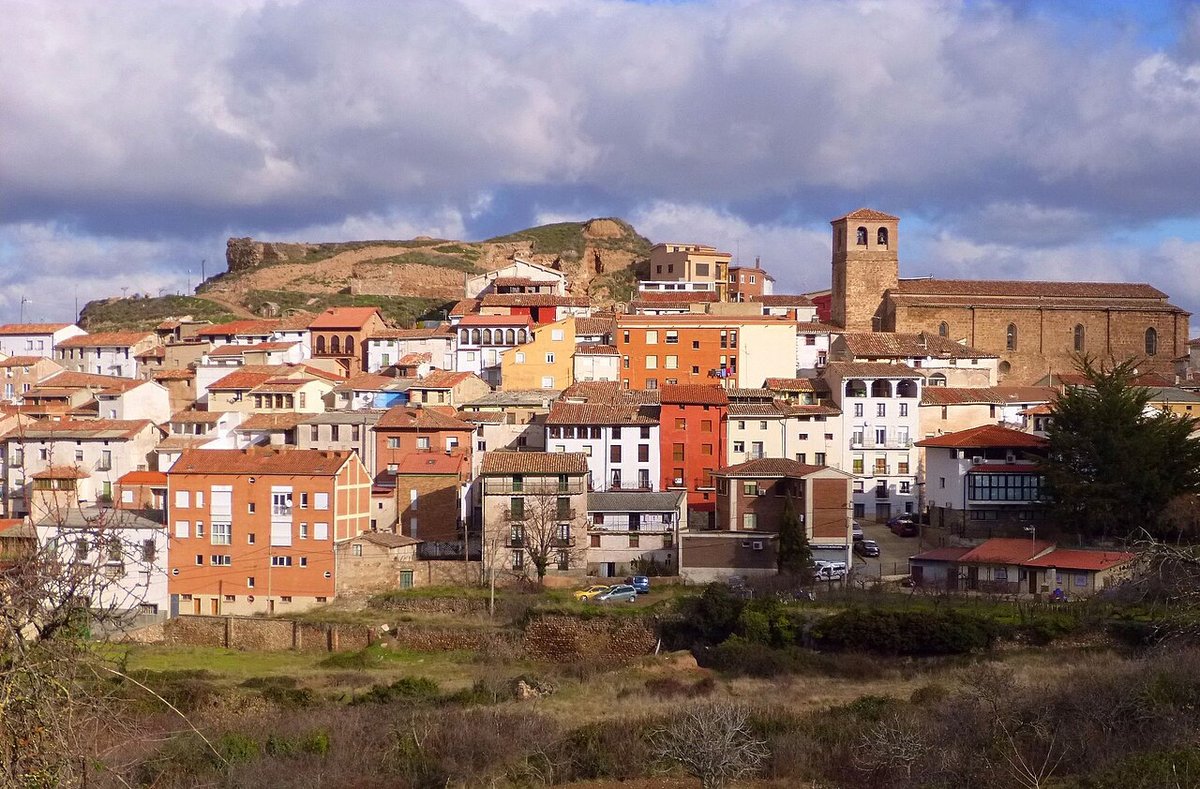
A village with a restored castle overlooking the Iregua valley, known for the fiesta de los gallos.
Hide article Read full article
Nalda: cuando Logroño se acaba y empieza el monte
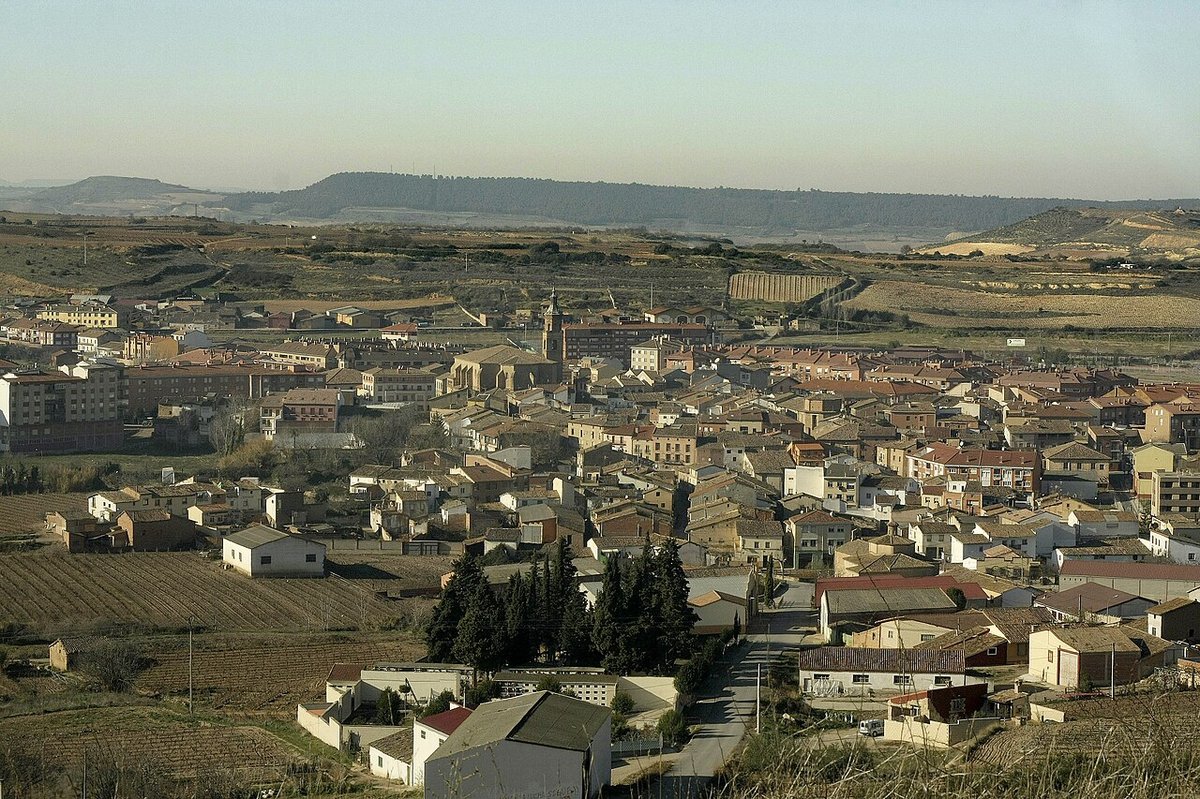
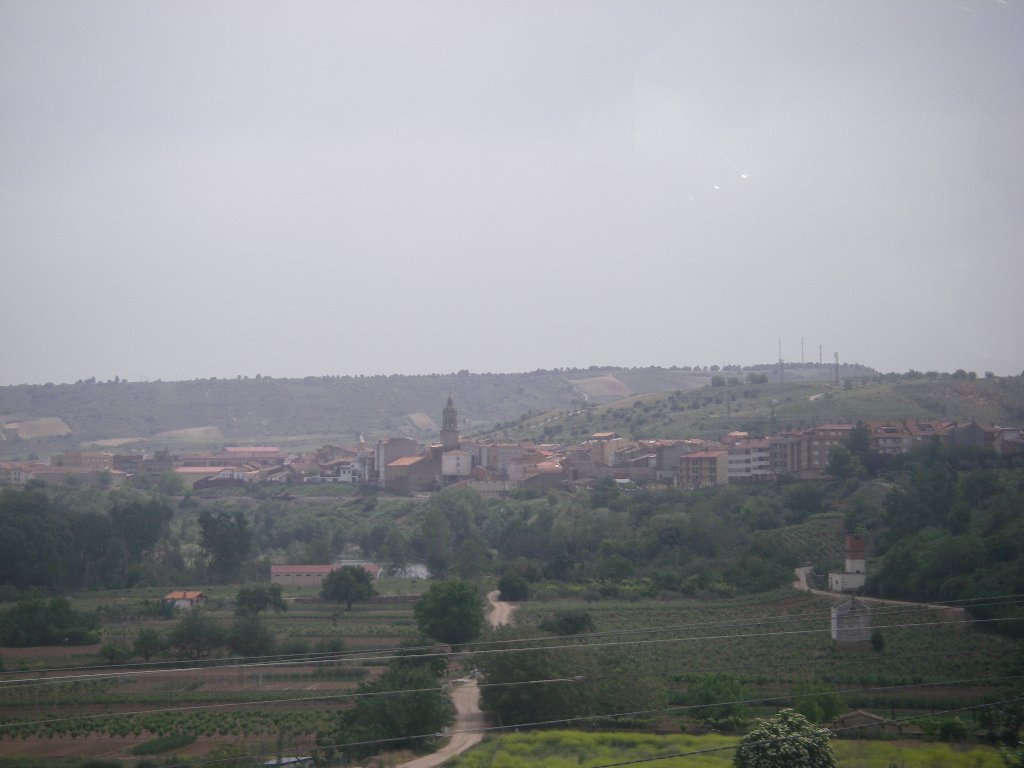
Salir de Logroño por la carretera del Iregua es como cambiar de canal. En quince minutos, el paisaje urbano se desvanece y te encuentras con un pueblo pegado a la ladera. Eso es Nalda. No es un destino lejano, es más bien ese primer respiro tras dejar el ruido de la capital. Tienes la sensación de haber llegado a otro sitio, aunque apenas hayas conducido.
Con poco más de mil habitantes, el pueblo se agarra a la montaña con cierta terquedad. Las calles no son planas, ni lo pretenden. Suben en rampa, se convierten en escaleras sin avisar y cada esquina te regala una perspectiva nueva del valle. Es el tipo de lugar donde "voy a dar una vuelta" puede terminar, sin que te des cuenta, en lo alto del cerro.
La iglesia que siempre está ahí
La torre de la Iglesia de la Asunción es el faro de Nalda. La ves desde casi cualquier punto, un recordatorio constante de dónde estás. Si te despistas entre callejuelas en cuesta, que es fácil, basta con mirar hacia arriba para reorientarte.
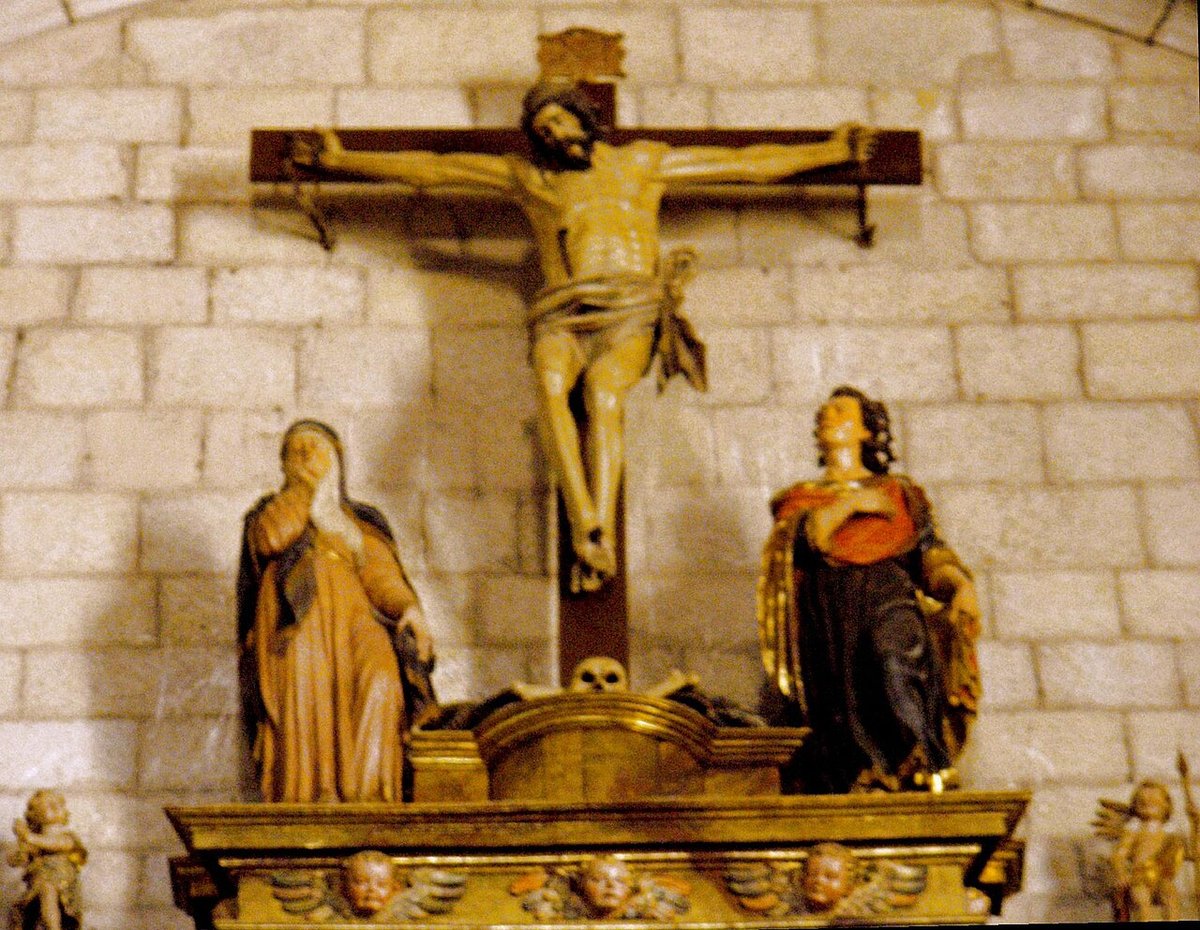
El edificio en sí es un libro de historia sin pretensiones. Tiene partes exteriores sencillas, casi austeras, y dentro guarda un retablo mayor que habla de épocas en las que este pueblo tuvo más peso del que aparenta ahora. No es una catedral, pero tiene esa paz que invita a parar cinco minutos y observar los detalles.
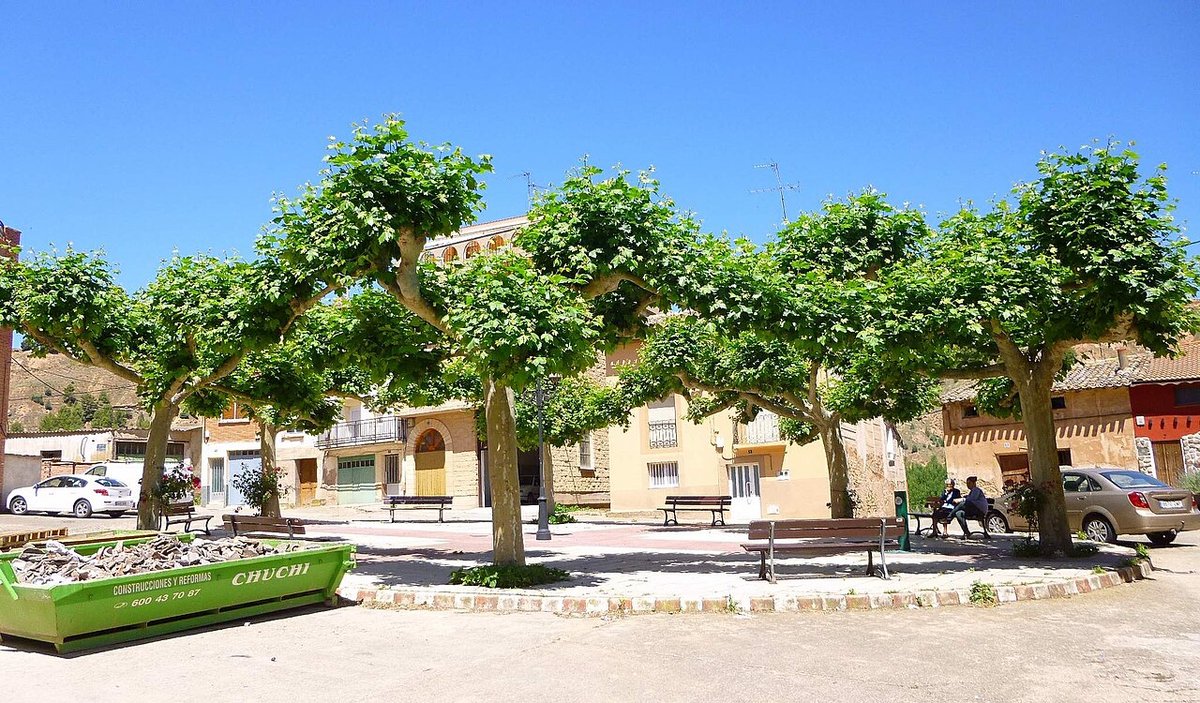
A su alrededor se arremolina el casco antiguo. Aquí las casas muestran escudos de piedra desgastados por el tiempo, puertas con fechas talladas y ventanas de madera que han visto pasar generaciones. Algunas fachadas están restauradas; otras lucen el desgaste honesto de los años. El conjunto no parece pensado para impresionar al visitante, sino para seguir siendo vivido.
Y cada cierto tramo, entre dos muros, se cuela una ventana al valle del Iregua. Son esos huecos inesperados que te hacen frenar en seco, aunque solo sea para respirar hondo.
Los caminos que salen del pueblo
Cuando las últimas casas quedan atrás, Nalda se abre en senderos rurales. No son grandes rutas de montaña, sino paseos accesibles que serpentean entre tierras de cultivo y pequeños bosques de pinos.
Puedes caminar una hora o dos sin darte cuenta. Los trayectos pasan por olivares, cruzan parcelas aún trabajadas y bajan hasta arroyos como el de La Zorra o Las Fuentes. No siempre llevan mucha agua, pero rompen la monotonía del paisaje.
Es territorio para ir sin prisa. El silencio solo lo rompen los pájaros y algún tractor a lo lejos. No hay señalización masiva ni postales preparadas; solo el campo tal cual es.
Un ritmo marcado por la tierra
En Nalda se nota que la agricultura no es un recuerdo, sino parte del presente. Los campos alrededor producen buena parte de lo que se consume aquí y eso marca el pulso del año.
Las fiestas siguen ese calendario. Los patronales de agosto llenan las calles de gente, muchas veces familias que vuelven por esos días. Es una celebración local, sin grandes aspavientos, donde todavía se percibe ese ambiente de pueblo donde la gente se conoce.
En invierno perviven tradiciones como San Antón, ligada a los animales. Y aunque la matanza del cerdo ya no es lo común que fue décadas atrás, todavía hay quien mantiene la costumbre.
Cuándo pisarlo
La primavera y el otoño son probablemente los mejores momentos. Las temperaturas son suaves y el paisaje cambia de color: verde en los meses húmedos, tonos rojizos en las viñas cuando llega el frío.
El verano funciona si evitas las horas centrales del día. Algunas calles son empinadas y hay tramos con poca sombra. Madrugar o venir al atardecer cambia completamente la experiencia.
El invierno ofrece otra cara: días cortos, mucha tranquilidad y esos senderos silenciosos donde solo se oye el viento.
Lo práctico (sin florituras)
Nalda no es grande. Puedes recorrer su núcleo principal en una mañana sin correr. La gracia está en no tener prisa: subir esa cuesta extra, sentarte en alguno de los bancillos con vistas que hay desperdigados y fijarte en los detalles que pasan desapercibidos a primera vista.
No hay monumentos espectaculares ni plazas enormes. Lo interesante está en cómo el pueblo se adapta a la montaña, cómo conviven las casas viejas con las nuevas y esa sensación de estar en un sitio real, no decorado.
Llegar desde Logroño es sencillo: carretera LR-250 dirección Iregua hasta ver el desvío señalizado.
Para aparcar, lo más sensato es dejar el coche cerca del centro e ir a pie luego. Algunas calles del casco antiguo son estrechas y tienen pendientes considerables.
Y lleva calzado cómodo. Suena a consejo genérico pero aquí cobra sentido: algunas cuestas piden más esfuerzo del que aparentan desde abajo